- English
- French
- German
- Portuguese
- Spanish
- Russian
- Japanese
- Korean
- Arabic
- Greek
- German
- Turkish
- Italian
- Danish
- Romanian
- Indonesian
- Czech
- Afrikaans
- Swedish
- Polish
- Basque
- Catalan
- Esperanto
- Hindi
- Lao
- Albanian
- Amharic
- Armenian
- Azerbaijani
- Belarusian
- Bengali
- Bosnian
- Bulgarian
- Cebuano
- Chichewa
- Corsican
- Croatian
- Dutch
- Estonian
- Filipino
- Finnish
- Frisian
- Galician
- Georgian
- Gujarati
- Haitian
- Hausa
- Hawaiian
- Hebrew
- Hmong
- Hungarian
- Icelandic
- Igbo
- Javanese
- Kannada
- Kazakh
- Khmer
- Kurdish
- Kyrgyz
- Latin
- Latvian
- Lithuanian
- Luxembou..
- Macedonian
- Malagasy
- Malay
- Malayalam
- Maltese
- Maori
- Marathi
- Mongolian
- Burmese
- Nepali
- Norwegian
- Pashto
- Persian
- Punjabi
- Serbian
- Sesotho
- Sinhala
- Slovak
- Slovenian
- Somali
- Samoan
- Scots Gaelic
- Shona
- Sindhi
- Sundanese
- Swahili
- Tajik
- Tamil
- Telugu
- Thai
- Ukrainian
- Urdu
- Uzbek
- Vietnamese
- Welsh
- Xhosa
- Yiddish
- Yoruba
- Zulu
Why use titanium grade 4 plate in chemical processing plants?

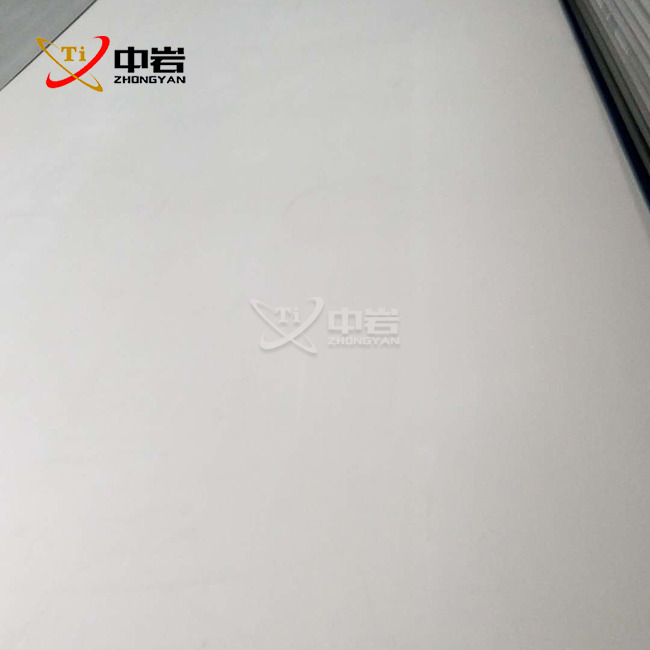
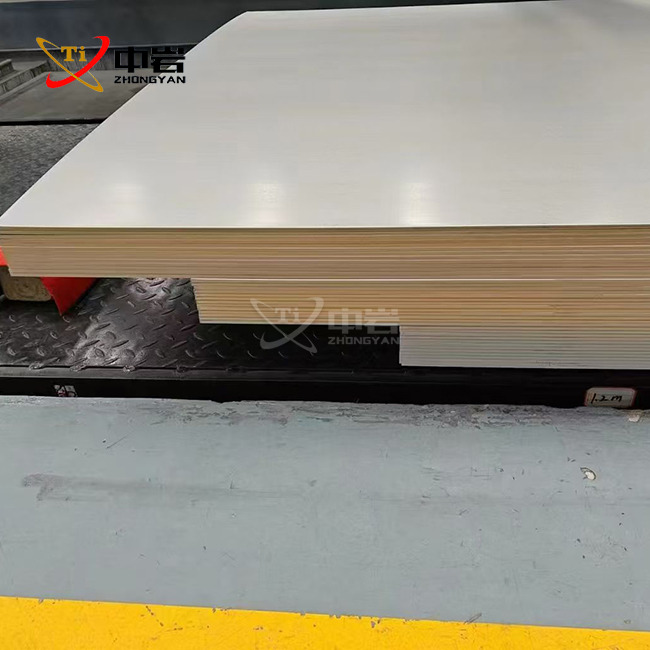
Titanium grade 4 plate is the best available pure titanium type. It has great resistance to rust and high dynamic strength, which makes it essential in chemical processing settings. This high-performance material is the most durable and reliable that can be used in chemical plants that are exposed to harsh media, temperature changes, and tough working conditions. The unique mix of better chemical resistance, low weight, and long service life makes Grade 4 titanium the best choice for demanding uses like heat exchangers, pressure vessels, and piping systems where regular materials don't meet strict performance standards.
Introduction to Titanium Grade 4 Plate in Chemical Processing
Chemical processing plants operate under some of the most challenging industrial conditions, where materials must withstand constant exposure to corrosive chemicals, extreme temperatures, and high-pressure environments. Titanium Grade 4 plate emerges as a premium solution that addresses these critical challenges through its exceptional material properties and proven performance record.
Understanding the Chemical Processing Environment
Chemical processing plants have to deal with a lot of problems that can damage equipment and make operations less safe. Acids that eat away at metals, alkaline solutions, and oxidizing agents make it so that common metals like carbon steel and normal stainless steels don't work as well as they should. These harsh conditions require materials that can keep their shape and not break down chemically over long periods of time. It is always hard for procurement managers and engineers to choose materials that meet both performance needs and lifecycle cost concerns. This choice is especially important when a broken piece of equipment could mean lost work time, safety risks, or problems with following environmental rules. The need for materials that work reliably and last a long time is driven by this fact.
Why Titanium Grade 4 Excels in Chemical Applications
Commercially pure titanium Grade 4 is the best pure titanium performance. It is stronger than other grades and still has the great rust protection that is typical of titanium. This material, which is also known as UNS R50700, has carefully measured amounts of iron and oxygen that make it much stronger without weakening its ability to resist chemicals. When exposed to oxygen-containing environments, the material's passive oxide layer forms on its own, creating a barrier that protects and fixes itself when it gets damaged. Because of this, titanium Grade 4 can stand up to a lot of different chemicals, such as chlorides, organic acids, and reactive solutions that would quickly break down other materials.
Key Properties and Advantages of Titanium Grade 4 Plate
The exceptional performance of commercially pure titanium Grade 4 stems from its carefully engineered composition and resulting material properties. Understanding these characteristics helps procurement professionals make informed decisions when specifying materials for critical chemical processing applications.
Chemical Composition and Mechanical Properties
Titanium grade 4 plate is much stronger than lower grades because it has higher amounts of iron and oxygen than lower grades. The material usually has no more than 0.40% oxygen and no more than 0.50% iron. It also has fixed amounts of nitrogen, carbon, and hydrogen. The tensile strength of this composition is at least 550 MPa, and the yield strength is at least 485 MPa. These mechanical properties are much better than those of lower grades of titanium, and they don't affect the material's excellent ductility, which makes it easy to shape and form. A minimum stretch of 15% makes sure that the material can handle mechanical loads and heat expansion without breaking easily, which is a very important thing to think about when designing tools for chemical processing.
Corrosion Resistance Mechanisms
For Grade 4 titanium to be resistant to rust, an oxide film forms on top of it that stays in place and keeps chemicals from attacking it. As the pH level changes, this passive layer stays very stable and can handle many chemicals that would quickly damage stainless steel or nickel alloys. Studies by the Titanium Development Association have shown that titanium works better in chloride-containing environments, where stress corrosion cracking usually shortens the life of stainless steel parts. Titanium doesn't rust when it comes into contact with chloride, which is great for chemical processing plants that work with seawater, salt solutions, or chlorine compounds.
Temperature and Thermal Properties
This grade of titanium doesn't corrode at all in a wide range of temperatures, so it can be used in both normal and high-temperature situations. The low thermal expansion coefficient of the material lowers thermal stresses in equipment that is subject to changing temperatures, and its low thermal conductivity can be helpful in some heat transfer applications. The material's performance stays stable at temperatures up to 300°C in most chemical environments, and it may be able to handle higher temperatures in some situations. Because it can handle a wide range of temperatures and is very resistant to thermal shock, it is perfect for use in heat exchangers where temperatures change quickly.
Titanium Grade 4 Plate vs. Alternative Materials: Making the Right Choice
When evaluating materials for chemical processing applications, engineers and procurement managers must consider multiple factors, including initial cost, maintenance requirements, service life, and operational reliability. A comprehensive comparison reveals why Grade 4 titanium often provides superior value despite higher initial material costs.
Performance Comparison with Stainless Steel
When it comes to chemical manufacturing, stainless steel types like 316L are most often used instead of titanium. Stainless steel is cheaper to buy at first, but it doesn't work well in places where salt is present, so equipment often breaks down early and needs to be replaced, which costs a lot of money. It has been shown that titanium parts can last three to five times longer than stainless steel in harsh chemical conditions. Titanium's lighter weight is especially useful for large-scale equipment uses. Titanium has a density that is about 43% lower than that of stainless steel. This means that it cuts structural stress and can allow for smaller equipment designs. This lighter weight usually means lower costs for installation and fewer needs for foundations.
Comparison with Nickel Alloys and Specialty Materials
High-performance nickel alloys, such as Hastelloy C-276 and Inconel 625, are very resistant to rust in many chemical conditions, but they are much more expensive than titanium. While these materials are great for some tasks, titanium Grade 4 performs as well as or better than them in many chemical processing situations and costs less. Exotic materials like tantalum or zirconium may be better in very harsh environments, but they are too expensive for most uses. Titanium grade 4 plate is the best choice for most chemical manufacturing jobs because it is available, performs well, and doesn't cost too much.
Grade Selection Within the Titanium Family
Knowing the differences between the different types of titanium lets you choose the best material for each job. Grade 1 titanium can be shaped easily, but it isn't very strong. This means it's good for thin-walled parts or uses with little mechanical stress. Grade 2 titanium is good for general-purpose uses because it is both easy to shape and strong. Grade 4 titanium is the strongest, purest choice, so it is best for uses that need maximum strength while still having great rust resistance. This makes it perfect for parts that have to hold pressure, structural elements, and uses where mechanical stress is important.
Practical Applications and Procurement Considerations
The versatility of Grade 4 titanium enables its use across diverse chemical processing applications, from routine process equipment to specialized high-performance systems. Understanding these applications helps guide procurement decisions and specification development.
Heat Exchanger Applications
Temperature exchangers are one of the most common ways that titanium is used in chemical plants. Grade 4 titanium is perfect for shell-and-tube heat exchangers, plate heat exchangers, and spiral heat exchangers that deal with corrosive process streams because it is resistant to corrosion, conducts heat well, and is strong. In fact, a major petrochemical facility in Texas said that titanium heat exchanger tubes lasted over 20 years in crude oil desalting applications, compared to 3 to 5 years for stainless steel tubes. The longer service life more than made up for the higher cost of the materials at first because it meant less upkeep and downtime.
Reactor and Pressure Vessel Components
Materials that can handle both mechanical stress and chemical attack are often needed for chemical reactors and pressure tanks. When it comes to chemical protection, grade 4 titanium is better than other materials and has the power needed for pressure-bearing uses. Titanium is strong and doesn't rust, which makes it a good material for internal parts like agitator shafts, baffles, and heat transfer coils. The nuclear industry has a lot of information about how well titanium works in high-temperature, high-pressure water applications, which gives us useful information about how reliable it is over time. This body of experience gives people faith in titanium's ability to work well in tough chemical handling situations.
Procurement Strategy and Supplier Evaluation
Pay close attention to the skills of the suppliers, the approvals of the materials, and the quality control methods used when buying titanium. Because handling titanium is so specialized, choosing the right seller has a big effect on the quality of the finished product and the success of the project. Key evaluation factors include ASTM B265 approval, ISO 9001:2015 quality systems, and proven knowledge in chemical processing uses. When planning a purchase, minimum order numbers and wait times are important things to think about. Suppliers with a good reputation usually keep stock of standard sizes and can also do custom cutting and manufacturing to meet the needs of any project. Value-added services like precision cutting, surface treatment, and packing can make a job much easier to do and finish faster.
Zhongyan: Your Trusted Titanium Grade 4 Plate Manufacturer
Baoji Zhongyan Titanium Industry Co., Ltd. is one of the best companies that makes and sells commercially pure titanium products of the highest quality. They specialize in Grade 4 plates that are perfect for chemical processing. Our factory is in China's famous "Titanium Valley," and it uses advanced manufacturing techniques and strict quality control systems to make goods that go above and beyond what the industry requires.
Manufacturing Excellence and Quality Standards
The first step in our production process is carefully choosing the raw materials and vacuum arc remelting them to make sure they have the best qualities and stability. Forging and rolling use high-tech tools and process control systems to make sure that the dimensions are exact and the surface finish is excellent. Heat treatment processes are carefully managed to improve mechanical properties while keeping the titanium grade 4 plate's high corrosion resistance. Quality control measures include full material traceability, strict in-house testing, and third-party inspections to make sure ASTM B265 standards are met. Our quality management system is ISO 9001:2015 approved, which means that the quality of our products and the reliability of our delivery service are the same for all orders. Customers can get the material proof they need for important uses by getting all the paperwork, including mill test certificates.
Product Specifications and Customization Capabilities
We have titanium Grade 4 plates that are 0.5 mm thick up to 50 mm thick, up to 1500 mm wide, and up to 6000 mm long. These measurement options can be used for a variety of purposes, and our custom cutting and production services let customers get exact sizes that meet their needs. With a tensile strength of at least 550 MPa, a yield strength of at least 485 MPa, and a stretch of at least 15%, the material meets or exceeds the standards of ASTM B265. Its advanced surface finishing capabilities ensure the best surface quality for chemical processing uses. For tight size limits and great edge quality, our precision cutting services use laser cutting and wire EDM machining. Custom packing and tagging services help customer sites handle materials and keep track of their stock more efficiently.
Technical Support and Customer Service
Our expert team helps with every step of the buying and using process, from choosing the right materials to making sure the work is done right and that the quality is checked. As part of this support, you will get help with things like material specs, manufacturing suggestions, and improving performance for certain uses. Our worldwide sales network guarantees a quick response to customer needs and smooth logistics support, no matter where the project is located. Zhongyan is the perfect partner for chemical processing companies looking for reliable, high-performance titanium solutions because of our high-quality manufacturing, wide range of products, and dedicated customer service. Our dedication to quality, new ideas, and complete customer satisfaction guarantees the success of every project and the value of our relationship for many years to come.
Conclusion
For tough chemical handling jobs that need rust resistance, high strength, and long-term dependability, Titanium Grade 4 plate is the best material choice. The material's unique set of qualities, such as its high strength-to-weight ratio, excellent chemical protection, and track record of performance, make it a better deal because it lasts longer and needs less upkeep. Compared to other materials, Grade 4 titanium regularly performs better in harsh chemical conditions and has known prices over its entire life. Chemical processing plants that want to improve the performance and dependability of their equipment must carefully choose skilled providers and make sure that the right specs are followed. Only then will the project be completed successfully and with the best return on investment.
FAQ
What makes titanium Grade 4 superior to other titanium grades for chemical processing?
Grade 4 titanium offers the highest strength among commercially pure titanium grades while maintaining excellent corrosion resistance. The increased iron and oxygen content provides tensile strength of 550 MPa minimum, significantly higher than Grades 1-3, making it ideal for pressure-bearing applications and structurally demanding chemical processing equipment.
How does the cost of titanium Grade 4 compare to stainless steel over the equipment lifecycle?
While titanium Grade 4 requires a higher initial investment, its extended service life typically results in lower total cost of ownership. Chemical processing facilities often achieve 3-5 times longer service life compared to stainless steel, with reduced maintenance costs and elimination of premature failure-related downtime expenses.
What are the typical delivery lead times and minimum order quantities?
Lead times typically range from 4-8 weeks, depending on size requirements and order complexity. Minimum order quantities vary by thickness and dimensions, with standard sizes often available in smaller quantities, while custom specifications may require larger minimum orders. Reputable suppliers maintainan inventory of common sizes to support shorter delivery requirements.
Partner with Zhongyan for Premium Titanium Grade 4 Plate Solutions
Chemical processing facilities seeking reliable, high-performance materials can benefit significantly from our comprehensive titanium solutions and manufacturing expertise. Zhongyan's titanium grade 4 plate manufacturer capabilities, combined with our ISO 9001:2015 certified quality systems and extensive chemical industry experience, ensure successful project outcomes and exceptional value delivery. Our technical team stands ready to provide detailed specifications, competitive pricing, and expert guidance for your specific application requirements. Contact us at sales@titaniumstudy.com to discuss your titanium procurement needs and discover how our premium materials and dedicated support can optimize your chemical processing operations. Visit our website at https://www.titaniumstudy.com/ to explore our complete product portfolio and technical resources designed to support your success.
References
1. Boyer, R., Welsch, G., & Collings, E.W. (2007). Materials Properties Handbook: Titanium Alloys. ASM International Materials Park.
2. Titanium Development Association. (2015). Guidelines for the Design of Chemical Process Equipment Using Commercially Pure Titanium. Technical Report TDA-15.
3. Schutz, R.W. & Thomas, D.E. (2019). "Corrosion of Titanium and Titanium Alloys in Chemical Processing Applications." Corrosion Engineering, Science and Technology, Vol. 42, No. 3.
4. American Society for Testing and Materials. (2020). ASTM B265-20: Standard Specification for Titanium and Titanium Alloy Strip, Sheet, and Plate. ASTM International.
5. Peters, M., Kumpfert, J., Ward, C.H., & Leyens, C. (2003). "Titanium Alloys for Aerospace Applications." Advanced Engineering Materials, Vol. 5, No. 6.
6. International Titanium Association. (2018). Titanium in Chemical Processing: Performance Guidelines and Best Practices. ITA Technical Manual Series.
Learn about our latest products and discounts through SMS or email