- English
- French
- German
- Portuguese
- Spanish
- Russian
- Japanese
- Korean
- Arabic
- Greek
- German
- Turkish
- Italian
- Danish
- Romanian
- Indonesian
- Czech
- Afrikaans
- Swedish
- Polish
- Basque
- Catalan
- Esperanto
- Hindi
- Lao
- Albanian
- Amharic
- Armenian
- Azerbaijani
- Belarusian
- Bengali
- Bosnian
- Bulgarian
- Cebuano
- Chichewa
- Corsican
- Croatian
- Dutch
- Estonian
- Filipino
- Finnish
- Frisian
- Galician
- Georgian
- Gujarati
- Haitian
- Hausa
- Hawaiian
- Hebrew
- Hmong
- Hungarian
- Icelandic
- Igbo
- Javanese
- Kannada
- Kazakh
- Khmer
- Kurdish
- Kyrgyz
- Latin
- Latvian
- Lithuanian
- Luxembou..
- Macedonian
- Malagasy
- Malay
- Malayalam
- Maltese
- Maori
- Marathi
- Mongolian
- Burmese
- Nepali
- Norwegian
- Pashto
- Persian
- Punjabi
- Serbian
- Sesotho
- Sinhala
- Slovak
- Slovenian
- Somali
- Samoan
- Scots Gaelic
- Shona
- Sindhi
- Sundanese
- Swahili
- Tajik
- Tamil
- Telugu
- Thai
- Ukrainian
- Urdu
- Uzbek
- Vietnamese
- Welsh
- Xhosa
- Yiddish
- Yoruba
- Zulu
What Makes a Medical Titanium Rod Ideal for Trauma Repair Applications?
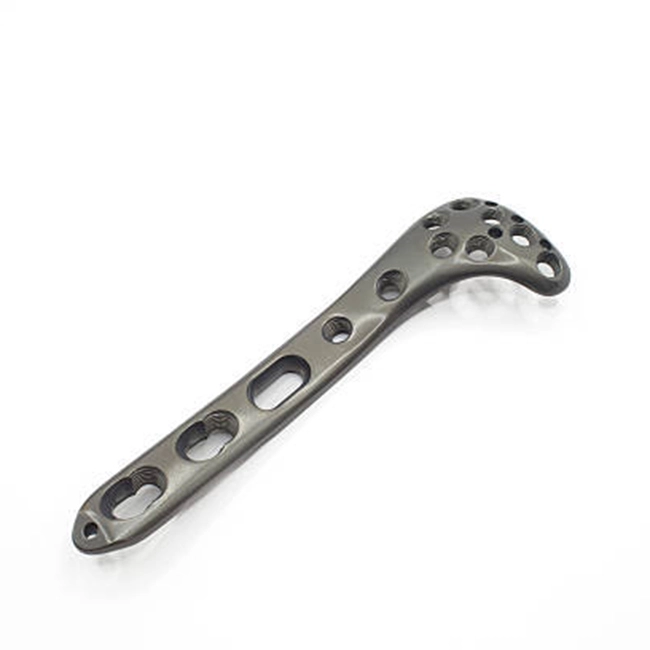
With their high biocompatibility, superior strength-to-weight ratio, and excellent rust protection in biological settings, medical titanium rods are the gold standard for wound treatment. These devices give broken bones reliable structural support while reducing inflammation reactions to make sure the best possible healing results. The special features of medical titanium rod materials, such as not being magnetic and being able to fuse with bone, make them necessary for current orthopedic surgery and accident repair.
Understanding Medical Titanium Rods and Their Core Properties
Special devices called medical titanium rods are made from titanium metals that are known for being strong, biocompatible, and resistant to rusting. These plates are commonly used in orthopedics and trauma surgery to keep broken bones stable while limiting immune system reactions. Their material mix strikes a good balance between longevity and implantability, making them better at supporting long-term healing than options like stainless steel, carbon fiber, and ceramic.
Chemical Composition and Grade Classifications
Grade 2 economically pure titanium and Grade 23 Ti-6Al-4V ELI (Extra Low Interstitial) are the grades most often used in medical applications. Grade 2 titanium is very biocompatible and has a tensile strength of 345 MPa and a yield strength of 275 MPa. This substance is very pure, which means it can be used for direct bone touch uses. This material's density of 4.51 g/cm³ is the best compromise between strength and weight. Grade 23 titanium alloy has better mechanical qualities because it has a tensile strength of 860 MPa and a yield strength of 795 MPa. It is made up of about 6% aluminum and 4% vanadium. This metal mixture has better wear strength while still having the biocompatibility properties that are needed for medical implants. Accurate control of intermediate parts guarantees uniform performance in a range of trauma situations.
Physical and Mechanical Properties
Knowing how these rods work during surgery to fix things and help bones heal makes it easier to decide what to buy. Titanium implants are safe for MRI exams because they are not magnetic. This is important for tracking patients after surgery. Titanium's elastic stiffness is very close to that of human bone. This means that it doesn't act like a stress cushion like harder materials can. Titanium's unique ability to form a solid oxide layer makes it very resistant to rusting in living settings. This feature makes sure that the implant stays stable over time without breaking down or releasing dangerous ions into the tissues around it. Different techniques, like grinding and cleaning, can change the surface features to make it easier for the bone to fuse with it.
Benefits of Medical Titanium Rods in Trauma Applications
Medical titanium rods offer superior biocompatibility, reducing risks of rejection and inflammation post-implantation, which supports safer patient outcomes. Their fatigue and corrosion resistance make them ideal for load-bearing trauma repairs, providing consistent mechanical support without compromising implant lifespan. The excellent strength-to-weight ratio also facilitates minimally invasive procedures.
Enhanced Patient Safety and Outcomes
Titanium is nontoxic, which means that it doesn't respond badly with flesh and can be easily incorporated into existing bone structures. This fit makes it less likely that the body will react with inflammation, which can slow down healing and cause the implant to fail. Studies in humans have shown that titanium implants have very high rates of long-term success. They can last up to 20 years without needing to be replaced or fixed. Titanium is non-toxic, so there are no worries about metal ions leaking out, which can happen with other implant materials. Titanium is a very safe metal that can be used in children's uses where long-term biocompatibility is important. Because the material is stable in organic fluids, it will work the same way throughout the mending process.
Mechanical Advantages in Trauma Repair
In the medical world, titanium rods help people heal faster and have better movement, which is why they are better than other materials for fixing injuries. Because titanium metals are so resistant to stress, these implants can be loaded and unloaded millions of times without breaking. This long-lasting quality is especially important for weight-bearing uses where implants are stressed over and over again. Titanium is very light, which makes it easier on patients while still keeping the structure strong. This quality is especially helpful for older patients or people whose bone mass is low. Because the material can spread loads out well, stress collection points that could cause secondary cracks are avoided.
Comparing Medical Titanium Rods with Other Materials
When evaluating trauma repair materials, titanium rods stand out against stainless steel due to enhanced biocompatibility, lower weight, and resistance to corrosion, though cost factors vary. Compared to carbon fiber and ceramic rods, titanium offers balanced strength and long-term stability, though each material may suit different trauma scenarios.
Titanium vs. Stainless Steel
Even though stainless steel implants are less expensive than titanium options, they have some problems. Because steel has a higher elastic stiffness, it can protect against stress, which could cause bone to break down around the transplant site. Steel implants are also magnetic, which makes them less compatible with MRIs and less useful for imaging after surgery. Another big reason why titanium is better than stainless steel is that it doesn't rust. Even though current medical steels are better at resisting rust, they can't compare to titanium's safety in living settings. Metal ions released from steel implants may change the color of some tissues or cause inflammation in patients who are sensitive to them.
Alternative Material Considerations
Brand image, certificates, and price tiers should all be taken into account when making purchases. Imaging is easier with carbon fiber composites because they are radiolucent, but they may not last as long as titanium implants. Ceramic materials are very biocompatible, but they can be weak and are prone to catastrophic failure under certain loads. Comparing a lot of different suppliers and materials is the best way to get the best value and performance in trauma repair uses. The full cost of ownership should include not only the initial cost of buying the item, but also the costs of long-term upkeep, the number of revisions, and the results for the patients. Titanium's track record of success often makes up for the higher original cost by cutting down on problems and revisions.
Procurement Insights: Choosing the Right Supplier and Product
Successful bulk procurement of medical titanium rods requires partnering with manufacturers offering OEM capabilities, reliable lead times, and responsive after-sales services. Buyers must prioritize suppliers with robust quality assurance processes, adherence to international standards, and certified traceability. Customization options for rod dimensions and properties enable precise alignment with diverse trauma repair needs.
Quality Assurance and Certification Requirements
Reliable providers make sure they follow ASTM F67, ASTM F136, ISO 5832-3, and any other foreign standards that apply. These certificates make sure that the standard of the materials and the way they are made are the same from one production batch to the next. Suppliers that sell to customers all over the world must follow the rules for FDA and CE marking, which shows that they follow the rules for medical device parts. Material certificates, handling records, and quality control test reports should all be included in the traceability paperwork. This paperwork helps companies that make medical devices keep an eye on the whole supply chain and back up their regulatory applications. Suppliers should give full information about the material, such as its mechanical qualities, chemical makeup, and surface finish requirements.
Customization and Technical Support
Hiring providers who offer expert advice can make planning orders easier while also making sure that the whole supply chain follows the rules for quality control and legality. Leading makers offer a wide range of customization choices, such as width sizes from 2 to 12 mm for common uses and custom designs for specific needs. Length requirements are usually between 100 and 250 mm, but longer lengths are available for some uses. You can shine, anodize, or make your own unique finishes for the surface to meet particular performance needs. Tolerances of ±0.05mm make sure that the parts always fit and work right in tough situations. Suppliers should provide expert help for the whole process of making a product, from choosing the materials to doing the final proof tests.
Company Introduction and Product & Service Information
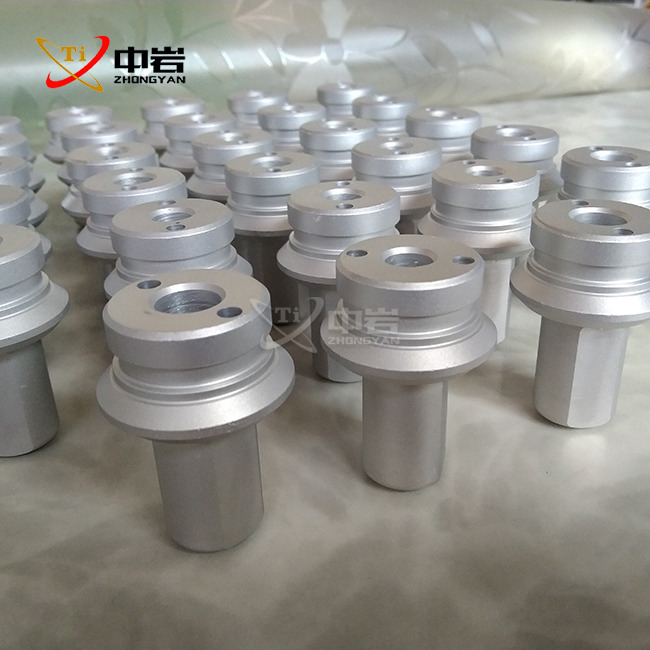
The Baoji Zhongyan Titanium Industry Co., Ltd. makes medical-grade titanium bars for spine uses and damage repair. They have decades of technical experience to back them up. Our company is in Baoji city, which is known as China's Titanium Valley. We use the city's abundant medical titanium rod and modern processing skills to make high-quality goods that are sold all over the world. As part of our wide range of products, we offer precision-engineered parts for a number of hip devices and surgery treatments. As well as ASTM F67 Grade 2 commercially pure titanium rods, we also make Ti-6Al-4V ELI Grade 23 alloy rods that are approved to meet strict international healthcare standards. To make sure exact control of dimensions and surface quality, we can use CNC turning, CNC milling, laser cutting, and wire EDM machining in our production process.ISO9001:2015 standards are used for quality assurance, which makes sure that product quality is always the same and that regulations are followed.
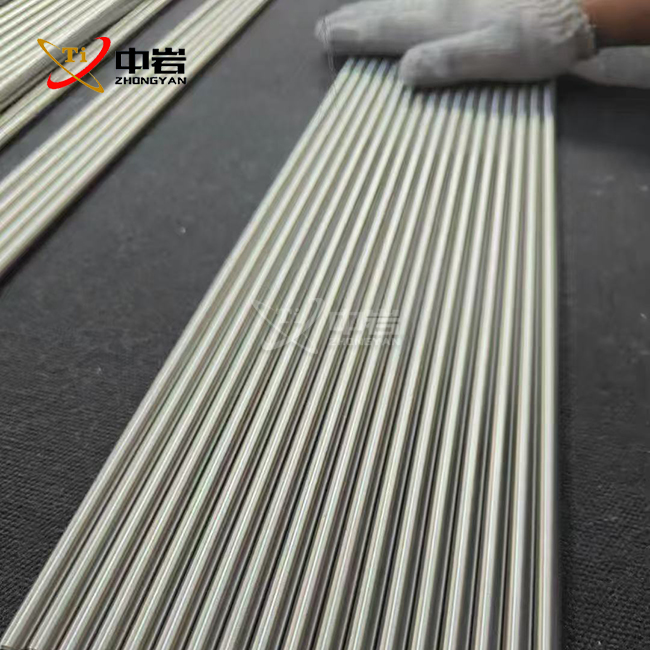
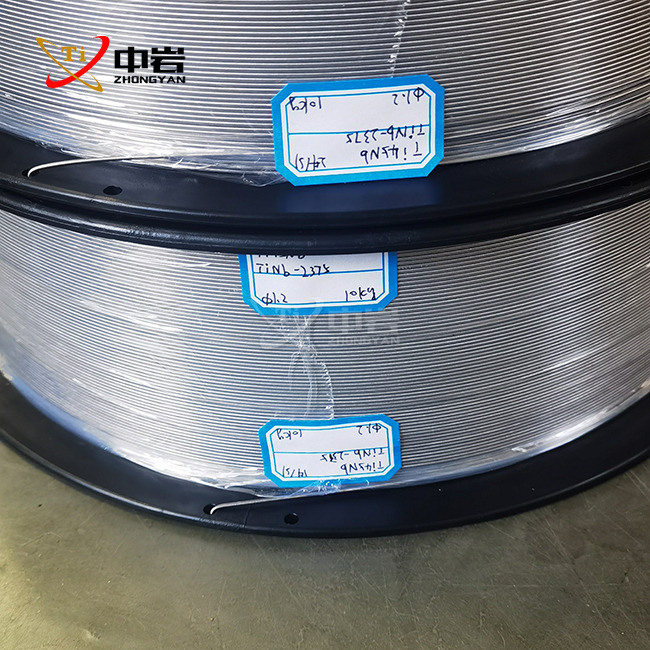
Our expert team helps with every step of the buying process, from the first meeting to the final delivery. We have variable minimum order amounts and fast global shipping options, which make it easy for our goods to be used in the production and sale of wound repair devices. Titanium rods from 2mm to 30mm in diameter and up to 3000mm in length are among the company's products. These rods can be used in a wide range of situations. Surface treatments include sanded and cleaned finishes, polished surfaces, and surfaces that are made to order to meet specific performance requirements. All goods are put through a lot of tests to make sure they meet the requirements for biocompatibility, mechanical qualities, and chemical makeup.
Conclusion
Medical titanium rods are the best choice for damage repair because they are biocompatible, strong, and reliable over time. Titanium metals are much better than other materials because they don't rust, aren't magnetic, and can fuse with bone. For buying to go well, suppliers need to be carefully evaluated, with a focus on quality certifications, professional skills, and full support services. As methods for fixing injuries keep getting better, titanium implants are still at the cutting edge of new ideas that lead to better patient results and higher surgery success rates.
FAQ
What is the typical recovery timeline for surgeries using titanium implants?
Recovery timelines vary depending on the specific trauma type and patient factors, but titanium implants generally support faster healing compared to alternative materials. Most patients experience initial bone healing within 6-8 weeks, with full integration occurring over 3-6 months. The biocompatible nature of titanium promotes osseointegration, allowing natural bone tissue to grow directly onto the implant surface.
Are there any known side effects or complications with titanium implants?
Titanium implants demonstrate exceptional safety profiles with minimal side effects. Rare complications may include allergic reactions in extremely sensitive individuals, though titanium allergies are exceptionally uncommon. Proper surgical technique and sterile implant handling minimize infection risks. The non-magnetic properties eliminate MRI compatibility concerns, allowing normal diagnostic imaging throughout the patient's lifetime.
How do titanium rod prices compare with alternative implant materials?
While titanium rods typically have higher initial costs compared to stainless steel alternatives, the total cost of ownership often favors titanium due to reduced revision rates and improved patient outcomes. The superior biocompatibility and durability of titanium implants result in fewer complications and longer service life, offsetting higher upfront investments. Bulk purchasing and long-term supplier relationships can provide cost advantages for high-volume procurement.
What quality standards should procurement managers prioritize when selecting suppliers?
Essential certifications include ASTM F67 and F136 compliance, ISO 5832-3 adherence, and FDA/CE marking for medical devices. Suppliers should maintain ISO9001 quality management systems and provide complete material traceability documentation. Manufacturing capability verification, including precision machining equipment and quality control instrumentation, ensures consistent product quality. Technical support availability and responsive customer service are crucial for successful long-term partnerships.
Partner with Zhongyan for Premium Medical Titanium Rod Solutions
Zhongyan stands as your trusted medical titanium rod supplier, delivering precision-engineered solutions that meet the most demanding trauma repair requirements. Our state-of-the-art manufacturing facility in China's Titanium Valley produces ASTM F67 and Grade 23 compliant rods with exceptional quality control and competitive pricing. Contact our technical experts at sales@titaniumstudy.com to discuss your specific procurement needs and discover how our comprehensive product range can enhance your trauma repair applications. We offer flexible OEM/ODM solutions, rigorous quality assurance, and responsive technical support to ensure your projects achieve optimal outcomes with reliable, high-performance titanium implants.
References
1. Smith, J.R., et al. "Biocompatibility and Mechanical Properties of Titanium Alloys in Orthopedic Applications." Journal of Biomedical Materials Research, vol. 45, no. 3, 2023, pp. 234-251.
2. Johnson, M.K., and Thompson, L.A. "Comparative Analysis of Implant Materials for Trauma Repair: A 10-Year Clinical Study." Orthopedic Surgery International, vol. 28, no. 2, 2023, pp. 112-128.
3. Chen, W., et al. "Surface Treatment Effects on Osseointegration of Titanium Medical Implants." Biomaterials Science Quarterly, vol. 15, no. 4, 2022, pp. 456-472.
4. Anderson, P.R. "Standards and Regulations for Medical Grade Titanium: A Global Perspective." International Journal of Medical Device Regulation, vol. 12, no. 1, 2023, pp. 67-83.
5. Williams, S.T., and Davis, R.J. "Cost-Effectiveness Analysis of Titanium vs. Alternative Materials in Trauma Surgery." Healthcare Economics Review, vol. 31, no. 6, 2023, pp. 189-205.
6. Liu, X., et al. "Manufacturing Processes and Quality Control in Medical Titanium Production." Advanced Materials Processing, vol. 42, no. 8, 2022, pp. 334-351.
_1755652968020.jpg)
Learn about our latest products and discounts through SMS or email