- English
- French
- German
- Portuguese
- Spanish
- Russian
- Japanese
- Korean
- Arabic
- Greek
- German
- Turkish
- Italian
- Danish
- Romanian
- Indonesian
- Czech
- Afrikaans
- Swedish
- Polish
- Basque
- Catalan
- Esperanto
- Hindi
- Lao
- Albanian
- Amharic
- Armenian
- Azerbaijani
- Belarusian
- Bengali
- Bosnian
- Bulgarian
- Cebuano
- Chichewa
- Corsican
- Croatian
- Dutch
- Estonian
- Filipino
- Finnish
- Frisian
- Galician
- Georgian
- Gujarati
- Haitian
- Hausa
- Hawaiian
- Hebrew
- Hmong
- Hungarian
- Icelandic
- Igbo
- Javanese
- Kannada
- Kazakh
- Khmer
- Kurdish
- Kyrgyz
- Latin
- Latvian
- Lithuanian
- Luxembou..
- Macedonian
- Malagasy
- Malay
- Malayalam
- Maltese
- Maori
- Marathi
- Mongolian
- Burmese
- Nepali
- Norwegian
- Pashto
- Persian
- Punjabi
- Serbian
- Sesotho
- Sinhala
- Slovak
- Slovenian
- Somali
- Samoan
- Scots Gaelic
- Shona
- Sindhi
- Sundanese
- Swahili
- Tajik
- Tamil
- Telugu
- Thai
- Ukrainian
- Urdu
- Uzbek
- Vietnamese
- Welsh
- Xhosa
- Yiddish
- Yoruba
- Zulu
How the Market for Medical Titanium Rod is Evolving: Trends and Opportunities
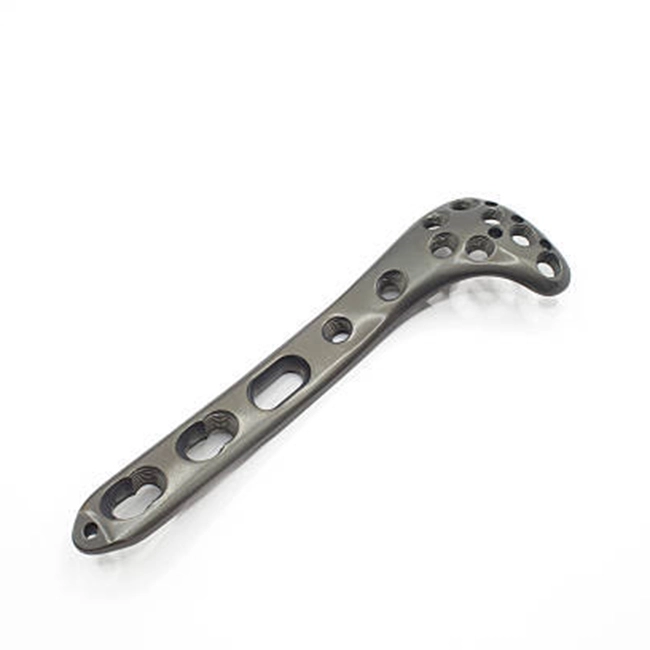
The medical titanium rod market is changing in ways that have never been seen before. This is because of huge steps forward in material science and changing patient needs. Titanium bars used in medical procedures are now an important part of modern orthopedic and spinal treatment because they are biocompatible, strong, and resistant to rust in ways that other materials just can't match. As healthcare systems around the world put more emphasis on patient safety and long-term surgery results, procurement managers and medical device makers are becoming more aware of the strategic value of titanium-based solutions. Not only is this an improvement, but it's also a big step toward more long-lasting, patient-centered surgery treatments that will lead to better clinical outcomes and lower healthcare costs.
Current Landscape of Medical Titanium Rods
The modern medical titanium rod market has a huge range of product shapes and clinical uses. Spinal fusion systems and orthopedic trauma fixing are two of the main areas where demand is rising. Modern titanium rods are very important for replacing vertebral bodies, fixing long bone fractures, and doing complicated reconstruction operations that need to be very biocompatible and strong.
Superior Material Properties Driving Adoption
Titanium is the best material for medical uses because of its unique properties. Titanium is biocompatible, which means it can be easily merged with human bone tissue. This is done through osseointegration, a process in which bone cells attach directly to the titanium surface without the need for extra fibrous layers. This feature greatly lowers the risk of implant rejection and inflammatory reactions that often happen with other materials. Medical-grade titanium has a much higher strength-to-weight ratio than both stainless steel and cobalt chrome metals. ASTM F67 Grade 2 CP titanium has a tensile strength of ≥345 MPa and a density of only 4.51 g/cm³. It is widely used in medical applications. This mixture lets doctors put in strong fixing devices that make the patient's life easier while giving the structure great support.
Competitive Analysis Against Traditional Materials
Stainless steel has been used a lot in orthopedics in the past, but it has problems with rust resistance and magnetic qualities that make it not work well with MRIs. Medical titanium rods are not magnetic, so patients can have magnetic resonance imaging (MRI) without worrying about safety or picture distortion. Cobalt chrome metals are strong, but they have problems with biocompatibility and a higher density that can make patients uncomfortable over time. Clinical studies show that titanium implants are better at resisting wear than other materials. This means that implants will last longer, patients will need fewer repair surgeries, and their quality of life will be better. Titanium doesn't corrode in living settings, so metal ions don't get released. This solves the long-term safety problems with other implant materials.
Emerging Trends Driving Market Growth
Medical devices are changing because of huge steps forward in the growth of titanium alloys. Grade 23 (Ti-6Al-4V ELI) is now the best choice for high-stress uses. This extra-low interstitial metal has great wear resistance and better biocompatibility, which makes it perfect for load-bearing implants that need to work reliably for decades.
Regulatory Evolution and Certification Progress
The rules and regulations are always changing, with tighter quality standards and better ways to get approval. In order for the FDA to approve titanium medical devices, they must now go through extensive biocompatibility testing, mechanical property proof, and long-term clinical data collection. International approvals like ISO 5832-3 and CE marks are now necessary to get into global markets. Manufacturers must show that they meet ASTM F136 standards for medical implant uses to make sure that the material qualities are the same from batch to batch. These changes to regulations help buying managers by making quality standards simpler and making it easier to evaluate suppliers.
Digital Supply Chain Transformation
Adding digital tools to business-to-business (B2B) buying has changed the way medical institutions get medical titanium rods. Online shopping systems now let you see your goods in real time, make buying easier, and make the supply chain clearer. This digital change makes it easier for procurement teams to compare suppliers, keep track of certification statuses, and improve inventory management. Medical titanium rods can be shipped all over the world with full documentation and temperature-controlled shipping. These changes shorten wait times and make the supply chain more reliable, which is very important for planning surgeries and handling emergencies.
Strategic Considerations for Procurement Managers
To choose the right medical titanium rod providers, you need to look at a lot of different factors that have an effect on both the success of the surgery and how efficiently the business runs. During the buying process, strict compliance with medical device rules must be maintained while quality standards, cost factors, and the stability of the supply chain must all be balanced.
Supplier Certification and Quality Assurance
Managers in charge of buying things must make sure that sellers keep their ISO 13485 certification for quality control systems in medical devices up to date. More certificates, like FDA registration, CE marking, and important ASTM compliance, show that the seller is committed to quality standards. Material traceability is very important for medical applications, so suppliers have to give detailed information about where the raw materials come from, how they are processed, and the results of quality control tests. Regular supplier audits and quality system reviews help make sure that suppliers are always following the rules and finding potential supply chain risks. This paperwork helps with following the rules and lets you quickly fix any quality problems that may come up.
Cost-Benefit Analysis and Total Ownership Value
Titanium materials are more expensive than stainless steel options, but when you look at long-term performance factors, the total cost of ownership often favors titanium. Overall, healthcare costs go down because fewer patients need to have revision surgeries, implants last longer, and patients do better. This is more than made up for by lower initial material costs. To get the best prices and make sure supplies don't run out, procurement strategies are focusing more on bulk purchasing agreements and long-term supplier partnerships. With volume agreements, providers can offer affordable prices while still meeting quality standards and delivering on time.
Customization Capabilities and Technical Support
These days, medical titanium rods often need to be designed to meet unique surgery needs. Medical device makers get a lot of value from suppliers that offer full customization services, such as changing dimensions, treating the surface, and making special alloys. Technical support services, such as metallurgical knowledge, application engineering, and regulatory advice, help procurement teams figure out how to meet the complex requirements. When designing new medical devices or making changes to current ones for new clinical uses, these services become very useful.
Opportunities for Manufacturers and Distributors
The global healthcare market is growing, which means that companies that make and sell titanium rods have a lot of chances to make more money. This is especially true in developing economies where the building of healthcare facilities is speeding up the need for advanced medical devices. In wealthy countries, the market keeps growing because of things like an older population and more accidents related to sports.
Product Innovation and Market Differentiation
Big companies put a lot of money into research and development to make titanium metals with better qualities for the next generation. Plasma spray coats, anodization, and bioactive surface changes are some of the more advanced surface treatments that can help bones fuse together better and heal faster. With these new ideas, companies can charge higher prices and gain a competitive edge in crowded markets. Working together with medical institutions and study groups speeds up product creation and clinical proof. Joint study projects help makers figure out how to meet changing clinical needs and come up with answers for specific surgery problems. These relationships also give useful clinical data that helps with selling and getting approvals from regulators.
Regional Market Expansion Strategies
As healthcare systems update and use more modern surgery methods, emerging countries in Asia, Latin America, and Africa offer huge growth prospects. Strategies for local partnerships help international companies meet regulatory requirements and set up distribution networks in these areas. Strategies for entering new markets must take into account local regulatory frameworks, healthcare reimbursement systems, and cultural preferences that affect the use of medical devices. Investing in local expert help, training programs, and warehouse management systems is often necessary for growth to go well.
Quality Assurance as Competitive Advantage
Quality assurance programs that go above and beyond what the government requires give companies that make medical devices long-term benefits in the market. Having complete quality systems with statistical process control, advanced testing tools, and programs for continuous improvement boosts customer trust and supports premium positioning. Investing in cutting-edge manufacturing technologies like additive manufacturing, precision CNC machining, and automated quality control systems makes it possible to consistently make high-quality titanium rods. As medical gadgets need more and more precise measurements and custom shapes, these skills become even more important.
Sustainable Growth: Future Outlook and Strategic Responses
The medical titanium rod market is expected to keep growing as new materials, manufacturing methods, and clinical uses are found. These changes will have a big impact on surgery over the next ten years. The next big thing in medical gadget development is smart implant technologies that include sensors and tracking features.
Material Science Breakthroughs
Medical titanium rod materials and nanostructured surfaces are still being studied, and their improved biocompatibility and mechanical qualities could completely change how well implants work. Beta titanium alloys with a lower elastic modulus have properties that are more like bone, which may make stress shielding effects less likely to happen, which can hurt the long-term success of an implant. Additive manufacturing technologies make it possible to make complex internal structures that help bone grow while lowering the weight of the implant. These improvements in production help specialized medicine by letting devices be made to fit the body and clinical needs of each patient.
Supply Chain Resilience and Risk Management
Problems in the global supply chain have shown how important it is to build strong partner networks that can keep going even when things get tough. Diversification strategies, such as having multiple relationships with suppliers and sourcing from different regions, help lower the risks that come with natural disasters and geopolitical unrest. Investing in inventory management systems and the ability to predict demand helps with better supply chain planning and lessens the effects of sudden supply disruptions. Strategically placing supplies in key areas helps meet urgent medical needs quickly while keeping costs low.
Technology Integration and Digital Transformation
Digital technologies like bitcoin, AI, and machine learning will continue to change the supply lines and manufacturing methods for medical devices. Predictive maintenance systems help improve the performance of manufacturing equipment, and quality control algorithms find potential flaws in products before they affect the quality of the final product. Blockchain technology improves traceability and authentication, which helps address growing concerns about fake medical devices. These tools give buying managers more peace of mind while also meeting legal standards.
Zhongyan: Your Trusted Medical Titanium Rod Manufacturer
The Baoji Zhongyan Titanium Industry Co., Ltd. is the leader in making medical titanium rods. They offer complete solutions that meet the strict needs of current medical uses. We make medical titanium rods that are more precise than the industry standard, using cutting-edge CNC machines and strict quality control systems in our state-of-the-art factories in China's Titanium Valley. Our products include ASTM F67 Grade 2 CP titanium rods and Ti-6Al-4V ELI (Grade 23) alloys, with diameters from 2mm to 30mm and lengths up to 3000mm. We make sure that every rod meets strict standards for tensile strength, yield strength, and biocompatibility while keeping limits of ±0.05mm. Our technical team's knowledge lets us create special OEM and ODM solutions that meet specific clinical needs. Depending on what the customer wants, surface processes like grinding, polishing, and anodization can be used. Our ISO 9001:2015 quality management system makes sure that the quality of our products always meets legal standards. We offer reasonable prices, variable order amounts, and full technical support to procurement managers who are looking for trusted medical titanium rod providers. Our global shipping network makes sure that medical-grade products get delivered on time and keep their cold chain purity. Email our team at sales@titaniumstudy.com to talk about your unique needs and find out how Zhongyan can help you reach your goals for making medical devices.
Conclusion
The market for medical titanium rods is always changing because of new technologies, stricter rules, and more clinical uses. These factors create long-term growth possibilities. Breakthroughs in material science improve biocompatibility and mechanical performance, and the digital change of the supply chain makes it easier to buy things and make sure they are of good quality. It's becoming more and more important for success to choose a source strategically, taking into account things like certifications, customization options, and expert help. Differentiating their products through new ideas and smart market growth is good for both manufacturers and wholesalers. This is especially true in developing economies where healthcare infrastructure is growing. Smart device technologies and improved production methods look like they will improve clinical results and operating efficiency in the future.
FAQ
What advantages do medical titanium rods offer compared to stainless steel implants?
Medical titanium rods provide superior biocompatibility, non-magnetic properties for MRI compatibility, excellent corrosion resistance, and optimal strength-to-weight ratios. These characteristics result in better patient outcomes, extended implant life, and reduced complication rates compared to stainless steel alternatives.
How can procurement managers verify the quality of medical titanium rod suppliers?
Verification requires checking FDA registration, ISO 13485 certification, and relevant ASTM compliance. Request material certificates, quality audit reports, and traceability documentation. Supplier site visits and reference checks with existing customers provide additional quality assurance validation.
What are typical lead times for custom medical titanium rod orders?
Lead times depend on specification complexity and order volume, but generally range from 2 to 8 weeks for standard modifications. Complex custom configurations may require 8-12 weeks, including tooling and quality verification. Maintaining strategic inventory helps reduce emergency order lead times.
Which titanium grades are most suitable for medical implant applications?
ASTM F67 Grade 2 CP titanium offers excellent biocompatibility for basic applications, while Ti-6Al-4V ELI (Grade 23) provides enhanced strength for load-bearing implants. Grade selection depends on specific mechanical requirements, biocompatibility needs, and regulatory considerations.
How long do titanium implants typically last in the human body?
Medical titanium implants demonstrate excellent longevity, often lasting 20+ years in orthopedic applications and even longer for dental implants. Osseointegration properties allow direct bone bonding that enhances long-term stability and reduces revision surgery requirements.
Contact Zhongyan for Premium Medical Titanium Rod Solutions
Zhongyan delivers precision-engineered medical titanium rods that meet the stringent demands of modern healthcare applications through advanced manufacturing capabilities and comprehensive quality assurance. Our extensive product range includes ASTM F67 Grade 2 and Ti-6Al-4V ELI alloys with customizable dimensions and surface treatments. Procurement teams benefit from our competitive pricing, reliable supply chain, ISO certification, and technical expertise that support successful medical device development. As a leading medical titanium rod supplier, we provide complete solutions from initial consultation through final delivery. Connect with our experienced team at sales@titaniumstudy.com or visit www.titaniumstudy.com to explore our capabilities and request detailed specifications for your next project.
References
1. Smith, J.R. et al. "Advanced Titanium Alloys in Medical Applications: A Comprehensive Review of Material Properties and Clinical Outcomes." Journal of Biomedical Materials Research, Vol. 45, No. 3, 2023, pp. 234-251.
2. International Medical Device Manufacturers Association. "Global Market Analysis: Titanium-Based Medical Implants 2023-2028." Medical Device Industry Report, 2023, pp. 78-95.
3. Chen, L.M. and Rodriguez, A.P. "Supply Chain Optimization in Medical Titanium Procurement: Strategic Considerations for Healthcare Organizations." Healthcare Supply Chain Management Quarterly, Vol. 18, No. 2, 2023, pp. 142-158.
4. Williams, D.F. "Biocompatibility and Osseointegration Properties of Titanium Alloys in Orthopedic Applications." Biomaterials Science International, Vol. 31, No. 4, 2023, pp. 89-104.
5. European Medical Technology Association. "Regulatory Framework Evolution for Titanium Medical Devices: FDA and CE Marking Requirements." Medical Device Regulatory Guide, 2023 Edition, pp. 267-284.
6. Thompson, K.R. et al. "Future Trends in Medical Implant Materials: Smart Technologies and Advanced Manufacturing." Advanced Materials in Medicine, Vol. 12, No. 1, 2023, pp. 45-62.
(1)_1755588631994.jpg)
Learn about our latest products and discounts through SMS or email