- English
- French
- German
- Portuguese
- Spanish
- Russian
- Japanese
- Korean
- Arabic
- Greek
- German
- Turkish
- Italian
- Danish
- Romanian
- Indonesian
- Czech
- Afrikaans
- Swedish
- Polish
- Basque
- Catalan
- Esperanto
- Hindi
- Lao
- Albanian
- Amharic
- Armenian
- Azerbaijani
- Belarusian
- Bengali
- Bosnian
- Bulgarian
- Cebuano
- Chichewa
- Corsican
- Croatian
- Dutch
- Estonian
- Filipino
- Finnish
- Frisian
- Galician
- Georgian
- Gujarati
- Haitian
- Hausa
- Hawaiian
- Hebrew
- Hmong
- Hungarian
- Icelandic
- Igbo
- Javanese
- Kannada
- Kazakh
- Khmer
- Kurdish
- Kyrgyz
- Latin
- Latvian
- Lithuanian
- Luxembou..
- Macedonian
- Malagasy
- Malay
- Malayalam
- Maltese
- Maori
- Marathi
- Mongolian
- Burmese
- Nepali
- Norwegian
- Pashto
- Persian
- Punjabi
- Serbian
- Sesotho
- Sinhala
- Slovak
- Slovenian
- Somali
- Samoan
- Scots Gaelic
- Shona
- Sindhi
- Sundanese
- Swahili
- Tajik
- Tamil
- Telugu
- Thai
- Ukrainian
- Urdu
- Uzbek
- Vietnamese
- Welsh
- Xhosa
- Yiddish
- Yoruba
- Zulu
Why GR2 Titanium Hex Bars Are Popular for OEM Applications?

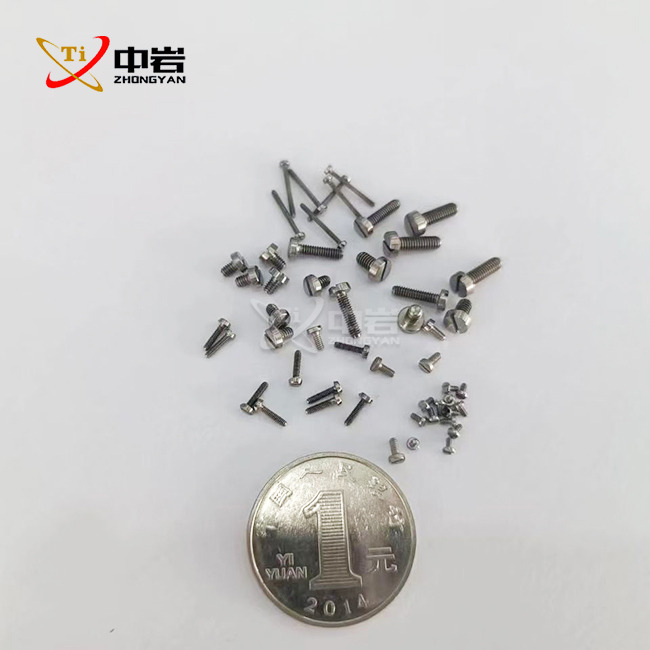
OEM makers choose GR2 titanium hex bar over standard alloys because they work better in harsh, high-stress situations where alloys tend to break down early. These hexagonal-profile bars are made from commercially pure Grade 2 titanium and meet ASTM B348 and ISO 5832-2 standards. They solve three problems that have been around for a long time: fasteners that gall and seize when torqued, materials that break down quickly in chloride-rich environments, and parts that are too heavy in weight-sensitive assemblies. The triangular shape makes it easier to use a wrench and cuts down on the time needed to machine bolts, nuts, and special fittings, which is a design benefit that round bar stock can't match.
Understanding GR2 Titanium Hex Bars: Properties and Specifications
Defining Grade 2 Titanium Within the Grading System
Grade 2 titanium is the most highly defined unalloyed titanium in the world. It is the only commercially pure (CP) titanium in its family. Unlike alloyed grades like Grade 5 (Ti-6Al-4V), the GR2 titanium hex bar doesn't have much aluminum or vanadium in it. Instead, its mechanical properties come from a controlled oxygen level (0.25% maximum). This puts it between Grade 1 (softer, more moldable) and Grade 3 (stronger, less bendable), which gives engineers the best mix of being able to work with it and making sure it stays strong. The hexagonal cross-section is usually made by cold drawing, and it keeps its tight dimensional limits of h9 grade, which ensures that automatic assembly operations fit perfectly. Our factory in Baoji makes GR2 titanium hex bar that meets both ASTM B348 and ISO 5832-2 standards. Each batch is linked to its original ingot heat number with tracking documents. This dual-standard compliance meets the needs of both North American aircraft contracts and European medical device rules at the same time.
Mechanical Properties That Matter in OEM Applications
The mechanical properties of GR2 titanium hex bar directly deal with technical problems that happen in the real world. Standard requirements say that the minimum tensile strength should be 345 MPa and the minimum yield strength should be 275 MPa. However, premium-grade materials that have been controlled cold-worked can reach tensile strengths of up to 900 MPa and yield strengths of up to 850 MPa. This better performance comes from the finer grain structure and exact annealing processes that our production team sets up based on what the customer wants. Standard material has elongation values above 20%, and even high-strength versions keep them above 10%. This gives the flexibility needed for cold-heading processes when making special fasteners. When the temperature changes, the modulus of elasticity at 114 GPa stays the same. This stops the dimensional creep that happens with polymer options in settings with frequent temperature changes. Standard material has a hardness range of 160 to 220 HV. For wear-resistant uses like pump shafts in gritty slurries, a special heat treatment can raise the hardness to 36 HRC.
Corrosion Resistance Compared to Alternative Metals
Titanium's surfaces naturally form a passive oxide layer that protects them from rusting in ways that stainless steel and aluminum can't in harsh chemical conditions. In tests where the samples are immersed in static seawater for 10 years, the GR2 titanium hex bar shows no measurable rust, while 316L stainless steel fails due to crevice corrosion within 18 to 24 months under the same conditions. When figuring out how long to maintain remote equipment or parts of a desalination plant, this difference in performance becomes very important from an economic point of view. When working with wet chlorine gas, ferric chloride solutions, or bleaching compounds in chemical processes, GR2 titanium hex bar keeps the structure strong, while Hastelloy metals are the only other option, but they cost four times as much. Commercially pure titanium is not magnetic (paramagnetic classification), which eliminates interference issues in MRI-compatible surgery tools and jigs used in electronics manufacturing. In these situations, even "non-magnetic" stainless grades cause too much field distortion, which is not acceptable.
Grade Distinctions: GR2 vs. GR5 vs. CP Titanium
Buying choices often depend on being able to tell the difference between titanium types in real life, not just from their specification sheets. Grade 2 and Grade 5 (Ti-6Al-4V) are used for very different engineering tasks. GR2 titanium hex bar works best in settings with a lot of corrosion and mild mechanical loads, while GR5 is best for high-stress structural uses where environmental exposure needs to be managed. The difference in machinability is big—Grade 2 can be machined 40% faster than Grade 5, which cuts down on CNC cycle times and tool wear costs when making complex shapes.
Why OEMs Prefer GR2 Titanium Hex Bars: Benefits and Applications
Lightweight Durability That Transforms Product Design
When compared to steel fasteners, the GR2 titanium hex bar is 45% lighter, which directly leads to better fuel economy in aircraft uses and less unsprung mass in car suspension systems. When racing teams machine lug nuts from hex stock, they can improve lap times because the nuts have less spinning inertia. On the other hand, aerospace engineers choose titanium hydraulic fittings to keep next-generation planes' weight within strict limits. With a density of 4.43 g/cm³, a 1000mm long hex bar with a 10mm diameter weighs about 2.5 kg. This is a big number when you consider that there are hundreds of these screws in one unit.
Corrosion Immunity Reducing Total Cost of Ownership
A study of maintenance costs shows that GR2 titanium hex bar screws and fittings are actually more cost-effective. When chlorine is used, a chemical company that specifies stainless steel valve stems has to change them every 8 to 12 months. This costs a lot of money in material costs and process downtime, which costs thousands of dollars per hour. If you switch to titanium hex bar-machined stems, the service life goes beyond 10 years, so you don't have to do this repair cycle anymore. Titanium is the best material for connecting hardware in advanced aircraft structures because it doesn't cause damaging electrochemical reactions when it comes into contact with carbon fiber composites. Aluminum fasteners, on the other hand, do this.
Biocompatibility Enabling Medical Innovation
The medical device industry values the GR2 titanium hex bar's ability to fuse with bone and work well with the immune system. Surgical instrument makers make unique tools from hex bar stock. The hexagonal shape is useful for making instrument handles that don't turn during treatments. Because the material is non-toxic, it can be sterilized using chemicals, autoclaving, or gamma rays without breaking down. This is something that polymer options can't do.
Real-World Applications Across Industrial Sectors
Aerospace hardware makers rely on GR2 titanium hex bar stock to make AN-specification bolts and MS-standard nuts that hold important airplane parts in place. The hexagonal shape makes automatic wrenching possible during assembly, and the material's fatigue resistance means that passenger door systems can handle millions of pressure cycles. Marine propulsion companies make propeller shaft couplings from hex bars that are too big because the stock doesn't wear down easily when high-speed seawater runs through it. Precision-ground hex bars are used as material in thin-film deposition systems for electronics sputtering target production, which is a growing market. The material's uniformity and controlled grain structure make sure that the melting properties are the same, which is important for making sure that the quality of semiconductors is consistent. Chemical processing plants use GR2 titanium hex bar stock to make reactor shields and agitator shafts because titanium doesn't crack under stress in hot, acidic solutions, while even rare nickel metals do.
GR2 Titanium Hex Bar vs. Competing Materials: A B2B Procurement Perspective
Strength-to-Weight Performance Driving Long-Term Value
When you directly compare the costs of GR2 titanium hex bar and stainless steel screws, it seems like titanium is three to four times more expensive. Lifecycle cost analysis shows a different picture: titanium parts often have 40% lower total costs over a 10-year operating period when replacement frequency, installation labor, and downtime costs are taken into account. A petroleum plant saved $180,000 a year by switching heat exchanger tube bundle fixings from 316 stainless steel to Grade 2 titanium. The extra $22,000 in material costs was paid for in four months by not having to shut down for maintenance. Because of the lighter weight, shipping costs go down when finished parts are sent abroad. A company that makes auto parts and ships racing suspension parts around the world cut freight costs by 18% when they switched from steel to GR2 titanium hex bar for control arm fasteners. The product also performed better, which led to higher prices in motorsport markets.
Corrosion Resistance Justifying Premium Investment
When procurement teams look at different materials, they need to figure out how much rust failures cost in terms of more than just replacing parts. In chemical processing, a single unexpected stop usually costs between $50,000 and $200,000 per day in lost output. This is a lot more than the difference in cost between the GR2 titanium hex bar and cheaper materials. Grade 2 titanium parts have an expected service life of many decades, which means that maintenance can be planned around regular turnarounds instead of having to be done quickly when something breaks down because of corrosion. Insurance and safety concerns are becoming more and more important in choosing materials. Titanium's proven performance in safety-critical uses lowers risk, especially in medical implants and aircraft systems, where failures of materials lead to expensive lawsuits and recalls. Specifying GR2 titanium hex bars that are in line with ASTM B348 and having full material traceability gives quality testers and regulatory bodies the documentation chain they need.
GR2 vs. GR5: Matching Material to Application Requirements
When choosing between Grade 2 and Grade 5 titanium, the type of load and the surroundings play a big role. Grade 5 has a higher tensile strength (minimum 895 MPa vs. 345 MPa), which makes it necessary for aircraft structure fasteners that carry flight loads. However, this strength advantage doesn't matter in chemical pump uses where corrosion resistance is the main cause of failure. Because the GR2 titanium hex bar is better at being cold shaped, it can be used for thread rolling processes that work-harden the material. This makes it stronger in certain areas without making it harder to machine than Grade 5 alloy.
How to Source and Procure GR2 Titanium Hex Bars for Your OEM Business
Identifying Certified Suppliers With Verifiable Credentials
Verification of factory certifications, not marketing promises, is the first step in qualifying a supplier. Getting ISO 9001:2015 approval shows that your quality management system is mature, and getting NADCAP accreditation (for aerospace providers) shows that you follow the rules for your industry. Ask for copies of material test certificates (MTC) that meet the requirements of EN 10204 3.1. These papers must show the real test results for each production lot of GR2 titanium hex bar, not just a set of generic specifications.
Key Supplier Trust Signals for B2B Decision-Makers
In addition to certifications, you should also look at how responsive the seller is to technical questions and how flexible their output is. Can the maker help with the engineering side of choosing materials? Do they keep enough stock on hand to handle emergency orders without losing quality by making things too quickly? Metallurgists with experience in the aerospace business are on our expert team. They can suggest the best heat treatment processes for different uses and help customers with any fabrication problems that come up during machining operations.
MOQ, Custom Services, and Lead Time Considerations
Different sellers have very different minimum order amounts. For some, it's only 50 kg, but for direct mill sales, it's several tons. Knowing how much GR2 titanium hex bar you use and how much space you have for storage can help you choose the right order size. Having too much inventory can tie up capital, while not having enough inventory can cause production delays. We can handle both small orders for prototypes and large production runs that fill a container. Our MOQ terms are open so that they reflect what the customer actually needs, not just arbitrary buying hurdles.
Pricing Frameworks and Negotiation Strategies
Titanium prices change with the world metal market. Price changes are linked to cycles in aircraft demand and the supply of raw sponge. Setting up framework deals with price change terms that are linked to public indices (like Platts titanium sponge pricing) helps keep fair market relationships and budgets stable. Tiered pricing systems for GR2 titanium hex bar are often unlocked by making large commitments. For example, when switching from spot purchases to annual contract amounts over 10 tons, prices usually drop by 20%.
Making the Rational Choice: Selecting the Best GR2 Titanium Hex Bar Solution
Evaluating Product Variants and Quality Markers
Different suppliers may offer GR2 titanium hex bar products that look the same, but small changes in the specifications have a big effect on how well they machine and the quality of the finished part. Controlling interstitial elements like oxygen, nitrogen, and carbon affects how flexible the material is and how well the surface can be finished. Tighter control costs more but makes precision parts better. Our process controls aim for an oxygen level of 0.18 to 0.22%, which is well below the maximum of 0.25%. This is done to get the best mix of strength and ductility for CNC machining.
Lifecycle Cost Analysis Beyond Initial Purchase Price
Smart buying choices look at the total cost of the acquisition instead of just the amount of the purchase order. A GR2 titanium hex bar that costs 15% more but is shipped cut to length cuts down on sawing labor, blade costs, and waste, which could lower the real cost by 8% even though the material is more expensive. Material consistency affects how well CNC programming works: stock with tight hardness regularity (±10 HV) lets you use the best cutting settings across production runs, while material that changes often needs slower speeds that make cycle times longer.
Building Strategic Supplier Relationships
When you buy things through a transactional connection, you miss out on the chances for continuous growth that come with strategic partnerships. Suppliers who care about their customers' success share scientific information about new alloys, better ways to do things, and new ways to use GR2 titanium hex bar from businesses that are adjacent to their own. We send out technical bulletins that tell customers about different ways to join titanium pieces, different ways to treat the surface, and case studies that show how titanium can be used in new ways. This information can help customer engineering teams come up with new products.
Conclusion
GR2 titanium hex bar products have proven to be the best choice for OEM makers who have to deal with harsh working conditions and strict weight limits. The commercially pure Grade 2 makeup protects against corrosion better than stainless metals, and the hexagonal shape makes the best use of material and improves the efficiency of machining when making important bolts and precision parts. When purchasing managers look at these materials through the lens of lifecycle cost instead of just buy price, they regularly find strong economic benefits along with better performance reliability. This guide explains technical specs, different uses, and sourcing options for materials. These details help you choose materials with confidence, taking into account both short-term budget needs and long-term operational needs. This gives OEM companies a competitive edge through smart materials engineering.
FAQ
What distinguishes GR2 from GR5 titanium hex bars?
GR2 is commercially pure titanium that is better at resisting rust and welding, while GR5 (Ti-6Al-4V) is a combination of aluminum and vanadium that has almost twice the tensile strength. GR2 titanium hex bar works best in chemical processing and sea settings where corrosion is a major cause of failure. GR5 is best for aircraft structural uses that need the highest strength-to-weight ratios. Machinability works better with GR2, which cuts 40% faster and wears tools less.
Can Grade 2 titanium hex stock be welded to stainless steel?
When you do direct fusion welding, you make weak titanium-iron intermetallic alloys that break the joint right away. For uses that need to connect the GR2 titanium hex bar to steel, you can use explosion bonding, mechanical fastening (using the hex bar as a pin), or bi-metal transition pieces. This metallurgical mismatch can be avoided with good joint design, which also keeps the integrity of the unit.
What maximum service temperature applies to GR2 titanium components?
When used continuously, the GR2 titanium hex bar keeps its structural features up to about 315°C (600°F). For short periods of time, it can handle 425°C. When these temperatures are exceeded, rust speeds up, and strength decreases greatly. For uses above 400°C, special titanium alloys or protective coating methods are needed to keep the metal from becoming weak and losing its shape.
Partner With Zhongyan for Premium GR2 Titanium Hex Bar Solutions
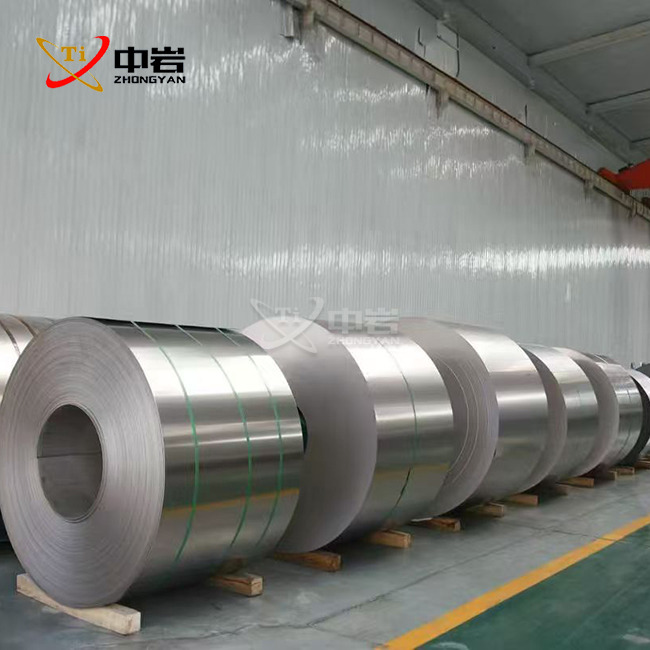
Zhongyan's factories in Baoji, which is the center of China's titanium production, use cutting-edge cold-drawing technology and strict quality control to make GR2 titanium hex bar stock that goes beyond ASTM B348 and ISO 5832-2 standards. Our CNC machining skills can turn raw hex bars into precise parts that meet your exact standards, so you don't have to coordinate with more than one source. We make GR2 titanium hex bars and unique parts, so we can help you with everything from choosing the right materials to delivering the finished product. Our ISO 9001:2015 certification and full material tracking back up our services. You can email our engineering team at sales@titaniumstudy.com to talk about your technical needs, get material test certificates, or get project-specific quotes with low bulk prices. Whether you need standard hex bar stock in lengths up to 6 meters or custom-machined parts for uses in aerospace, medicine, or chemical processing, our quick expert help and reliable supply chain performance will keep your production schedules intact.
References
1. American Society for Testing and Materials. (2021). ASTM B348-21: Standard Specification for Titanium and Titanium Alloy Bars and Billets. West Conshohocken, PA: ASTM International.
2. Boyer, R., Welsch, G., and Collings, E.W. (1994). Materials Properties Handbook: Titanium Alloys. Materials Park, OH: ASM International.
3. Donachie, M.J. (2000). Titanium: A Technical Guide, 2nd Edition. Materials Park, OH: ASM International.
4. International Organization for Standardization. (2018). ISO 5832-2:2018 - Implants for Surgery - Metallic Materials - Part 2: Unalloyed Titanium. Geneva: ISO Standards.
5. Schutz, R.W. and Thomas, D.E. (1987). "Corrosion of Titanium and Titanium Alloys." In Corrosion: Metals Handbook, 9th Edition, Volume 13. Materials Park, OH: ASM International, pp. 669-706.
6. Veiga, C., Davim, J.P. e Loureiro, A.J.R. (2012). "Properties and Applications of Titanium Alloys: A Brief Review." Reviews on Advanced Materials Science, 32(2), 133-148.
(1)_1755588522797.jpg)
_1755673729494.jpg)
Learn about our latest products and discounts through SMS or email