- English
- French
- German
- Portuguese
- Spanish
- Russian
- Japanese
- Korean
- Arabic
- Greek
- German
- Turkish
- Italian
- Danish
- Romanian
- Indonesian
- Czech
- Afrikaans
- Swedish
- Polish
- Basque
- Catalan
- Esperanto
- Hindi
- Lao
- Albanian
- Amharic
- Armenian
- Azerbaijani
- Belarusian
- Bengali
- Bosnian
- Bulgarian
- Cebuano
- Chichewa
- Corsican
- Croatian
- Dutch
- Estonian
- Filipino
- Finnish
- Frisian
- Galician
- Georgian
- Gujarati
- Haitian
- Hausa
- Hawaiian
- Hebrew
- Hmong
- Hungarian
- Icelandic
- Igbo
- Javanese
- Kannada
- Kazakh
- Khmer
- Kurdish
- Kyrgyz
- Latin
- Latvian
- Lithuanian
- Luxembou..
- Macedonian
- Malagasy
- Malay
- Malayalam
- Maltese
- Maori
- Marathi
- Mongolian
- Burmese
- Nepali
- Norwegian
- Pashto
- Persian
- Punjabi
- Serbian
- Sesotho
- Sinhala
- Slovak
- Slovenian
- Somali
- Samoan
- Scots Gaelic
- Shona
- Sindhi
- Sundanese
- Swahili
- Tajik
- Tamil
- Telugu
- Thai
- Ukrainian
- Urdu
- Uzbek
- Vietnamese
- Welsh
- Xhosa
- Yiddish
- Yoruba
- Zulu
Can Titanium Grade 5 Plates Be Used for Custom Fabrication?


Of course. Because they are so flexible and have great mechanical qualities, titanium grade 5 plates are used in a wide range of special manufacturing tasks. The tensile strength of the Ti-6Al-4V alloy is about 895 MPa, but its density is only 60% of steel. This makes it perfect for precise welding, cutting, and milling. This material has the strength-to-weight ratio and corrosion protection that hard manufacturing projects need, whether you're making parts for spacecraft, medical implants, or equipment for chemical processing. Because it can be heated and is biocompatible, it can be used for unique production in ways that aren't possible with other materials.
Understanding Titanium Grade 5 Plate for Custom Fabrication
Chemical Composition and Metallurgical Structure
The name Ti-6Al-4V shows how this workhorse alloy is put together: 6% aluminum, 4% vanadium, and titanium act as the base. As an alpha stabilizer, aluminum makes the hexagonal close-packed phase stronger and improves the mechanical qualities at room temperature. Vanadium is a beta stabilizer that helps the body-centred cubic phase form, which makes the metal more flexible and better at responding to heat treatment. This material is different from widely pure titanium types, which only have the alpha phase, because it has a two-phase microstructure. The alpha-beta structure is balanced, and it has a minimum tensile strength of 895 MPa and a yield strength of 828 MPa. This makes it about three times stronger than Grade 2 commercially pure titanium. The density stays at 4.43 g/cm³, which gives engineers an edge in terms of strength-to-weight that steel and many other metals can't match.
Key Performance Characteristics for Fabrication
Ti-6Al-4V is a great material for special production work because it has a lot of good performance qualities. The alloy stays strong at temperatures ranging from -252°C to 400°C, so it can be used in cold environments and exposed to mild heat. At 6.7 W/m·K, its thermal conductivity is still not very high. This makes it hard for heat to escape during cutting, but helps it work very well in thermal cycling settings. Another defining feature is its corrosion resistance. It creates a steady inactive oxide layer that shields against seawater, chloride environments, organic acids, and alkaline environments. This natural security means that extra coatings aren't needed in many situations, which lowers the cost of long-term upkeep. The fatigue strength and crack propagation resistance of the alloy make it even better for parts that are loaded and unloaded many times in aircraft and industrial machines.
Comparison with Other Titanium Grades
When looking at custom fabrication choices, it's important to know the differences between the different types of titanium. Grade 2 economically pure titanium is easier to shape and join than Grade 1, but it only has a tensile strength of 345 MPa, which is too low for high-stress structural uses. This grade, Ti-3Al-2.5V, is in the middle. It can be shaped better than Ti-6Al-4V, but it has a lower final strength. Grade 23, an extra-low interstitial (ELI) form of the same 6-4 composition, offers superior fracture resistance and is the preferred choice for medical implants requiring maximum reliability. In contrast, standard titanium grade 5 plate provides the best balance of strength, weldability, and cost-effectiveness for most custom fabrication tasks. Due to its wide availability and extensive manufacturing experience, it should be the first choice for specialists producing custom components.
Why Titanium Grade 5 Plate Is Ideal for Custom Fabrication
Exceptional Strength-to-Weight Performance
The best thing about Ti-6Al-4V alloy for unique construction is that it has a very high specific strength. Machined parts made from this material weigh about 40% less than similar steel parts, but they can still hold the same amount of weight or more. This decrease in weight directly leads to better fuel economy in aircraft use, easier portability for medical devices, and lower structure loads for industrial equipment. Design experts use this trait to make parts with complicated shapes that would not work with heavier materials. Being able to remove a lot of mass without affecting the structure's strength opens up improvement options that traditional materials can't handle. When making special braces, housings, or structural elements, the lower weight often makes up for the higher cost of the material through better performance over its lifetime.
Fabrication Process Adaptability
For custom manufacturing, you need materials that can be processed in a predictable way. The Ti-6Al-4V stock works well with several different manufacturing methods, though each one needs special attention. When factors are handled correctly, cutting with a laser, waterjet, or plasma keeps the material's properties. Because the material doesn't conduct heat well, care needs to be taken during thermal cutting to avoid problems with heat-affected zones. To keep the atmosphere from getting contaminated while welding Ti-6Al-4V, strict shielding rules must be followed. The weld zone, root side, and heat-affected areas must be protected by an inert gas, usually argon or helium. When the right steps are taken, gas tungsten arc welding (GTAW) and electron beam welding produce great results. Welded fabrications can be used for structural purposes because the weld joints keep about 90–95% of the power of the base material.
Industry-Proven Applications
Case studies from real life show how flexible the material is for unique manufacturing. A big aerospace company recently switched landing gear parts from steel to Ti-6Al-4V materials. This cut the weight by 45% while still meeting all structural standards. The custom-made parts are inspected regularly and have shown that their wear life is longer than that of the original steel designs. When making medical devices, this alloy is used to make special surgery tool trays that are strong and can be sterilized in an autoclave. The biocompatibility lets the material come into close contact with flesh during procedures, and the fact that it is not magnetic lets it be used in MRI rooms. A company that makes dental implants makes more than 50,000 unique abutments every month. Each one is CNC-made from Ti-6Al-4V stock to exact measurements for each patient.
Comparing Titanium Grade 5 Plates with Alternative Materials in Fabrication
Ti-6Al-4V Versus Commercially Pure Titanium
Often, procurement teams look to see if available pure titanium grades could meet their needs for manufacturing at a lower cost. Grade 2 titanium has a lot of benefits, including better resistance to corrosion in some chemical conditions, easier shaping for complicated forms, and less strict shielding standards for welding. It costs about 30 to 40 percent less than Ti-6Al-4V stock. In structural uses, on the other hand, the difference in strength is what matters. Because Grade 2 only has a tensile strength of 345 MPa, it can only be used for parts that are lightly loaded, pressure vessels that are not under critical stress, and situations where corrosion protection is more important than mechanical needs. Even though it costs more, Ti-6Al-4V is needed when parts are subjected to heavy mechanical loads, thermal cycles, or situations that cause them to wear out.
Stainless Steel and Aluminum Comparisons
Most of the time, experts choose stainless steel as an option. Although Grade 316 stainless steel is much more expensive (usually 60–70% less than Ti-6Al-4V), it is very good at resisting rust in many settings. Machinability is usually better than that of titanium, which lowers the cost of work for manufacturing. But because stainless steel has a density of 8.0 g/cm³, parts made of it are almost twice as heavy as titanium ones. This extra weight adds up over many units. Using stainless steel instead of titanium adds several kilograms to the weight of an aircraft frame with 500 fasteners. Over a 20-year working life, the effect on fuel use often outweighs the original cost savings on materials. When looking at corrosion-resistant materials for saltwater exposure in marine uses, lifetime costs are also taken into account.
Long-Term Value Assessment
When you only look at the initial purchase cost of a titanium grade 5 plate, you overlook important long-term factors. In corrosive environments, Ti-6Al-4V components often outlast alternative materials, resulting in significant savings on replacement and maintenance. For example, a chemical processing plant recorded 15 years of trouble-free operation with titanium heat exchangers, whereas stainless steel units required replacement every 6 to 8 years due to pitting corrosion. When titanium fabrications are used in marine applications, maintenance gaps get longer. Offshore platform workers say that titanium bolts and structural parts stay strong even after decades of being in saltwater, while coated steel options need to be inspected and replaced on a regular basis. Lower running costs and higher safety margins are the results of less repair work. Procurement Considerations for Custom Fabricated Titanium Grade 5 Plates
Quality Certification and Supplier Verification
When looking for Ti-6Al-4V material for custom fabrication, it's important to pay close attention to the qualifications of the seller and the approval of the material. Suppliers with a good reputation keep their ISO 9001:2015 approval as a minimum quality management standard. For aerospace uses, you need to have extra AS9100 approval, and to make medical devices, you need to be in line with ISO 13485. These certifications show that the methods used to make things have the right quality controls and tools for keeping track of them.
Custom Sizing and Processing Services
Standard plate sizes don't always match up perfectly with what's needed for fabrication. Top providers offer custom cutting services that give materials in almost net shapes, which cuts down on waste and machining time. Waterjet cutting is great for precision pieces because it keeps the material's qualities without adding heat-affected zones. Laser cutting speeds up the process for less difficult jobs, but the quality of the edges may need more work.
Pricing Structures and Order Optimization
The high cost of Ti-6Al-4V material is due to the complicated ways used to extract and treat it. The steps in the Kroll process that are used to make titanium require a lot of energy and set the base cost floor. Costs go up when alloys are added, vacuum arc remelting is done, and then hot working is done. Standard mill products usually cost between $25 and $40 per kilogram on the market right now, but prices can change depending on the type, amount, and unique needs.
Best Practices and Challenges in Custom Fabrication with Titanium Grade 5 Plates
Machining Techniques and Tooling Selection
Machining titanium grade 5 plate can be challenging due to the material's poor thermal conductivity, which causes heat to accumulate at the cutting edge, accelerating tool wear and potentially leading to work hardening. To ensure successful machining, sharp carbide or cermet cutting tools with geometries specifically designed for titanium should be used. Cutting speeds are typically 50–60% of those used for steel, and feed rates should be adjusted to maintain acceptable tool life.
Welding Procedures and Quality Assurance
When you weld Ti-6Al-4V parts, you have to pay close attention to keeping them clean and protecting the atmosphere. Weld flaws are caused by surface pollution from fingerprints, oils, or writing materials. Using acetone or alcohol to clean the surface before welding and then brushing it with a stainless steel wire removes surface contaminants. To keep the base material from getting dirty, it should be kept in clean places and handled with clean hands.
Quality Control Methods and Standards Compliance
The measurements and mechanical properties that must be met by custom fabrications are written down in the design paperwork. Coordinate measuring machines, or CMMs, are precise tools used in medical and military fields to check complex shapes. Profilometers are used to measure the surface finish of machined surfaces to make sure they meet the standards set by the manufacturer. This is especially important for parts that will be subject to wear loads or fluid sealing functions.
Conclusion
Because it works well and can be processed in a variety of ways, Ti-6Al-4V alloy has become the best choice for custom manufacturing in many challenging industries. Because the metal is so strong for its weight, doesn't rust, and stays stable at high temperatures, it can be used to make parts that aren't possible with other materials. Even though it costs more to buy than options like stainless steel or aluminum, lifecycle value analysis always shows that it is cheaper in the long run because it lasts longer, needs less upkeep, and works better. Successful custom fabrication requires understanding the material's unique characteristics and employing appropriate processing techniques. Machining parameters, welding procedures, and quality control methods must account for titanium's specific behaviours. Buying teams can get more done when they work with certified providers who can track all of the materials and offer expert help throughout the whole process.
FAQ
What maximum temperature can fabricated Ti-6Al-4V components withstand?
Components can safely work at temperatures up to 400°C for long periods of time without losing a lot of strength. When the temperature goes above this point, oxidation rates go up a lot and creep power goes down. If you need something that can handle higher temperatures, you might want to look at Ti-6242 or Ti-6-2-4-6, which are two titanium alloys that are especially made for that purpose.
How does the alloy compare in strength to stainless steel?
Ti-6Al-4V has a tensile strength of 895 MPa, which is about the same as high-strength stainless steels like 17-4PH. But titanium is about 55% lighter than stainless steel and has the same level of hardness, making it a much better choice. Titanium usually has better fatigue performance than stainless steel under a lot of different stress situations.
Can fabricated components be welded after machining?
Welding can be done at any point in the manufacturing process, but post-machining welding is better for controlling the dimensions. The most important thing is to follow strict rules for keeping things clean and shielded from harmless gases. Weld joints achieve 90–95% of the strength of the base material. When done correctly, welded structures can be used for structural purposes.
What cutting methods work best for custom shapes?
Since waterjet cutting doesn't use heat, the qualities of the material are kept intact. This makes it perfect for making precise shapes. When the settings are set correctly, laser cutting speeds up the process and leaves fewer heat-affected areas. Straight cuts are best made with a regular saw, while complex internal shapes are best cut with an EDM wire. How to do it best relies on the complexity of the shape, the quality of the edges, and the amount of work that needs to be done.
Partner with Zhongyan for Your Ti-6Al-4V Fabrication Needs
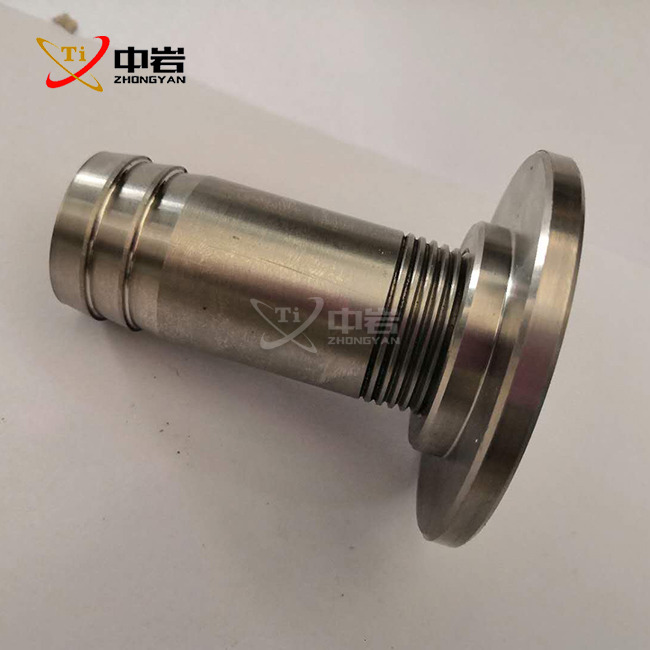
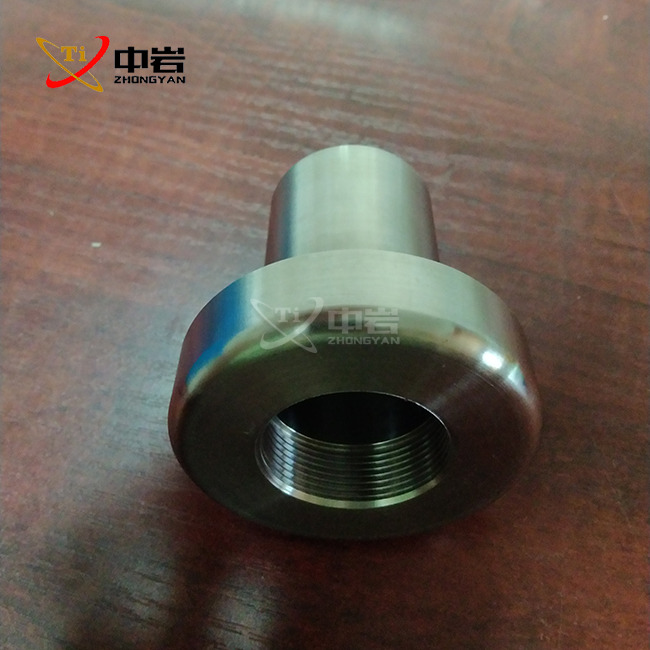
Zhongyan is an expert at providing high-quality Ti-6Al-4V plates and unique CNC-made parts that meet the strict requirements of the aerospace, medical, and industrial manufacturing industries. We take advantage of our location in Baoji, China's Titanium Valley, local knowledge, advanced processing skills, and direct access to titanium materials to offer low prices without sacrificing quality.
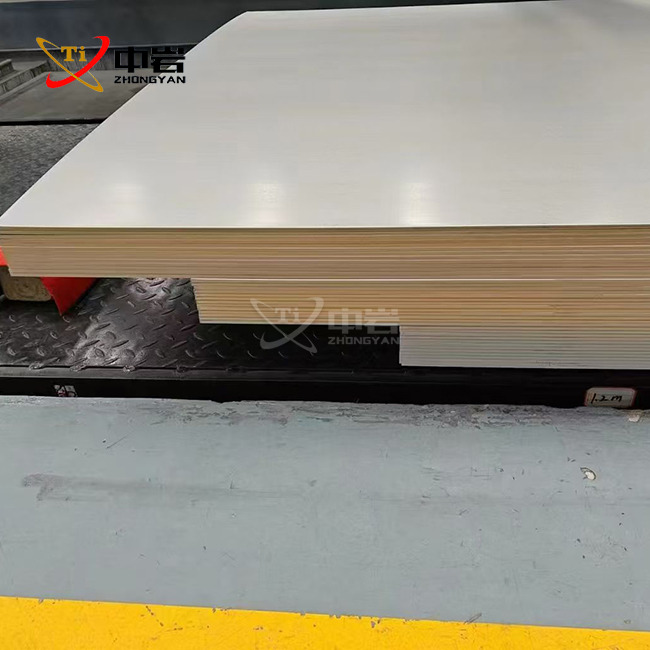
Our ASTM B265-compliant inventory has a range of thicknesses and sizes, and we offer unique cutting services to help you get the most out of your materials. Our ISO 9001:2015-certified facilities make precision parts that meet your needs, whether you need raw plate stock for in-house manufacturing or full turnkey CNC machine services. As a dependable provider of titanium grade 5 plates, we can meet your high-volume production needs with OEM and ODM options that are flexible and fit your project's schedule. Get in touch with our technical support team at sales@titaniumstudy.com to talk about your unique manufacturing needs. We make it easier for you to buy things by giving you material certifications, detailed data sheets, and engineering help. For your next custom titanium fabrication job, Zhongyan has an edge in quality, speed of response, and scientific know-how.
References
1. American Society for Testing and Materials. "ASTM B265: Standard Specification for Titanium and Titanium Alloy Strip, Sheet, and Plate." ASTM International, 2020.
2. Boyer, R., Welsch, G., and Collings, E.W. "Materials Properties Handbook: Titanium Alloys." ASM International, 1994.
3. Donachie, Matthew J. "Titanium: A Technical Guide, 2nd Edition." ASM International, 2000.
4. Lutjering, Gerd and Williams, James C. "Titanium: Engineering Materials and Processes, 2nd Edition." Springer-Verlag Berlin Heidelberg, 2007.
5. Seong, Nack J. "Practical Guide to Titanium Machining." Manufacturing Engineering Magazine, Society of Manufacturing Engineers, 2018.
6. Welding Handbook Committee. "Welding Handbook Volume 4: Materials and Applications, Part 2." American Welding Society, 2011.
(1)_1755587759206.jpg)
Learn about our latest products and discounts through SMS or email