- English
- French
- German
- Portuguese
- Spanish
- Russian
- Japanese
- Korean
- Arabic
- Greek
- German
- Turkish
- Italian
- Danish
- Romanian
- Indonesian
- Czech
- Afrikaans
- Swedish
- Polish
- Basque
- Catalan
- Esperanto
- Hindi
- Lao
- Albanian
- Amharic
- Armenian
- Azerbaijani
- Belarusian
- Bengali
- Bosnian
- Bulgarian
- Cebuano
- Chichewa
- Corsican
- Croatian
- Dutch
- Estonian
- Filipino
- Finnish
- Frisian
- Galician
- Georgian
- Gujarati
- Haitian
- Hausa
- Hawaiian
- Hebrew
- Hmong
- Hungarian
- Icelandic
- Igbo
- Javanese
- Kannada
- Kazakh
- Khmer
- Kurdish
- Kyrgyz
- Latin
- Latvian
- Lithuanian
- Luxembou..
- Macedonian
- Malagasy
- Malay
- Malayalam
- Maltese
- Maori
- Marathi
- Mongolian
- Burmese
- Nepali
- Norwegian
- Pashto
- Persian
- Punjabi
- Serbian
- Sesotho
- Sinhala
- Slovak
- Slovenian
- Somali
- Samoan
- Scots Gaelic
- Shona
- Sindhi
- Sundanese
- Swahili
- Tajik
- Tamil
- Telugu
- Thai
- Ukrainian
- Urdu
- Uzbek
- Vietnamese
- Welsh
- Xhosa
- Yiddish
- Yoruba
- Zulu
Why Do Engineers Prefer Custom Flat Head Titanium Bolt Solutions?

Engineers across aerospace, medical, automotive, and industrial sectors consistently select custom flat head titanium bolts because these fasteners deliver an unmatched combination of lightweight construction, exceptional corrosion resistance, and flush-mounting capability. The countersunk design eliminates aerodynamic drag and snag hazards, while Grade 5 titanium provides tensile strength comparable to high-grade steel at 45% less weight. When precision assembly demands both structural integrity and environmental durability, custom titanium flat head bolts solve critical engineering challenges that standard fasteners cannot address.
Understanding Custom Flat Head Titanium Bolts: Features and Benefits
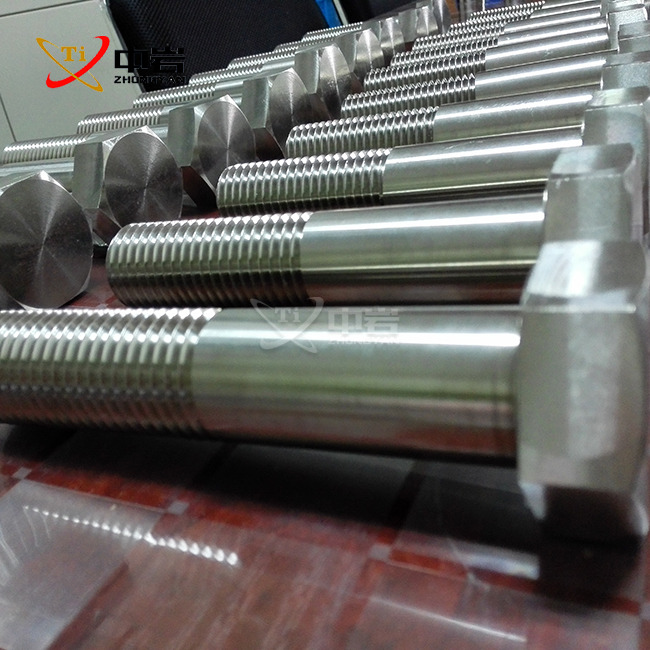
Particularly designed for uses where unwavering performance is paramount, custom flat-head titanium bolts offer a unique fastening solution. In contrast to generic hardware, these parts have a conical countersunk head that sits flush with the mating surface, improving aerodynamics and aesthetics with a smooth profile. When protruding fasteners would cause undesirable drag, interference, or patient pain, this design feature becomes crucial in aerospace fuselage panels, high-performance automobile bodywork, and medical implant housings.
These bolts differ from the usual choices due to their material composition. Bolts with a tensile strength between 895 and 1000 MPa and a density of only 4.43 g/cm³ are mostly made from Ti-6Al-4V, also known as Grade 5 titanium. Engineers may reduce the total weight of the assembly without compromising structural integrity thanks to this remarkable strength-to-weight ratio. Applications that value flexibility and exceptional corrosion resistance more than maximum strength can nevertheless make use of grade 2 commercially pure titanium.
Beyond basic dimensions, customisation capabilities are available. Depending on the need, engineers can choose between coarse and fine thread pitches, bolt lengths ranging from 10 mm to 100 mm, and thread sizes ranging from M4 to M16. Thread galling and friction coefficients can be effectively addressed with surface treatments such as anodising, Physical Vapour Deposition (PVD) coating, and Diamond-Like Carbon (DLC) finishes. In medical imaging equipment and surgical implants, these fasteners are essential because of titanium's biocompatibility and non-magnetic characteristics, which prevent catastrophic failures caused by ferromagnetic materials.
Perhaps the most attractive benefit is its resistance to corrosion. Titanium is impervious to oxidising acids, which quickly erode stainless steel, and to seawater corrosion altogether. Offshore platforms and submarine components benefit greatly from this property since they retain their structural integrity for decades without pitting or crevice corrosion. When it comes to protecting reactor vessels and heat exchanger assemblies from harmful process fluids, chemical processing facilities also depend on titanium's inertness.
Engineers now tackle design difficulties in a whole new way, thanks to flush-mounting capability. Reduce parasitic drag as much as feasible for aerospace applications because even a few millimetres of protrusion can have a noticeable effect on fuel efficiency over thousands of hours of flight. Aerodynamic performance is enhanced by the flat head shape, which enables the outside skin panels to retain flawlessly smooth surfaces. In a similar vein, racing cars reap the benefits of lower wind resistance, which gives them seconds' worth of an advantage over their competitors.
Not only does the countersunk profile improve aerodynamics, but it also eliminates snag hazards and debris buildup. Rotating gear removes the potential for interference that socket cap screws could cause in tight quarters, and marine sensor housings keep them from being entangled with fishing lines or aquatic plants. By decreasing wear patterns and removing stress concentration areas caused by conventional protruding fastening heads, this design consideration increases the service life of components.
Engineering Advantages Behind Choosing Custom Titanium Bolt Grades
Material selection profoundly impacts long-term performance outcomes. Grade 5 titanium (Ti-6Al-4V) serves as the workhorse alloy for demanding structural applications, offering mechanical properties roughly equivalent to Class 10.9 steel bolts while weighing significantly less. The alloying elements—6% aluminium and 4% vanadium—enhance strength and temperature resistance, making these bolts suitable for engine mounts and exhaust systems experiencing thermal cycling between -200°C and 400°C.
Grade 2 commercially pure titanium addresses different engineering priorities. While offering lower tensile strength around 345 MPa, this variant provides superior cold formability and the highest corrosion resistance among titanium grades. Medical device manufacturers favour Grade 2 for implantable components requiring ASTM F136 certification, where biocompatibility and tissue integration outweigh strength considerations. Chemical processing equipment similarly benefits when extreme corrosive environments make even Grade 5's excellent resistance insufficient.
The fatigue resistance of the custom flat-head titanium bolt exceeds steel alternatives under cyclic loading conditions. Rolled threads, standard in premium titanium fasteners, compress grain structure rather than cutting through it, resulting in approximately 30% higher fatigue life compared to cut threads. This manufacturing detail becomes critical in vibration-prone applications like aircraft engine mounts and suspension components, where fastener failure would have catastrophic consequences.
Weight reduction represents a tangible engineering advantage. A titanium bolt weighs 45% less than its steel equivalent while maintaining comparable tensile strength. This weight savings compounds across large assemblies—a commercial aircraft using thousands of fasteners can reduce structural weight by hundreds of kilograms, directly improving payload capacity and fuel economy. Automotive racing teams achieve similar benefits, lowering unsprung weight in brake rotors and suspension systems to enhance handling dynamics.
Thermal expansion characteristics further differentiate titanium from steel and aluminium. Titanium's low thermal expansion coefficient (8.6 × 10⁻⁶ / °C) closely matches composite materials and ceramics commonly used in aerospace and electronics applications. This compatibility prevents differential expansion stresses that loosen fasteners or crack substrates during temperature cycling. Electronic sputtering target assemblies particularly benefit, as dimensional stability ensures consistent vacuum sealing and target-to-backing plate contact.
Customisation and Dimensional Precision of Flat Head Titanium Bolts
How well an assembly turns out and how reliable it is in operation are both affected by the dimensional accuracy. To make sure the mating hole is well seated and the load is distributed evenly, the countersink angle, which is usually either 100° or 82° depending on the application standards, needs to be within a ±1° tolerance. To avoid interference, accomplish the prescribed clamp stress, and keep the surface profiles flush, the head diameter, thread pitch, and shank length must be precisely measured. During quality verification, engineers establish these values using coordinate measuring machines (CMM) and optical comparators. They ensure that each batch matches the tolerances for 6g/4h thread classes.
When regular fasteners won't do, custom sizing capabilities step in to fill the gap. Different skin thicknesses and internal structural depths necessitate non-standard lengths for aerospace assemblies. Thread engagement lengths for medical implants must be precisely measured for different bone densities and anatomical sites. To maximise load route efficiency and ease of maintenance, designers of industrial machinery optimise bolt specifications.
This personalisation is made possible via OEM and ODM production services. When it comes to unique dimensions, Zhongyan's CNC precise machining capabilities keep tolerances tight. When opposed to cutting methods, thread rolling produces threads that are stronger and more resistant to fatigue. By manipulating the surface roughness parameters (Ra values), one may ensure that torque loading is done correctly and that stress risers, which can cause fracture propagation, are prevented.
Confidence in procurement is fostered by conformity with international norms. Titanium bar and billet material parameters are governed by ASTM B348, whereas aerospace material requirements for Ti-6Al-4V alloy are addressed by AMS 4928. Certification to ASTM F136 is necessary for medical applications; this ensures biocompatibility and certain mechanical qualities that are appropriate for surgical implants. Chemical composition verification using spectrometry, mechanical property verification using tensile testing, and surface integrity inspections for micro-crack or machining defect detection are all part of the rigorous testing processes that are required for these certificates.
Reputable manufacturers use many verification phases in their quality control methods. Before machining can start, the material must be verified using X-ray fluorescence (XRF) examination to confirm the alloy composition. In dimensional inspection, computer numerical measurement (CMM) technology is used to compare thread profiles and countersink geometry to engineering drawings. Mechanical testing verifies elongation percentages, yield strengths, and tensile strengths by conducting destructive examinations on lot samples. Checks for surface integrity make sure there are no flaws that could affect performance when the pressures of operation are high.
The complexity of the customisation determines the lead times and minimum order numbers. It usually takes three to five weeks to make standard dimension adjustments. This gives enough time for CNC setup and tooling preparation. Timeframes can be extended to 6-8 weeks for complex designs that require bespoke forging dies. There is a delicate balance between tooling costs and unit pricing in minimum order quantities, but seasoned manufacturers can accommodate both prototype development and high-volume production runs with flexible production volumes.
Comparing Market Solutions: Titanium vs Stainless Steel and Aluminum Bolts
Titanium has a greater initial cost, but engineers are willing to pay it because of its superior materials. Stainless steel bolts, especially those of the 316 grade, which is used in marine applications, are resistant to corrosion but heavy and may eventually pit in chloride environments. Custom flat-head titanium bolts have a lifecycle cost saving of 10–20 years due to their total resistance to corrosion from seawater. This removes the need for replacement parts and maintenance downtime, more than making up for the initial investment.
Lightweight aluminium bolts aren't strong enough for use in structural applications, but they do the job. When compared to Grade 5 titanium's 900+ MPa capabilities, the tensile strength of aerospace-grade aluminium alloys (7075-T6) reaches about 570 MPa. Titanium's melting point is 1,668 degrees Celsius, while aluminium's is 660 degrees Celsius, limiting its application in high-temperature settings. Isolation procedures are necessary to prevent galvanic corrosion when aluminium comes into touch with different metals, while titanium's noble electrochemical potential eliminates this need.
The whole cost of ownership needs to be factored into any cost-benefit analysis. Because titanium's passive oxide layer regenerates itself whenever it is damaged, protective coatings are unnecessary for use with titanium flathead bolts in extreme conditions. Stainless steel fasteners may incur extra costs and have their dimensional tolerances compromised due to the need for further surface treatments. Offshore platform operators have reported that titanium fasteners have a service life of 15 years or more, compared to coated steel counterparts that only last 5-7 years. This means that they save money on material prices and labour costs for replacement.
Temperature extremes test material capabilities. Grade 5 titanium maintains mechanical properties from cryogenic temperatures to 400°C continuous exposure, making these bolts suitable for aerospace applications experiencing atmospheric re-entry heating or arctic operations. The material resists oxidation at temperatures where steel would scale, and aluminium would soften. This thermal stability proves essential in jet engine peripheral components and industrial furnace assemblies.
Chemical resistance extends beyond simple corrosion immunity. Titanium withstands exposure to chlorine, bromine, and numerous organic solvents that attack stainless steel. Chemical processing plants use titanium fasteners in reactor vessels, distillation columns, and piping systems handling aggressive media. The material's inertness prevents contamination of sensitive processes, particularly important in pharmaceutical manufacturing and semiconductor fabrication where trace metal contamination would ruin product yields.
Procurement Insights for B2B Clients: Buying Custom Flat Head Titanium Bolts
Supplier selection determines project success. Reputable manufacturers demonstrate ISO 9001:2015 certification, confirming quality management systems meet international standards. Material traceability becomes essential—each bolt lot should include mill certifications documenting chemical composition, mechanical properties, and heat treatment history. A manufacturing capability assessment examines CNC equipment sophistication, thread rolling capabilities, and surface treatment options available in-house versus outsourced.
Industry experience significantly impacts technical support quality. Suppliers serving aerospace, medical, and defence sectors understand rigorous documentation requirements, including material test reports, dimensional inspection records, and Certificate of Conformance paperwork. Their engineering teams assist with material grade selection, thread specification optimisation, and coating recommendations based on application-specific challenges. This consultative approach prevents costly specification errors that only become apparent during assembly or field service.
Pricing dynamics reflect multiple factors. Raw titanium material costs fluctuate with global supply-demand balances, though prices remain relatively stable compared to volatile commodities. Customisation complexity affects machining time—standard modifications incur modest premiums, while unique geometries requiring special tooling carry higher costs. Volume discounts apply as production quantities increase, typically showing significant price breaks at 500, 1,000, and 5,000 piece thresholds. However, the lowest price rarely indicates the best value when quality, delivery reliability, and technical support factor into the total cost of ownership.
Communication clarity accelerates procurement cycles. Detailed technical specifications should include engineering drawings showing all critical dimensions, material grade requirements with applicable ASTM or AMS standards, surface treatment specifications, and acceptance criteria for dimensional tolerances. Providing application context helps suppliers recommend optimisations—sharing operating temperature ranges, chemical exposure profiles, and loading conditions enable material grade and coating suggestions that prevent overspecification or underperformance.
Prototyping validates specifications before committing to production volumes. Experienced manufacturers offer small batch production, allowing fit-check testing and performance validation in actual assemblies. This iterative approach identifies dimensional adjustments, surface finish refinements, or coating modifications before tooling expenses lock in final specifications. Sample evaluation should include dimensional verification using precision measuring equipment and test assembly under representative installation conditions.
Conclusion
Engineers select custom flat head titanium bolt solutions because these fasteners deliver uncompromising performance where standard hardware fails. The flush-mounting design eliminates aerodynamic penalties and snag hazards, while grade 5 titanium provides exceptional strength at minimal weight. Corrosion immunity ensures decades of reliable service in harsh chemical and marine environments without maintenance interventions. Customisation capabilities allow precise specification of dimensions, thread profiles, and surface treatments matched to application-specific requirements. While initial costs exceed steel or aluminium alternatives, lifecycle cost analysis consistently favours titanium through reduced replacement frequency, eliminated coating expenses, and extended maintenance intervals. As manufacturing capabilities advance and material costs stabilise, custom titanium fasteners increasingly become the engineering solution of choice across aerospace, medical, automotive, and industrial sectors demanding absolute reliability.
FAQ
Which industries benefit most from custom flat-head titanium bolts?
Aerospace manufacturers rely on these fasteners for fuselage panels and interior assemblies where weight reduction and corrosion resistance prove essential. Medical device companies use biocompatible titanium bolts in surgical implants and imaging equipment. Marine engineering projects specify titanium for offshore platforms and submarine components exposed to saltwater. High-performance automotive racing teams install them in chassis and suspension systems, prioritising weight savings. Electronics manufacturers employ titanium bolts in sputtering target assemblies requiring non-magnetic properties and thermal stability.
How do you prevent thread galling with titanium bolts?
Thread galling occurs when titanium's soft oxide layer allows metal-to-metal contact under pressure and friction. Applying specialised anti-seize compounds containing molybdenum disulphide or copper provides a sacrificial barrier. Advanced solutions include DLC (Diamond-Like Carbon) or titanium nitride coatings applied during manufacturing, permanently reducing friction coefficients. Proper installation torque specifications and lubrication protocols further minimise galling risks during assembly.
Can titanium bolts replace high-strength steel fasteners?
Grade 5 titanium offers tensile strength comparable to Class 10.9 steel bolts, making direct replacement feasible in many structural applications. However, replacing Class 12.9 ultra-high-strength steel requires detailed stress analysis, as titanium's lower elastic modulus affects joint stiffness and preload retention. Consulting with experienced suppliers helps determine whether titanium meets specific loading requirements or if design modifications optimise performance. Forged titanium bolt heads can enhance grain flow patterns, increasing strength for demanding applications.
Partner with Zhongyan: Your Trusted Custom Flat Head Titanium Bolt Manufacturer
Zhongyan delivers precision-engineered flat-head titanium bolts manufactured to exacting specifications in China's Titanium Valley. Our ISO 9001:2015-certified facilities use advanced CNC machining and have over 15 years of titanium processing experience, ensuring dimensional accuracy and compliance with ASTM, AMS, and ISO standards. We offer comprehensive customisation from M4 to M16 threading, lengths spanning 10mm to 100mm, and surface treatments including anodising and PVD coating. Whether your project requires aerospace-grade certification, medical device biocompatibility, or chemical resistance for industrial applications, our engineering team provides tailored consultation to optimise material grades and specifications. Contact sales@titaniumstudy.com to discuss your custom flat head titanium bolt requirements with a reliable supplier capable of prototype development through high-volume production.
References
1. Boyer, R., Welsch, G., and Collings, E.W. (1994). Materials Properties Handbook: Titanium Alloys. ASM International, Materials Park, Ohio.
2. Donachie, Matthew J. (2000). Titanium: A Technical Guide, 2nd Edition. ASM International, Materials Park, Ohio.
3. Aerospace Industries Association (2018). Fastener Standards for Aerospace Applications: Material Selection and Performance Criteria. AIA Publications, Washington, D.C.
4. American Society for Testing and Materials (2021). ASTM B348: Standard Specification for Titanium and Titanium Alloy Bars and Billets. ASTM International, West Conshohocken, Pennsylvania.
5. Peters, M., Kumpfert, J., Ward, C.H., and Leyens, C. (2003). Titanium Alloys for Aerospace Applications. Advanced Engineering Materials, Volume 5, Issue 6, Pages 419-427.
6. Society of Automotive Engineers (2019). AMS 4928: Titanium Alloy Bars, Wire, Forgings, Rings, and Drawn Shapes, 6Al-4V, Annealed. SAE International, Warrendale, Pennsylvania.
Learn about our latest products and discounts through SMS or email