- English
- French
- German
- Portuguese
- Spanish
- Russian
- Japanese
- Korean
- Arabic
- Greek
- German
- Turkish
- Italian
- Danish
- Romanian
- Indonesian
- Czech
- Afrikaans
- Swedish
- Polish
- Basque
- Catalan
- Esperanto
- Hindi
- Lao
- Albanian
- Amharic
- Armenian
- Azerbaijani
- Belarusian
- Bengali
- Bosnian
- Bulgarian
- Cebuano
- Chichewa
- Corsican
- Croatian
- Dutch
- Estonian
- Filipino
- Finnish
- Frisian
- Galician
- Georgian
- Gujarati
- Haitian
- Hausa
- Hawaiian
- Hebrew
- Hmong
- Hungarian
- Icelandic
- Igbo
- Javanese
- Kannada
- Kazakh
- Khmer
- Kurdish
- Kyrgyz
- Latin
- Latvian
- Lithuanian
- Luxembou..
- Macedonian
- Malagasy
- Malay
- Malayalam
- Maltese
- Maori
- Marathi
- Mongolian
- Burmese
- Nepali
- Norwegian
- Pashto
- Persian
- Punjabi
- Serbian
- Sesotho
- Sinhala
- Slovak
- Slovenian
- Somali
- Samoan
- Scots Gaelic
- Shona
- Sindhi
- Sundanese
- Swahili
- Tajik
- Tamil
- Telugu
- Thai
- Ukrainian
- Urdu
- Uzbek
- Vietnamese
- Welsh
- Xhosa
- Yiddish
- Yoruba
- Zulu
Why Choose Titanium Alloy Plates for Surgical Implants?
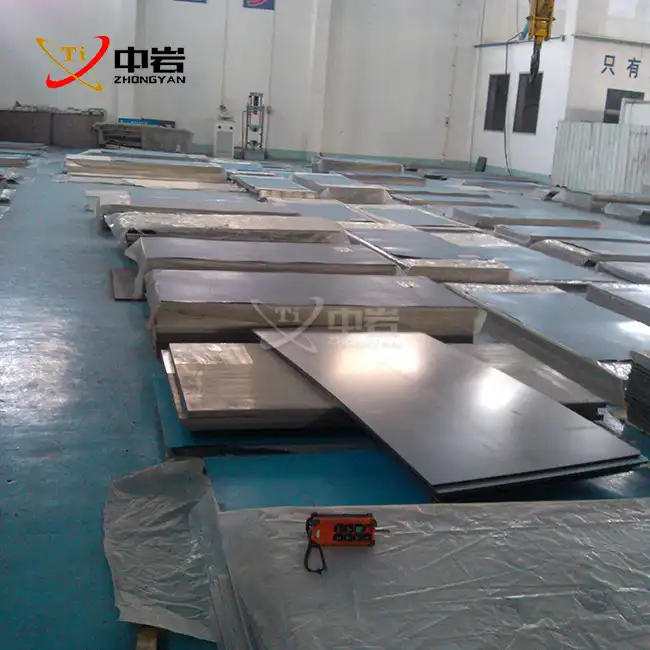
Titanium alloy plates have become the gold standard for making surgical implants. Titanium metals are very important in modern medicine because they are very strong, biocompatible, and resistant to corrosion. These properties have a direct effect on how well surgery goes, how safe patients are, and how well implants work over time. Leading makers and suppliers around the world, from Baoji, China's Titanium Valley, to well-known U.S. companies like ATI and TIMET, adhere to strict rules that determine their global sourcing strategies. For business-to-business people who work on making and buying medical devices, knowing why titanium alloy plates are better for surgical implants is essential for making smart choices. These decisions affect not only the results of technical work and how well regulations are followed, but they also lead to better care for patients and more reliable medical devices.
Key Properties of Titanium Alloy Plates for Surgical Implants
Titanium alloys are widely used in surgery because they offer a rare combination of mechanical strength and biological compatibility. When compared to more conventional materials like stainless steel or aluminum, they provide superior durability and resistance to wear. These properties make them especially suitable for medical implants that must endure heavy loads and repeated stress over many years.
Exceptional Corrosion Resistance
When titanium plates are exposed to body fluids, which contain salts, proteins, and other substances that can corrode, they don't break down because they are so resistant to rust. This makes sure that the implant lasts a long time and greatly lowers the risk of problems that come from materials breaking down. Titanium doesn't release dangerous ions into nearby tissues as some other metals do. Its structure stays the same even after decades of being in the human body's harsh environment.
Superior Biocompatibility
Titanium’s biocompatibility supports a process called osseointegration, where bone tissue grows directly onto the implant surface to form a stable mechanical bond. This helps the body heal more efficiently and reduces the risk of immune reactions that could lead to implant rejection. Because titanium integrates so naturally with human bone, it is especially valuable in orthopedic and dental implant applications.
Enhanced Patient Recovery
When you put these qualities together, they have big practical benefits, like faster healing times for patients and longer-lasting implants. Medical device makers get fewer warranty claims and a better image for their products, while healthcare workers see better patient results and fewer surgeries to fix problems. With success rates of over 95% in most cases, titanium implants have been used in hospitals for decades and have proven to be reliable.
Types and Grades of Titanium Alloy Plates Used in Medical Implants
There are different types of medical-grade titanium materials, and each one is designed to meet particular performance needs in surgical uses, such as titanium alloy plates. Different grades of titanium metals are used for different medical purposes. Grade 2 and Grade 5 are the most popular grades used to make implants.
Grade 2 Titanium: Pure Titanium Excellence
Grade 2 titanium is popular because it doesn't rust and is very flexible, making it perfect for uses that need something that can be shaped and isn't too strong. This very pure industrial type of titanium is very biocompatible and is often chosen for tooth implants and smaller orthopedic devices that don't need to be very strong.
Grade 5 Titanium Alloy: Ti-6Al-4V Performance
Ti-6Al-4V, a grade 5 titanium metal, is known for having a high strength-to-weight ratio. This makes it the best choice for high-performance implants like hip and knee replacements. This metal has great biocompatibility and a lot better mechanical qualities thanks to its 6% aluminum and 4% vanadium content.
Advanced Processing Techniques
Both grades can have their mechanical properties and durability improved through heat treatment methods. This lets makers change the properties of the materials to fit the needs of different applications. Modern surface finishing methods improve biocompatibility and lower the risk of infection by making the surface's shape better, which helps cells stick to and grow on it. Precision cutting and custom manufacturing allow makers to make implants that meet exact surgical requirements. This helps OEMs and medical device manufacturers provide custom solutions that meet specific clinical needs.
Titanium Alloy Plates vs Alternative Materials in Surgical Applications
When you compare titanium alloys to other materials, you can see that they have a lot of benefits that have led to titanium being used to make a lot of medical implants. Knowing these differences helps procurement professionals make choices that are in line with healthcare needs and the highest standards of patient safety.
Advantages Over Stainless Steel and Aluminum
Titanium plates are stronger than stainless steel and aluminum plates, but they are also much lighter and less likely to rust. This has a direct effect on how long implants last and how well patients do. Even though stainless steel implants are strong, they are a lot larger and may cause stress buffering effects that can cause bone loss around the implant site. Even though aluminum is light, it is not strong enough or biocompatible enough to be used for long-term transplant uses.
Biocompatibility Advantages
Titanium has a great biocompatibility rating, which means it is much less likely to cause allergic reactions than nickel metals and carbon steel. Nickel is found in some stainless steel metals, and many people become sensitive to it. This can cause chronic inflammation and the implant to fail. Titanium is neutral, so these worries aren't necessary. This means it can be used by people who are known to be sensitive to metals.
Performance Compared to Ceramics
When compared to ceramic options, titanium alloys have better osseointegration properties and better mechanical performance under dynamic loading situations. Ceramics are very biocompatible, but they are not as flexible or tough as titanium. This makes them more likely to break catastrophically under unexpected pressure conditions. Because of this, titanium can be used for a wider range of implant types and medical purposes.
Procurement Considerations for B2B Clients: Sourcing Titanium Alloy Plates for Implants
Getting medical-grade titanium plates takes careful thought about a number of things that affect price, quality, and delivery times. Knowing about these things helps procurement managers come up with plans that balance low costs with quality control and follow the rules.
Price Trends and Cost Management
Titanium products have different prices depending on the grade chosen, the need for customization, and the way the world supply chain works. Buying in bulk can save you a lot of money, but you need to carefully consider the minimum order amounts, the costs of managing your inventory, and the wait times. Pricing structures are affected by things like the state of the market, the supply of raw materials, and the difficulty of the process. Because of this, it is important to work with suppliers who offer clear pricing models and a variety of buying choices.
Supplier Selection and Certification
You can get medical-grade materials like titanium alloy plates that meet foreign standards such as ASTM B265 and AMS specifications if you choose sources that are certified and you can trust. Suppliers with a good reputation keep thorough quality management systems, provide documents for material traceability, and offer expert help during the whole procurement process. Delivery times and the general success of the project are also affected by where the provider is located, how much they can produce, and whether they can do custom fabrication.
Logistics and Fabrication Services
OEMs and wholesalers can get products to customers on time and at a low cost with the help of good transportation management and access to custom manufacturing services. Suppliers who offer a wide range of services, such as precision cutting, surface finishing, and custom packing, can make the supply chain run much more smoothly and cut down on the need for multiple suppliers. This unified method makes suppliers more reliable and helps businesses stay open in tough medical gadget markets.
Ensuring Quality and Compliance in Surgical Implant Manufacturing
A key part of making titanium implants that work is making sure that strict quality standards are met and that all regulations are followed. Making medical devices means dealing with a lot of complicated rules and regulations while keeping the quality of their products uniform and making sure that they can be tracked all the way through the production process.
Regulatory Compliance Standards
It is important for medical-grade titanium plates meant for implants to meet ISO 13485, ASTM, and FDA requirements. These standards spell out the exact needs for the qualities of materials, how they should be processed, and the systems used to keep track of quality. Checking the qualifications of suppliers and keeping detailed records of where materials came from protects against quality problems and makes sure that all parts of the supply chain follow the rules.
Testing and Validation Frameworks
To make sure that implants work properly in the body, robust testing systems include tensile strength tests, rust resistance tests, and full biocompatibility tests. These tests give people trust in the safety and long-term performance of implants while also following the rules for clinical use. Advanced testing methods, like wear testing and surface analysis, give more proof of how well a material works and how long it lasts.
Third-Party Certifications and Case Studies
Using independent checks and third-party certifications is a good way to make sure that quality management methods and material properties are correct. Case studies from real life show that titanium implants work and last a long time. This is strong proof for B2B clients to trust certified sources and keep the highest standards of manufacturing quality. Long-term follow-up studies show that implants work over 95% of the time after 10 years, which supports the choice of materials and manufacturing methods.
Conclusion
Through their unique mix of strength, biocompatibility, and corrosion protection, titanium alloy plates have become the best choice for surgical implant uses. The ability of the material to fuse with bone tissue while keeping its shape over many years of use makes it essential for making current medical devices. Business-to-business workers can do better if they know about the different grades that are out there, the quality standards that must be met, and the buying factors that will lead to good projects. Titanium implants have a history of working well, and new manufacturing technologies and quality control methods are continuing to push the boundaries of medical device development and make patient care better.
FAQ
What are the main advantages of titanium alloy plates over stainless steel for surgical implants?
Compared to stainless steel, titanium plates are better at being biocompatible, lighter, and less likely to rust. They get rid of the chance of nickel allergens and help the metal bond better with bone tissue. Because titanium has a lower elasticity, it also doesn't protect against stress as well, which can cause bone to break down around implant sites.
How do I verify the quality and certification of titanium alloy plate suppliers?
Look for providers that are certified by ISO 13485, follow ASTM B265, and, if necessary, are registered with the FDA. Ask for certificates of materials, proof of tracking, and proof of testing by a third party. Reliable providers keep open communication about their production methods and quality control measures, and provide detailed paperwork on quality.
What custom fabrication capabilities should I expect from titanium plate suppliers?
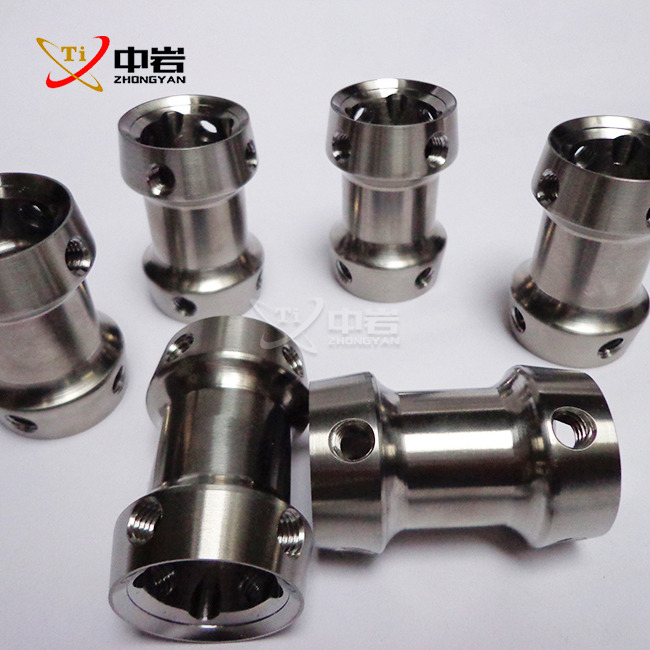
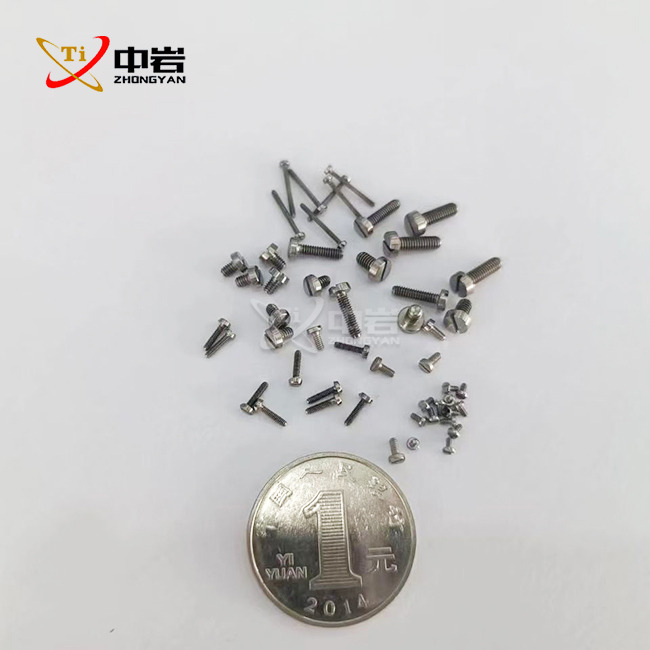
Precision cutting, surface finishing, heat treatment, and custom packaging are all services that good providers give. They should be able to meet different thickness needs, give different surface processes, and let you order in different amounts. Advanced providers can also help with engineering and use CNC machining and other precise production methods to make parts that exactly match your needs.
Partner with Zhongyan for Premium Medical-Grade Titanium Solutions
Zhongyan is a reliable provider of titanium alloy plates. We use our site in China's Titanium Valley to provide high-quality medical materials. We can do a lot of different kinds of manufacturing, like custom CNC cutting, precise surface finishing, and strict adherence to ASTM B265 and ISO standards. We have titanium plates in grades 1, 2, 4, and 5 that can be made in any size or thickness to meet your specific needs for surgical implants. Talk to our knowledgeable staff at sales@titaniumstudy.com about your unique requirements and find out how our cutting-edge production methods and quality control systems can help your next medical device project.
References
1. Niinomi, Mitsuo. "Mechanical Biocompatibilities of Titanium Alloys for Biomedical Applications." Journal of the Mechanical Behavior of Biomedical Materials, 2018.
2. Geetha, M., et al. "Ti-Based Biomaterials: The Ultimate Choice for Orthopaedic Implants - A Review." Progress in Materials Science, 2019.
3. Liu, Xuanyong, et al. "Surface Modification of Titanium, Titanium Alloys, and Related Materials for Biomedical Applications." Materials Science and Engineering, 2020.
4. Rack, Henry J., and John Qazi. "Titanium Alloys for Biomedical Applications." Materials Science and Engineering C, 2017.
5. Chen, Qizhi, and George Thouas. "Biomedical Applications of Titanium and Its Alloys." Journal of Materials Science: Materials in Medicine, 2021.
6. Kaur, Manmeet, and Kuldeep Singh. "Review on Titanium and Titanium-Based Alloys as Biomaterials for Orthopaedic Applications." Materials Science and Engineering C, 2019.
_1755652968020.jpg)
_1755672221864.jpg)
Learn about our latest products and discounts through SMS or email