- English
- French
- German
- Portuguese
- Spanish
- Russian
- Japanese
- Korean
- Arabic
- Greek
- German
- Turkish
- Italian
- Danish
- Romanian
- Indonesian
- Czech
- Afrikaans
- Swedish
- Polish
- Basque
- Catalan
- Esperanto
- Hindi
- Lao
- Albanian
- Amharic
- Armenian
- Azerbaijani
- Belarusian
- Bengali
- Bosnian
- Bulgarian
- Cebuano
- Chichewa
- Corsican
- Croatian
- Dutch
- Estonian
- Filipino
- Finnish
- Frisian
- Galician
- Georgian
- Gujarati
- Haitian
- Hausa
- Hawaiian
- Hebrew
- Hmong
- Hungarian
- Icelandic
- Igbo
- Javanese
- Kannada
- Kazakh
- Khmer
- Kurdish
- Kyrgyz
- Latin
- Latvian
- Lithuanian
- Luxembou..
- Macedonian
- Malagasy
- Malay
- Malayalam
- Maltese
- Maori
- Marathi
- Mongolian
- Burmese
- Nepali
- Norwegian
- Pashto
- Persian
- Punjabi
- Serbian
- Sesotho
- Sinhala
- Slovak
- Slovenian
- Somali
- Samoan
- Scots Gaelic
- Shona
- Sindhi
- Sundanese
- Swahili
- Tajik
- Tamil
- Telugu
- Thai
- Ukrainian
- Urdu
- Uzbek
- Vietnamese
- Welsh
- Xhosa
- Yiddish
- Yoruba
- Zulu
Why Choose a Dental Titanium Milling Disc for Precision Restorations?
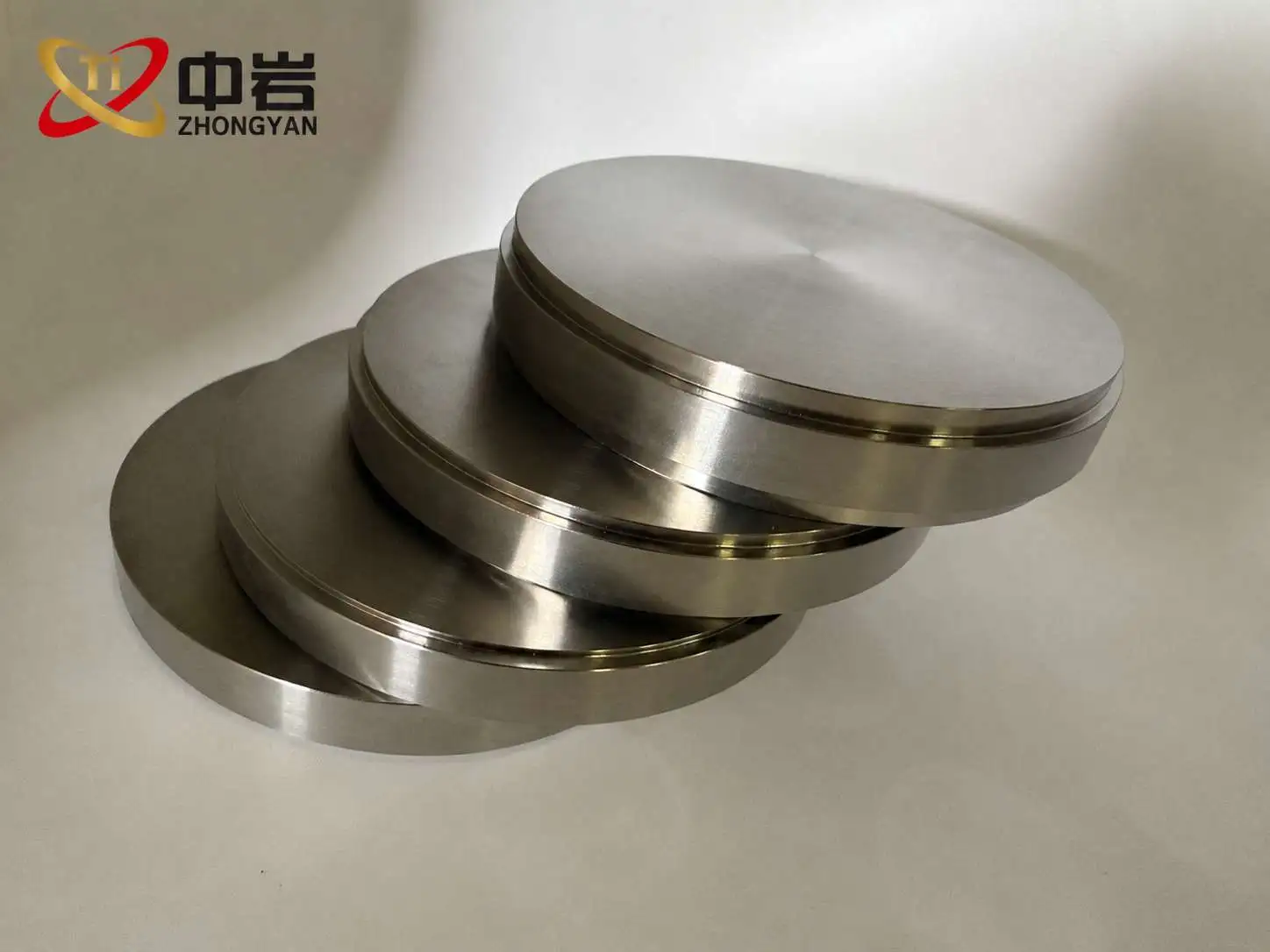
When you choose a Dental Titanium Milling Disc for precise repairs, it completely changes how you can make things because it is reliable in the clinic and runs efficiently. For implant superstructures, custom abutments, and long-span frames, these designed blanks provide the micron-level accuracy that is needed. Traditional casting methods can cause holes and changes in size, but titanium grinding discs made from ASTM F67 or F136-compliant material make sure that the microstructure is uniform, that there are no internal holes, and that the mechanical properties are the same for every repair. Dental titanium discs are the best choice for buying teams that want quality, cost-effectiveness, and results that focus on the patient because they are biocompatible, resistant to rust, and easy to machine.
Understanding Dental Titanium Milling Discs
What Defines a Dental Titanium Milling Disc
A dentistry Titanium Milling Disc is a high-precision metal blank that has already been made and is designed to work with CAD/CAM dentistry production tools. These discs are used as a base for subtractive milling methods that make crowns, bridges, implant abutments, and full-arch bars. Titanium milling blocks use industrial-scale production, such as Vacuum Arc Remelting (VAR), to get a homogeneous material structure free from inclusions or segregation. This is different from traditional lost-wax casting methods, which introduce imperfections. This fixes important problems that older alloy systems have, like pore flaws, metal warping, and biocompatibility that is hard to predict. The process of making the discs makes them in two grades: commercially pure (Grade 2) and alloy (Grade 5/Ti-6Al-4V ELI). Baoji Zhongyan Titanium Industry Co., Ltd. makes these pieces in normal 98.5mm widths and a range of thicknesses, from 10 mm to 25 mm, so they can be used on a wide range of milling platforms.
Manufacturing Standards and Titanium Grades
Clinical progress and legal acceptance depend on material compliance. For widely pure titanium, our Dental Titanium Milling Discs strictly follow ASTM F67 standards. For titanium alloys, they follow ASTM F136/ISO 5832-3 standards. Grade 4 titanium has a yield strength of at least 480 MPa and a tensile strength of at least 550 MPa, with 15% expansion. This makes it easy to machine while still maintaining structural integrity. The mechanical qualities of Grade 5 titanium alloy (Ti-6Al-4V) are very good: yield strength ≥ 830 MPa and tensile strength ≥ 900 MPa. This makes it perfect for high-load uses like posterior bridges. The "ELI" (Extra Low Interstitial) name in Grade 5 steel discs lowers the amount of oxygen and iron in the metal, making it more flexible and difficult to break. Verification of chemical makeup using ICP-OES and ONH analysers ensures compliance and stops hydrogen pollution from weakening the material. The hardness goes from 32 to 34 HRC for Grade 4 to 36 to 38 HRC for Grade 5. This makes the tool last longer when cutting.
Disc Specifications and System Compatibility
Technical specs have a direct effect on how well production works and how well repair works. These things are on our titanium cutting blanks:
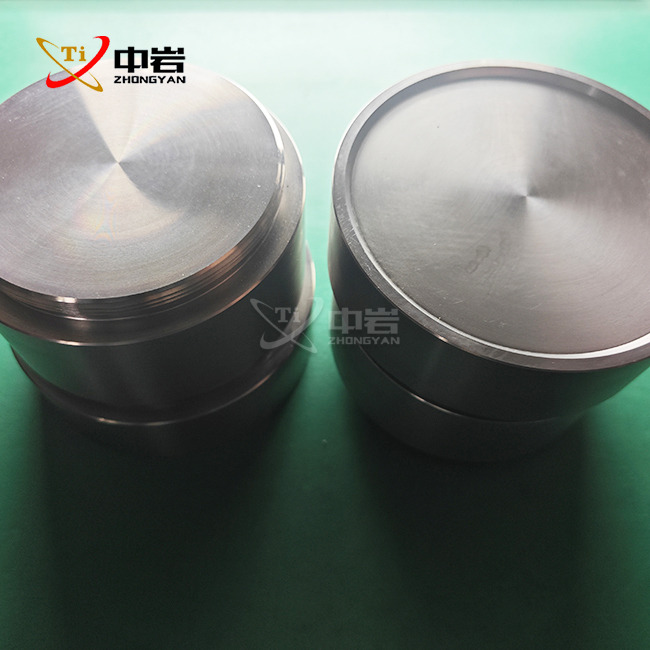
- Dimensions: The standard 98.5 mm diameter works with most dentistry milling machines, both open-architecture and system-specific. Different thicknesses (10 mm to 25 mm) allow for different types of restorations, from thin single crowns to strong implant bars. Stepped edges make it possible to fixate the chuck securely, which stops it from moving during high-speed cutting.
- Surface Quality: CNC-machined surfaces are Ra ≤ 0.4 μm smooth, which cuts down on the time needed for pre-milling preparation and ensures that the toolpath runs smoothly. With this level of accuracy, any surface flaws that make poor fit worse or cause stress concentration in final repairs are taken care of.
- Material Consistency: Strain, stretch, and extension tests are done on each batch to make sure they meet the requirements of ISO 22674 Types 4 and 5. Ultrasonic flaw detection that follows AMS 2631 standards looks for internal holes that can't be seen with the naked eye. This stops catastrophic milling failures before they happen.
Advantages of Dental Titanium Milling Discs for Precision Restorations
Superior Material Properties Over Alternatives
Dental Titanium Milling Disc cutting plates work better than zirconia, cobalt-chrome, and ceramic options in a number of ways. An inactive titanium dioxide layer forms on its own, providing unmatched rust protection in the mouth environment. This is a key factor for the long-term success of implants. Cobalt-chrome alloys can cause hypersensitivity responses, but titanium is nontoxic, so it can be used by people who are sensitive to metals.
Titanium's benefits become clear when you compare its material qualities. Even though zirconia has a high compression strength, it can't be used in thin-section shapes or layouts with a lot of angles. Titanium's high strength-to-weight ratio (density ~4.43 g/cm³) makes it possible to make prostheses that are smaller and look better without lowering their longevity. The value of flexibility is close to that of bone tissue, which lowers the stress buffering effects that make it harder for bone to grow around implants.
Biocompatibility tests show that titanium works very well with tissues. Studies show that there are fewer signs of inflammation and better binding to soft tissues compared to other materials. The low thermal conductivity (about 17 W/m·K) makes the patient more comfortable by stopping temperature transfer during function, which is a clear benefit over metal options.
Enhanced Milling Accuracy and Efficiency
Material uniformity is the first step toward accurate manufacturing. The even microstructure of our titanium discs gets rid of the grain border flaws and inclusion faults that are common in cast parts. This consistency directly affects milling performance—cutting tools meet consistent resistance across the blank, keeping measurement accuracy within ±10 μm even when the geometry is complicated.
Cutting down on tool wear has a real cost benefit. The best hardness range (32–38 HRC) strikes a balance between how easy it is to machine and how good the finished surface is. Compared to harder metal materials, procurement teams say that these materials have 30–40% longer tool life, which cuts down on costs for replacement parts and machine downtime. Cutting more quickly without losing accuracy cuts down on the time it takes to make each unit, which helps high-volume dental labs get more work done.
The material's ability to break up chips stops cutting tools from building up edges, so the cutting shape stays sharp during grinding cycles. This consistency makes sure that the results are the same across batch production runs, which is very important when making multiple units for the same patient case or making sure that quality standards are met by different workers.
Cost-Effectiveness and Material Efficiency
Even though the starting price per disc may be higher than some options, a total cost study shows that titanium is cheaper in the long run. Precise blank size and small cutting allowances lead to less material waste. The discs can be sterilised in an autoclave multiple times without losing any of their properties. This makes the inventory last longer.
The ability to recycle scrap adds value recovery choices that ceramics don't have. Titanium swarf and partially cut blanks still have value as reusable materials, which lowers the cost of raw materials. Getting rid of casting-related flaws lowers the number of times something needs to be redone. Titanium milling has 98%+ first-time-right success rates, compared to 85–90% for standard casting methods.
Long-term repair stability cuts down on warranty claims and calls from patients. Ten-year success rates in clinical studies show that titanium frames keep their structural integrity and marginal seal much better than other materials. This protects the lab's image and lowers its lawsuit risk.
How to Select the Right Dental Titanium Milling Disc
Evaluating Technical Specifications
When making a procurement choice, you have to match the disc specs to the needs of the application. The thickness you choose depends on the type of restoration. For example, 10-14 mm discs are usually used for single crowns, while 20–25 mm blanks are needed for full-arch implant bars to fit screw holes and connector bar cross-sections. Fitment problems and production delays can be avoided by making sure the diameter is compatible with the spinning chuck system of your milling machine.
Picking the right titanium grade combines practical needs with the ability to be machined. Grade 4 pure titanium is good for single-unit fillings in the front and custom abutments where mild strength is enough and better soft tissue reaction is important. For posterior multi-unit bridges, implant bars that span four or more implants, or cases that need the highest level of wear strength under repeated loads, grade 5 metal is needed.
Post-milling preparation time is affected by the surface finish requirements. Our Ra ≤ 0.4 μm standard cuts down on the need for cleaning, but other grades might work better in some situations. When buying, you can ask for custom surface processes like grinding for better ceramic bonding or electropolishing for better rust protection.
Assessing Supplier Credentials and Quality Control
How well a product works and how well it follows the rules depend on which suppliers are used. Check for ISO 9001:2015 approval as a basic proof of quality management. For medical-grade production, there needs to be more monitoring. Suppliers should show safe production settings, recorded batch tracking, and full material approval packages that come with every order.
As part of quality control methods, chemical makeup analysis must be used to compare the amount of elements to ASTM standards. Impurities in the interstices, such as oxygen, nitrogen, and hydrogen, have a direct effect on the mechanical properties and must stay within certain bounds. A metallographic study that shows a uniform Alpha-Beta phase structure without any flaws or segregation makes sure that the milling behaviour can be predicted.
Validation testing by a third party boosts trustworthiness. An independent lab's approval of mechanical properties (such as tensile testing and hardness verification) and ultrasound flaw detection that follows accepted standards shows that the supplier is committed to quality beyond what they say on their website. Ask for examples of certifications that are based on real test results, not just general definition sheets.
Customization Options and Bulk Procurement Strategies
Standard Dental Titanium Milling Disc layouts work for many uses, but unique layouts are best for certain processes. When you order a custom circle size, it can fit unique cutting systems or repair designs. Non-standard width choices make it easier to use materials efficiently when making certain types of restorations, because they cut down on waste from flats that are too big.
OEM packing and sterilisation services make it easier for labs to do their job. Pre-sterilised discs in individual sealed packages get rid of the need to sterilise things in-house, which lowers the risk of exposure and speeds up the turnover of inventory. Traceability is improved in high-volume production settings by using custom labels with lab logos or case numbers.
When buying in bulk, you should talk about minimum order numbers (MOQ), different price levels based on promises to buy a lot, and open delivery times. Setting up yearly framework deals with quarterly delivery drops strikes a mix between the costs of keeping goods and the benefits of buying in bulk. Negotiating payment terms, such as offering net-30 or net-60 choices for long-term relationships, makes managing cash flow easier.
Best Practices for Using and Maintaining Dental Titanium Milling Discs
Optimal Milling Parameters and CAD/CAM Integration
Achieving specified restoration accuracy requires proper machine setup and parameter selection. Spindle speed recommendations vary by tool diameter and material grade—typically 8,000-12,000 RPM for roughing operations and 15,000-20,000 RPM for finishing passes. Feed rates should balance production speed against surface finish requirements, generally ranging from 1,000-1,500 mm/min for roughing to 600-800 mm/min during finishing.
Tool selection impacts both result quality and operational costs. Carbide end mills with titanium-specific coatings (TiAlN or AlCrN) extend tool life and maintain cutting edge geometry. Tool path strategies employing climb milling reduce burr formation and improve surface finish compared to conventional milling approaches. Coolant delivery—preferably through-tool coolant systems—prevents chip rewelding and thermal distortion during extended milling cycles.
CAD/CAM software library integration ensures proper material parameter application. Verify that your system's material database includes correct titanium grades with appropriate cutting strategies. Simulation functions help identify potential collision risks or excessive tool deflection before committing to actual milling, preventing disc waste and tool breakage.
Storage and Handling Protocols
Proper storage preserves disc integrity and prevents contamination. Environmental controls maintaining 40-60% relative humidity and temperatures between 15-25°C prevent moisture-related oxidation. Individual protective packaging guards against physical damage—scratches or dents create stress concentration points compromising restoration strength.
Handling procedures minimize contamination risk. Clean gloves prevent skin oil transfer that can interfere with subsequent processing. Designated storage areas separated from other materials avoid cross-contamination with elements potentially causing galvanic corrosion or allergic reactions. Inventory rotation following first-in-first-out (FIFO) principles prevents prolonged storage that might affect surface condition.
Pre-milling inspection routines catch potential issues before machine setup. Visual examination identifies shipping damage or surface irregularities. Dimensional verification using calibrated micrometers confirms diameter and thickness match specifications. This brief quality check prevents wasted machine time and identifies supplier quality deviations early.
Maintenance and Replacement Indicators
Regular maintenance extends equipment life and ensures consistent results. Milling machine spindle bearing condition directly affects achievable tolerances—implement manufacturer-recommended bearing inspection and lubrication schedules. Collet and chuck wear creates runout affecting circular restoration accuracy; replace these consumables at specified intervals or when measured runout exceeds 10 μm.
Titanium milling disc replacement timing depends on usage patterns rather than fixed schedules. Partially milled blanks can often accommodate smaller restorations if remaining material meets dimensional requirements. Track disc utilization to optimize material yield—sophisticated labs maintain usage logs documenting remaining material dimensions for future job matching.
Cutting tool condition monitoring prevents progressive quality degradation. Implement tool life tracking based on linear milling distance or number of restorations produced. Visual inspection reveals wear indicators like cutting edge rounding or coating removal. Vibration or unusual acoustic signatures during milling suggest tool degradation requiring immediate replacement before restoration quality suffers.
Procurement Insights: Where and How to Buy Dental Titanium Milling Discs
Identifying Reliable Dental Titanium Milling Disc Suppliers
Supplier evaluation extends beyond price comparison to encompass reliability factors critical for uninterrupted production. Manufacturing capacity verification ensures suppliers can fulfill volume requirements during demand peaks without quality compromises. Site visits or virtual factory tours reveal production scale, equipment sophistication, and quality management implementation depth.
Certification portfolio review validates regulatory compliance and quality commitment. ISO 9001:2015 demonstrates process management capability, while medical device certifications (ISO 13485 where applicable) confirm understanding of healthcare industry requirements. Material certifications accompanying shipments must include detailed chemical analysis, mechanical testing results, and traceability documentation linking finished discs to specific raw material lots.
Industry reputation research through peer references for Dental Titanium Milling Disc provides real-world performance insights. Professional network contacts, industry forum discussions, and trade show interactions reveal supplier reliability regarding on-time delivery, technical support responsiveness, and quality consistency across multiple orders. Established suppliers demonstrate multi-year customer relationships and willingness to provide reference contacts.
Pricing Evaluation and Negotiation Strategies
Pricing structures reflect multiple value components beyond base material costs. Premium pricing may indicate superior raw material selection, enhanced quality control protocols, or value-added services like custom packaging and expedited delivery options. Conversely, unusually low pricing warrants scrutiny regarding material grade authenticity, dimensional tolerance conformance, or hidden costs in minimum order requirements.
Volume-based pricing tiers incentivize consolidated purchasing but require careful inventory management. Analyze historical usage patterns projecting 6-12 month requirements to negotiate optimal tier pricing without excessive inventory carrying costs. Annual supply agreements with quarterly releases lock in favorable pricing while maintaining inventory flexibility.
Total cost of ownership calculations incorporate factors beyond per-disc pricing. Freight costs, import duties, payment terms, and potential remake costs from quality issues all impact true procurement costs. Domestic suppliers may offer higher unit prices but eliminate international shipping delays and customs complexities. Asian manufacturers provide cost advantages but require longer lead times and larger minimum orders justifying ocean freight economics.
Managing Lead Times and Building Supplier Relationships
Supply chain resilience requires proactive lead time management and contingency planning. Standard product lead times typically span 2-3 weeks from order confirmation to delivery, while custom specifications may extend to 4-6 weeks depending on complexity. International shipments add transit time—typically 3-5 weeks for ocean freight or 5-7 days for air freight at premium cost.
Safety stock strategies balance inventory costs against stockout risk. Calculating reorder points based on average daily usage multiplied by lead time days plus safety buffer prevents production interruptions. Higher-volume operations might maintain 30-60 days of inventory, while smaller labs balance tighter inventory against supplier reliability and expedite capabilities.
Supplier relationship development transcends transactional interactions. Regular communication regarding upcoming projects, volume changes, or specification needs enables suppliers to anticipate requirements and suggest solutions. Technical support access for milling parameter optimization or troubleshooting demonstrates supplier commitment beyond product sales.
Conclusion
Dental titanium milling discs represent the intersection of material science excellence and clinical necessity in modern restorative dentistry. The decision to specify titanium blanks manufactured to ASTM F67/F136 standards directly impacts restoration longevity, patient satisfaction, and laboratory profitability. Superior biocompatibility, exceptional corrosion resistance, and precise machinability combine to deliver measurable advantages over alternative materials. Procurement teams equipped with technical knowledge regarding grades, specifications, and supplier evaluation criteria make informed decisions balancing immediate costs against long-term value. Partnering with established manufacturers offering consistent quality, comprehensive certifications, and responsive support ensures production continuity and competitive advantage in an increasingly quality-focused marketplace.
FAQ
How do I choose between titanium and zirconia milling discs?
Material selection depends on restoration type and clinical requirements. Titanium excels in implant-supported frameworks requiring screw retention, custom abutments, and long-span bridges where ductility prevents catastrophic fracture. Zirconia suits aesthetic anterior restorations where metal visibility concerns exist, though its brittleness limits thin-section designs. Titanium's superior strength-to-weight ratio and tissue response make it preferable for implant superstructures and multi-unit prosthetics.
What factors determine disc replacement frequency?
Replacement timing depends on restoration design efficiency rather than fixed schedules. Track remaining material dimensions after each milling operation—partially used discs often accommodate smaller restorations. Replace discs when remaining material dimensions cannot support planned restoration designs with adequate machining allowances. Proper inventory management matching disc sizes to typical case mix optimizes material utilization.
Can dental titanium milling discs be customized for specific implant systems?
Customization options include non-standard diameters, specific thickness ranges, and surface treatments optimizing particular applications. OEM solutions address proprietary system requirements or unique clinical protocols. Discuss customization needs early in the procurement process, providing technical specifications and volume projections. Minimum order quantities for custom products typically exceed standard offerings but deliver workflow optimization benefits justifying investment.
Partner with Zhongyan for Premium Dental Titanium Milling Disc Solutions
Zhongyan delivers manufacturing excellence combining advanced CNC machining capabilities with rigorous medical-grade quality control throughout our Dental Titanium Milling Disc production. Our ASTM F67/F136 compliant blanks feature custom sizing options, superior surface finishes, and comprehensive material certifications supporting your regulatory requirements and clinical standards. As a trusted dental titanium milling disc supplier located in Baoji's titanium manufacturing hub, we offer competitive pricing, flexible OEM/ODM solutions, and responsive technical support addressing your specific restoration challenges. Contact our procurement specialists at sales@titaniumstudy.com to discuss your requirements, request detailed product specifications, and discover how Zhongyan's quality-focused approach enhances your laboratory's capabilities and competitive positioning in precision dental restorations.
References
1. American Society for Testing and Materials. (2017). ASTM F136-13: Standard Specification for Wrought Titanium-6Aluminum-4Vanadium ELI Alloy for Surgical Implant Applications. ASTM International.
2. International Organization for Standardization. (2016). ISO 5832-3: Implants for Surgery — Metallic Materials — Part 3: Wrought Titanium 6-Aluminium 4-Vanadium Alloy. ISO Standards.
3. Güngör, M.B., & Nemli, S.K. (2018). Fracture Resistance of CAD/CAM Fabricated Titanium and Zirconia Implant Abutments. Journal of Prosthodontics, 27(6), 557-563.
4. Osman, R.B., & Swain, M.V. (2015). A Critical Review of Dental Implant Materials with an Emphasis on Titanium versus Zirconia. Materials, 8(3), 932-958.
5. Jemt, T., & Johansson, J. (2006). Implant Treatment in the Edentulous Maxillae: A 15-Year Follow-up Study on 76 Consecutive Patients Provided with Fixed Prostheses. Clinical Implant Dentistry and Related Research, 8(2), 61-69.
6. van Noort, R. (2012). The Future of Dental Devices is Digital. Dental Materials, 28(1), 3-12.
(1)_1755587348264.jpg)
Learn about our latest products and discounts through SMS or email