- English
- French
- German
- Portuguese
- Spanish
- Russian
- Japanese
- Korean
- Arabic
- Greek
- German
- Turkish
- Italian
- Danish
- Romanian
- Indonesian
- Czech
- Afrikaans
- Swedish
- Polish
- Basque
- Catalan
- Esperanto
- Hindi
- Lao
- Albanian
- Amharic
- Armenian
- Azerbaijani
- Belarusian
- Bengali
- Bosnian
- Bulgarian
- Cebuano
- Chichewa
- Corsican
- Croatian
- Dutch
- Estonian
- Filipino
- Finnish
- Frisian
- Galician
- Georgian
- Gujarati
- Haitian
- Hausa
- Hawaiian
- Hebrew
- Hmong
- Hungarian
- Icelandic
- Igbo
- Javanese
- Kannada
- Kazakh
- Khmer
- Kurdish
- Kyrgyz
- Latin
- Latvian
- Lithuanian
- Luxembou..
- Macedonian
- Malagasy
- Malay
- Malayalam
- Maltese
- Maori
- Marathi
- Mongolian
- Burmese
- Nepali
- Norwegian
- Pashto
- Persian
- Punjabi
- Serbian
- Sesotho
- Sinhala
- Slovak
- Slovenian
- Somali
- Samoan
- Scots Gaelic
- Shona
- Sindhi
- Sundanese
- Swahili
- Tajik
- Tamil
- Telugu
- Thai
- Ukrainian
- Urdu
- Uzbek
- Vietnamese
- Welsh
- Xhosa
- Yiddish
- Yoruba
- Zulu
What to Expect with a Titanium Plate After Brain Surgery?
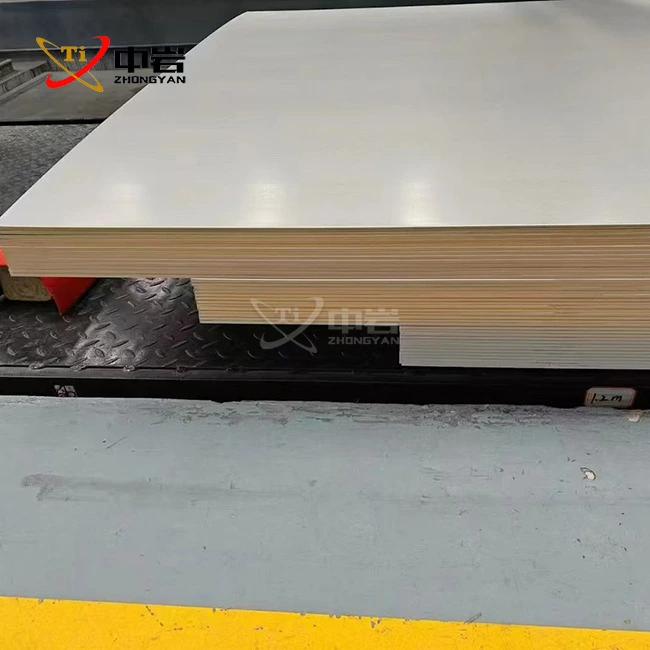
A titanium plate in head after brain surgery is a reliable option when cranial repair is required after brain surgery. These medical-grade implants fix the damage to the head, protect brain tissue that is easily damaged, and help patients heal over time. At Zhongyan, we know how important it is to make sure that the skull plates we use are precisely made and meet strict international standards. Because we've made special titanium parts for neurosurgical uses before, we can help hospitals, surgery centers, and medical device sellers who need reliable, biocompatible implant solutions that meet ASTM F136 standards and ISO compliance needs.
Understanding Titanium Plates in Brain Surgery
What Are Cranial Titanium Plates and How Are They Used?
Cranial titanium plates are fixed or semi-permanent implants used to fix problems in the skull after a decompressive skull base removal, tumor removal, or a brain injury. As neurosurgeons call it, "Syndrome of the Trephined," these implants help people who have problems where missing skull parts make it harder to control the pressure inside the head and leave the brain open to damage from the outside. Surgical connection entails attaching the titanium plate to the head after brain surgery using specialized screws and fixation systems to create a safe framework that works like the skull's natural defense system. Modern devices that are made just for one patient use 3D image data from CT scans. This lets companies like Zhongyan CNC-machine plates with exact anatomical curves. This customization cuts down on surgery time, improves physical results, and makes sure that the implant fits perfectly on a wide range of patient bodies.
Key Material Advantages Driving Clinical Adoption
Medical professionals and buying teams highly regard titanium cranial plates for many important reasons that have a direct effect on patient safety and the efficiency of the institution:
Biocompatibility and Osseointegration: Medical-grade titanium is very compatible with human tissue, which means that rejection risk is much lower than with older stainless steel implants. The surface chemistry of the material helps osseointegration, which is when bone cells slowly join with the implant, making it stable in the long run.
These benefits have real-world value for people who buy medical equipment and are looking at implant collections. Fewer complications mean lower readmission costs, and since the material is compatible with MRIs, the implants don't have to be taken out before the scans, which is a big practical benefit over ferromagnetic materials.
Comparing Titanium to Alternative Implant Materials
Procurement managers often compare titanium plates to donor bone grafts, PMMA (polymethyl methacrylate) acrylic implants, and new bioresorbable materials when they are looking at choices for cranial repair. There is a 20–30% chance of loss and an infection risk when autologous bone is used again, which makes it less reliable than made implants. While PMMA can be customized, it doesn't have the osseointegration qualities or longevity of titanium, which is especially important for people who need to have surgery again. Bioresorbable composites are a new technology that is still being developed, but the ones that are available now don't have the mechanical strength that is needed for big cranial defects. Titanium is the best material for complicated neurosurgical repairs because it has a long history of success in clinical trials and can be used with modern imaging tools. We at Zhongyan can use CNC machining to make unique titanium plates of different sizes and shapes, so we can meet both common and very specific surgery needs.
Recognizing Postoperative Symptoms and Complication Indicators
Knowing the difference between normal healing patterns and warning signs helps healthcare teams and quality inspection staff in procurement to judge how well implants are working. Typical symptoms after surgery include pain near the incisions, slight swelling, and brief sensitivity to changes in temperature near the implant. As the soft tissue in the head gets used to the titanium plate in head after brain surgery, these symptoms usually go away in six to twelve weeks. Problems that need quick attention include drainage that won't go away, which could mean an infection; the implant being visible through the wound; pain that won't go away even after taking painkillers; or changes in the nervous system that could mean there are problems with intracranial pressure. These situations are uncommon because implants that are properly made and meet ASTM F136 standards are usually fine, but they show how important it is for suppliers to keep an eye on quality and keep track of products all the way through the manufacturing process.
Recovery Timeline and Patient Experience with Titanium Plates
Healing Phases Following Cranial Implant Surgery
Recovery from brain surgery with cranial plate placement goes through different stages that help doctors know what to expect and help people plan how to get the goods they will need after surgery. The first two weeks after surgery are all about treating the area and keeping an eye out for infections. The titanium plate in the head after brain surgery is still mechanically safe during this time, but the surrounding soft tissue needs to be carefully managed. Osteointegration starts when bone cells move to the implant surface during the middle mending phase, which lasts for two to twelve weeks. During this time, patients can usually start doing light activities again, but they still can't do physical sports or other high-impact activities. Titanium and skull bone are biologically joining for a few months, which makes the structural link stronger over time.
Managing Pain and Discomfort Associated with Cranial Implants
Pain levels change a lot from patient to patient, depending on the length of surgery, the size of the implant, and the person's pain threshold. Incision healing, muscle stress from changing the shape of the head, and nerve sensitivity near fixation screws are all common causes of pain. Medications and physical treatment are often used together in effective management methods. Buying choices about the specs of titanium plates can affect how comfortable patients are. Plates with smooth, polished surfaces are less likely to irritate soft tissues, and edges that are precisely cut lower the risk of feeling metal under the skin. At Zhongyan, we treat the surfaces of our implants using ultrasonic cleaning and passivation. This makes the surfaces more biocompatible and more comfortable for the patients. These details about the manufacturing process are very important to look at when choosing a trustworthy titanium plate maker for your surgery.
Best Practices for Post-Surgical Care and Monitoring
Clinical guidelines after frontal plate implantation stress avoiding infections, keeping an eye on the health of the wound, and slowly starting to do normal activities again. For the first few weeks of healing, wounds need to be kept dry and free of mechanical stress. This is why special dressings and patient teaching tools are needed. Neurosurgery departments should make sure that their procurement teams have enough clear adhesive bandages on hand so that they can be monitored visually without having to be taken off often. Patients are taught how to spot signs of illness, such as redness, warmth, swelling, or discharge that need to be checked out right away by a doctor. Keeping an eye on the temperature for the first two weeks helps find systemic infections early, when treatment is still most likely to work. As part of making changes to your lifestyle, you may not be able to do heavy work, contact sports, or other activities that could cause direct head impact until the medical team is sure that the patient is fully healed and the implant has integrated.
Technical and Safety Considerations of Titanium Plates
MRI Compatibility and Imaging Safety Protocols
One big difference between titanium skull plates and other materials is that they can be used with magnetic resonance imaging. Medical-grade titanium used in cranial repair doesn't interact with magnetic fields as much as ferromagnetic stainless steel implants, which can cause dangerous projectile risks and bad imaging flaws. This feature makes it safe for people with titanium plates to get MRI scans, which are needed to check on their brain health, find recurrent tumors, or figure out what's wrong with their nerves. Radiology departments like this match because it means implants don't have to be taken out before imaging, which is a risky and expensive extra step that had to be done with older ferromagnetic materials. But rules for how surgery teams and imaging units talk to each other are still important. Radiologists should get information about the type of implant, its size, and the tools used to hold it in place so that they can get the best imaging results and be ready for small marks that might show up where the implant meets the bone.
Interactions with Security Systems and Metal Detectors
Patients often ask about airport security checks and how sensitive metal detectors are after having a skull plate put in. Titanium is not ferromagnetic, which makes it harder for security systems to find, but not impossible. Most current security systems can tell the difference between titanium implants and ferrous metals, which set off more active alarms. As a practical matter, patients should take their medical records or implant cards given by the surgery teams. Communication with security staff during screening is made easier by these papers, which detail the titanium plate in head after brain surgery and its function. Hand-held metal detectors used for secondary screening can usually find the implant site. Titanium is safe to use during this process, unlike magnetic materials that can move or get hot in strong fields.
Long-Term Durability and Revision Surgery Considerations
Titanium skull plates that are made correctly last a very long time. Many implants stay useful for decades without needing to be replaced. The material doesn't break down in the biochemical environment of the body, and its mechanical qualities keep it from wearing out under usual physiological loads. In clinical papers, titanium implants are said to work well for 20 to 30 years, and in many cases, the patient will have them for their whole life without any further care. Most of the time, revisions are needed because of an infection rather than a failed device. When a deep tissue infection forms around a cranial plate, it needs to be taken out to get rid of the germs that are causing the infection. This is followed by a course of intensive antibiotic treatment before the plate can be put back in. Trauma that breaks the head may also require plate replacement if the original implant gets damaged during the injury.
Procurement Insights: Selecting and Sourcing Titanium Plates for Brain Surgery
Evaluating Manufacturers and Supplier Certifications
When buying cranial titanium plates strategically, suppliers must be carefully checked for legal compliance, quality management systems, and production capabilities. For implantable medical devices, FDA approval or CE marking is the minimum standard. This shows that makers have good design controls, can track materials, and have post-market monitoring systems in place. In addition to getting permission from regulators, ISO 13485 certification shows that you follow quality management standards for medical devices throughout the whole production process. This standard calls for written steps to be taken for checking materials, making sure processes work, and handling problems that don't meet standards. These are important steps that make sure the quality of implants is the same from one production batch to the next. Instead of just taking initial certification paperwork, procurement teams should ask for proof of regular third-party checks that show ongoing compliance.
Understanding Pricing Dynamics and Cost Structures
Titanium skull plate prices depend on a lot of different factors that purchasing managers need to look at in order to get the best deal while still keeping quality standards. Material grade is the most important thing. Medical-grade titanium that meets ASTM F136 specs costs more than commercial-grade titanium because it has to meet strict purity standards and biocompatibility tests. This difference in costs has a direct effect on patient safety and compliance, so it's not a good place to cut costs. The need for customization has a big effect on prices. When a lot of standard plate configurations are made, economies of scale are achieved. On the other hand, patient-specific implants created from CT data need custom CNC code, more time for machining, and quality checks that are unique to each unit. As a way to balance surgery outcomes with limited budgets, healthcare systems often keep a stock of standard sizes while saving custom-made implants for cases involving complicated anatomy.
Custom Implant Ordering and OEM Collaboration
When a patient has a complex cranial defect due to extensive trauma or tumor resection, they often require implant options not available from a standard catalog. To create a custom titanium plate in head after brain surgery, medical teams, manufacturing engineers, and quality specialists must collaborate to convert 3D anatomical imaging into precise implant specifications. The process begins with high-resolution CT data, which specialists then transform into 3D models accurately representing the cranial defect geometry. OEM relationships with skilled makers make it easier to make custom implants. Zhongyan's tech team works directly with surgery programs to make sure that implant designs are as accurate as possible while also being easy to make. Our CNC machines can handle complicated curves and different thickness profiles, so we can make implants that match the shape of a person's head while still keeping their structural integrity. This way of working together cuts down on design changes and speeds up delivery times, which are very important for planning surgeries.
Making the Right Choice: Titanium Plates Versus Alternatives
Comparing Clinical Outcomes Across Implant Materials
To make choices based on evidence, you need to know how the therapeutic results of titanium cranial plates compare to those of other reconstruction materials. Meta-analyses that look at infection rates, the number of revision surgeries, and patient-reported results reliably show that titanium has a good profile across a number of measures. In big case series, the rate of infection for properly made titanium implants is between 2 and 5 percent. This is about the same or better than the rate of infection for autologous bone grafts while avoiding donor site mortality.
Matching Implant Selection to Clinical Scenarios
Instead of focusing on a single material, the best procurement plans keep a wide range of implant options that can be used in different clinical settings. Bioresorbable materials may be able to fill in small holes in the skull in low-stress areas in children who need brief devices because they are still growing. Titanium is very strong and has been shown to last a long time, making it perfect for people with large fronto-temporo-parietal defects that need the most security.
Future-Proofing Procurement Strategies
As medical technology changes, buying plans need to be able to adapt to new implant technologies and changes in regulations. A new trend is the use of additive manufacturing (3D printing) to make titanium implants. This could speed up production and give designers more freedom when making designs for complicated shapes. Before deciding to use printed devices for important tasks, procurement teams should look at how much each maker has invested in additive capabilities and how mature their quality control is.
Conclusion
Titanium cranial plates are a reliable and scientifically proven way to rebuild the skull after brain surgery. They offer biocompatibility, durability, and safety benefits that are essential for patients to have good results. By learning about the healing process, technical issues, and buying factors, healthcare companies can choose the best implants and have better relationships with their suppliers. Strategic buying teams that emphasized quality certifications, production skills, and quick customer service set up supply chains that support clinical excellence in a wide range of neurosurgical situations. As medical device technology keeps getting better, healthcare systems can keep providing the best cranial reconstruction solutions that meet changing patient needs and expectations by partnering with experienced manufacturers who are dedicated to innovation and following all regulations.
FAQ
How long do titanium cranial plates typically last after implantation?
Medical-grade titanium plates last a very long time. They usually work well for 20 to 30 years or longer before they need to be replaced. The material doesn't break down in the body's biological environment because it doesn't rust and is mechanically stable. Unless problems like infection or secondary injuries make removal necessary, the majority of patients keep their original titanium plate in the head after brain surgery for the rest of their lives.
Can titanium cranial plates cause allergic reactions?
Titanium is safe and has a very low rate of sensitivity compared to other implant materials. According to a dermatology study, true titanium allergies still happen to less than 0.6% of the population every year. People who are known to be allergic to nickel or chromium usually don't have any problems with titanium implants. This makes it the best material for people who are worried about allergies.
Will airport security detect my cranial titanium plate?
Ironically, security screening tools can find metal implants, but they don't go off as loudly as ferromagnetic materials. Patients should carry medical records that explain what the implant is made of and what it's for. During secondary screening, hand-held scanners will find the location of the implant without hurting the person or raising safety concerns, since titanium doesn't pose a risk during security processes that use metal detection technology.
Partner with Zhongyan for Premium Medical-Grade Titanium Solutions
Zhongyan is a trusted titanium plate in head after brain surgery. They use advanced manufacturing techniques and strict quality control to make cranial implants that meet the strictest medical needs. Our factory in Baoji, China's Titanium Valley, gives us direct access to high-quality raw materials and specialized processing know-how, which lets us make custom CNC-machined plates that meet ASTM F136 and ISO 13485 standards. Our technical consultation services, flexible production schedules, and detailed material traceability documents support institutional quality systems, making us a reliable partner for healthcare procurement workers looking for standard and patient-specific implants.
Connect with our engineering team at sales@titaniumstudy.com to talk about your specific cranial plate requirements, review our certification documentation, or request samples demonstrating our manufacturing precision. Whether your surgical program requires volume supply agreements for standard configurations or collaborative development of custom implant solutions, Zhongyan delivers the material quality, technical expertise, and customer service excellence that healthcare organizations demand.
References
1. Alkhaibary, A., Alharbi, A., Alnefaie, N., Oqalaa Almubarak, A., & Aloraidi, A. (2020). Cranioplasty: A Comprehensive Review of the History, Materials, Surgical Aspects, and Complications. World Neurosurgery, 139, 445-452.
2. Cheng, C. H., Lee, H. C., Chen, C. C., Cho, D. Y., & Lin, H. L. (2018). Titanium cranioplasty might be better than PMMA cranioplasty: Evidence from a systematic review and meta-analysis. Journal of Clinical Neuroscience, 48, 1-8.
3. Mukherjee, S., Thakur, B., Haq, I., Hettige, S., & Martin, A. J. (2014). Complications of titanium cranioplasty—a retrospective analysis of 174 patients. Acta Neurochirurgica, 156(5), 989-998.
4. Ruan, H., Pan, Y., Yang, Q., Tang, H., Liu, Y., Li, M., & Xu, J. (2017). Comparison between titanium mesh and autogenous bone flap for cranioplasty after decompressive craniectomy. Medicine, 96(10), e6015.
5. Shah, A. M., Jung, H., & Skirboll, S. (2014). Materials used in cranioplasty: a history and analysis. Neurosurgical Focus, 36(4), E19.
6. Zanotti, B., Zingaretti, N., Verlicchi, A., Robiony, M., Alfieri, A., & Parodi, P. C. (2016). Cranioplasty: Review of materials. Journal of Craniofacial Surgery, 27(8), 2061-2072.
Learn about our latest products and discounts through SMS or email