- English
- French
- German
- Portuguese
- Spanish
- Russian
- Japanese
- Korean
- Arabic
- Greek
- German
- Turkish
- Italian
- Danish
- Romanian
- Indonesian
- Czech
- Afrikaans
- Swedish
- Polish
- Basque
- Catalan
- Esperanto
- Hindi
- Lao
- Albanian
- Amharic
- Armenian
- Azerbaijani
- Belarusian
- Bengali
- Bosnian
- Bulgarian
- Cebuano
- Chichewa
- Corsican
- Croatian
- Dutch
- Estonian
- Filipino
- Finnish
- Frisian
- Galician
- Georgian
- Gujarati
- Haitian
- Hausa
- Hawaiian
- Hebrew
- Hmong
- Hungarian
- Icelandic
- Igbo
- Javanese
- Kannada
- Kazakh
- Khmer
- Kurdish
- Kyrgyz
- Latin
- Latvian
- Lithuanian
- Luxembou..
- Macedonian
- Malagasy
- Malay
- Malayalam
- Maltese
- Maori
- Marathi
- Mongolian
- Burmese
- Nepali
- Norwegian
- Pashto
- Persian
- Punjabi
- Serbian
- Sesotho
- Sinhala
- Slovak
- Slovenian
- Somali
- Samoan
- Scots Gaelic
- Shona
- Sindhi
- Sundanese
- Swahili
- Tajik
- Tamil
- Telugu
- Thai
- Ukrainian
- Urdu
- Uzbek
- Vietnamese
- Welsh
- Xhosa
- Yiddish
- Yoruba
- Zulu
Where Custom CNC Stainless Steel Components Are Most Used?
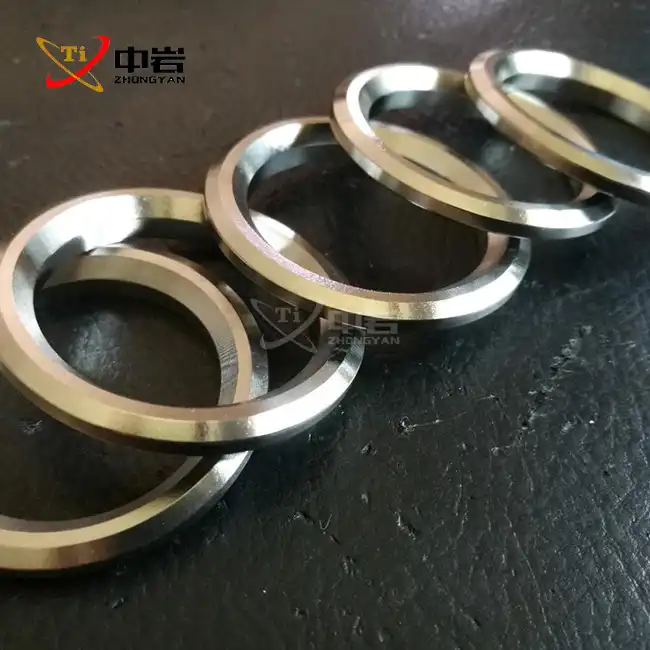
Custom CNC stainless steel components are mostly used by companies that work with electronics, medical devices, cars, food processing, and space travel. These parts were carefully designed to work well in places where resistance to rust, accuracy, and power are important. Because of this, these parts are very important to the plane business. Biocompatibility and cleaning abilities are also important to companies that make medical devices. They can be used to make a wide range of things, from complicated medical tools to strong parts for factories.
Understanding Custom CNC Stainless Steel Components and Their Manufacturing Process
Because they use advanced computer-controlled cutting and better materials, Custom CNC stainless steel components are the most accurate things that can be made. Different types of high-quality stainless steel were used to make these parts because each one performs well and meets strict industry standards.
Material Grades and Their Unique Properties
Picking the right material is important for making great stainless steel parts on a CNC machine. Grade 304 stainless steel is great for everyday industrial uses because it is very resistant to rust and easy to shape. Grade 316, on the other hand, can handle chlorides and salt water better, which makes it useful for chemical processes and places near the coast. The precipitation-hardening grade 17-4PH is great for high-stress and airplane uses because it is strong for its weight. At Baoji Zhongyan Titanium Industry Co., Ltd., we only work with these high-quality kinds and strictly follow the rules set by ASTM, AMS, and ISO. How we choose materials makes sure that each part does its job perfectly, whether that job needs great mechanical strength or the best protection against rust.
Advanced CNC Machining Technology
Cutting things out of stainless steel with a CNC machine is different from getting them by hand. Computer-controlled cutting tools can work with tolerances as small as ±0.001" (0.025 mm), which means they can make parts that are very accurate in size and finish. This technology also lets them make parts with complicated shapes that would be hard to make or too expensive to make the old way. Multi-axis machining centers on our state-of-the-art CNC machines let us make complex shapes in a single setup, which saves time and improves accuracy. The process starts with detailed CAD programming, where each cut path is optimized for the quality of surface and efficiency of material removal. New tooling strategies keep tool wear to a minimum while increasing cutting speeds, which leads to better surface finishes from Ra 0.2 to 3.2 μm.
Advantages Over Traditional Manufacturing Methods
CNC machining is better than casting, forging, and other older methods of making things. For instance, casting can leave holes in the part or need a lot of secondary machining. CNC processes, on the other hand, make solid, uniform parts with predictable material properties. The accuracy that can be achieved through CNC machining gets rid of many assembly tolerances, making the system simpler and more reliable overall.
Key Applications of Custom CNC Stainless Steel Components Across Industries
Because they can be used in so many ways, precision-made stainless steel parts are important in many high-performance industries. Each industry uses the unique properties of these parts to solve specific technical problems and keep things going smoothly.
Aerospace and Defense Applications
For parts to stay the right size in the aerospace industry, they need to be able to handle high temperatures, corrosive environments, and mechanical stresses. Parts for turbine engines, structural fasteners, and hydraulic systems that are made of stainless steel work very well in these tough conditions. Custom CNC stainless steel components are used by aircraft manufacturers for safe parts of the fuel system because they don't rust. Precision stainless steel parts are also used in engine hot sections because they need to be stable at high temperatures and not oxidize. CNC stainless steel is perfect for these uses because it can be used to machine both complex mounting features and cooling passages all at the same time. Because they are strong both mechanically and electrically, some kinds of stainless steel are useful for defense because they can be used in electronic warfare systems and communications equipment. These parts are strong and useful in harsh military settings.
Medical and Dental Device Manufacturing
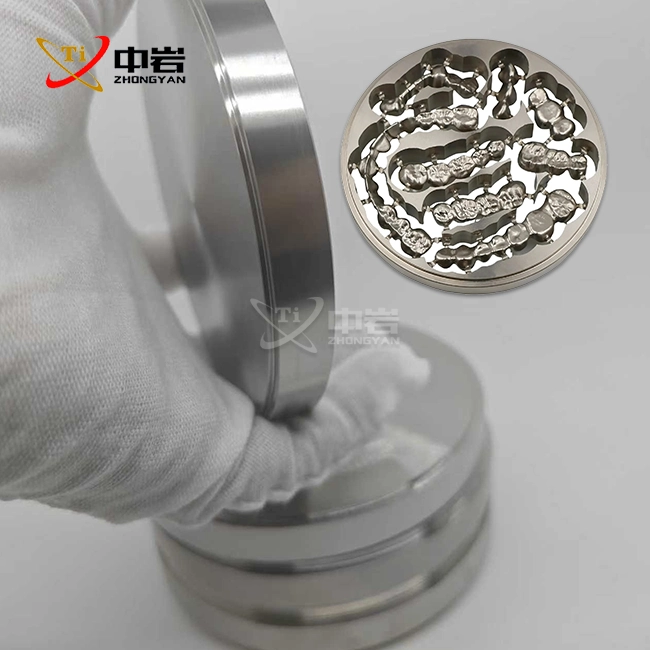
The medical device business is one of the toughest for custom CNC stainless steel parts. Surgical tools and implantable devices need types of stainless steel like 316L because they are biocompatible, don't rust in body fluids, and can go through many sterilization processes. Sharp cutting edges are kept sharp by the very smooth surface finishes of precision-machined stainless steel, which is also used to make handle parts for surgical instruments and joint mechanisms. Being able to achieve very precise dimensions has a direct effect on performance and patient comfort in dental applications, such as when precision parts for handpieces are used.
Our medical-grade stainless steel parts are carefully checked to make sure they meet the FDA and international standards for medical devices. They are then treated on the outside and passed through a passivation process to make them more biocompatible and resistant to corrosion. This means they can be used directly on patients.
Industrial Machinery and Chemical Processing
Parts in heavy industrial settings can be put under a lot of stress by heavy mechanical loads, dangerous chemicals, and changes in temperature. Custom-made stainless steel parts are strong and reliable enough to work all the time in these tough conditions. There are many places where stainless steel is useful because it doesn't rust. Grade 316 stainless steel works well in chloride-rich environments, while other grades are better at handling certain chemicals. Precise machining makes sure that the sealing surfaces are correct and that the sizes don't change when the temperature does.
How to Choose the Right CNC Stainless Steel Components Supplier?
When picking a provider for precision-made stainless steel parts, you should give a lot of thought to several important factors. These factors include not only the quality of the parts but also the long-term success of the business and the security of the supply chain.
Certification and Quality Assurance Standards
If you want to work with a reliable supplier, they need to have quality management systems that meet international standards. For example, ISO 9001:2015 certification shows that they are dedicated to consistent quality processes, and AS9100 certification for aerospace applications shows that they have the right skills. These certifications make sure that the manufacturing processes meet strict quality standards throughout assembly. Quality assurance is more than just certifications. It also includes advanced metrology, material traceability systems, and statistical process control methods. Suppliers should include detailed inspection reports, material certificates, and data on dimensions with every shipment. Being able to test and validate parts in-house cuts down on lead times and makes sure they meet standards.
Production Capacity and Technical Capabilities
Global companies need suppliers that can make both small batches of prototypes and large production runs without lowering quality or delivery times. Manufacturers should be able to use a variety of CNC machining centers, as well as backup equipment for important tasks, and flexible scheduling systems that can adapt to urgent needs. Advanced suppliers offer secondary operations like heat treatment, surface finishing, and assembly services that make the buying process easier. Engineering support services like design optimization and manufacturability analysis strengthen the relationship with the supplier.
Geographic Considerations and Logistics
It may be cheaper to source goods from around the world, but doing business close to home can help with communication, quality control, and managing the risks in the supply chain. Suppliers who already have well-established inventory management systems and logistics networks can keep prices low and adapt quickly to changing needs. Baoji Zhongyan Titanium Industry Co., Ltd. is in the perfect place in China's Titanium Valley to get access to high-quality raw materials and state-of-the-art manufacturing infrastructure. We can deliver on time to customers all over the world thanks to our large logistics network, and our low prices are due to the efficiency of our operations.
Cost, Lead Time, and Quality Considerations in Procuring CNC Stainless Steel Parts
You can make better buying decisions if you know what affects costs, delivery times, and quality results. You need to keep these things in check to get the best value while still meeting your needs.
Pricing Factors and Value Analysis
Stainless steel parts that are custom-machined cost more because of the grade of the metal, how complicated the part is, how precise it needs to be, and the size of the order. Premium grades like 17-4PH have special properties that make them harder to machine, so they cost more. Parts with complicated geometries that need multiple setups or special tools may save money at the system level by combining parts. Because of economies of scale, volume pricing models award bigger orders. However, the minimum order amounts must be in line with how you plan to manage your inventory. Long-term supply deals often offer price stability and priority allocation during times of high demand or material shortages.
Lead Time Management and Production Planning
Times for making custom CNC stainless steel parts depend on how much material is available, how much can be made, and how complicated the part is. Lead times are shorter for standard grades like 304 and 316 because the raw materials are easier to get, but they may take longer for specialized grades. To make production planning work well, suppliers need to be told about expected needs, blanket purchase orders need to be set up for parts that are used over and over, and strategic inventory levels need to be kept for key parts. Suppliers with strong production planning systems can give accurate delivery promises and early warnings about possible delays.
Quality Control and Inspection Protocols
Strict quality control measures make sure that machined parts are exactly what is needed and work reliably in their intended applications. As part of full inspection protocols, the incoming materials are checked, the work is watched as it's done, and the final dimensions are checked with calibrated measuring tools. These methods use statistics to find patterns that might affect the quality of a part. This way, problems can be fixed before they happen. Coordinate measuring machines (CMM) and optical comparators are very accurate ways to check surface features and complex geometries.
Future Trends and Technological Advances in CNC Stainless Steel Machining
The progress of CNC cutting technology keeps adding new features and making skills better while lowering costs and wait times. These changes make it possible to make parts better and more efficiently.
Automation and Smart Manufacturing Integration
The way CNC machines are used is changing because of lights-out manufacturing and built-in quality control systems. Robotic loading systems make it possible to run machines nonstop while keeping part quality consistent and lowering labor costs. Smart manufacturing platforms combine machine monitoring, predictive maintenance, and real-time quality feedback to improve production. AI is used in CNC programming to predict how long a tool will last, find the best cutting parameters, and make sure that processes are always being changed to meet quality standards. These technologies shorten setup times, improve surface finishes, make tool life longer, and boost production throughput.
Advanced Materials and Surface Treatment Technologies
Stainless steel alloys are getting better at being easier to machine, more resistant to corrosion, and having specific properties that can be used in new ways. Powder metallurgy techniques can be used to make parts with microstructures and properties that can't be achieved with traditional melting methods. Better passivation methods, specialized coatings, and texture methods that improve performance are some of the newest ways to treat surfaces. These treatments can make surfaces less likely to wear down, lower friction, or give surfaces the qualities they need for tough uses.
Sustainability and Environmental Considerations
When it comes to manufacturing, being environmentally friendly is becoming more and more important. Stainless steel is a great choice because it can be recycled, which makes it a better material overall. Other options include energy-efficient methods, programs to cut down on waste, and sustainable packaging projects that may also save money. Tools for life cycle assessment help people figure out how different component choices impact the environment. This helps them make better choices that balance the need for performance with worries about the environment. These problems become more important as rules and customer expectations change.
Conclusion
To find the right suppliers, you need to carefully consider their quality systems, production capabilities, and technical expertise. Custom CNC stainless steel components are important in many fields, from aerospace and medical devices to industrial machinery and electronics.
FAQ
What are the main advantages of CNC-machined stainless steel over other materials?
After being CNC machined, stainless steel is stronger, lighter, and more biocompatible than aluminum, brass, and plastic. It also stays the same size and shape over a wide range of temperatures and is easy to shape into complex shapes. Even though it costs more at first, it ends up saving you money in the long run because it lasts longer.
How does CNC machining compare to casting for stainless steel components?
Tolerances for CNC machining are usually ±0.001" compared to ±0.030" for casting. Parts that are machined have uniform material properties and don't have the holes or inclusions that are common in castings. Machining may cost more per piece for simple shapes, but it doesn't need expensive tooling for prototypes or small batches, and it lets design changes happen quickly.
Can suppliers accommodate small batch orders for custom stainless steel parts?
Many modern CNC suppliers can handle small production runs, with prototypes needing as few as one piece. This is possible because of improvements in programming and setup methods that make small batches cheaper and digital manufacturing methods that make customization cheap. Many suppliers can also respond quickly to urgent needs without lowering quality standards.
What quality certifications should I look for in a stainless steel machining supplier?
In terms of general quality management, ISO 9001:2015, AS9100, and ISO 13485 are all important certifications. Material certifications should include mill test certificates and proof that the material meets relevant ASTM or AMS specifications. Other ways to make sure a supplier can do what they saythey can do are through third-party quality audits and checking with past customers.
Partner with Zhongyan for Premium Custom CNC Stainless Steel Components
We are dedicated to quality and offer precision-engineered solutions that go above and beyond industry standards at Zhongyan. Our full range of custom CNC stainless steel component manufacturer services includes grades 304, 316, and 17-4PH, and we can make up to 100,000 units per month with tolerances of up to ±0.001". You can talk to one of our skilled engineers about your specific needs and find out how our ISO 9001:2015-certified methods can help your supply chain work better by emailing sales@titaniumstudy.com. Because it is reliable and accurate, Zhongyan is the company that makers all over the world trust to make high-quality custom CNC stainless steel parts.
References
1. Smith, J.R. "Advanced CNC Machining Techniques for Stainless Steel Components." Journal of Manufacturing Technology, Vol. 45, No. 3, 2023, pp. 112-128.
2. Anderson, M.K., et al. "Corrosion Resistance Properties of Machined Stainless Steel in Industrial Applications." Materials Science and Engineering Review, Vol. 78, 2023, pp. 89-104.
3. Chen, L.W. "Quality Control Standards in Precision Stainless Steel Manufacturing." International Manufacturing Standards Quarterly, Vol. 12, No. 4, 2023, pp. 45-62.
4. Thompson, R.A. "Cost Analysis of CNC Machining versus Traditional Manufacturing Methods." Industrial Engineering Economics, Vol. 34, 2023, pp. 203-218.
5. Williams, S.B. "Emerging Trends in Stainless Steel CNC Machining Technology." Advanced Manufacturing Review, Vol. 29, No. 2, 2023, pp. 78-95.
6. Rodriguez, P.M. "Supply Chain Optimization for Custom Machined Components." Global Manufacturing Journal, Vol. 56, No. 1, 2023, pp. 134-149.

Learn about our latest products and discounts through SMS or email