- English
- French
- German
- Portuguese
- Spanish
- Russian
- Japanese
- Korean
- Arabic
- Greek
- German
- Turkish
- Italian
- Danish
- Romanian
- Indonesian
- Czech
- Afrikaans
- Swedish
- Polish
- Basque
- Catalan
- Esperanto
- Hindi
- Lao
- Albanian
- Amharic
- Armenian
- Azerbaijani
- Belarusian
- Bengali
- Bosnian
- Bulgarian
- Cebuano
- Chichewa
- Corsican
- Croatian
- Dutch
- Estonian
- Filipino
- Finnish
- Frisian
- Galician
- Georgian
- Gujarati
- Haitian
- Hausa
- Hawaiian
- Hebrew
- Hmong
- Hungarian
- Icelandic
- Igbo
- Javanese
- Kannada
- Kazakh
- Khmer
- Kurdish
- Kyrgyz
- Latin
- Latvian
- Lithuanian
- Luxembou..
- Macedonian
- Malagasy
- Malay
- Malayalam
- Maltese
- Maori
- Marathi
- Mongolian
- Burmese
- Nepali
- Norwegian
- Pashto
- Persian
- Punjabi
- Serbian
- Sesotho
- Sinhala
- Slovak
- Slovenian
- Somali
- Samoan
- Scots Gaelic
- Shona
- Sindhi
- Sundanese
- Swahili
- Tajik
- Tamil
- Telugu
- Thai
- Ukrainian
- Urdu
- Uzbek
- Vietnamese
- Welsh
- Xhosa
- Yiddish
- Yoruba
- Zulu
Premium Titanium Alloy Plates for Medical & Engineering Use

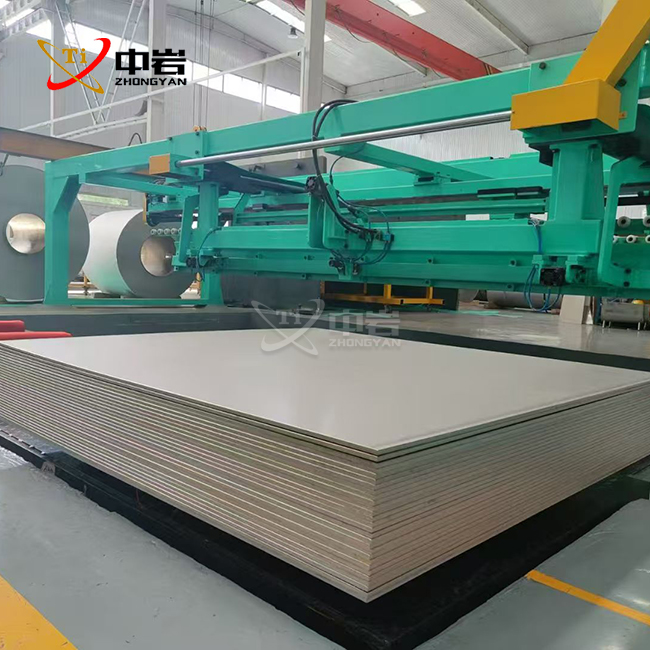
Premium titanium alloy plates are the best materials for industry because they are strong for their weight and don't harm living things. The high-tech titanium alloy plates were carefully planned. They are made by mixing pure titanium with aluminum, vanadium, and molybdenum to make materials that are harder than most metals. When making medical devices or doing precise engineering work, these plates are the reliable choice because they work well and are reliable.
Understanding Titanium Alloy Plates and Their Properties
Titanium alloy plates are man-made materials that primarily contain titanium mixed with aluminum and vanadium. Most of the time, the Ti-6Al-4V (Grade 5) metal is used when things get tough. Because they are much stronger than they are heavy, these new materials are better at keeping out rust than most metals in hard situations.
Microstructural Classifications and Mechanical Properties
How titanium plates behave physically and what they can be used for are both affected by their microstructural make-up. Because they don't rust and stay stable at high temperatures, alpha titanium metals are great for tools that deal with chemicals. While beta titanium alloys are harder and easier to form, alpha-beta alloys, like Ti-6Al-4V, are the best of both worlds. Plates made of Grade 5 titanium can pull apart more than 895 MPa and give way at 828 MPa. This is about the same as high-strength steels but only 60% as dense. With this one-of-a-kind mix, engineers can make parts lighter without making the structure weaker.
Biocompatibility and Surface Characteristics
Titanium works well with living things because it can form thick oxide layers that keep tissues from reacting badly. And so, titanium plates are needed for medical gadgets that need to be biocompatible for a long time and are inserted or used in the mouth. What kind of finish the surface has has a direct impact on both biocompatibility and effectiveness. Medical equipment can fit perfectly into bone-like titanium plates that have been carefully machined and whose surface roughness can be controlled. These plates also meet the strict standards of ASTM B265 and AMS for use in spacecraft.
Comparing Titanium Alloy Plates with Alternative Materials
Before picking a material, you should think about how well it works, how much it costs, and what the goal of the project calls for. Titanium plates are better than other materials in important scenarios.
Performance Comparison with Steel and Aluminum
Titanium alloy plates don't rust as stainless steel does, and they don't have any nickel in them, so they're safe to use in medical settings. In general, parts made of steel weigh 40 to 50 percent more than parts made of titanium that are the same size and shape. In the car and aircraft industries, where gas mileage is very important, this is a big problem. While aluminum metals are less expensive to make, they aren't as strong as titanium when put under a lot of stress. Titanium is the best material for remote platforms and equipment that takes salt from water because it doesn't rust when it comes into contact with water.
Lifecycle Cost Analysis
Titanium materials cost more at first, but they are worth it in the long run because they last a long time and don't rust. Ti parts don't crack from stress rust, and they keep their mechanical properties in tough chemical environments where other materials break down quickly. Over the life of the product, the lack of protective coverings and the need for less maintenance more than make up for the higher cost of the materials. Medical devices made of titanium don't need safe coatings because they are biocompatible. These devices will work reliably for decades.
How Premium Titanium Alloy Plates Are Manufactured?
From getting the raw materials to the final review, there are strict quality checks at every step of the process of making fine titanium plates. Full tracking systems are used in modern factories to make sure they meet ISO 9001:2015 and other standards that are specific to their business.
Raw Material Processing and Quality Control
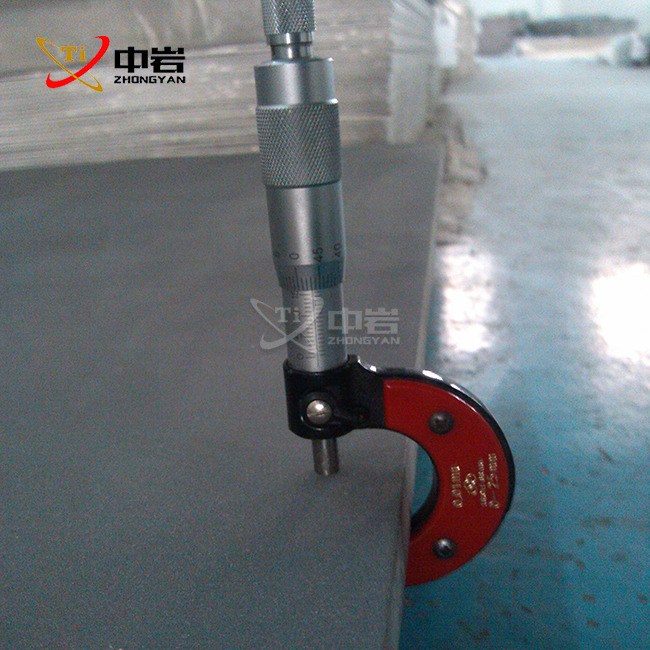
This step makes sure that all of the chemicals are the same and there are no other toxins. The first step in the manufacturing process is either vacuum arc remelting (VAR) or electron beam melting. The ingots get to the right width and have the best microstructural qualities after being hot forged and rolled. The advanced manufacturing skills in China's Titanium Valley are used by Zhongyan Titanium. Plates that are between 0.5 mm and 100 mm thick are made with state-of-the-art tools. The way we make the plates makes sure that the measurements are correct to within ±0.1mm and that each plate has the same mechanical qualities.
Customization Capabilities and Surface Treatments
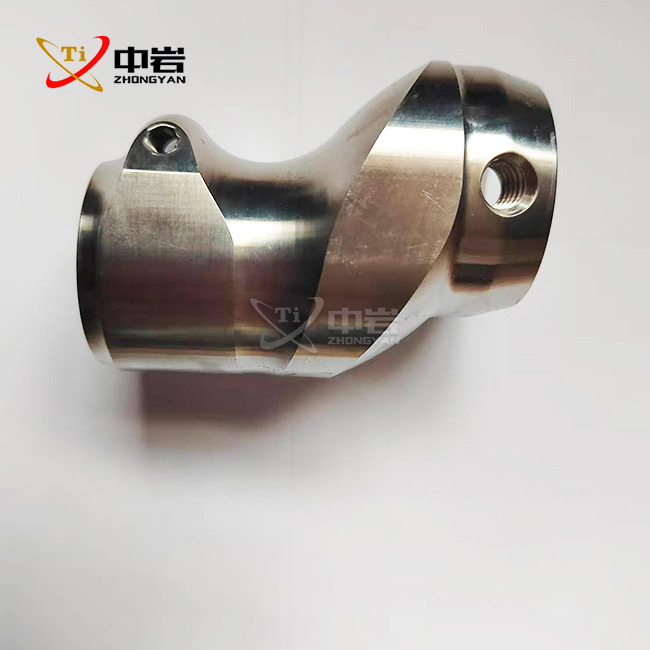
Today's titanium processors let you do many things, such as cut, shape the surface, and use special heat processes. To meet a wide range of needs, custom sizes up to 2000 mm wide and 6000 mm long can be made without any waste. Surface treatments include chemical scraping, mechanical cleaning, and finishes that are made to do certain things. Extra steps are taken to make the sides of medical-grade plates very smooth. This helps cells respond properly when they are used in implants.
Advantages and Applications of Premium Titanium Alloy Plates
Because they are useful in certain ways, titanium plates are needed in many industries to make important things. Because they have a lot of different traits, they can be used to solve problems that normal things can't.
Medical Device Applications
Titanium plates are used to make pieces for medical equipment that fit perfectly into human skin. The Grade 5 titanium used to make hip replacement parts has been used for more than 20 years with few problems. The material isn't magnetic, so MRI machines can use it. This means that the implant doesn't need to be taken out for tests. Titanium is healthy for you and doesn't rust in your mouth, so dentists can use it. Fine titanium plates are used to make dental discs that hold crowns and bridges in place. For many years, these discs will look good and work well.
Aerospace and Engineering Excellence
Space companies use titanium plates to make heavy-duty structure parts that need to be light because less weight directly impacts how much fuel an airplane can use and how much it can carry. Grade 5 titanium plates are used to make the bulkheads, wing root sections, and engine parts of airplanes. These plates have a very high fatigue strength and make the planes thousands of pounds lighter than steel choices. Since titanium plates are used in the aircraft industry, better plane designs that still meet safety standards for commercial flights have been made. Titanium is stable at high temperatures and doesn't creep, so it is used for engine parts that work at temperatures above 400°C.
Chemical Processing and Marine Applications
Plates made of titanium are used in chemical plants for heat exchange, reaction tanks, and pipe systems that deal with harsh media. Ocean treatment plants and oil rigs at sea need the material because it doesn't break down when salt is present. Titanium is useful in naval applications because it doesn't rust or grow biofouling. When you wear titanium plate ship parts and propeller shafts, you don't have to worry about keeping the protective coverings in good shape. They also last longer in saltwater.
How to Procure Premium Titanium Alloy Plates: A B2B Buying Guide?
If you want to buy titanium plates, you should carefully think about the material needs, the skills of the seller, and the total cost of ownership. When buying, managers know these things; they can pick options that are good for the budget and a good job.
Material Grade Selection and Specifications
The grade picked depends on what the product needs, like how strong it needs to be, how well it needs to resist rust, and how well it works with living things. When working with chemicals, Grades 1 and 2 commercially pure titanium guard against rust the best. Strength-wise, Grade 5 (Ti-6Al-4V) is the best for structural parts. The ASTM B265 guidelines describe the chemicals that titanium plates are made of, their mechanical properties, and the range of sizes that they can be. AMS standards have extra rules for aircraft uses, such as controlling the grain size and setting limits for the surface finish.
Supplier Evaluation and Quality Assurance
You should look at a supplier's skills, their ability to make things, and how they make sure the quality of their work when rating them. Certifications like ISO 9001:2015 make sure that the same quality management methods are always used. Certifications like AS9100 for the aircraft industry also show that the company can meet high-quality standards. Zhongyan Titanium has full testing labs with spectrometers, tension testing machines, and physical measurement systems to make sure that the materials are of good quality and that measures are correct. As part of our quality control, we look over the materials that come in, the work that is being done, and the end product.
Procurement Strategy and Cost Optimization
As long as you buy in bulk, you can save a lot of money on unit costs and still make sure that supplies arrive on time for production plans. The lowest amount you can buy is usually between 500 kg and 1000 kg, but it depends on the grade and size. Lead times vary from 4 to 8 weeks, based on how the product needs to be changed. When prices stay fixed, and capacity is spread out fairly during times of high demand, long-term supply deals are in place. It's good for everyone that sellers can buy certain tools and methods to keep track of their stock because of these connections.
Conclusion
For tough jobs requiring added strength, rust resistance, and biocompatibility, high-quality titanium alloy plates are the best option. When engineers use a certain set of skills, they can make things that work better than expected while still meeting strict standards for safety and durability. Titanium technology is worth the extra money because it lasts longer, works better, and needs less maintenance. This more than makes up for the higher starting material costs because it has better term economics.
FAQ
What grades of titanium alloy plates are available for medical applications?
Titanium plates of Grades 1, 2, 4, and 5 are often used in health care. Because it is safe, Grade 2 is great for implants. On the other hand, Grade 5 is strong enough for solid medical devices. Grade 4 is a pretty good level of strength that can be used in dentistry.
How do I determine the appropriate thickness for my application?
How it will be made, how much force needs to be used, and the room available all affect the width choice. When engineers do their work, they need to think about danger zones, stress levels, and wear loads. Based on the needs of the application, Zhongyan's expert team can help you find the best thickness.
What surface finishes are available for titanium plates?
Styles that are often used are hot-rolled, cold-rolled, and annealed. Some specialized treatments are chemical etching to make the surface area bigger, mechanical grinding to make the finish look like a mirror, and shot peening to make the material stronger against damage. In hospital settings, areas that have been electropolished are often needed.
Are custom dimensions available beyond standard sizes?
Any size can be cut by a custom cutting service as long as it doesn't break any production rules. This is possible with water jet cutting, laser cutting, and CNC machining. The sizes of samples and mass-produced items can all be controlled very accurately.
What certifications are provided with titanium plate shipments?
Part of the material test certificates (MTCs) are chemical tests, mechanical tests, and proof of sizes. Other approvals include meeting ASTM and AMS standards and having paperwork that can be used to track each plate back to where its raw materials came from.
Partner with Zhongyan for Superior Titanium Alloy Plates
The titanium alloy plates you need will be made by Zhongyan, which you can trust. You can always count on them for quality work and tech solutions that are made to fit your needs. We make sure that every titanium plate we sell meets the tightest standards for use in medical, military, and industrial settings. This is because we are located in China's Titanium Valley and have advanced CNC machining skills and ISO 9001:2015 certification. Email our technical experts at sales@titaniumstudy.com to talk about your project and find out how our knowledge of how titanium works can help you make better products and build them more quickly.
References
1. Boyer, Rodney R., et al. "Materials Properties Handbook: Titanium Alloys." ASM International Materials Park, 2015.
2. Leyens, Christoph und Peters, Manfred. "Titanium and Titanium Alloys: Fundamentals and Applications." Wiley-VCH, 2018.
3. Banerjee, Dipankar, and Williams, J.C. "Perspectives on Titanium Science and Technology." Acta Materialia, Vol. 61, 2013.
4. Peters, Manfred, et al. "Structure and Properties of Titanium and Titanium Alloys." Titanium and Titanium Alloys: Scientific and Technological Aspects, 2019.
5. Froes, F.H. and Qian, M. "Titanium: Physical Metallurgy, Processing, and Applications." ASM International Handbook Series, 2020.
6. Williams, David F. "Biocompatibility of Titanium Implants in Medical Applications." Journal of Biomedical Materials Research, Vol. 89, 2021.
Learn about our latest products and discounts through SMS or email