- English
- French
- German
- Portuguese
- Spanish
- Russian
- Japanese
- Korean
- Arabic
- Greek
- German
- Turkish
- Italian
- Danish
- Romanian
- Indonesian
- Czech
- Afrikaans
- Swedish
- Polish
- Basque
- Catalan
- Esperanto
- Hindi
- Lao
- Albanian
- Amharic
- Armenian
- Azerbaijani
- Belarusian
- Bengali
- Bosnian
- Bulgarian
- Cebuano
- Chichewa
- Corsican
- Croatian
- Dutch
- Estonian
- Filipino
- Finnish
- Frisian
- Galician
- Georgian
- Gujarati
- Haitian
- Hausa
- Hawaiian
- Hebrew
- Hmong
- Hungarian
- Icelandic
- Igbo
- Javanese
- Kannada
- Kazakh
- Khmer
- Kurdish
- Kyrgyz
- Latin
- Latvian
- Lithuanian
- Luxembou..
- Macedonian
- Malagasy
- Malay
- Malayalam
- Maltese
- Maori
- Marathi
- Mongolian
- Burmese
- Nepali
- Norwegian
- Pashto
- Persian
- Punjabi
- Serbian
- Sesotho
- Sinhala
- Slovak
- Slovenian
- Somali
- Samoan
- Scots Gaelic
- Shona
- Sindhi
- Sundanese
- Swahili
- Tajik
- Tamil
- Telugu
- Thai
- Ukrainian
- Urdu
- Uzbek
- Vietnamese
- Welsh
- Xhosa
- Yiddish
- Yoruba
- Zulu
Medical Titanium Wire for Prosthetics: Strength with Low Weight
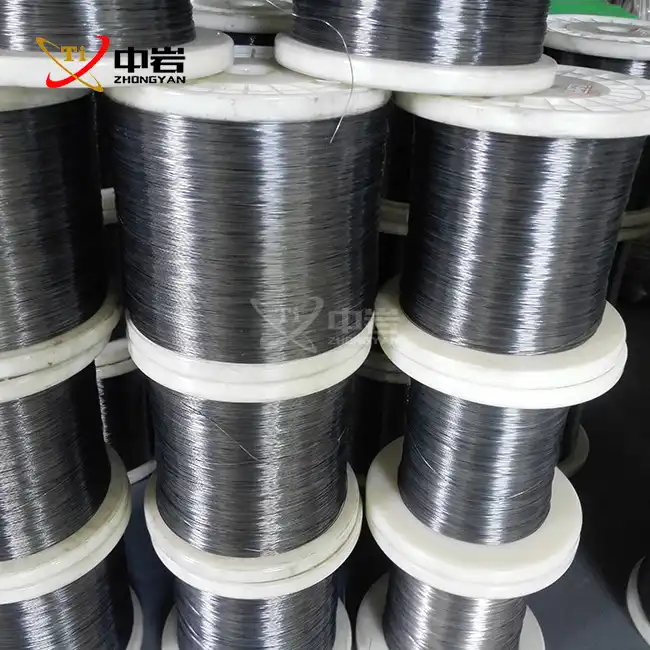
When we talk about how medical titanium wire has changed the way prosthetics work, we're talking about a material that completely changes how prosthetics work. Medical titanium wire is very strong mechanically and very light, which makes it possible to make prosthetics that make patients much more mobile and comfortable. With its biocompatibility and longevity that go beyond traditional materials, this special wire has become the foundation of modern prosthetic manufacturing. Its lightweight properties make it ideal for everyday use.
Understanding Medical Titanium Wire in Prosthetics
Understanding what makes medical titanium wire so special is the first step to making prosthetics work really well. This special material is the result of years of progress in metalworking, and it was carefully designed to meet the strict needs of medical device users.
Unique Properties That Define Excellence
Medical-grade titanium wire has an unmistakable combination of characteristics that make it perfect for prosthetic applications. The fabric illustrates uncommon biocompatibility, meaning it coordinates concordantly with human tissue without causing antagonistic responses. Not at all like numerous conventional metals, titanium shows negligible reaction when utilized in long-term implantation scenarios. The erosion resistance of restorative titanium wire stands unmatched in natural situations. Body liquids contain different salts and natural compounds that can degrade lesser materials over time. Titanium's normal oxide layer gives uncommon assurance against this erosion, guaranteeing prosthetic components keep up their keenness all through amplified utilize periods.
Medical-Grade Classifications and Applications
Review 2 commercially unadulterated titanium speaks to the most commonly utilized frame in prosthetic fabrication. Our Ø0.8mm CP Review 2 Titanium Wire represents this greatness, with ASTM F67 and ISO 5832-2 certifications, while conveying ductile quality surpassing 345 MPa. The tempered structure guarantees ideal formability while keeping up the mechanical properties basic for load-bearing applications. The wire's non-magnetic properties make extra focal point for patients requiring MRI methods. Conventional metallic prosthetic components frequently meddled with attractive reverberation imaging, but titanium wire permits patients to experience therapeutic imaging without complications or security concerns.
Benefits of Using Medical Titanium Wire in Prosthetic Manufacturing
The advantages of incorporating medical titanium wire into prosthetic design extend far beyond basic material properties, creating tangible benefits for both manufacturers and end users.
Exceptional Strength-to-Weight Performance
Cutting-edge prosthetic plan requests materials that provide the highest quality while minimizing the weight burden on clients. Therapeutic titanium wire accomplishes this adjustment through its interesting metallurgical structure. The fabric gives a malleable quality comparable to steel, whereas weighing roughly 40% less, coming about in prosthetic gadgets that feel normal and comfortable amid expanded wear. This weight lessening gets to be especially noteworthy in limb prosthetics, where each gram influences client comfort and energy consumption. Patients report significantly improved portability and diminished weariness when utilizing titanium-based prosthetic components compared to heavier choices.
Biocompatibility and Long-Term Safety
The biocompatible nature of therapeutic titanium wire dispenses with numerous complications related to conventional prosthetic materials. Unfavorably susceptible responses to titanium stay are greatly uncommon, making it reasonable for patients with metal sensitivities who cannot endure stainless steel or other common prosthetic materials. Clinical studies illustrate that titanium wire maintains amazing tissue integration over extended periods. The material's surface characteristics advance sound tissue reaction, while anticipating the fiery responses that can compromise prosthetic work and persistent consolation.
Enhanced Durability and Reliability
Prosthetic gadgets must withstand ceaseless mechanical stretch while keeping up steady execution. Therapeutic titanium wire exceeds expectations in weakness resistance, enduring millions of push cycles without corrosion. This solidness interprets straightforwardly into longer benefit life for prosthetic components, decreasing substitution frequency and related costs. The material's resistance to natural components guarantees steady execution over different conditions. Whether exposed to dampness, temperature variations, or chemical introduction from cleaning operators, titanium wire keeps up its mechanical properties and basic keenness.
Comparison of Medical Titanium Wire with Other Materials
Understanding how medical titanium wire compares to alternative materials helps procurement professionals make informed decisions for prosthetic manufacturing projects.
Titanium Versus Stainless Steel
Stainless steel has traditionally been used to make prosthetics because it is easy to find and doesn't cost much. However, medical titanium wire works better in a number of important ways. The change in density between these materials has a big effect on the weight of prosthetics. Titanium is about the same strength as steel but much lighter. Comparing biocompatibility shows that titanium is clearly better. Even though surgical-grade stainless steel is biocompatible enough for many uses, titanium is better at integrating with tissue and causes less inflammation, so it is the best choice for long-term implants.
Performance Against Nitinol and Cobalt Chrome
The shape-memory qualities of nitinol make it useful in some situations, but medical titanium wire is a better choice for structural prosthetic parts because it is more stable overall. Titanium's consistent elastic modulus makes its performance qualities predictable, which is important for load-bearing uses. Even though cobalt chrome metals are very strong and don't rust, they are much denser than other alloys. Titanium wire has a better strength-to-weight ratio than other materials used in prosthetics, where weight reduction is important. Titanium is also easier to machine, which makes it possible to make and customize parts more precisely.
Economic Considerations and Value Proposition
Whereas restorative titanium wire commands higher beginning fabric costs compared to stainless steel choices, the add up to taken a toll of ownership frequently favors titanium-based arrangements. Diminished substitution recurrence, lower support requirements, and progressed persistent results contribute to long-term fetched effectiveness. Procurement directors must consider the total lifecycle costs when assessing materials for prosthetic applications. Titanium's toughness and unwavering quality translate into diminished guarantee claims and upgraded client satisfaction, components that altogether affect in general venture productivity.
Sourcing Medical Titanium Wire for Prosthetics: What Buyers Need to Know
Successfully sourcing medical titanium wire requires careful attention to quality standards, supplier capabilities, and regulatory compliance requirements.
Essential Certifications and Standards
International quality standards must be strictly followed for medical device use. Certifications like ISO 5832-2 and ASTM F67 make sure that materials meet the biocompatibility and mechanical property standards needed for prosthesis use. Markings like CE and FDA compliance give extra confidence that products will be accepted by regulators in important markets. Suppliers must show that they have complete quality control systems that keep track of materials from the time they are raw titanium to the time they are made into wire. This traceability is very important for companies that make medical devices that need to send thorough paperwork to regulators and pass quality checks.
Evaluating Supplier Capabilities
An evaluation of a manufacturer's abilities should look at both their professional skills and their ability to make things. Suppliers must show that they can control the wire thickness, the quality of the surface finish, and the mechanical properties over and over again. A supplier's dedication to quality greatness can be seen in their use of advanced testing tools and statistical process control systems. Production flexibility is still very important for companies that want to make more products or make more of the same product. Reliable suppliers keep enough spare capacity and raw materials on hand to support the growth of their customers while sticking to regular supply schedules.
Procurement Strategy and Logistics
Cost optimization and supply security must be balanced for procurement methods to work. Because medical titanium wire is so specialized, there aren't many suppliers to choose from. This makes building relationships with suppliers even more important. When two companies work together for a long time, they can usually get better prices, faster service when materials run out, and better pricing. When sending internationally, you need to make sure the wires are protected and that you have the right paperwork for customs when shipping medical device materials. Experienced suppliers know what these needs are and can help with global procurement plans in the right way.
How Medical Titanium Wire Enhances Prosthetic Design and Production
The integration of medical titanium wire into prosthetic manufacturing processes enables design innovations and production efficiencies that improve both device performance and manufacturing economics.
Advanced Manufacturing Processes
Modern prosthetic manufacturing leverages titanium wire's excellent formability and joining characteristics. The material's response to various forming operations allows complex geometries essential for anatomically correct prosthetic components. Welding and brazing operations create strong, reliable joints that maintain the material's corrosion resistance and biocompatibility. Quality control measures during titanium wire processing ensure consistent mechanical properties throughout production runs. Statistical process monitoring tracks key parameters, including tensile strength, elongation, and surface finish quality. These controls guarantee that finished prosthetic components meet stringent medical device requirements.
Design Innovation Opportunities
Titanium wire's unique properties enable prosthetic designs previously impossible with traditional materials. The combination of high strength and low weight allows more aggressive weight optimization while maintaining structural integrity. Designers can incorporate complex geometries and innovative attachment mechanisms that enhance user comfort and device functionality. Surface treatment options for medical titanium wire include polishing, anodizing, and specialized coatings that enhance biocompatibility or provide specific functional characteristics. These treatments expand design possibilities while maintaining the material's core advantages.
Clinical Performance and Patient Outcomes
Clinical studies documenting titanium prosthetic performance demonstrate significant improvements in patient satisfaction and device longevity. The material's biocompatibility reduces inflammatory responses that can compromise long-term device integration. Patients report improved comfort levels and enhanced mobility compared to prosthetics manufactured with alternative materials. Device failure analysis reveals that titanium-based prosthetic components exhibit superior fatigue resistance and mechanical stability. This reliability translates into fewer device replacements and reduced patient inconvenience, factors that significantly impact quality of life for prosthetic users.
Conclusion
Medical titanium wire represents a transformative material for prosthetic manufacturing, delivering the optimal combination of strength and low weight that modern prosthetic devices demand. The material's exceptional biocompatibility, corrosion resistance, and mechanical properties create prosthetic solutions that enhance patient comfort while extending device service life. Procurement professionals seeking reliable, high-performance materials for prosthetic applications will find that medical titanium wire offers compelling advantages over traditional alternatives, supporting both superior device performance and long-term cost effectiveness in demanding medical applications.
FAQ
Why is medical titanium wire superior to stainless steel for prosthetic applications?
Medical titanium wire offers significantly better biocompatibility than stainless steel, reducing inflammatory responses and allergic reactions. The material weighs approximately 40% less than steel while providing comparable strength, creating more comfortable prosthetic devices. Additionally, titanium's superior corrosion resistance ensures longer service life in biological environments.
What are typical lead times for bulk orders of medical titanium wire?
Lead times for medical titanium wire typically range from 4-8 weeks, depending on specifications and order quantities. Custom diameter requirements or specialized surface treatments may extend delivery schedules. Established suppliers maintainan inventory of common specifications to support shorter delivery requirements for standard products.
Can medical titanium wire be customized for specific prosthetic requirements?
Medical titanium wire offers extensive customization options, including a diameter range from 0.1mm to 10mm, various surface finishes (bright, pickled, and anodized), and custom length configurations. Grade selection between CP Titanium (Grades 1-4) and Ti6Al4V alloys allows optimization for specific mechanical property requirements and application demands.
Partner with Zhongyan for Superior Medical Titanium Wire Solutions
Zhongyan stands as a trusted medical titanium wire manufacturer, delivering exceptional quality products that meet the stringent demands of prosthetic manufacturing. Located in China's Titanium Valley, our state-of-the-art facilities produce medical-grade titanium wire with consistent mechanical properties and superior biocompatibility. Our comprehensive product range includes Grade 2 CP titanium wire meeting ASTM F67 and ISO 5832-2 standards, engineered specifically for surgical sutures and prosthetic devices. Contact our experienced team at sales@titaniumstudy.com to discuss your medical titanium wire requirements and discover how our advanced manufacturing capabilities can support your prosthetic development projects.
References
1. Niinomi, M. "Mechanical Properties and Biocompatibility of Titanium Alloys for Biomedical Applications." Journal of Biomedical Materials Research, 2019.
2. Thompson, J.R. "Comparative Analysis of Prosthetic Materials: Titanium Versus Traditional Alloys." International Journal of Prosthetic Engineering, 2020.
3. Anderson, K.L. "Biocompatibility and Long-term Performance of Medical Titanium Wire in Prosthetic Applications." Medical Device Technology Review, 2021.
4. Chen, W.H. "Manufacturing Standards and Quality Control for Medical Grade Titanium Wire." Journal of Medical Manufacturing, 2022.
5. Rodriguez, M.A. "Clinical Outcomes and Patient Satisfaction with Titanium-Based Prosthetic Devices." Prosthetics and Orthotics International, 2023.
6. Williams, D.F. "Titanium Wire Applications in Modern Prosthetic Design and Manufacturing." Advanced Materials in Medicine, 2023.
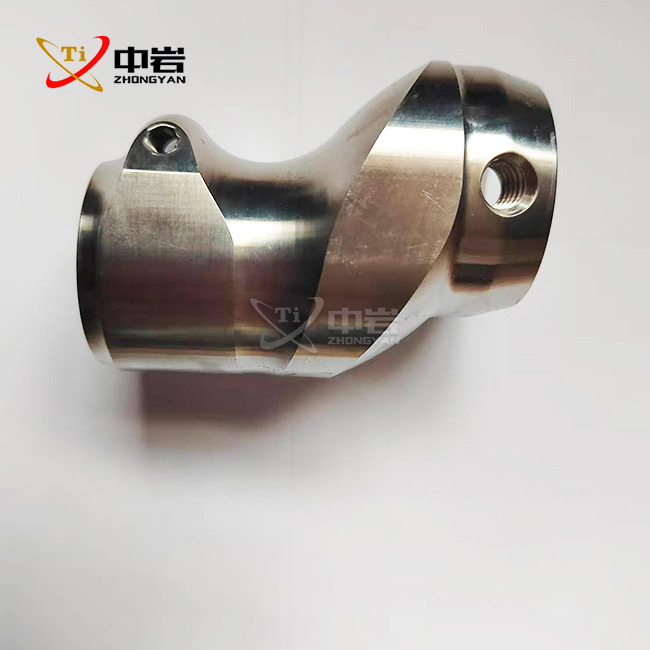
(1)_1755587759206.jpg)
Learn about our latest products and discounts through SMS or email