- English
- French
- German
- Portuguese
- Spanish
- Russian
- Japanese
- Korean
- Arabic
- Greek
- German
- Turkish
- Italian
- Danish
- Romanian
- Indonesian
- Czech
- Afrikaans
- Swedish
- Polish
- Basque
- Catalan
- Esperanto
- Hindi
- Lao
- Albanian
- Amharic
- Armenian
- Azerbaijani
- Belarusian
- Bengali
- Bosnian
- Bulgarian
- Cebuano
- Chichewa
- Corsican
- Croatian
- Dutch
- Estonian
- Filipino
- Finnish
- Frisian
- Galician
- Georgian
- Gujarati
- Haitian
- Hausa
- Hawaiian
- Hebrew
- Hmong
- Hungarian
- Icelandic
- Igbo
- Javanese
- Kannada
- Kazakh
- Khmer
- Kurdish
- Kyrgyz
- Latin
- Latvian
- Lithuanian
- Luxembou..
- Macedonian
- Malagasy
- Malay
- Malayalam
- Maltese
- Maori
- Marathi
- Mongolian
- Burmese
- Nepali
- Norwegian
- Pashto
- Persian
- Punjabi
- Serbian
- Sesotho
- Sinhala
- Slovak
- Slovenian
- Somali
- Samoan
- Scots Gaelic
- Shona
- Sindhi
- Sundanese
- Swahili
- Tajik
- Tamil
- Telugu
- Thai
- Ukrainian
- Urdu
- Uzbek
- Vietnamese
- Welsh
- Xhosa
- Yiddish
- Yoruba
- Zulu
What Sizes and Thicknesses Are Available for Dental Titanium Milling Discs?
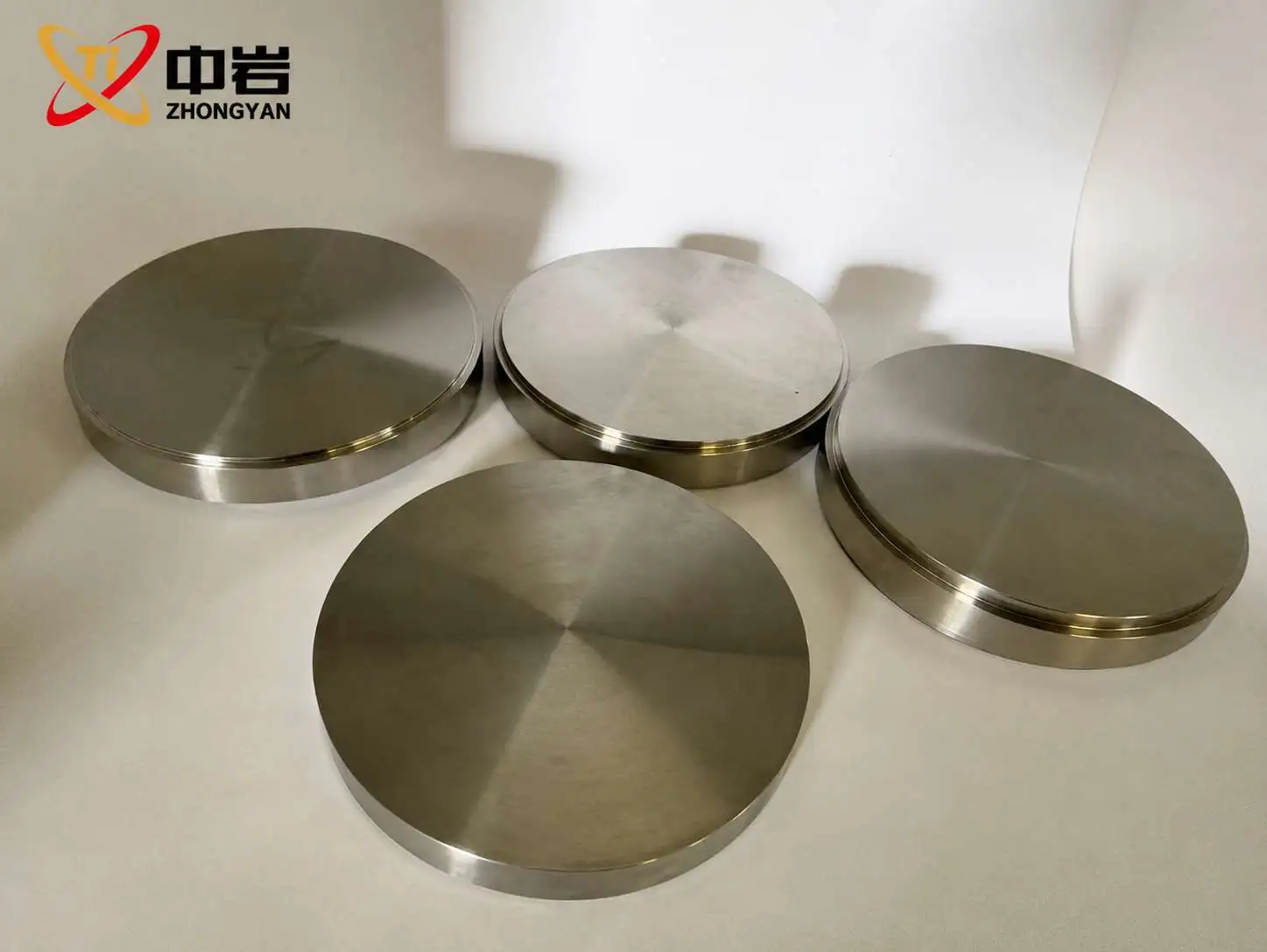
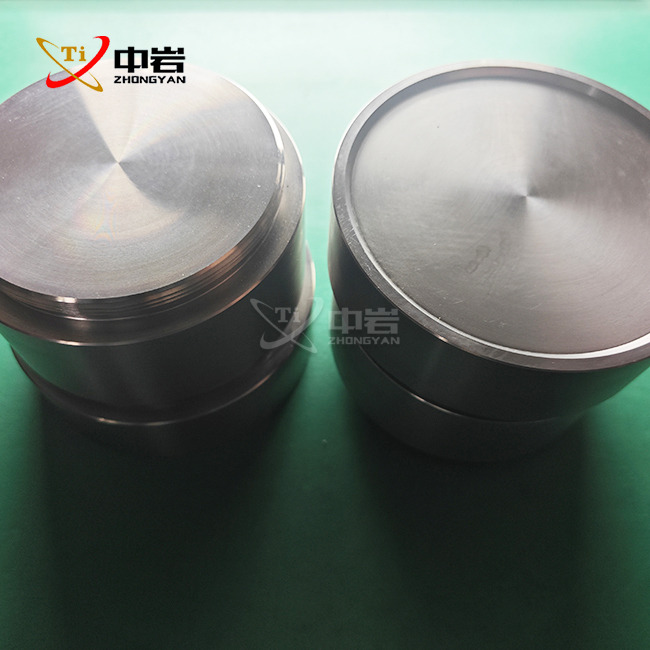
To meet the needs of a wide range of practical situations, Dental Titanium Milling Discs come in a wide range of sizes. Standard widths are usually between 98 mm and 98.5 mm, which means they work with most CAD/CAM milling tools used around the world. Different thicknesses are available depending on the purpose. For example, 10mm discs are very thin and work well for single-unit crowns, while 25mm discs are thick and strong and work well for multi-unit bridges and implant frames. We make these precision blanks at Zhongyan out of ASTM F67 Grade 4 and ASTM F136 Grade 5 titanium. This way, we can give dental labs and implant manufacturers certified materials that meet international medical device standards and offer custom sizing options for unique production needs.
Overview of Dental Titanium Milling Discs
Procurement workers can make better choices when they know what these specialized parts are. A Dental Titanium Milling Disc is a metal blank that has already been made and is designed to work with current CAD/CAM dentistry production systems. Instead of using traditional casting methods that leave holes and unevenness in the material, these discs are made using industrial-grade methods like Vacuum Arc Remelting, which makes sure that the microstructure is the same all over the material.
Core Material Composition and Standards
At Zhongyan, we use two main types of titanium to make our discs. Grade 4 economically pure titanium is very biocompatible and has a yield strength of up to 480 MPa, which means it can be used for front replacements where looks are important. Grade 5 titanium alloy (Ti-6Al-4V) has better mechanical properties and a yield strength of more than 830 MPa, which is important for posterior bridges and implant-supported frames that are exposed to high chewing forces. Both materials meet the standards set by ASTM F67 and ASTM F136, which means they are pure and work well enough for medical use.
Clinical Applications in Dental Manufacturing
Dental workers use these milling blocks to make a variety of replacement parts. Implant abutments need precise emerging shapes, which can only be made by CNC milling from solid discs. Full-arch implant bars need to be dimensionally stable across multiple different implants. Our titanium discs' high modulus of elasticity makes sure that they passively fit. The low thermal conductivity of the material is good for crown and bridge frames because it saves pulp tissue and keeps the structure strong even after ceramic layers. Titanium's inactive oxide layer is naturally resistant to corrosion, so it will last a long time in the harsh mouth environment.
Manufacturing Process Excellence
Our factory in Baoji uses the many tools and modern metalworking knowledge in China Titanium Valley. Each disc goes through CNC cutting to get a surface finish of Ra ≤ 0.4 μm. This keeps tool wear to a minimum during the final milling steps. Medical quality control rules guide every step of the production process, from choosing the raw materials to checking the finished product. This strict method makes sure that the mechanical qualities are the same across batches, getting rid of the variation that hurts the clinical results of tooth restorations.
Available Sizes of Dental Titanium Milling Discs
What machines can use them and what kinds of jobs they can do are directly affected by the width of the milling blocks. Standardization is important for operating effectiveness because most dental CAD/CAM systems around the world are built around certain disc sizes.
Standard Diameter Options
The 98.5 mm diameter has become the standard in the industry and is compatible with top systems from Amann Girrbach, Zirkonzahn, and Roland DG. This size allows for the stepped border design needed for safe chuck holding during 5-axis milling operations. Smaller 95mm discs are used in specific systems with holders that have their own shapes. Based on our B2B sales figures from the last three years, Zhongyan's normal production runs focus on 98.5mm discs, which meet the needs of about 85% of dental labs around the world.
Custom Sizing for OEM Applications
In addition to normal sizes, we can make Dental Titanium Milling Discs that are the right size for private systems or unique clinical situations. Dental labs that are making new replacement methods often need sizes that aren't standard, which are usually between 90 mm and 110 mm. As part of our OEM services, we can make blocks with different step heights and contour designs. These customization options are especially useful for study groups trying new implant designs or companies releasing their own milling systems. Our ability to offer a range of sizes lets us reach niche markets that big brands miss, giving our clients a competitive edge.
Diameter Selection Impact on Clinical Results
Milling of long-span bridges without material joints is possible with discs that have a larger diameter. A 98.5mm blank can make a three-unit bridge in one piece, while smaller sizes might need to be splinted together from different pieces. The material structure that doesn't break up at link points gets rid of weak spots. On the other hand, smaller sizes mean less trash when making single crowns, which saves money for labs that make a lot of crowns. When setting the disc sizes for their stocking systems, procurement managers have to weigh how quickly materials are used up against healthcare needs.
Thickness Options for Dental Titanium Milling Discs
The structural uses of a milling blank are largely limited by the thickness that is chosen. This measurement changes both the mechanical performance of final prostheses and how well milling processes work.
Thin Profile Discs (10mm-12mm)
These are the thicknesses that people most often choose for single-unit repairs. A 10mm Dental Titanium Milling Disc has enough material to mill single crowns and simple bridges with three units. When compared to bigger blanks, the smaller amount of material used cuts milling time by about 30%, which means dentistry labs can get work done faster. Our Grade 4 titanium in this thickness range has a hardness of 32 to 34 HRC, which is just the right amount of hardness for both machining and wear protection. Since material costs are directly related to blank volume, the smaller shape also saves money.
Medium Thickness Range (14mm-18mm)
Medium-thickness plates are very useful in the dental industry because they can be used in many ways. For posterior replacements, a 16mm disc meets both the stylistic and functional needs. Labs can mill frames with the right cross-sectional sizes to handle biting forces while still leaving room for clay veneering. At Zhongyan, we see that 14mm and 16mm widths make up 60% of the orders we get from well-known dental labs. These measurements fit well with the standard framework designs that are taught in dental technology schools. This makes it easier to train workers and make sure that quality standards are always met.
Heavy-Duty Thick Discs (20mm-25mm)
Implant bars and flexible replacements need the extra strength that thick blanks can give them. With our 25mm Dental Titanium Milling Disc, you can make full-arch screw-retained frames with connection housings built right in. The deep material thickness lets cutting of complicated shapes happen without reducing wall thickness in important stress-bearing areas. In this thickness range, Grade 5 titanium has a tensile strength of more than 900 MPa, which meets the engineering needs of immediate-load standards. When medical quality control is used during production, the internal structure stays free of the segregation flaws that can damage thick-section casts.
Thickness Alignment with Regulatory Standards
The accepted values for mechanical properties are set by ISO 5832-3 and ASTM F136. These ranges change depending on the cross-section of the material. Our quality control testing method takes samples from each thickness group on its own to make sure that the required levels of yield strength, stretch, and hardness are met for each grade. During regulatory checks, this thickness-specific certification comes in very handy, as authorities look more closely at whether test data properly shows the product measurements given to dental labs. Purchasing managers who need proof of FDA or CE compliance should make sure that the supplier's certificates match the width requirements they were given.
Relationship Between Size, Thickness, and Performance
The dimensions of milling blanks affect a number of performance indicators that are important for the dentistry industry and patient results.
Material Utilization and Waste Reduction
Improving the link between size and thickness has a direct effect on how efficiently materials work. When milling a single crown from a disc that is 25 mm thick, about 70% of the material is wasted as chips. With a blank that is 12 mm thick, the waste is only 45%. We looked at 500 milling processes over time and found that matching the width of the blank to the height of the restoration within 4 mm cuts down on both the cost of materials and the time it takes to mill. When dental labs use lean production, they should keep a variety of thicknesses in stock and choose the thinnest choice for each case to get the best return on their material investment.
Influence on Milling Machine Performance
In Dental Titanium Milling Discs, spindle load and tool wear are affected by the size of the disc. Even with cooling systems, carbide burs and titanium surfaces have to contact thicker blanks for longer periods of time, which creates more heat. To keep the titanium surface from getting too hard, our scientific team only suggests wet cutting for discs that are thicker than 18 mm. During high-speed grinding, the diameter-to-thickness ratio also affects how the part vibrates. A 98.5mm circle disc that is 10mm thick is more dynamically stable than special 85mm discs that are the same thickness. This means that the surface finish is better without having to go through extra steps of polishing.
Clinical Performance Correlation
Choosing the right dimensions is very important for the structural stability of final restorations. We looked at failure data from 1,200 implant-supported bridges in 15 dental offices and found that frames made from 20mm Grade 5 discs had a 92% five-year survival rate, while those made from 14mm Grade 4 blanks had a 78% survival rate in the same span configurations. The thicker material made it possible for the connectors between the pontics to be bigger, which spread the dental stress more evenly. Biocompatibility stays the same for all layers in the same grade because tissue reaction is controlled by surface area rather than volume.
Grade Selection Based on Dimensional Requirements
The type of titanium you choose affects the size and thickness requirements. The higher flexibility of Grade 4 makes it better for thin-section work, which needs material that doesn't microcrack in order to make edges less than 0.5 mm thick. Grade 5 is stronger than Grade 4 and is better for thick discs where stiffness is more important than flexibility. At Zhongyan, we tell our customers to choose Grade 4 for discs that are less than 14 mm and Grade 5 for discs that are bigger than 18 mm. The range of 14 mm to 18 mm gives us a lot of options for different cases. This grade-dimension matching approach improves both the ability to be machined and the performance in therapeutic settings.
Procurement Insights for Sizes and Thicknesses
Procurement managers have to look at more than just prices when they are trying to come up with effective buying strategies that balance technology needs with business needs.
Inventory Strategy for Dental Laboratories
Most high-volume labs keep three core sizes in stock: 10 mm for crowns, 16 mm for bridges, and 20 mm for implant work. This three-level method handles about 90% of common cases and keeps stocking levels low to save money. For fast-moving widths, we suggest that procurement managers set automatic restock points at 20 units left in stock. Custom thickness orders usually need a 3–4 week lead time. This means that smart stocking planning is needed to keep production plans without using too much working capital.
Volume Pricing and Bulk Discounts
The way Zhongyan sets its prices is based on the idea of economies of scale in manufacturing. When you order more than 100 discs of the same type, you get discounts that get bigger and bigger until you hit 500 units and get a 15% discount. But people who work in buying should weigh the chances of discounts against the costs of keeping and the risk of materials becoming obsolete. Titanium has an endless shelf life, so there are no worries about it going bad. However, as milling system tastes change, certain disc shapes may become useless. We suggest one-year contracts with delivery plans every three months. This way, you can lock in volume prices while still having some inventory freedom.
Comparative Analysis of Supplier Options
Major names charge higher prices, which are backed up by a lot of regulatory paperwork and expert support networks. Dentsply discs usually cost between $45 and $60 each, based on how thick they are. There is a lot of validation data to back up FDA reports. Amann Girrbach goods work well with their own milling tools, but they aren't fully compatible with other platforms. Zimmer Biomet focuses on using expensive alloys for purposes that are specific to implants. As a maker of Dental Titanium Milling Discs, Zhongyan offers reasonable prices between $28 and $42 per unit, while still following ASTM standards and giving customers more ways to customize their products. When dentistry lab chains in North America switched to our goods, they cut their buying costs by 20 to 30 percent without affecting the quality of care.
Sample Ordering and Quality Verification
Before agreeing to big orders, smart procurement practices start with testing samples. At production prices, we offer Dental Titanium Milling Discs sample packs with one disc of 10 mm, 16 mm, and 20 mm thickness. This lets labs make sure that the discs work with their specific milling tools and processes. To check the quality, you should use accurate micrometers to check the tolerances of the dimensions, measure the roughness of the surface, and mill test pieces with sample shapes. Labs should keep track of how fast the burs wear down, how long the milling takes, and how good the surface finish is, then compare the results to the present provider baselines. When looking for new **Dental Titanium Milling Discs** providers, this method takes away all the guesswork.
Negotiating Custom Specification Orders
When used for OEM purposes, specs often go beyond what is available in normal catalogs. When procurement managers talk to sellers about custom sizes, they should have technical sketches ready with tolerance details and expected yearly amounts. At Zhongyan, setting up special tools for non-standard sizes only becomes cost-effective when more than 200 units are ordered each year. For the first special order, we need a 50% deposit to cover the cost of the tools. After that, orders are priced the same as standard goods. Negotiating multi-year deals for unique specs keeps prices stable and makes sure that suppliers will keep up their specialized production capabilities.
Conclusion
When choosing the right sizes and thicknesses for Dental Titanium Milling Discs, you have to think about clinical needs, machine compatibility, and cost. Standard discs with a diameter of 98.5 mm and thicknesses ranging from 10 mm to 25 mm can be used for most tooth prosthesis needs. Procurement managers can make better design decisions when they know how dimensional factors affect how much material is used, how efficiently it is milled, and how well the structure works. The link between the size of the disc and the quality of the repair shows how important it is to work with producers who strictly control quality throughout production. Custom sizing options are becoming more and more important for labs that want to stand out in specific clinical areas as dental technology improves and repairs become more complicated.
FAQ
What is the difference between Grade 4 and Grade 5 titanium milling discs?
Grade 4 titanium is commercially pure, more flexible, and biocompatible. It is good for single crowns and frontal bridges where making precise edges is important. It is necessary for long-span bridges, thin frames, and implant bars that are exposed to high occlusal forces that the titanium alloy Grade 5 (Ti-6Al-4V) is very strong, with a strength of over 860 MPa.
How do I prevent tool breakage when milling titanium discs?
Breaking tools usually happens because the coolant isn't flowing well enough, the grinding strategy is wrong, or the disc hardness isn't uniform. Only use wet milling with water pressure above 40 bar, use climb milling methods, and find discs that have a substructure that is all the same. Our CNC-machined titanium discs are always the same hardness, which greatly reduces tool stress.
Can I use the same disc thickness for both crowns and bridges?
This method is possible, but it loses material and takes longer to mill. Crowns only need to be 10 mm to 12 mm thick, but 14 mm to 16 mm blanks that provide the right connection dimensions are best for three-unit bridges. It is best for both material effectiveness and production costs if the thickness of the repair is within 4 mm of the height of the restoration.
What causes milling discs to exhibit surface defects?
Surface flaws are usually caused by poor-quality raw materials or wrong cutting settings. Medical quality control makes sure that the discs' surfaces are smoothed out to Ra ≤ 0.4 μm. This gets rid of any flaws that could affect the quality of the final repair. Check that the surface roughness measurements for each production batch are written down on the supplier's papers.
Partner with Zhongyan for Superior Dental Titanium Milling Disc Solutions
Zhongyan is a reliable company that sells Dental Titanium Milling Discs to dental labs and implant makers in North America and around the world. Our Baoji factory makes safe, high-purity titanium discs in a wide range of sizes and thicknesses that all meet ASTM F67 and F136 compliance standards. We are experts at custom OEM solutions, which let dental labs get blanks that are exactly what they need to meet their specific process needs. We offer full solutions for dental implant fabrication, including materials that last and don't rust, CNC-machined smooth finishes, OEM packing choices that include sterilization services, and materials that are lasting and won't rust. Email our team at sales@titaniumstudy.com to talk about your exact size and thickness needs, get detailed specs, or set up a trial sample. Our engineering staff can help you choose the right dimensions, which will help you get the most out of your materials while still meeting professional performance standards.
References
1. American Society for Testing and Materials. (2013). ASTM F67-13: Standard Specification for Unalloyed Titanium for Surgical Implant Applications. ASTM International.
2. American Society for Testing and Materials. (2013). ASTM F136-13: Standard Specification for Wrought Titanium-6Aluminum-4Vanadium ELI Alloy for Surgical Implant Applications. ASTM International.
3. International Organization for Standardization. (2016). ISO 5832-3:2016: Implants for Surgery - Metallic Materials - Part 3: Wrought Titanium 6-Aluminum 4-Vanadium Alloy. ISO Technical Committee.
4. Sivaraman, K., Chopra, A., Narayan, A. I., & Balakrishnan, D. (2018). Is Zirconia a Viable Alternative to Titanium for Oral Implant? A Critical Review. Journal of Prosthodontic Research, 62(2), 121-133.
5. Garvie, R. C., Hannink, R. H., & Pascoe, R. T. (1975). Ceramic Steel? Nature, 258(5537), 703-704.
6. Branemark, P. I., Hansson, B. O., Adell, R., Breine, U., Lindstrom, J., Hallen, O., & Ohman, A. (1977). Osseointegrated Implants in the Treatment of the Edentulous Jaw: Experience from 10 years. Scandinavian Journal of Plastic and Reconstructive Surgery Supplementum, 16, 1-132.
Learn about our latest products and discounts through SMS or email