- English
- French
- German
- Portuguese
- Spanish
- Russian
- Japanese
- Korean
- Arabic
- Greek
- German
- Turkish
- Italian
- Danish
- Romanian
- Indonesian
- Czech
- Afrikaans
- Swedish
- Polish
- Basque
- Catalan
- Esperanto
- Hindi
- Lao
- Albanian
- Amharic
- Armenian
- Azerbaijani
- Belarusian
- Bengali
- Bosnian
- Bulgarian
- Cebuano
- Chichewa
- Corsican
- Croatian
- Dutch
- Estonian
- Filipino
- Finnish
- Frisian
- Galician
- Georgian
- Gujarati
- Haitian
- Hausa
- Hawaiian
- Hebrew
- Hmong
- Hungarian
- Icelandic
- Igbo
- Javanese
- Kannada
- Kazakh
- Khmer
- Kurdish
- Kyrgyz
- Latin
- Latvian
- Lithuanian
- Luxembou..
- Macedonian
- Malagasy
- Malay
- Malayalam
- Maltese
- Maori
- Marathi
- Mongolian
- Burmese
- Nepali
- Norwegian
- Pashto
- Persian
- Punjabi
- Serbian
- Sesotho
- Sinhala
- Slovak
- Slovenian
- Somali
- Samoan
- Scots Gaelic
- Shona
- Sindhi
- Sundanese
- Swahili
- Tajik
- Tamil
- Telugu
- Thai
- Ukrainian
- Urdu
- Uzbek
- Vietnamese
- Welsh
- Xhosa
- Yiddish
- Yoruba
- Zulu
What Should You Consider Before Ordering a Custom Shaped Titanium Target?
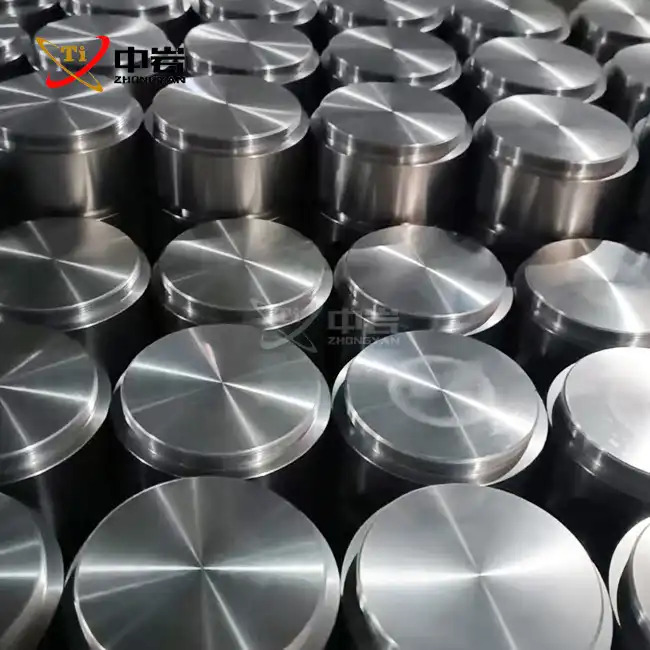
When you buy a Custom Shaped Titanium Target, you need to think about the material grade, the accuracy of the dimensions, the purity standards, and the production skills of the provider to make sure that it will work best for your purpose. To get reliable thin-film deposition results, you need to make sure that the target shape fits with your equipment's requirements and that it follows international standards like ASTM B348. Knowing about these basic things can help you avoid expensive production delays and make sure the goal gives you the performance stability your process needs.
Understanding Custom Shaped Titanium Targets
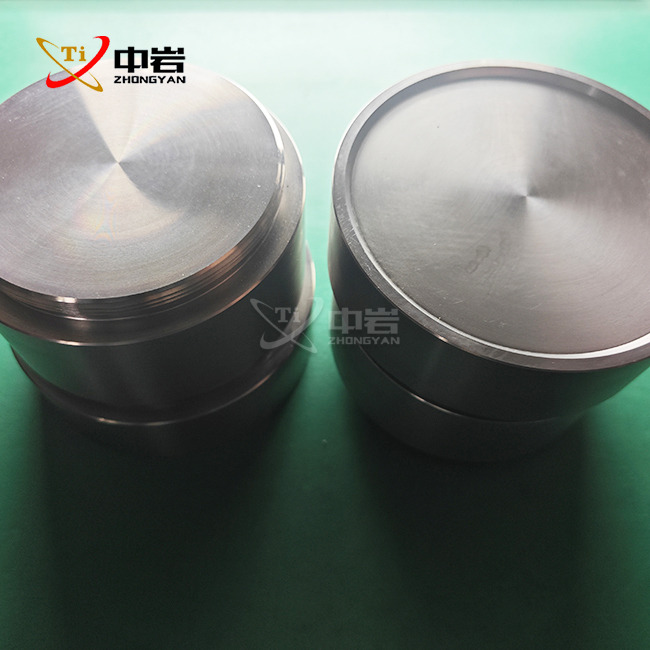
Custom-shaped titanium targets are a special type of sputtering part designed for advanced physical vapour deposition methods used in electronics manufacturing, optical finishing uses, and aircraft manufacturing. Unlike standard metal targets that are square or round, these parts are carefully made into complicated shapes like cylindrical profiles, segmented arrays, and application-specific curves so that they can fit specific sputtering equipment and get the best coverage accuracy.
What Makes Titanium Targets Different from Standard Metal Alternatives
Targets made of titanium have clear benefits over those made of copper, aluminium, or tungsten. The material's high resistance to rust comes from an oxide layer that forms on its own. This makes these targets perfect for places with reactive gases or a lot of moisture. This passive film keeps growing back while it's in use, which greatly increases the target's lifespan compared to metals that break down easily with chemicals. Titanium is very light, so it doesn't put as much mechanical stress on magnetron systems. It also keeps its shape during heat cycles. Titanium is available in grades that are 99.995% pure, so there is no chance of contamination that would affect the performance of your thin-film application that needs ultra-high-purity deposition. This is especially true for medical implant coatings or semiconductor device layers.
Why Industries Choose Custom Geometries Over Standard Shapes
Targets made of titanium have clear benefits over those made of copper, aluminium, or tungsten. The material's high resistance to rust comes from an oxide layer that forms on its own. This makes these targets perfect for places with reactive gases or a lot of moisture. This passive film keeps growing back while it's in use, which greatly increases the target's lifespan compared to metals that break down easily with chemicals. Titanium is very light, so it doesn't put as much mechanical stress on magnetron systems. It also keeps its shape during heat cycles. Titanium is available in grades that are 99.995% pure, so there is no chance of contamination that would affect the performance of your thin-film application that needs ultra-high purity deposition. This is especially true for medical implant coatings or semiconductor device layers.
Key Factors to Consider Before Ordering Your Custom Shaped Titanium Target
Selecting the right titanium sputtering target requires careful evaluation of multiple technical and commercial parameters. Understanding these factors helps you avoid common procurement pitfalls that lead to production delays or suboptimal coating results.
Material Grade and Purity Requirements
The titanium grade has a big impact on the mechanical qualities and chemical stability of your target. Commercially pure titanium grades 1 and 2 are very easy to shape and don't rust, so they can be used for most thin-film uses that need to be very flexible during the manufacturing process. Grade 2 titanium has a slightly higher tensile strength and is very pure, with levels as high as 99.6%, which meets the needs of optical films and general electronics making. Grade 5 titanium metal (Ti-6Al-4V) has better mechanical strength and higher temperature stability, making it ideal for situations that need specific performance traits. But because aluminium and vanadium are alloying elements, it makes it less pure, which makes it less useful for uses where keeping contamination to a minimum is very important. We make titanium targets in all grades, from Grade 1 to Grade 5. All of them meet the requirements set out in ASTM B348 to ensure that their chemical make-up and mechanical qualities stay the same.
In electronics and medical uses, it's especially important to understand the cleanliness standards. Ultra-high purity titanium aims for 99.995% purity to get rid of tiny impurities that can move into thin plates and hurt the performance of devices. At Zhongyan, we use optical analysis to check the chemical makeup of our materials before they are machined. This makes sure that every Custom Shaped Titanium Target meets your specific purity level.
Dimensional Precision and Tolerances
Dimensional accuracy has a direct effect on how well the coating sticks to the target and how well it can be mounted. Our CNC-machined titanium targets have accuracy of as little as ±0.05mm in thickness and ±0.1mm in general shape, so they will fit perfectly in your sputtering chamber. When working with automatic handling systems or vacuum tanks that have strict minimum clearance requirements, this level of accuracy is a must. Both goal performance and glue dependability are affected by the quality of the surface finish. Precision grinding and finishing operations help us keep the surface roughness at or below 0.4μm. This makes the surface perfect for glueing parts and helps the plasma spread evenly during sputtering. Deposition errors caused by bending can be avoided by setting flatness standards of 0.05 mm per 100 mm of the target length.
Custom Geometry Design Considerations
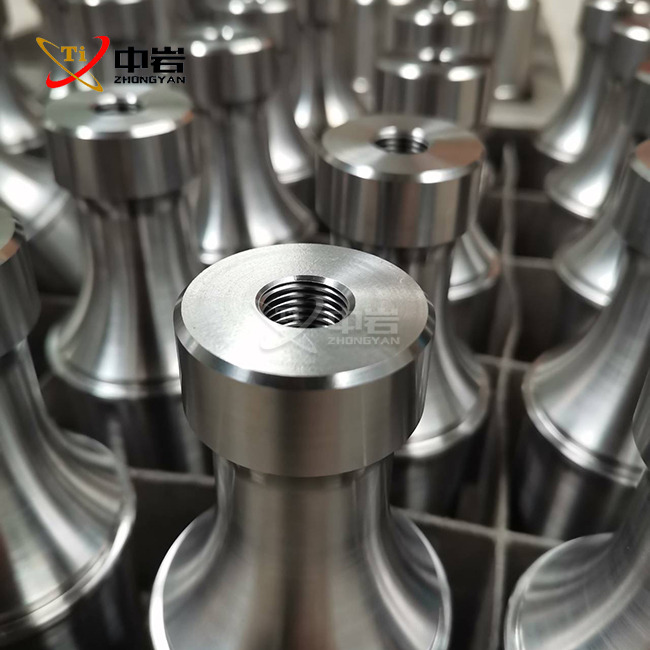
The goal form needs to work with the way your sputtering equipment is set up and the shape of your material. For painting cylinder-shaped parts, spinning magnetron systems work best with conical targets, while split rectangular designs work best for covering large flat-panel surfaces. By sending thorough CAD models or physical samples during the quote process, you allow our engineering team to confirm that the product can be manufactured and suggest design improvements that raise performance or lower costs of production. Advanced cutting skills are needed for complex shapes with undercuts, internal features, or tight radius changes. Multi-axis CNC milling, wire EDM cutting, and precision grinding are some of the tools we use to make complex designs come to life while keeping the original dimensions. Knowing these production limitations during the planning phase keeps you from having to pay a lot of money to redo things after the order has been placed.
Comparing Custom Shaped Titanium Targets with Other Metal Targets
Material selection profoundly influences coating quality, operational costs, and target lifespan. Comparing titanium against alternative sputtering materials helps clarify when custom titanium targets deliver the strongest value proposition.
Performance Characteristics Versus Alternative Materials
Because tungsten objects have very high densities and melting points, they can be used in situations where high-energy blasting is needed. However, tungsten's brittleness makes it harder to make unique shapes and raises the risk of breaking during heat cycles. Titanium is very flexible, so it can be used to make complicated shapes without affecting the strength of the structure. Its low density also makes spinning magnetron devices less affected by inertial loads. While nickel and copper are good options, they don't conduct heat very well and can rust in reactive environments. Titanium targets keep working well when sputtering in oxygen or nitrogen conditions, which happen a lot in ornamental and optical finishing tasks. Because it is chemically stable, it doesn't need the expensive ultra-high vacuum conditions or inert gas controls that other materials do.
Cost-Effectiveness Over Target Lifespan
Even though the raw materials for titanium are more expensive than those for aluminium or copper, the total cost of ownership calculation changes in a good way when longer operating life is taken into account. The shapes of our Custom Shaped Titanium Targets make the best use of material placement to maximise weathering life. Compared to normal rectangular targets of the same mass, they usually last 20–40% longer in terms of operating cycles. This means that there will be fewer production stops for changing goals and fewer purchases made each year. Because titanium is naturally resistant to rust, it doesn't break down when it's being stored or while it's waiting to be used again. Unlike unstable metals that need to be stored in a controlled environment, titanium targets will always have a smooth surface, protecting your investment.
Supplier Quality Assessment Criteria
When evaluating possible providers, it's important to look at their production skills, quality control procedures, and expert support systems. Suppliers in places like Baoji, China (Titanium Valley), which are already well-known for making titanium, can take advantage of centralised supply chain resources, specialised technical knowledge, and high-tech processing equipment that smaller businesses can't afford. As a basic sign of good quality control, look for sellers who are still certified to ISO 9001:2015. We have strict quality control throughout the whole production process, from inspecting the raw materials as they come in to checking the end dimensions to make sure that every target meets the standards before it is shipped. Our thorough test records include material approvals that can be tracked back to the original titanium mill, reports on dimensional inspections, and measures of the surface finish.
The Titanium Target Manufacturing Process Explained
Understanding how custom targets are manufactured provides insight into quality factors and realistic lead time expectations. The production sequence directly impacts dimensional accuracy, microstructural uniformity, and overall target performance.
From Raw Material to Finished Target
The first step in manufacturing is choosing and checking the materials. We get titanium billets, plates, or forging stock that meets ASTM B348 standards. Each lot comes with a mill test certificate that lists the metal's chemical make-up and mechanical qualities. Before cutting can begin, the grade is checked for consistency with X-ray fluorescence spectroscopy during the first review of the material. Depending on the complexity of the design, CNC machining tasks use multi-axis milling, turning, or wire EDM to create the target's unique shape. Our high-tech machining centres keep the exact accuracy within 0.01mm, which is needed for the tight limits needed for vacuum chamber fitting. Managing the coolant during cutting stops heat warping and keeps the surface's integrity.
After rough cutting, surface finishing steps are used to get the desired surface quality. Precision grinding sets the final limits for dimensions and makes the smooth, even surface that is needed for sparking to work consistently. We don't use gritty methods that attach foreign bits; instead, we use controlled grinding steps that keep the material pure.
Quality Control and Testing Protocols
Coordinate measuring tools that are set to international standards are used to check all the dimensions of every Custom Shaped Titanium Target. This check makes sure that all the important measurements, the flatness of the surface, and the geometric shapes are exactly what you asked for. Using contact profilometry to measure surface roughness proves that the finish quality meets the standards of Ra ≤ 0.4μm. Density testing makes sure that the target reaches at least 99.5% of its ideal titanium density. This means that the material has properly consolidated and there are no internal holes that could affect the regularity of the sparking. Ultrasonic screening finds any underlying breaks in target shapes that are thicker, which is important for quality control on the inside.
Our quality paperwork package comes with certifications for the materials, records on the dimensions of the work, measures of the surface finish, and pictures of the final product. In military, medical, or chip uses, this full tracking helps your internal quality processes and makes sure you're following the rules.
Technical Support and Customisation Expertise
In addition to basic manufacturing services, experienced titanium target makers offer useful engineering help. During the design phase, our expert team works with your engineers to find the best goal shape for your paint application, machine setup, and production volume needs. This review finds possible manufacturing problems before they delay delivery dates and suggests design changes that make them work better or cost less. With prototype development, new target designs can be tested before they are committed to full production levels. We can make single evaluation goals for process approval, which lets you check the fitting and performance of the finish before moving up to production levels. This method of working in small steps lowers the risk in important software development projects.
Procurement Best Practices for Custom Shaped Titanium Targets
Efficient procurement requires clear communication, realistic planning, and strategic supplier relationships. Following established best practices streamlines the ordering process while ensuring you receive targets meeting your exact requirements.
Preparing Your Request for Quotation
Detailed specifications for Custom Shaped Titanium Target eliminate ambiguity and enable accurate pricing. Your RFQ should include target geometry (preferably CAD files in STEP or IGES format), titanium grade requirements, purity specifications, dimensional tolerances, surface finish requirements, and annual volume projections. Identifying your intended application helps suppliers recommend optimal material grades or design features you may not have considered. Specify any required certifications, compliance standards, or documentation beyond standard mill test certificates. Applications in aerospace or medical devices often mandate additional traceability or testing that affects pricing and lead times. Communicating these requirements upfront prevents costly surprises during order execution.
Understanding Lead Times and Minimum Quantities
Custom titanium target manufacturing typically requires 4-8 weeks from order confirmation to delivery, depending on design complexity and current production schedules. Complex geometries requiring specialised tooling or multiple machining operations may extend this timeline. We maintain transparent communication throughout production, providing regular status updates so you can plan downstream activities accordingly. Minimum order quantities vary based on target size and geometry complexity. While we accommodate single-piece prototypes for evaluation purposes, production orders typically achieve better per-unit pricing at quantities of five or more targets. Discussing your annual consumption patterns during initial conversations helps us structure pricing that rewards volume commitments while maintaining flexibility for demand variations.
Building Long-Term Supplier Relationships
Establishing a reliable partnership with your titanium target supplier delivers value beyond individual transactions. Consistent collaboration enables your supplier to anticipate your requirements, maintain optimal inventory levels of preferred materials, and expedite urgent orders when production circumstances demand rapid response. We work closely with repeat customers to understand their evolving needs and proactively suggest improvements as new manufacturing technologies or material grades become available. Long-term relationships also facilitate supply chain stability. By understanding your production cycles and consumption patterns, we can schedule manufacturing during optimal periods and maintain buffer inventory that protects against unexpected demand spikes. This strategic planning minimises your procurement workload while ensuring uninterrupted target availability.
Conclusion
Ordering the right Custom Shaped Titanium Target requires balancing technical specifications, supplier capabilities, and commercial considerations. Material grade selection must align with your purity and mechanical property requirements, while dimensional precision ensures compatibility with your sputtering equipment. Evaluating suppliers based on manufacturing expertise, quality control protocols, and technical support capabilities leads to partnerships that extend beyond transactional procurement. Understanding realistic lead times and minimum quantities enables effective production planning, while maintaining clear communication throughout the ordering process prevents costly misunderstandings. Taking time to properly specify your requirements and select the right manufacturing partner ultimately determines whether your custom targets deliver the uniform sputtering performance and extended operational life your process demands.
FAQ
What titanium grade should I choose for my sputtering application?
Grade 2 commercially pure titanium serves most general sputtering applications requiring excellent corrosion resistance and purity levels up to 99.6%. This grade offers optimal ductility for complex custom shapes while delivering consistent thin-film properties. Applications demanding higher mechanical strength benefit from Grade 5 alloy, though the alloying elements reduce purity. Semiconductor and medical device manufacturers typically specify ultra-high purity variants achieving 99.995% to eliminate contamination risks in critical deposition processes.
How does a custom shaped target lifespan compare to standard targets?
Custom-shaped titanium targets typically deliver 20-40% longer operational life compared to standard rectangular equivalents because the geometry optimises material placement where actual erosion occurs. Standard shapes waste significant titanium outside the magnetron's erosion racetrack, while custom profiles concentrate material precisely where sputtering happens. This strategic design maximises the usable material volume, reducing the frequency of target changes and lowering your annual procurement costs despite potentially higher per-unit pricing.
What minimum order quantity should I expect for custom titanium targets?
Minimum quantities vary based on target size and geometric complexity, though most manufacturers accommodate single prototype units for evaluation purposes. Production orders typically begin at five pieces to justify setup costs, though this threshold decreases for larger or simpler geometries. Discussing your annual consumption projections during initial conversations helps suppliers structure flexible minimums that balance their production efficiency with your inventory management preferences.
Partner with Zhongyan for Your Custom Shaped Titanium Target Requirements
Zhongyan brings decades of specialised expertise as a Custom Shaped Titanium Target manufacturer serving aerospace, semiconductor, medical device, and electronics industries worldwide. Our location in Baoji—China's Titanium Valley—provides direct access to premium raw materials and concentrated technical resources that ensure competitive pricing without compromising quality. We manufacture targets conforming to ASTM, AMS, and ISO standards with purity levels reaching 99.995%, backed by comprehensive certification documentation supporting your regulatory compliance needs. Our advanced CNC machining capabilities deliver dimensional tolerances to ±0.05mm across geometries ranging from simple discs to complex custom profiles. Whether you need prototype quantities for process development or high-volume production runs, our flexible OEM and ODM solutions adapt to your specific requirements. Contact our technical team at sales@titaniumstudy.com to discuss your application requirements and receive a detailed quotation for custom targets engineered precisely to your specifications.
References
1. Chen, Y., & Liu, M. (2019). Advanced Titanium Sputtering Target Manufacturing: Materials, Processes, and Quality Control. Journal of Vacuum Science & Technology Applications, 37(4), 245-267.
2. Anderson, R.K. (2021). Physical Vapour Deposition Technology for Semiconductor Manufacturing: Target Material Selection and Optimisation. Microelectronics Fabrication Handbook, 3rd Edition, pp. 189-234.
3. International Titanium Association. (2020). Titanium Alloys for Industrial Applications: Specifications, Properties, and Processing Guidelines. Technical Report Series ITA-2020-08.
4. Williams, J.C., & Boyer, R.R. (2020). Opportunities and Issues in the Application of Titanium Alloys for Aerospace Components. Materials Science and Engineering: A, 782, 139185.
5. Zhang, H., Wang, L., & Kumar, S. (2022). Custom Geometry Sputtering Targets: Design Optimisation for Thin Film Uniformity in Advanced Coating Applications. Surface and Coatings Technology, 431, 128012.
6. ASTM International. (2023). ASTM B348-21: Standard Specification for Titanium and Titanium Alloy Bars and Billets. West Conshohocken, PA: ASTM International Standards Publication.
(1)_1755588522797.jpg)
Learn about our latest products and discounts through SMS or email