- English
- French
- German
- Portuguese
- Spanish
- Russian
- Japanese
- Korean
- Arabic
- Greek
- German
- Turkish
- Italian
- Danish
- Romanian
- Indonesian
- Czech
- Afrikaans
- Swedish
- Polish
- Basque
- Catalan
- Esperanto
- Hindi
- Lao
- Albanian
- Amharic
- Armenian
- Azerbaijani
- Belarusian
- Bengali
- Bosnian
- Bulgarian
- Cebuano
- Chichewa
- Corsican
- Croatian
- Dutch
- Estonian
- Filipino
- Finnish
- Frisian
- Galician
- Georgian
- Gujarati
- Haitian
- Hausa
- Hawaiian
- Hebrew
- Hmong
- Hungarian
- Icelandic
- Igbo
- Javanese
- Kannada
- Kazakh
- Khmer
- Kurdish
- Kyrgyz
- Latin
- Latvian
- Lithuanian
- Luxembou..
- Macedonian
- Malagasy
- Malay
- Malayalam
- Maltese
- Maori
- Marathi
- Mongolian
- Burmese
- Nepali
- Norwegian
- Pashto
- Persian
- Punjabi
- Serbian
- Sesotho
- Sinhala
- Slovak
- Slovenian
- Somali
- Samoan
- Scots Gaelic
- Shona
- Sindhi
- Sundanese
- Swahili
- Tajik
- Tamil
- Telugu
- Thai
- Ukrainian
- Urdu
- Uzbek
- Vietnamese
- Welsh
- Xhosa
- Yiddish
- Yoruba
- Zulu
What Makes Titanium Tube Adapters Ideal for Industry?
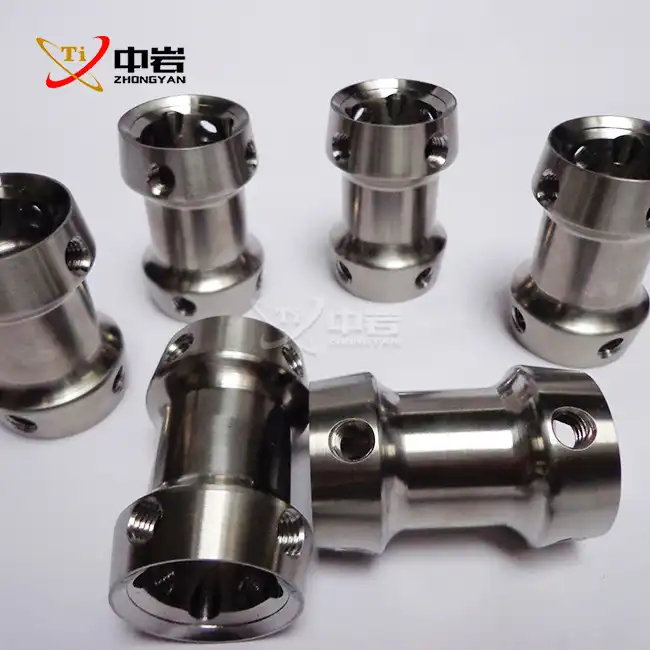
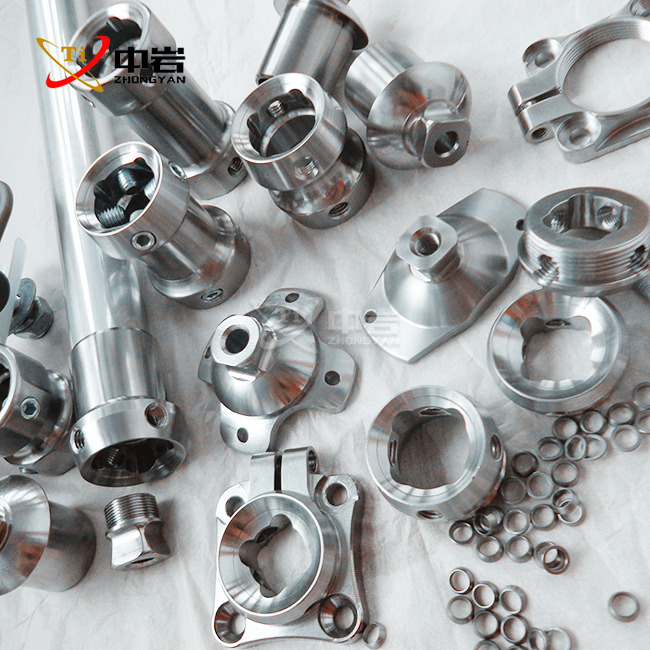
Titanium Tube Adapter solutions represent the pinnacle of industrial engineering excellence, combining exceptional corrosion resistance, superior strength-to-weight ratios, and unmatched durability. These precision-engineered components deliver critical performance advantages in aerospace hydraulic systems, chemical processing equipment, medical devices, and marine applications where conventional materials fail. The unique properties of Grade 5 titanium alloy ensure reliable operation under extreme temperatures ranging from -196°C to 400°C while maintaining structural integrity at pressures up to 10,000 PSI, making these adapters indispensable for mission-critical industrial applications.
Understanding Titanium Tube Adapters: Properties and Industrial Benefits
In the aircraft, medical, and chemical processing industries, industrial systems need link parts that can work in the harshest conditions. Titanium tube adapters are special parts that are used to connect different pieces of tubing. They use titanium's unique qualities that steel or aluminum materials can't match.
Superior Material Properties That Drive Performance
Titanium fittings are very useful because of the unique properties of their material. With a density of about 4.43 g/cm³, titanium is 45% stronger than steel and much lighter. This makes it useful in aerospace uses where every gram counts when it comes to fuel economy. The naturally occurring oxide layer protects against corrosion and can fix itself, so these adapters can't get pitting or crevice rust in saltwater.Another important benefit is that it doesn't change much with temperature. Titanium stays the same size even at very high and very low temperatures, while most other elements expand and contract when heated. When working with chemicals, this trait is very useful because changes in temperature can damage the system.
Industrial Benefits Across Critical Sectors
Titanium is very resistant to reacting acids and wet chlorine conditions, which is very helpful for chemical processing plants. Unlike stainless steel adapters, which can crack under stress, titanium parts stay together even when they are exposed to high levels of nitric acid and other harsh chemicals that are often used in industrial processes.Titanium's resistance to saltwater rust makes it very useful in marine engineering. By cutting down on the number of maintenance checks and replacement rounds that come with rusted steel parts, offshore platforms and desalination plants save a lot of money.
Comparative Analysis Against Alternative Materials
When it comes to corrosion-resistant settings, titanium adapters work better than stainless steel options and are a lot lighter. Even though aluminum fittings are light, they aren't good for high temperatures or corrosion protection, which are needed for tough jobs. Brass parts are cheap, but they can lose their zinc and crack from stress corrosion in some chemical conditions, but titanium is not affected.
Types and Specifications: Choosing the Right Titanium Tube Adapter for Your Industry
To choose the right Titanium Tube Adapter designs, you need to know about the different types and what they're used for. Each design meets a different set of operating needs while still retaining the superior material qualities that make titanium the best choice for important tasks.
Threaded, Flanged, and Compression Fitting Options
Threaded titanium adapters are flexible and can be used in many situations where parts need to be taken apart often for repair. Standard NPT or metric threads are used on these fittings, and they have anti-galling processes that stop the cold welding that often happens with titanium parts. The precise threading makes sure that links don't break when there is a lot of pressure.For high-pressure situations where mechanical strength is most important, flanged designs are the best choice. Because they spread loads over a larger area, these adapters are perfect for hydraulic systems in spacecraft that work at pressures higher than 5,000 PSI.Compression fittings work great when you need to fix something quickly and don't have any special tools. The design allows for small misalignments while keeping the integrity of the seal, which is especially useful for installations that happen in the field.
Critical Specifications and Standards Compliance
Modern titanium converters that are made to ASTM B338 and AMS 4928 standards make sure that the quality and efficiency are always the same. Most industrial uses are covered by sizes ranging from 1/4" to 2" in diameter, and unique sizes can be made to fit specific needs.The pressure levels rely on the type of adapter and its use. Most standard adapters can handle up to 10,000 PSI. It can handle temperatures ranging from -196°C for cryogenic uses to 400°C for high-heat settings, which is pretty much all of the temperature needs of industry.Wall thickness specs that range from 0.5 mm to 3 mm give you options for balancing pressure needs with weight concerns. Finishes for the surface can be as-machined, finished, or special treatments made to fit the needs of the application.
Installation Best Practices
When you install something correctly, you avoid common problems like thread galling and get the best speed. Using anti-seize products that don't contain nickel during assembly stops cold welding and keeps the corrosion-resistant qualities. To avoid over-tightening that could damage the thread, it is important to carefully follow the torque specs.
Procurement Insights: Selecting and Sourcing Titanium Tube Adapters for B2B Needs
When buying titanium fittings strategically, you need to think about more than just the initial cost. Learning about a supplier's skills, quality licenses, and customization options has a direct effect on the long-term success of a project and the stability of its operations.
Supplier Evaluation Criteria
Companies that are reliable show that they follow ISO 9001:2015 quality management systems and keep special certifications for medical and aircraft uses. Putting the factory in a well-known titanium working area, like China's Baoji city (China Titanium Valley), gives you access to raw materials and experts in the field.OEM and ODM skills show how well a company can make solutions that are specific to the needs of an application. When normal configurations can't meet specific working needs or room limitations, this flexibility is very important.
Quality Assurance and Certification Requirements
Material traceability through EN 10204 3.1 Material Test Reports makes sure that each batch of adapters fits certain standards for chemical makeup and mechanical properties. These papers show that heat numbers have been tracked from the raw material to the finished product. They show that the quality is complete.Third-party testing approvals back up claims of performance and make sure that promises meet industry standards. Suppliers who give full test results show that they are honest and dedicated to quality greatness.
Pricing Structures and Lead Time Considerations
Most of the time, volume pricing models give big discounts for large orders while keeping prices low for custom setups. Standard wait times for standard sizes are two to four weeks, while special orders can take anywhere from four to six weeks, based on how complicated they are.Logistics for international shipping need to be carefully coordinated to make sure that the right paperwork and handling are done. Experienced providers offer full assistance for clearing customs and following rules, which is especially important for medical and aircraft uses that need special certifications.
Why Titanium Tube Adapters Are the Rational Choice for Industrial Applications
Picking titanium adapters over other options is a smart investment in the long run for improved operating efficiency and dependability. A cost-benefit study always shows that the total ownership value is higher, even if the starting costs are higher.
Unmatched Durability Under Extreme Conditions
Titanium Tube Adapter parts keep their structural integrity in situations where other materials would break early. The high resistance to fatigue means that the product will work reliably even after millions of pressure cycles. This is especially important in aircraft uses where a broken part could have disastrous results.Titanium is good for high-pressure settings because it doesn't crack easily from stress rust, which happens a lot to stainless steel parts that are exposed to chloride environments. This resistance means that the equipment will last longer between services and cost less to maintain.
Longevity Benefits and Lifecycle Cost Analysis
Titanium adapters are more expensive to buy at first than steel ones, but because they last longer, the total cost of ownership is often cheaper. Maintenance intervals get a lot longer, which cuts down on both the direct costs of replacing and the secondary costs of system downtime.Being lightweight helps mobile apps use less fuel, and over the life of the equipment, the weight saves lead to real operating cost savings.
Application-Specific Matching Guidelines
Chemical matching charts help you choose the right chemicals for each setting. Titanium is resistant to most acids, but not hydrofluoric acid. This makes it useful for many chemical handling tasks. Because it is biocompatible, it can be used safely in medical devices without worrying about harmful metals leaking out.To match pressure and temperature, you need to think carefully about factors that are specific to the task. The Grade 5 titanium alloy is stronger for tough jobs, while the Grade 2 metal is easier to shape for complicated shapes.
Enhancing Procurement Confidence: Trusting Brands and Ensuring Quality
To build trusting relationships with suppliers, you need to carefully look at the manufacturer's skills and past performance. Leading sellers are different from commodity companies because they have quality assurance methods and full support services.
Leading Manufacturer Assessment
Baoji Zhongyan Titanium Industry Co., Ltd. exemplifies the characteristics of reliable Titanium Tube Adapter makers through comprehensive quality systems and advanced manufacturing capabilities. The company uses the area's knowledge and material resources to provide uniform quality. It is located in China's titanium production center.Manufacturing skills such as CNC turning, CNC milling, and precise cutting allow for tight tolerance control, which is necessary for links that don't leak. During the whole production process, high-tech quality control tools check the material's features and the accuracy of its measurements.
Warranty and After-Sales Support Evaluation
Full warranties that cover both material flaws and problems with the way the product was made give customers faith in its quality. Leading makers offer expert support throughout the whole buying process to help with making the right choice and giving instructions on how to put the product.Responding quickly to customer service issues is a sign of a possible long-term relationship. Suppliers with specialized expert teams offer ongoing support for complicated applications and help with fixing problems when needed.
Risk Mitigation Strategies
Sample testing programs let you see how good a product is before you commit to buying a lot of it. This method verifies claims about speed while making sure it works with current systems.Using strategic buying to find multiple qualified suppliers lowers the risk in the supply chain while keeping prices low. Supply continuity is ensured by building ties with certified providers in different parts of the world.
Conclusion
Titanium Tube Adapter options offer unmatched performance benefits, which make them a good choice for challenging industry uses. When you combine excellent corrosion protection, high strength-to-weight ratios, and long service life, you get strong value offers for the aircraft, medical, chemical processing, and marine engineering sectors. Focusing on qualified suppliers with complete quality systems during strategic buying makes sure that these important parts can be accessed reliably, while also maximizing long-term business benefits and lowering the total cost of ownership.
FAQ
What are the key differences between titanium and stainless steel tube adapters?
Titanium fittings are better at resisting rust than stainless steel ones, especially in chloride settings where stainless steel gets pitting and crevice corrosion. The fact that it is 45% lighter than steel makes it very useful in aircraft uses. It can also be used in both cryogenic and high-heat situations because it can handle a wider temperature range.
How does titanium perform in aggressive chemical environments?
Titanium is very strong against most industrial chemicals, such as acidic acids, wet chlorine, and saltwater. Titanium fittings are perfect for chemical processing tasks where other materials fail quickly because the self-healing oxide layer protects against rust all the time.
Can titanium tube adapters be customized for specific applications?
Yes, major makers do offer a wide range of customization choices, such as non-standard sizes, unique surface treatments, and unique geometries. Being able to do both OEM and ODM lets you make solutions that are specific to your needs while still meeting industry standards like ASTM and AMS requirements.
What installation precautions are necessary with titanium adapters?
To avoid thread galling, which only happens with titanium parts, proper fitting calls for anti-seize products that don't contain nickel. It is important to carefully follow the torque specs, and titanium parts should only be welded to each other in neutral atmospheres to keep them from getting contaminated.
Partner with Zhongyan for Premium Titanium Tube Adapter Solutions
Zhongyan stands as your trusted titanium tube adapter supplier, combining advanced manufacturing capabilities with comprehensive quality assurance to deliver precision-engineered solutions. Our state-of-the-art facility in Baoji city leverages China's titanium processing expertise to manufacture Grade 5 titanium alloy adapters meeting ASTM B338 and AMS 4928 standards. With custom sizing capabilities, OEM/ODM services, and strict quality control processes, we ensure every Titanium Tube Adapter meets your exact specifications while providing exceptional value and reliability for your critical applications. Contact our technical team at sales@titaniumstudy.com to discuss your requirements and experience the Zhongyan advantage in titanium manufacturing excellence.
References
1. Boyer, R.R. "An Overview on the Use of Titanium in the Aerospace Industry." Materials Science and Engineering A, Volume 213, Issues 1-2, 1996.
2. Lutjering, G. and Williams, J.C. "Titanium: Engineering Materials and Processes." Second Edition, Springer-Verlag, Berlin, 2007.
3. Donachie, M.J. "Titanium: A Technical Guide." Second Edition, ASM International, Materials Park, Ohio, 2000.
4. Peters, M., Kumpfert, J., Ward, C.H. and Leyens, C. "Titanium Alloys for Aerospace Applications." Advanced Engineering Materials, Volume 5, Issue 6, 2003.
5. Schutz, R.W. and Thomas, D.E. "Corrosion of Titanium and Titanium Alloys." ASM Handbook Volume 13B: Corrosion Materials, ASM International, 2005.
6. American Society for Testing and Materials. "Standard Specification for Seamless and Welded Titanium and Titanium Alloy Tubes." ASTM B338-18, West Conshohocken, PA, 2018.
Learn about our latest products and discounts through SMS or email