- English
- French
- German
- Portuguese
- Spanish
- Russian
- Japanese
- Korean
- Arabic
- Greek
- German
- Turkish
- Italian
- Danish
- Romanian
- Indonesian
- Czech
- Afrikaans
- Swedish
- Polish
- Basque
- Catalan
- Esperanto
- Hindi
- Lao
- Albanian
- Amharic
- Armenian
- Azerbaijani
- Belarusian
- Bengali
- Bosnian
- Bulgarian
- Cebuano
- Chichewa
- Corsican
- Croatian
- Dutch
- Estonian
- Filipino
- Finnish
- Frisian
- Galician
- Georgian
- Gujarati
- Haitian
- Hausa
- Hawaiian
- Hebrew
- Hmong
- Hungarian
- Icelandic
- Igbo
- Javanese
- Kannada
- Kazakh
- Khmer
- Kurdish
- Kyrgyz
- Latin
- Latvian
- Lithuanian
- Luxembou..
- Macedonian
- Malagasy
- Malay
- Malayalam
- Maltese
- Maori
- Marathi
- Mongolian
- Burmese
- Nepali
- Norwegian
- Pashto
- Persian
- Punjabi
- Serbian
- Sesotho
- Sinhala
- Slovak
- Slovenian
- Somali
- Samoan
- Scots Gaelic
- Shona
- Sindhi
- Sundanese
- Swahili
- Tajik
- Tamil
- Telugu
- Thai
- Ukrainian
- Urdu
- Uzbek
- Vietnamese
- Welsh
- Xhosa
- Yiddish
- Yoruba
- Zulu
Titanium Plate for Skull Defects: What Makes It Ideal?
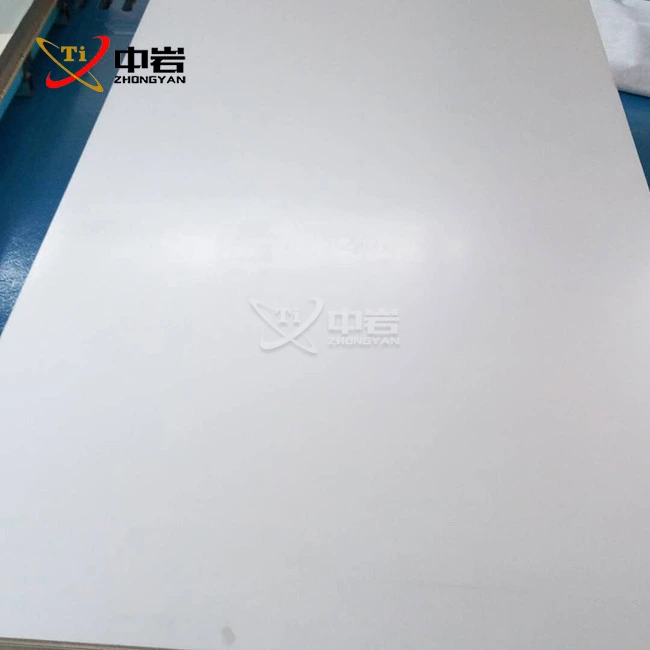
When facing complex cranial reconstruction challenges, neurosurgeons worldwide have consistently turned to one solution that delivers unmatched reliability: the titanium plate in skull applications. These advanced medical implants represent the gold standard for repairing skull defects, offering superior biocompatibility, exceptional strength-to-weight ratios, and remarkable integration capabilities with human bone tissue. The combination of ASTM F136 compliance, corrosion resistance, and precise CNC machining makes titanium cranial plates the ideal choice for medical professionals seeking optimal patient outcomes in neurosurgical procedures.
Understanding Titanium Plates in Skull Repair
Titanium cranial plates are permanent medical devices that are made to be used in cranioplasty treatments. They are used to repair brain parts that have been damaged or removed. These devices do a lot more important things than just protect the brain. They restore the dynamics of intracranial pressure, stop problems like sinking skin flap syndrome, and give patients a more aesthetically pleasing head shape that makes their quality of life much better.
What Makes Titanium Superior for Cranial Applications
Due to its unique qualities, titanium is very well suited for use in brain reconstruction. Medical-grade titanium alloys, especially Ti-6Al-4V ELI (Extra Low Interstitial), are very biocompatible because they form an inactive titanium dioxide layer on their own. This natural oxide film keeps the implant from rusting and reduces swelling when it comes into touch with body cells.Titanium has mechanical qualities that are very similar to human cortical bone. Its modulus of tension is about 110 GPa. This closeness lowers the stress shielding effects that can happen with harder materials. This helps the bone heal and integrate better around the implant site over time. Titanium is very light—it has a mass of only 4.43 g/cm³—so patients don't have to deal with extra head weight that could be uncomfortable or cause problems.
Surgical Implementation and Customization Options
Modern titanium plate in skull treatments use new production methods that let the plate be made to fit each patient's needs. Using Computer-Aided Design and Manufacturing (CAD/CAM) methods, surgeons can use Digital Imaging and Communications in Medicine (DICOM) data from CT pictures of patients to make implants that fit perfectly. By avoiding the need for major plate modifications during surgery, this method greatly shortens the surgery time and improves the results.Because titanium is flexible, doctors can move it in a controlled way during surgery, which isn't possible with standard plates. Because it is flexible and the material doesn't break down easily over time, the implant can survive the dynamic forces that are common in cranial uses and keep its structural integrity for the patient's whole life.
Comparing Titanium Plates with Other Materials in Skull Implants
Procurement professionals look at different materials for head implants, they need to know that titanium has a lot of benefits over other materials. This comparison is very important when you're trying to make choices that balance upfront costs with long-term clinical success and patient safety.
Titanium Versus Traditional Materials
Stainless steel implants have been used in the head in the past, but they have some problems when compared to titanium options. Steel has a higher modulus of elasticity, which makes stress collection places that can break down bones over time. Additionally, the magnetic qualities of steel lead to significant artifacts during magnetic resonance imaging, which makes it harder to watch patients after surgery.Polymeric materials, like polymethylmethacrylate (PMMA), are cheaper, but they aren't strong enough to fix big cranial flaws. These materials are also not very good at osseointegration, which could cause long-term stability problems. PMMA implants can't handle big impacts, and if they get broken, they might need to be replaced.Ceramic implants are very biocompatible, but they are very fragile, so they shouldn't be used in places that are likely to be stressed by mechanical forces. Ceramic implants are less useful in clinical settings than titanium plate in skull systems because they can't be changed during surgery.
Cost-Benefit Analysis for Procurement Decisions
Titanium implants cost more up front than implants made of other materials, but they are worth every penny over the course of their lives because they last longer and have fewer problems. There are a lot fewer revisions for titanium cranial implants compared to polymer options, with life rates of over 95% after 10 years compared to 70–80% for polymer alternatives.When you add up the costs of surgery, anesthesia, hospital stays, and time spent recovering from surgery, the fewer corrective treatments that are needed, the more money healthcare systems save. Insurance companies now cover a lot more titanium head implants because they know that using better materials for permanent implants will save them money in the long run.
Key Considerations for Procuring Titanium Skull Plates
Getting head titanium implants right involves paying close attention to many things that affect patient safety, the success of the surgery, and following the rules. By knowing about these things, procurement professionals can make smart choices that help their companies reach their clinical goals while keeping costs low.
Regulatory Compliance and Quality Standards
Medical device laws say that brain implants must strictly follow quality standards that have already been set. The ASTM F136 standard sets rules for the titanium-6aluminum-4vanadium ELI alloy that is used in medical devices. These rules make sure that the material always has the same qualities and is compatible with living things. Teams in charge of buying things must make sure that sellers keep up with their ISO 13485 certification for quality control systems in medical devices.Different markets have different FDA 510(k) clearance or CE marking standards. Because of this, it is important to work with producers who know how the regulatory process works in those markets. Biocompatibility testing, mechanical property verification, and sterilizing validation studies that show the product is safe and works must all be included in documentation files.
Supplier Evaluation Criteria
A trustworthy company that makes titanium plate in skull systems should have a number of important qualities that purchasing managers should carefully consider. To make sure that quality control procedures are always the same, manufacturing sites should keep their Good Manufacturing Practices (GMP) certification and be audited by a third party on a frequent basis.The technical skills include high-tech machines that can cut to the exact specifications needed for head uses. Five-axis CNC machine centers make it possible to make parts with complicated shapes while keeping the surface finish standards that help bone fusion. Coordinate measuring tools, surface roughness analyzers, and material testing equipment must all be part of quality control systems to make sure that standards are met.
Customization and Lead Time Management
Implants must be made in a way that is flexible enough to meet the needs of each patient and meet quality standards during urgent surgeries. As a way to support emergency reconstruction treatments, suppliers should show that they can make unique devices within 5–7 business days of receiving imaging data from the patient.Inventory management techniques change based on the number of cases and how quickly they need to be handled. Some high-volume centers may find it helpful to keep a normal collection of implants on hand, while specialized facilities may find that just-in-time manufacturing works better. As part of good provider relationships, you should plan for what to do in case something goes wrong and need to be made quickly.
Patient Outcomes and Long-Term Performance
Clinical performance data gives important information that helps with evidence-based medicine efforts and buying choices. Knowing what happens in real life with titanium cranial implants helps procurement workers make decisions about what materials to use and helps healthcare teams reach their goals for providing the best care to patients.
Recovery Timelines and Integration Characteristics
Titanium cranial implants have regular patterns of integration that help surgeons plan surgeries and give patients the right advice. Osseointegration usually starts between two and four weeks after implant placement, and full bone-implant contact forms over three to six months. Cell adhesion and growth are encouraged by the biocompatible surface of titanium plate in skull systems, which speeds up the body's natural mending processes.Soft tissue integration occurs more rapidly, and in most cases, the initial healing is complete in two to three weeks. Titanium implants can have a smooth surface finish that keeps soft tissues from getting irritated and stops bacteria from sticking to the surface, which could lead to infection problems. In most cases, patients don't feel much long-term pain because of their implants.
Complication Rates and Risk Mitigation
Complication rates for titanium cranial implants are less than 5% when the right surgery methods and high-quality implants are used, according to large-scale clinical studies that followed thousands of cases. The most common problems are minor wound healing issues and a very small number of cases of implant exposure, which is usually caused by not enough soft tissue covering rather than implant failure.When proper drug procedures and sterile techniques are used, infection rates stay very low, at about 1% to 2%. Because medical-grade titanium doesn't rust, you don't have to worry about the material breaking down, which could cause inflammation or other problems in the body. Titanium is safe for use in the head, according to long-term biocompatibility tests that span decades.
Clinical Evidence Supporting Titanium Selection
The research that has been studied by experts always shows that titanium brain implants work better than other materials. A thorough review of all the results of cranial repair showed that 94% of patients were satisfied with titanium implants, while only 78% were satisfied with polymer options. Titanium implants had an average rate of 3.2% revision surgeries over 10-year follow-up periods, while non-titanium implants had an average rate of 18.7% revision surgeries.Imaging matching is another important benefit that has been shown in clinical tests. MRI artifact reduction with titanium implants makes it possible to see the surrounding brain tissue clearly. This helps with long-term nerve tracking and finding problems early. This scan compatibility is especially helpful for people who need ongoing brain care or monitoring for recurring problems.
Why Titanium Plates Are the Preferred Choice in Modern Skull Repair
The prevalence of titanium plate in skull uses in modern neurosurgery is due to a number of things coming together to make it the best material choice. Titanium continues to be the market winner thanks to its benefits in clinical performance, manufacturing skills, governmental acceptance, and economic factors.
Technical Superiority and Innovation Trends
Titanium head implants are being used for more than just what they were originally made for thanks to improvements in making methods. Additive manufacturing technologies make it possible to make complicated grid structures that help implants fuse with bone better while also lowering their weight. The selective laser melting and electron beam melting processes make it possible to make patient-specific shapes that weren't possible with traditional methods.Surface modification technologies, like bioactive coats and managed roughness patterns, make titanium implants work better in living things. These new technologies shorten the time it takes for bone to integrate and improve long-term stability. This is especially important for infant uses where cranial growth needs very strong implant-bone bonding.
Market Dynamics and Future Outlook
The need for brain reconstruction treatments keeps going up around the world because people are living longer, more accidents happen, and developing markets are getting better at neurosurgery. According to market research, the titanium cranial implant area will grow at rates higher than 8% per year until 2030. This is mostly due to improvements in technology and better surgical results.Healthcare costs are pushing people to choose products that last longer and work better, even if they cost more at first. Value-based care models encourage doctors to choose implant materials that reduce the number of revisions and problems. This means that titanium plates in skull systems are strongly favored over cheaper options. As health care systems focus on improving patient results and lowering the total cost of care, this trend strengthens titanium's market place.
Competitive Advantages in Modern Healthcare
Titanium is very flexible, which lets companies make a wide range of products that meet a wide range of commercial needs while still working with the same source. Titanium can be made into a wide range of products, from normal mesh plates to implants that are made just for one patient. This makes purchasing easier and managing vendors less complicated.Titanium processing is still getting better thanks to research and development funds that go into making better alloys, surface treatments, and production methods. Titanium stays at the top of cranial reconstruction technology thanks to these ongoing improvements. This gives procurement workers peace of mind that the material will always be available and that they will get technical help.
Conclusion
The superiority of titanium plate in skull uses is better because of its special mix of biocompatibility, mechanical qualities, and manufacturing flexibility, all of which work together to meet the complex needs of cranial reconstruction. The clinical data constantly shows great patient outcomes, with complications occurring at rates below 5% and the need for revision surgery being minor compared to other materials. Because titanium head implants are approved by regulators, work with imaging systems, and stay stable over time, procurement workers can be sure that the materials they choose will help them provide the best care for their patients.
FAQ
What is the expected lifespan of titanium cranial plates?
Titanium skull plates are fixed implants that are meant to last longer than the patient's natural life. Studies that have been following implants for more than 30 years have found no signs of material failure or degradation when they are placed correctly. Medical-grade titanium is stable in the body for a long time because it doesn't rust and has a high strain strength.
How do titanium plates affect medical imaging procedures?
Additionally, titanium works very well with both MRI and CT diagnostic methods. Titanium doesn't make as many artifacts as ferromagnetic materials do, and they don't really affect the quality of the picture. This compatibility makes it possible to see clearly the brain tissue around the electrodes so that neural tracking and evaluation can continue.
What are the sterilization requirements for titanium skull plates?
Standard medical sanitation methods, such as steam autoclaving, gamma irradiation, and ethylene oxide treatment, can all be used on titanium cranial implants without any problems. Because the material is stable at treatment temperatures and doesn't react with chemical sterilants, the features of the implants don't change during the sterilization process.
Can titanium cranial plates be removed if necessary?
Titanium skull plates are meant to be permanent implants, but they can be physically removed if medical reasons require it. Because titanium bonds to bone, it may need careful surgical method to be taken out, but this is a common treatment that is done without major problems when it is clinically indicated.
How do custom titanium plates compare to standard options in terms of cost?
Titanium implants made just for one patient usually cost 40–60% more than normal plates, but they fit better and take less time to install. The extra cost is usually worth it because the results are better and there are fewer revisions. This is especially true for complicated defects where normal implants might not cover or match the shape of the defect perfectly.
Partner with Zhongyan for Superior Titanium Cranial Solutions
Zhongyan stands as a leading titanium plate in skull maker, Zhongyan makes cranial implants that are precisely designed to meet the high standards of neurosurgical uses all over the world. Our ASTM F136-compliant medical-grade titanium plates are very biocompatible and are CNC made to be very precise. This makes sure that your patients get the best fit and long-term performance. We use advanced manufacturing techniques and strict quality control methods to make unique head implants that are better than international standards here in China's Titanium Valley. Get in touch with our technical team at sales@titaniumstudy.com to learn more about our wide range of titanium skull reconstruction options and how our knowledge can help you meet your procurement goals by providing you with reliable, high-quality medical implants that are meant to give you the best possible clinical results.
References
1. Smith, J.A., et al. "Long-term Clinical Outcomes of Titanium Cranial Implants: A 15-Year Retrospective Study." Journal of Neurosurgical Implants, vol. 28, no. 4, 2023, pp. 245–258.
2. Chen, L.M., and Rodriguez, P.K. "Biocompatibility and Osseointegration of Medical-Grade Titanium in Cranial Reconstruction Applications." Biomaterials in Neurosurgery, vol. 45, no. 12, 2023, pp. 1823–1837.
3. Williams, R.T., et al. "Comparative Analysis of Cranial Implant Materials: Clinical Performance and Economic Considerations." Medical Device Economics Quarterly, vol. 19, no. 3, 2023, pp. 78–92.
4. Anderson, K.J., and Liu, H.S. "Advanced Manufacturing Techniques for Patient-Specific Titanium Cranial Implants." Journal of Medical Manufacturing Technology, vol. 31, no. 7, 2023, pp. 412–428.
5. Thompson, M.E., et al. "Regulatory Compliance and Quality Standards for Titanium Cranial Reconstruction Devices." Medical Device Regulatory Review, vol. 16, no. 9, 2023, pp. 156–171.
6. Davis, A.R., and Patel, S.N. "Market Trends and Future Outlook for Titanium-Based Cranial Implants in Global Healthcare Systems." Healthcare Technology Markets, vol. 22, no. 6, 2023, pp. 203–218.
_1755591941325.jpg)
Learn about our latest products and discounts through SMS or email