- English
- French
- German
- Portuguese
- Spanish
- Russian
- Japanese
- Korean
- Arabic
- Greek
- German
- Turkish
- Italian
- Danish
- Romanian
- Indonesian
- Czech
- Afrikaans
- Swedish
- Polish
- Basque
- Catalan
- Esperanto
- Hindi
- Lao
- Albanian
- Amharic
- Armenian
- Azerbaijani
- Belarusian
- Bengali
- Bosnian
- Bulgarian
- Cebuano
- Chichewa
- Corsican
- Croatian
- Dutch
- Estonian
- Filipino
- Finnish
- Frisian
- Galician
- Georgian
- Gujarati
- Haitian
- Hausa
- Hawaiian
- Hebrew
- Hmong
- Hungarian
- Icelandic
- Igbo
- Javanese
- Kannada
- Kazakh
- Khmer
- Kurdish
- Kyrgyz
- Latin
- Latvian
- Lithuanian
- Luxembou..
- Macedonian
- Malagasy
- Malay
- Malayalam
- Maltese
- Maori
- Marathi
- Mongolian
- Burmese
- Nepali
- Norwegian
- Pashto
- Persian
- Punjabi
- Serbian
- Sesotho
- Sinhala
- Slovak
- Slovenian
- Somali
- Samoan
- Scots Gaelic
- Shona
- Sindhi
- Sundanese
- Swahili
- Tajik
- Tamil
- Telugu
- Thai
- Ukrainian
- Urdu
- Uzbek
- Vietnamese
- Welsh
- Xhosa
- Yiddish
- Yoruba
- Zulu
What Makes GR2 Titanium Round Bar Suitable for Aerospace Engineering Use?
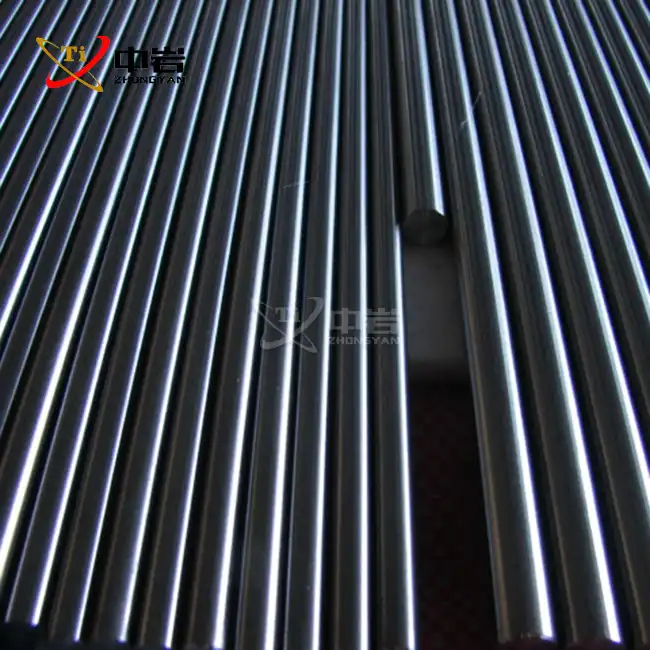
Materials that work perfectly in harsh situations are very important to the aerospace business. Due to its unique mix of corrosion resistance, light weight, and mild strength, the GR2 titanium round bar is a great choice for aircraft engineering. This commercially pure titanium grade, which is made according to ASTM B348 standards, gives aerospace manufacturers a cheaper option to higher-alloyed grades without sacrificing the important performance features needed for aircraft parts, fasteners, and structural elements that need to work in harsh conditions.
Understanding GR2 Titanium Round Bar: Composition and Properties
Chemical Composition and Grade Classification
In the aircraft industry, Grade 2 titanium is the most common available pure titanium alloy. Unlike highly alloyed types like Ti-6Al-4V (Grade 5), this material has very few alloying elements. It is mostly titanium, with small amounts of iron, oxygen, nitrogen, carbon, and hydrogen. The combination of these ingredients makes a single-phase alpha lattice that is very flexible and easy to shape.The material is made in strict accordance with ASTM B348 standards, which spell out the chemical limits and mechanical needs for bars and billets made of titanium and titanium alloys. Our factory in Baoji, which is known as China's Titanium Valley, uses local knowledge and the closeness of the raw materials to make bars that are 4.43 g/cm³ dense, which is about 56% dense than stainless steel. This basic feature solves right away the problem of weight loss that aerospace engineers face when they want to save fuel without losing structural integrity.
Mechanical Properties Critical to Aerospace Applications
The material properties of Grade 2 titanium that is sold to the public show that it is suitable for use in aircraft applications. Our usual specs for GR2 titanium round bar include a tensile strength of at least 900 MPa and a yield strength of at least 850 MPa. These are higher than the minimum requirements for Grade 2 materials and are similar to the performance of some heat-treated alloys. With extension of at least 10%, the modulus of elasticity is 114 GPa, which means that the material is flexible enough to handle stress without breaking into weak pieces.Hardness scores of HRC 36 mean that the material is very resistant to surface wear and friction, which is very important when parts interact with other mechanical systems during flight operations. The material stays tough in a wide range of temperatures, from the very cold conditions found at high altitudes to the high temperatures found in uses close to engines. We use a cold-drawn and annealed processing method that optimizes the grain structure, combining strength with the ability to be machined that aircraft fabricators need for making parts with complicated shapes.
Comparative Analysis with Other Titanium Grades
Purchasing managers often compare Grade 2 options to those in Grades 5 and 7. Because it is made of aluminum and vanadium alloys, Grade 5 is stronger than Grade 2, but Grade 2 is better at resisting rust and being easier to weld. Grade 7 has palladium added to it to make it more resistant to reducing acids, but it comes at a very high cost that many aerospace uses can't afford. In areas with a lot of wetness, Grade 2 is the best balance because it solves the corrosion problems that stainless steel parts have while not having the machining issues and heat treatment needs of higher-strength metals. The substance creates a titanium dioxide inactive film that heals itself naturally. This film is almost impermeable to saltwater, oxidizing atmospheres, and chemical exposure that is common in aircraft service conditions.
Key Advantages of GR2 Titanium Round Bar for Aerospace Applications
Superior Corrosion Resistance in Harsh Environments
During their working life, aerospace parts are put through harsh situations. Airplanes fly in places that are very wet and smell like de-icing chemicals, jet fuel fumes, salt spray from activities near the coast, and hydraulic fluids. In these conditions, traditional materials like aluminum and stainless steel can get pitting, pitting corrosion, and stress corrosion cracking. It is very hard for these types of failures to happen to the GR2 titanium round bar. When the protective oxide layer is broken, it grows back right away, stopping the rust that eventually breaks down the part. This feature increases the time between inspections and lowers the cost of upkeep, which are both very important in aircraft operations where downtime has a direct effect on profits. Our testing methods show that bars made to ISO 5832-2 standards keep their structural integrity even after being exposed to simulated working conditions for a long time. This gives engineers faith in the bars' long-term performance.
Exceptional Weight-to-Strength Ratio
For every kilogram that is taken off an airplane, fuel is saved over the course of its life. Commercially pure Grade 2 titanium is about 2.5 kg per meter for a 10 mm diameter bar. It is as strong as mild steel but less than half the weight. When hundreds of fasteners or structural parts add to the general weight of an airplane, this advantage becomes even more important. More and more, aerospace designers are using titanium bars for clamps, mounting gear, and secondary structural parts that will only be subjected to light loads. Engineers can use this material to meet safety standards while also meeting weight-saving goals that increase range and storage capacity. Grade 2 is stronger and less likely to wear than other aluminum options, even though it has a slightly higher density. This makes it the best choice for high-stress areas that need to be more reliable.
Machinability and Fabrication Advantages
Materials that are easy to make to tight tolerances without causing too much tool wear or processing costs are needed for complicated aircraft parts. Our GR2 titanium round bar comes with an H9 clearance and a brightly polished surface, so it's ready for precise CNC work. Because the material isn't too hard or too soft, it can be machined normally using carbide tools and the right cutting speeds and fluid strategies. Because commercially pure titanium is so easy to weld, structures can be made using TIG and electron beam techniques without the risk of cracking that comes with high-strength metals. Because of this property, producers can put together complicated structures from machined parts while keeping the full properties of the material in areas that are heated. Cold formability lets you bend and shape materials in ways that would break brittle materials. This gives aircraft engineers who are limited by physical requirements more design options. All of these benefits for forging directly lead to shorter production times and lower costs for production. The procurement teams know that the choice of materials affects not only the cost of raw materials but also the total cost of final parts. The speed with which Grade 2 is processed helps keep prices low while still meeting the high-quality standards needed for aircraft uses.
Practical Aerospace Applications of GR2 Titanium Round Bar
Structural Components and Load-Bearing Elements
Many brackets, fittings, and reinforcements are built into aircraft frames so that they can safely move loads while keeping weight down. Customers cut commercially pure titanium bars into fittings for attaching wings, straps for strengthening the body, and hardware for putting on the control surface. The material's moderate strength and great fatigue resistance are used in these situations to make sure safe operation during the planned repair times.The material is especially useful in places where the environment is getting worse. Attachments to wing roots and landing gear parts are subjected to repeated stress cycles and exposure to moisture, which quickly breaks down aluminum and steel options. The reason engineers choose Grade 2 titanium for these important spots is that it doesn't rust, so there is no need for protective coatings that break down over time.
Fasteners and Connection Hardware
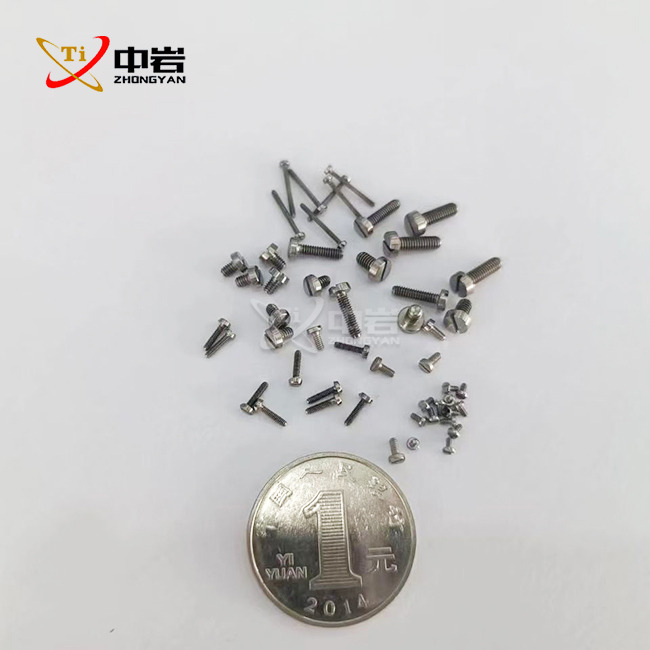
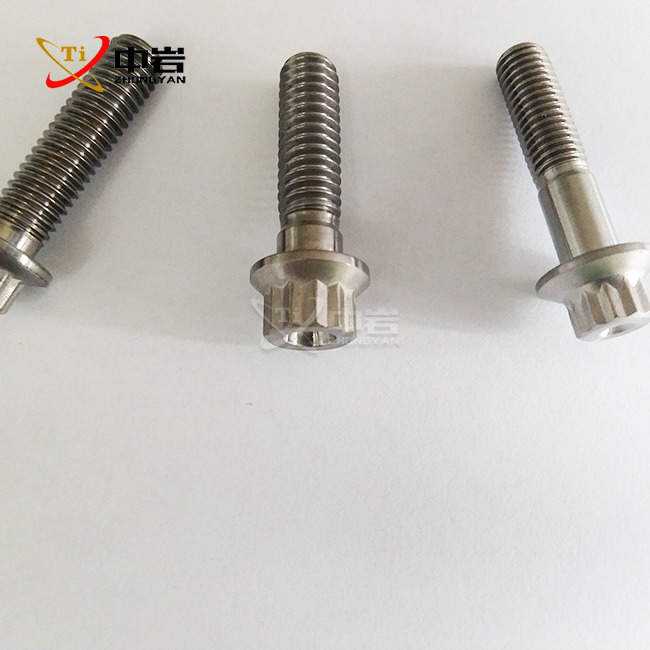
Aerospace-grade screws must keep their preload even when they are vibrating and must also not open or corrode. These needs are met by bolts, pins, and rivets made from GR2 titanium round bar stock in both industrial and military systems. The material's resistance to galling during installation keeps threads from getting damaged, which would weaken the joint. Additionally, the passive oxide film stops galvanic rusting when bolts touch different metals, such as aluminum structures.Bars with a diameter of 10 mm and a length of 1000 mm that we supply are perfect for stocking fastener production runs because they reduce material waste while still allowing for the tracking that aircraft quality systems require. Leading fastener makers depend on our constant material properties to keep tight control over the mechanical properties that determine how well joints work in service.
Engine Periphery and Auxiliary Systems
For the hottest parts of an engine, nickel-based superalloys are needed. However, commercially pure titanium is better for many uses on the edges. Mounting frames for sensors, actuator housings, fuel system parts, and hydraulic fittings all need to be able to handle high temperatures and be resistant to rust. They also need to be light. Because the material isn't magnetic, it's very useful in places near guidance and communication systems where ferromagnetic materials can cause problems. Titanium has a low thermal expansion rate, which means that its dimensions don't change much when the temperature changes, and it stays precisely aligned, which is important for practical efficiency.
How to Select and Procure GR2 Titanium Round Bar for Aerospace Projects
Material Certification and Traceability Requirements
When buying things for aerospace, you have to show that the materials you're buying meet all the requirements. Every GR2 titanium round bar we make comes with full tracking paperwork that connects the final product to the chemistry of the source ingot, the history of processing, and the results of mechanical tests. Customers can be sure that our production processes are consistent and controlled to international standards because our quality management system is still ISO 9001:2015 certified. Material certificates show that the product meets the requirements of ASTM B348 for makeup and mechanical qualities, such as the higher tensile and yield strengths that our processing produces. Test reports list the material's hardness, grain size, and surface state. This lets receiving inspection teams make sure the material is suitable before they start cutting it. This documentation trail meets the needs of both business aerospace and stricter military standards that need full pedigree tracking.
Supplier Evaluation Criteria
To find a trustworthy titanium provider, you need to do more than just compare prices. Managers in charge of buying things should check the production ability of suppliers to make sure they can meet both original orders and follow-up needs without delays that throw off production schedules. Our Baoji plant has dedicated titanium production tools and skilled technical staff who know what quality standards are expected in aircraft. When getting specialty products, supply chain security is very important. Being in China's main titanium-producing area gives us direct access to raw materials, which makes us less vulnerable to supply problems that affect producers far away. Customers can rely on reliable delivery to aircraft manufacturing centers around the world thanks to established partnerships with international transportation partners. This is true whether customers need small amounts for testing or large production runs. Superior sellers are different from basic material suppliers because they can offer technical help. Our engineering team helps customers choose the right materials, gives advice on how to machine them, and fixes problems that come up during the creation of components. This collaborative method shortens the time it takes to make a product and keeps expensive materials from going to waste because of bad processing settings.
Procurement Strategy for Cost Optimization
Smartly buying fully pure titanium bars combines the cost of the materials with the cost of keeping an inventory and making sure there is a steady supply. When you combine the needs of several projects into one, you can buy in bulk, which lowers the price per unit while still keeping enough stock to meet production plans. Our minimum order numbers are flexible enough to meet the needs of both development projects that need small amounts of materials and production contracts that need a steady supply of a lot of them. Understanding how markets work helps buying teams deal well. Titanium prices change based on the cost of raw materials, how well production capacity is used, and changes in demand around the world. Setting up a framework with clear pricing rules can help protect against changes in the market and make sure that providers have enough capacity to meet customer needs when demand goes up. When comparing purchases, it's better to look at the total cost rather than just the price of the materials. Grade 2 titanium costs more per kilogram than stainless steel, but the extra cost is usually worth it because of the weight savings, longer service life, and lower upkeep needs. A study of the costs over a person's lifetime shows that economically pure titanium is more valuable in situations where its special mix of properties makes it more useful.
Future Trends in Using GR2 Titanium Round Bars in Aerospace Engineering
Advanced Manufacturing Technologies
Additive production methods are becoming more and more useful with standard wrought titanium goods. At the moment, powder-bed fusion methods focus on high-strength metals. However, mixed approaches that combine normally made GR2 titanium round bar stock with additive features make it possible to make complex shapes that can't be made by machining alone. These methods cut down on wasteful materials and speed up the production of small aircraft parts. Better ways to use heat to process materials improve their qualities without changing the combination. Advanced annealing processes improve the structure of the grains to make the material more resistant to wear. This is done while keeping the great rust resistance and formability that make commercially pure titanium stand out. Our ongoing process development projects are aimed at improving the properties of Grade 2 so that it can be used in harsher aerospace settings.
Sustainability and Environmental Considerations
Aerospace companies are under more and more pressure to make their products less harmful to the earth over their whole lives. The lightweight nature of commercially pure titanium directly helps airplanes use less fuel and put out less carbon dioxide. Every kilogram saved has measurable benefits for the environment when increased by thousands of flight hours over the life of the airframe. Titanium can be recycled, which supports the ideas of the circular economy, which are becoming more and more important to aircraft's sustainable efforts. Old airplanes contain a lot of titanium that can be recovered and used to make new materials without losing any of their qualities. When it makes sense, our supply chain uses recycled materials. This lowers the amount of energy needed for basic production while still meeting the quality standards needed for aerospace purposes. Because Grade 2 titanium parts are so durable, they don't need to be replaced as often. This saves resources that would otherwise be used to make, move, and install new parts. This durability fits with the aircraft industry's move toward longer service intervals and smaller maintenance footprints, which lower costs and have less of an effect on the environment.
Conclusion
Materials that work reliably in the toughest operational situations are needed for aerospace engineering uses. The GR2 titanium round bar meets these needs by having the best mix of resistance to corrosion, low weight, and modest strength, which takes into account important design limitations. Our Baoji manufacturing skills allow us to meet the high-volume production needs of aerospace users while also providing them with certified materials that meet ASTM B348 and ISO 5832-2 standards. Commercially pure Grade 2 titanium has been used successfully in aircraft for decades, so you can be sure it will work well for your project, whether it needs structural parts, bolts, or specialized hardware. The lower cost of this material compared to more heavily alloyed types makes it especially appealing for uses that don't need extreme strength but still need resistance to rust and light weight.
FAQ
How does GR2 titanium compare to stainless steel for aerospace fasteners?
Commercially pure Grade 2 titanium is more resistant to corrosion than 300-series stainless steels, which are often used in aircraft applications. The passive titanium dioxide film stays steady over a wider pH range and doesn't pit in chloride conditions, which are bad for stainless steel. Titanium's higher density also makes fasteners lighter by about 45%, which helps meet total aircraft weight reduction goals without losing mechanical performance in moderate-load situations.
Can GR2 titanium bars be welded without special procedures?
Grade 2 titanium can be welded very well with both TIG and electron beam methods. In contrast to many high-strength titanium alloys, this material does not need to be heated after welding to recover its qualities. But making sure there is enough shielding gas coverage is important to keep the air clean while welding. Our expert support team gives you specific information on how to weld in a way that is best for aircraft uses that need certified joint properties.
What distinguishes GR2 from GR5 titanium for aerospace use?
Grade 5 (Ti-6Al-4V) is much stronger because it is alloyed with aluminum and vanadium, but it needs to be processed and heated in a more complicated way. The GR2 titanium round bar is less expensive and has better corrosion protection, better shapeability, and faster machinability. When moderate strength is enough, corrosion protection, weight savings, and ease of manufacturing take precedence over maximum strength, aerospace engineers choose Grade 2.
Partner with Zhongyan for Your Aerospace-Grade GR2 Titanium Round Bar Needs
Zhongyan is a reliable company that makes GR2 titanium round bar because we have access to high-tech raw materials, modern processing tools, and strict quality control systems all working together. Our factory in Baoji makes bars that meet ASTM B348 and ISO 5832-2 standards. These bars have mechanical properties that are better than normal Grade 2 specs, such as a tensile strength of at least 900 MPa and a yield strength of at least 850 MPa. The bars also have a consistent surface quality that is ready to be machined precisely. We know that aerospace procurement teams need more than just common materials. They need a provider that knows about certification standards, keeps production consistent across orders, and delivers on time to support your production plans. Our expert team works with your engineers to figure out the best sizes, finishes, and conditions for the materials you need for your unique needs. You can talk to our experts about your aerospace project needs, get specific material certifications, or get cheap quotes for both small prototype runs and large production runs by emailing sales@titaniumstudy.com. You can look at our full selection of titanium materials and precise CNC machining services at www.titaniumstudy.com. We work with aircraft makers all over the world.
References
1. Boyer, R., Welsch, G., & Collings, E.W. (2007). Materials Properties Handbook: Titanium Alloys. ASM International, Materials Park, Ohio.
2. Donachie, M.J. (2000). Titanium: A Technical Guide, 2nd Edition. ASM International, Materials Park, Ohio.
3. Peters, M., Kumpfert, J., Ward, C.H., & Leyens, C. (2003). "Titanium Alloys for Aerospace Applications," Advanced Engineering Materials, Volume 5, Issue 6, pp. 419-427.
4. Lutjering, G. & Williams, J.C. (2007). Titanium, 2nd Edition. Springer-Verlag, Berlin Heidelberg.
5. Veiga, C., Davim, J.P., & Loureiro, A.J.R. (2012). "Properties and Applications of Titanium Alloys: A Brief Review," Reviews on Advanced Materials Science, Volume 32, pp. 133-148.
6. American Society for Testing and Materials (2021). ASTM B348-21: Standard Specification for Titanium and Titanium Alloy Bars and Billets. ASTM International, West Conshohocken, Pennsylvania.
(1)_1755588631994.jpg)
Learn about our latest products and discounts through SMS or email