- English
- French
- German
- Portuguese
- Spanish
- Russian
- Japanese
- Korean
- Arabic
- Greek
- German
- Turkish
- Italian
- Danish
- Romanian
- Indonesian
- Czech
- Afrikaans
- Swedish
- Polish
- Basque
- Catalan
- Esperanto
- Hindi
- Lao
- Albanian
- Amharic
- Armenian
- Azerbaijani
- Belarusian
- Bengali
- Bosnian
- Bulgarian
- Cebuano
- Chichewa
- Corsican
- Croatian
- Dutch
- Estonian
- Filipino
- Finnish
- Frisian
- Galician
- Georgian
- Gujarati
- Haitian
- Hausa
- Hawaiian
- Hebrew
- Hmong
- Hungarian
- Icelandic
- Igbo
- Javanese
- Kannada
- Kazakh
- Khmer
- Kurdish
- Kyrgyz
- Latin
- Latvian
- Lithuanian
- Luxembou..
- Macedonian
- Malagasy
- Malay
- Malayalam
- Maltese
- Maori
- Marathi
- Mongolian
- Burmese
- Nepali
- Norwegian
- Pashto
- Persian
- Punjabi
- Serbian
- Sesotho
- Sinhala
- Slovak
- Slovenian
- Somali
- Samoan
- Scots Gaelic
- Shona
- Sindhi
- Sundanese
- Swahili
- Tajik
- Tamil
- Telugu
- Thai
- Ukrainian
- Urdu
- Uzbek
- Vietnamese
- Welsh
- Xhosa
- Yiddish
- Yoruba
- Zulu
What Is a Titanium Pipe Flange Used For?
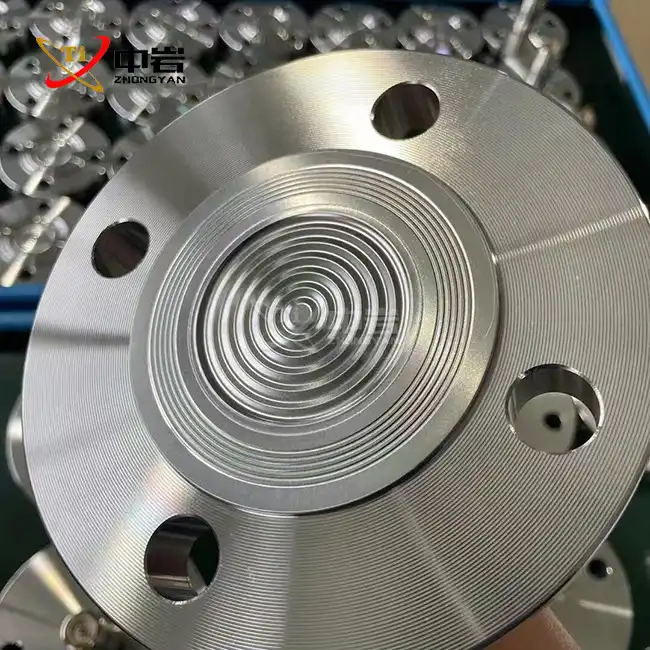
A titanium pipe flange is a high-performance connecting component manufactured from ASTM B363 Grade 2 titanium, designed to join pipes, valves, pumps, and other equipment within industrial piping systems. These specialized flanges solve critical industry challenges by providing exceptional corrosion resistance in aggressive chemical environments, superior strength-to-weight ratios for weight-sensitive applications, and reliable performance in extreme temperature conditions ranging from -196°C to 400°C. Unlike conventional steel alternatives that succumb to pitting and crevice corrosion, titanium flanges form a stable oxide film that ensures leak-proof connections and extended service life in demanding industrial applications.
Understanding Titanium Pipe Flanges and Their Uses
Titanium flanged fittings are a big step forward in the technology of industrial pipes. They work better than anything else on the market and can handle the toughest practical needs in a wide range of businesses. When things get rough, regular materials tend to break down. That's why these precision-engineered parts are used to connect pipe systems.
Superior Material Properties Drive Industrial Adoption
Because titanium is a special metal, plates made of it are very common. Titanium doesn't rust as easily as stainless steel does, especially in places with a lot of chloride, like the ocean or places where chlorine is used while wet. This protection comes from titanium's natural ability to make a stable oxide film (TiO2) that over time keeps out strong chemicals and weather.Ti flanges are useful when weight is an issue because they are strong for how light they are. Although they are strong, these parts are about 56% less dense than steel, which makes them lighter. This makes remote platforms, flight systems, and naval installations safer. It costs less to move, takes less work to set up, and works better because of its lighter weight.
Critical Industrial Applications and Use Cases
Titanium flanges are used in many industry places where they could be very dangerous if they broke. Offshore oil and gas companies use these parts for fire water systems, seawater cooling loops, and links between pipes that are beneath. Microbiologically influenced corrosion (MIC) and biofouling cause normal materials to break down quickly in these places.Titanium flanges are used in chemical processing plants to move wet chlorine gas and store hypochlorite. These systems are especially important for chlor-alkali and cleaning processes. Standard steel plates rust quickly in these conditions, which makes it hard to control things and puts people at risk. In places with a lot of air, titanium plates are the only widely available way to keep things together.These parts are used in nuclear power condensers and Multi-Stage Flash (MSF) desalination plants, which are tough places to work because the brine and steam are very hot and salty. Titanium doesn't erode or rust easily, so higher flow rates can happen in heat exchanger pipes. This makes the system more reliable over time and improves thermal efficiency and output.
Types and Specifications of Titanium Pipe Flanges
Buyers and engineers can pick the best titanium flanges for each job if they know about the different kinds and their specs. Each type of flange has its own perks that depend on how it is installed, the pressure, and how it is used.
Flange Design Classifications and Applications
To make the link stronger, use a weld neck flange. Its curvy hub spreads stress evenly across the pipe wall. When it's important for the structure to be stable, these rings work great under high pressure. Weld neck designs are great for chemical plants and rural sites with important process lines because they make the change from flange to pipe slowly, which spreads out stress.It is easy to put slip-on flanges in place, and they are strong enough for uses with low pressure. It's easy to line up during fitting because they slip on, which saves time and money on work. These flanges are useful when parts need to be taken apart a lot to fix them or check them.You can close off the ends of lines or holes in vessels with blind flanges. This lets you connect things or fix them later. When used in titanium building, blind flanges offer the same rust resistance benefits. They also let the system be flexible and make changes in the future that won't weaken the structure.
Technical Specifications and Industry Standards
The titanium flanges made by Zhongyan meet the standards set by ASTM B363 Grade 2. This means that the material will keep its quality and performance. They come in diameters from 1" to 24", which means they can be used for a lot of different types of pipe systems, from small monitoring lines to large process pipe installations.There are different pressure class rates between 150 and 600 ANSI, so you can use them in different work settings. With thicknesses between 10 and 40 mm, you can make the right choice based on how much pressure you need and how safe you want to be. The surface can be either matte or glossy. Polished finishes are easier to clean in places like pharmacies and food processing plants.It can handle most industrial process needs, from very cold temperatures to temperatures that aren't too hot or too cold. These plates are made of titanium, which is strong against thermal shock and can handle a wide range of temperatures. This makes them ideal for systems where temperatures change often.
Titanium Pipe Flange vs. Other Materials: A B2B Comparison
To pick the right plate material, you should carefully consider how well it works, how much it costs over its whole life, and how it will be used. It's possible to find places where titanium plates are better than other choices, even though they cost more at first.
Performance Comparison Against Conventional Materials
In many important ways, titanium pipe flanges are better than stainless steel ones. Titanium will never break, but 316L stainless steel will split and crack when it comes into contact with salt. Because it doesn't rust, stainless steel systems don't need to be replaced all the time, which can be a problem in places like chemical processing and the sea.If you buy carbon steel flanges at first, they are less expensive, but they need to be treated in many ways and kept in good shape in places where they will rust. While carbon steel may last 20 years, it often costs more than titanium in the long run because of the costs of changing parts, checking them, and refinishing them.Even though alloy steel flanges are stronger, they don't hold up as well against rust in tough chemical environments as stainless steel flanges do. In places with a lot of chlorine, even high-quality metal steels break down more quickly. This can cause them to fail early and pose safety risks.
Economic Analysis and Lifecycle Value
The economic case for titanium plates is clear when you look at the total costs over their whole life, not just the price you paid for them. Titanium flanges are very pricey, but because they last a long time and don't need much maintenance, the total cost of ownership is often lower over a longer length of time.It's good for the economy when upkeep costs are low. Titanium flanges don't need much maintenance, just make sure the bolts are tight and replace the seal every so often. No rust means it doesn't need to be inspected often, have its coatings renewed, or be replaced early, which are all things that need to be done with ferrous metal systems.Cutting down on downtime is also good for the business, especially in process industries where it costs a lot to stop work. Unexpected shutdowns happen less often when titanium flanges are used. This keeps production going, brings in money, and lowers the costs of emergency fixes and safety risks that come with corrosion-related failures.
Installation, Maintenance, and Procurement Best Practices
Titanium flanges work best when they are installed and cared for properly. This also makes sure that they can be used safely and reliably for their whole life. When buying teams know these best practices, they can pick the right goods and services to back them up.
Installation Guidelines and Technical Considerations
The first step to an effective fitting is to store and care for titanium parts the right way. Titanium plates, on the other hand, need extra care to keep them from getting metal that could cause galvanic rust on them. There are special tools and stage areas for putting the parts together that help keep them clean.Watch out for how to pick the right nuts and how much force to use when putting titanium pipe flanges together. Titanium bolts are best for all situations, but high-quality stainless steel nuts can be used as long as they are kept separate. This is because titanium doesn't bend as easily as steel does, so force numbers should match what the maker says.What kind of gasket you choose is very important for how well it seals. TiN flanges work well with PTFE, EPDM, and other gasket materials that don't mix with chemicals. The materials and temps that will be used should help you decide what kind of seal to use. You can be sure that it will work with both the process media and the titanium plate this way.
Maintenance Protocols and Inspection Procedures
In order to keep titanium flanges in good shape, the bolt pressure and gasket state need to be checked regularly. Titanium doesn't rust, so it doesn't need to be checked for material wear and tear. This makes maintenance faster and cuts the cost of checks.You should look for signs of process leaks, broken bolts, and broken seals when you do an eye check. When you use stainless steel flanges instead of steel ones, small leaks can be hidden by rust until they become big problems. This makes it easier to find leaks.
Procurement Strategy and Supplier Selection
In order to buy titanium flanges correctly, you need to know about certifications for the materials, production skills, and problems with the supply chain. Material test certificates (MTCs) from trusted companies should prove that the goods meet ASTM B363 standards and allow for tracking of where the raw materials came from.Because working with titanium is so specialized, it's important to keep track of wait times. The people whose job it is to buy things should only work with approved suppliers who keep enough stock and production ability to keep the project on track. Strategies for buying in bulk can help lower the price per unit while still making sure that fix materials are always on hand.As part of quality assurance, the surface finish, the makeup of the material, and the accuracy of the measures should all be checked. Reliable companies offer a wide range of high-quality support and paperwork services, such as helping you choose the right materials and giving you tips on how to use them.
The Future of Titanium Pipe Flanges in Industrial Applications
As a whole, the industry is working toward sustainability, better performance, and lower lifetime costs. This is making titanium flanges more common. Teams in charge of buying things can guess what people will need in the future and find smart ways to get those things.
Technological Advances and Material Innovations
Thanks to progress in titanium processing, titanium plates are still getting better at what they do and costing less. Better ways to work with materials keep the best traits of them while lowering the cost of making things. Powder metallurgy and additive manufacturing are two technologies that let you make complex forms with less waste.New ways of treating the surface of titanium have made flanges more useful in more scenarios. The surface can be changed in more advanced ways to make it less slippery, more resistant to wear, or more resistant to certain chemicals for certain uses. There are now new companies and uses that can get into new markets thanks to these changes.
Market Trends and Sustainability Drivers
Titanium flanges are being used in more and more businesses because of attempts to be more environmentally friendly and last longer. Companies that want to be environmentally friendly use titanium parts because they last longer and need less maintenance. This is also in line with government rules that say things should cause less damage to the environment.Ocean green energy is a big market with a lot of room for titanium plates to grow. Marine and ocean environments need materials that can last for a long time. This is important for wind farms, wave energy systems, and other marine green projects. Because they are stable and last a long time, titanium pipe flanges are great for these tough jobs.Because there isn't enough water in the world, more purification plants need to be built. This makes more titanium parts needed. System managers and equipment makers are finding titanium flanges more useful because they work better in high-salinity settings. This is because osmosis technology is getting better and more capacity is needed.
Conclusion
It is best to use titanium pipe flanges in tough industry settings where other materials don't work well or securely enough. Because they don't rust, are strong for their weight, and last a long time, these parts are necessary for chemical handling, remote work, aircraft, and naval applications. The cost of titanium flanges is higher at first than other choices, but they are a good investment over their whole lifetime because they need less maintenance, last longer, and work more reliably. Titanium flanges will become more and more important from a business point of view as long as they try to be more eco-friendly and improve performance. Because of this, they will be needed to build up the facilities for future industries.
FAQ
What makes titanium flanges superior to stainless steel?
Titanium plates don't rust as easily as stainless steel ones do, especially in places like the ocean that have a lot of salt. It is possible for 316L stainless steel to pit and rust in cracks, but titanium forms a steady oxide film that covers forever. Titanium is also stronger than steel, but it is only 56% as heavy.
Can titanium flanges be customized for non-standard applications?
In answer to your question, titanium flanges can be made to fit unique needs, like shapes, sizes, and pressure grades that aren't normal. There are often longer wait times for custom creation, but it can be the best solution for certain cases. Custom items come with paperwork and material approvals that prove they are of good quality.
What are typical delivery times and minimum order quantities?
It can take anywhere from 4 to 8 weeks to get standard titanium plates, but it depends on the size and other needs. Things that are made to order may take 8 to 12 weeks to make and be checked for quality. For each size and style, the minimum order quantity (MOQ) is different. The MOQ for standard goods is smaller than the MOQ for custom setups.
How do I verify the quality and authenticity of titanium flanges?
To make sure the quality is good, you need material test certificates (MTCs) that say the item meets ASTM B363 standards. A supplier with a good name will give you all the information you need to keep track of your order. This includes proof of chemical composition and mechanical properties. For important tasks, third-party review services can help make sure the quality.
Are titanium flanges suitable for welding applications?
It's possible to weld titanium plates if you follow the right steps. This type of weld neck design makes parts strong and even out the load. It is important to weld in a gas-free area with the right filler materials and approved welding methods to keep the mechanical properties and protect against rust.
Partner with Zhongyan for Premium Titanium Pipe Flange Solutions
If you want titanium pipe flanges that are made to go above and beyond industry standards, you can trust Zhongyan. We learn a lot about materials and use cutting-edge CNC machines to make high-quality flanges that meet ASTM B363 Grade 2 standards. Our plant is in Baoji, which is in the Titanium Valley of China. Our building is ISO9001:2015-certified, so you can be sure of steady quality, and our experienced engineering team can make OEM and ODM solutions that work for you. Contact our technical experts at sales@titaniumstudy.com to talk about your project needs and find out how our proven manufacturing excellence can help your business run more smoothly and save you money over the course of its life.
References
1. Boyer, R.R., Welsch, G., and Collings, E.W. "Materials Properties Handbook: Titanium Alloys." ASM International, Materials Park, Ohio, 1994.
2. Lutjering, G. and Williams, J.C. "Titanium: Engineering Materials and Processes." Springer-Verlag, Berlin Heidelberg, 2007.
3. Schutz, R.W. and Thomas, D.E. "Corrosion of Titanium and Titanium Alloys in Marine Environments." Corrosion Engineering Handbook, Marcel Dekker, 1996.
4. ASTM International. "Standard Specification for Titanium and Titanium Alloy Forged Fittings." ASTM B363-18, West Conshohocken, Pennsylvania, 2018.
5. Peters, M., Kumpfert, J., Ward, C.H., and Leyens, C. "Titanium Alloys for Aerospace Applications." Advanced Engineering Materials, Vol. 5, No. 6, 2003.
6. Donachie, M.J. "Titanium: A Technical Guide, 2nd Edition." ASM International, Materials Park, Ohio, 2000.
_1755591941325.jpg)
Learn about our latest products and discounts through SMS or email