- English
- French
- German
- Portuguese
- Spanish
- Russian
- Japanese
- Korean
- Arabic
- Greek
- German
- Turkish
- Italian
- Danish
- Romanian
- Indonesian
- Czech
- Afrikaans
- Swedish
- Polish
- Basque
- Catalan
- Esperanto
- Hindi
- Lao
- Albanian
- Amharic
- Armenian
- Azerbaijani
- Belarusian
- Bengali
- Bosnian
- Bulgarian
- Cebuano
- Chichewa
- Corsican
- Croatian
- Dutch
- Estonian
- Filipino
- Finnish
- Frisian
- Galician
- Georgian
- Gujarati
- Haitian
- Hausa
- Hawaiian
- Hebrew
- Hmong
- Hungarian
- Icelandic
- Igbo
- Javanese
- Kannada
- Kazakh
- Khmer
- Kurdish
- Kyrgyz
- Latin
- Latvian
- Lithuanian
- Luxembou..
- Macedonian
- Malagasy
- Malay
- Malayalam
- Maltese
- Maori
- Marathi
- Mongolian
- Burmese
- Nepali
- Norwegian
- Pashto
- Persian
- Punjabi
- Serbian
- Sesotho
- Sinhala
- Slovak
- Slovenian
- Somali
- Samoan
- Scots Gaelic
- Shona
- Sindhi
- Sundanese
- Swahili
- Tajik
- Tamil
- Telugu
- Thai
- Ukrainian
- Urdu
- Uzbek
- Vietnamese
- Welsh
- Xhosa
- Yiddish
- Yoruba
- Zulu
What Are the Risks of a Titanium Plate After Brain Surgery?
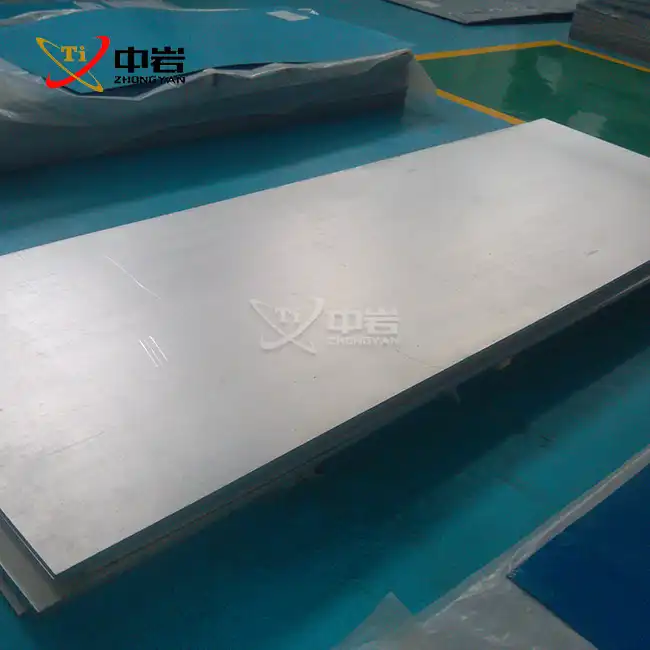
For procurement managers, medical device dealers, and healthcare institutions investing in cranial reconstruction options, understanding the risks involved with a titanium plate in head after brain surgery is still crucial. Even though these implants are very biocompatible and last a long time, some problems could happen, such as infection, plate displacement, inflammatory reactions, and mechanical failures, which need to be carefully thought through when choosing a seller. This complete guide talks about clinical risk profiles, comparing material performance, and buying tactics that keep patients safe and make sure brain implants work well in the long term.
Understanding Titanium Plates in Brain Surgery
The Role of Cranial Implants in Neurosurgical Reconstruction
Titanium plates are important implants for supporting the head after craniotomies because they are biocompatible, very strong, and light, which helps the body heal itself naturally. After surgery for a traumatic brain injury, stroke, brain tumor, or an infection that needs bone flap removal, these precision-engineered devices fix the stability of the skull. The properties of medical-grade titanium make it possible for it to blend in perfectly with the skull bone and surrounding tissues. This prevents any negative reactions and protects the brain right away.
Material Properties and Clinical Advantages
As a general rule, ASTM F136 and ASTM F67 requirements must be followed when making cranial titanium implants. This makes sure that the implants have the same chemical makeup, mechanical qualities, and biocompatibility. Titanium's high resistance to rust keeps it from breaking down in physiological environments, so structures stay strong for decades. Titanium is also compatible with MRI, CT, and other diagnostic imaging methods. This gives doctors and procurement experts peace of mind that these implants won't affect tracking procedures after surgery, which is an important part of managing neurosurgical patients in a complete way. Knowing these basic facts about materials helps procurement teams figure out if they are suitable and meet the quality standards they need for their buying processes. Titanium skull plates are strong for their weight, so they provide the necessary mechanical support without adding too much weight. This makes the patient less uncomfortable and speeds up their recovery. Modern patient-specific implants made with CNC machining or additive manufacturing (3D printing) based on high-resolution CT data ensure exact anatomical uniformity. This cuts down on surgery time and improves the look of complex head flaws.
Common Risks and Complications Associated with Titanium Plates
Infection and Inflammatory Response
Titanium plates have generally good safety profiles, but possible problems should be carefully thought through during the purchase assessment. One major worry is surgical site infections, which can happen anywhere from 2 to 8 percent of the time based on the patient group, the difficulty of the surgery, and the surface characteristics of the implant. Particularly during the first few weeks of healing, the titanium plate in head after brain surgery can become a place where bacteria can colonize. Streptococcal and staphylococcal species are still the most common bugs. If an infection doesn't go away with antibiotics, the implant may need to be taken out. Even if there isn't an infection, localized inflammatory reactions can happen. This can show up as chronic pain, soft tissue swelling, or sensitivity to temperature over the implant site. These reactions are usually caused by the sensitivity of the patient and not by any problems with the material. They happen more often in people with autoimmune diseases or who have trouble healing. Purchasing managers should give more weight to sellers who offer implants with the best surface treatments and passivation methods, which reduce tissue reaction and encourage osseointegration.
Mechanical Complications and Structural Issues
Mechanical problems like plates moving, screws coming loose, or hardware moving can affect the structure of a repair, which could mean that it needs to be redone. The chance of movement goes up when there are big problems in the skull, bad fixation, or weak bones at the fixation points. Particularly in areas with thin soft tissue where the titanium plate in the head after brain surgery sits close to the skin surface, patients may feel ongoing postoperative pain or hardware prominence. Implants usually last for decades, but some things can affect how long they last and what might happen if you need to remove them. Different thermal conductivities between titanium and bone can make patients uncomfortable in very hot or cold conditions, which can sometimes lead to the choice of removing the implant once the bone has healed. Recovery time is different for each patient and depends on things like age, general health, and how complicated the surgery was. Titanium plates usually help with recovery better than other materials. When procurement decision-makers know about these clinical risk profiles, they can choose goods with proven safety records and work with providers who offer strong post-market surveillance and technical support.
Titanium Plates Versus Alternative Cranial Implants: Risk Comparison
Material Performance and Clinical Outcomes
When deciding between titanium plates and other options like stainless steel, ceramic, PEEK (polyetheretherketone), or absorbable polymer implants, you need to look at their different risk profiles and clinical performance traits. Titanium is usually better at being biocompatible and having a good strength-to-weight ratio. It also has lower infection rates and fewer mechanical breakdowns than metals like stainless steel. Titanium surfaces form an inactive oxide layer that makes them very resistant to corrosion. This layer stops the release of metal ions that can cause inflammatory reactions that can happen with some stainless steel implants. Ceramic and polymer-based options have some benefits in some clinical situations, but they have trade-offs when it comes to longevity, how well they integrate, and their mechanical qualities. Radiolucency makes PEEK implants better for imaging after surgery, but they don't fuse with bone as well as titanium implants do, which could increase the risk of long-term movement. Absorbable polymer plates don't stay in place permanently, but they do provide brief mechanical support. Because of this, they can only be used in infant cases or small defects where bone regeneration is predicted.
Strategic Material Selection for B2B Procurement
To make smart purchasing choices that are in line with changing neurosurgical technologies and a wide range of clinical use cases, it's important to know how new materials affect risk profiles and recovery after surgery. Titanium's thermal expansion coefficient is more like bone's than stainless steel's. This means that stress doesn't build up at attachment places, and patients don't feel as much pain when temperatures change. For B2B companies that work with trauma centers, cancer departments, and reconstructive surgery units, the choice of material has a direct effect on patient happiness scores, the number of revision surgeries, and total clinical results. These are measures that are becoming more and more linked to payment structures and the image of the institution. When buying cranial implants, procurement teams should look at material certifications, clinical proof to back up performance claims, and post-market monitoring data to see how often complications happen in real life. Titanium has been used in millions of surgeries around the world, so it has a longer history of success than younger materials that don't have as much long-term data. Titanium plates can be used with anchoring systems made by many different companies. This gives operations more freedom, makes inventory management easier, and lets surgeons choose the system they want to use while keeping standard buying processes.
Mitigating Risks: Best Practices in Selection and Procurement of Titanium Plates
Regulatory Compliance and Quality Standards
Strictly following regulatory standards is the first step to making sure that implants are safe and effective. These standards include FDA approval pathways (510(k) clearance or PMA), CE marking under the Medical Device Regulation (MDR) in Europe, and foreign manufacturing processes like ISO 13485. Checking the grades of the materials—especially making sure they meet ASTM F136 for surgical-grade titanium alloy (Ti-6Al-4V ELI) or ASTM F67 for widely pure titanium—is still important to lower the risk of complications and make sure that the mechanical qualities of each production batch are the same. Supplier quality control systems provide critical insight into manufacturing process consistency and risk mitigation capabilities. Procurement managers should ensure that potential suppliers follow rigorous quality control procedures, including raw material verification, in-process inspection, dimensional accuracy validation, surface finish analysis, and sterility assurance. A titanium plate in head after brain surgery is typically manufactured using precision CNC machining to achieve an exact skull contour, followed by surface passivation, ultrasonic cleaning, and laboratory sterilization.
Supplier Partnership and Customization Capabilities
Working with reliable makers and approved distributors gives you access to tried-and-true goods that come with full technical support, warranty coverage, and quick customer service. Customized titanium plates that are made to fit the body of each patient improve surgery accuracy and lower the risk of problems, which is a big plus in complicated reconstruction cases. Advanced providers that offer design collaboration services can work directly with surgical teams to create optimal implant shapes based on imaging done before surgery. This cuts down on surgery time by a large amount and improves the look of the results. When making specifications, procurement teams should use the knowledge of suppliers to make sure that the required surface finish, measurement tolerances, and mechanical property goals are all in line with clinical uses and operator preferences. Being able to change the amount of production—from making a sample to making a lot of them—allows for flexible supply chain management that can meet the needs of both regular inventory and urgent custom orders. Building long-term relationships with suppliers makes it easier to implement initiatives for continuous improvement, get early access to new design features, and take advantage of special price systems that help organizations save money on buying while keeping high-quality standards.
Procurement Insights: Cost, Ordering Process, and Strategic Considerations
Economic Analysis and Value Assessment
Getting titanium skull plates requires a thorough cost analysis, a strategy for evaluating suppliers, and strategic planning for logistics. Prices on the market change a lot depending on the quality of the materials, the level of tailoring, the amount of goods that are made, and any extra services that are offered, such as design help, faster production, and technical training. When compared to other materials, titanium implants usually cost more because they perform better, have more regulatory paperwork, and there is proven clinical proof backing long-term outcomes.
Operational Efficiency and Supply Chain Management
A clear buying process with clear wait times, easy customization workflows, and reliable delivery makes sure that everything fits with surgical plans and clinical needs. Standard implants can be sent out within days from the distributor's stock, but custom solutions may take two to four weeks, based on how complicated the design is and how busy the production line is. Setting up preferred supplier deals with tiered prices based on annual volume commitments helps you plan your budget and makes sure you have priority production capacity during times of high demand.
Advanced Manufacturing and Quality Assurance at Zhongyan
Precision Engineering for Medical Applications
Baoji Zhongyan Titanium Industry Co., Ltd. takes advantage of its prime location in China's Titanium Valley to provide brain reconstruction options that meet the strictest needs of neurosurgeons. Our medical-grade titanium plates meet the requirements of ASTM F136, which means they are biocompatible, reliable mechanically, and will keep implants stable over time. Advanced CNC machining and strict quality control are used in the production process to make implants with measurements that are accurate to within microns. This is important for getting the best fit for the body and avoiding problems during surgery.
Our production facility is certified to ISO 9001:2015 and has quality control systems that are built to make medical devices. Each titanium plate in head after brain surgery goes through a thorough inspection process that includes checking the chemical makeup, testing the mechanical properties, checking the dimensions using coordinate measuring tools, and checking the surface finish. Ultrasonic cleaning and passivation treatments make the best conditions for the surface, which helps bone fusion while reducing the chance of inflammation. This directly addresses key clinical risk factors that medical teams have found.
Custom Solutions and Technical Collaboration
Zhongyan offers a wide range of tailoring services to help with the development of implants that are specifically suited to each user. Our engineering team works directly with procurement managers and clinical specialists to turn pre-operative CT scans into titanium plates that are precisely made to match the shape of the body. This feature is especially useful for complicated reconstruction cases with irregular defect shapes, youth cases that need to accommodate growth, or repeat surgeries that fix failed earlier reconstructions.
Our manufacturing processes are flexible enough to handle both small-scale testing for new surgical methods and large-scale production to support established clinical practices. Our production planning systems make sure that deliveries are responsive and in line with surgery plans, whether your institution needs single custom implants supplied quickly or wants to set up inventory programs for widely used configurations. OEM packing choices, such as sterilization in validated bags with full labeling, make it easy to integrate into hospital central sterile supply processes. This cuts down on handling needs and ensures cleanliness at the point of use.
Conclusion
Titanium plates are used in cranial repair, but they come with risks like infection, mechanical problems, and inflammatory reactions that need to be carefully thought through before they are bought. Understanding these risk factors and choosing suppliers strategically by focusing on regulatory compliance, manufacturing quality, and technical support skills helps procurement managers improve patient outcomes while keeping costs low for the organization. Titanium is the best material for neurosurgical repair because it is biocompatible, performs well mechanically, and is compatible with imaging. This is especially true when it comes from makers who hold themselves to high quality standards and offer a wide range of customization options. As neurosurgical methods keep getting better, schools that want to provide the best clinical care in cranial reconstruction will need to work with titanium providers that are quick and focused on quality.
FAQ
Are titanium plates safe for all patients undergoing brain surgery?
People with a wide range of medical conditions can use titanium plates without any problems, and allergic responses are still very uncommon. People who are known to be hypersensitive to titanium (proven by patch tests) are the main people who shouldn't get it. Because the material is harmless, it can be used by people with inflammatory diseases. However, people who aren't good at healing still need to have a personalized risk assessment done.
Can patients with titanium cranial plates undergo MRI scans?
Yes, titanium is safe for MRI treatments at all field strengths that are widely used in clinical practice because it is not ferromagnetic. A titanium plate in the head after brain surgery enables high-quality diagnostic imaging without limitations, supporting thorough post-operative monitoring and long-term neurological care, in contrast to some stainless steel implants that cause significant imaging artifacts or raise safety concerns in magnetic fields.
What signs indicate potential infection around the implant site?
Pain that doesn't go away or gets worse after the expected healing time, localized swelling or redness around the implant area, drainage from the wound site, a raised body temperature, and more tenderness to touch are all warning signs. Any of these signs should get you seen by a doctor right away because getting help quickly is very important when an infection happens, as it can help you keep the implant and avoid more invasive revision treatments.
Partner with Zhongyan for Reliable Titanium Cranial Implant Solutions
Medical device buyers and wholesalers looking for a reliable titanium plate in head after brain surgery can find everything they need at Zhongyan. Our cranial plates that meet ASTM F136 standards are made with precise CNC cutting, strict quality control, and the ability to be customized in many ways to meet the needs of a wide range of neurosurgical repair patients. Because our factories are in Baoji's Titanium Valley, we can offer low prices without lowering the quality standards that are necessary for medical implant situations.
Our technical team helps with joint design, quick communication, and thorough paperwork to support the credentialing processes at hospitals. Zhongyan provides reliable products that are in line with international medical device standards, whether your company needs standard anatomical setups for inventory programs or implants that are made just for one patient for complicated cases. Get in touch with our sales team at sales@titaniumstudy.com to talk about your specific needs, get technical specs, or look into partnership opportunities with a trusted titanium plate in the head after brain surgery manufacturer dedicated to improving neurosurgical outcomes through superior material solutions.
References
1. Alkhaibary A, et al. "Cranioplasty: A Comprehensive Review of Surgical Techniques, Materials, and Complications." Neurosurgical Review, vol. 43, no. 6, 2020, pp. 1471-1481.
2. Gooch MR, et al. "Complications of Cranioplasty Following Decompressive Craniectomy: Analysis of 62 Cases." Neurosurgical Focus, vol. 26, no. 6, 2009, article E9.
3. Shah AM, et al. "Materials Used in Cranioplasty: A History and Analysis." Neurosurgical Focus, vol. 36, no. 4, 2014, article E19.
4. Zanotti B, et al. "Cranioplasty: Review of Materials." Journal of Craniofacial Surgery, vol. 27, no. 8, 2016, pp. 2061-2072.
5.Piitulainen JM, et al. "Outcomes of Cranioplasty with Synthetic Materials and Autologous Bone Grafts." World Neurosurgery, vol. 83, no. 5, 2015, pp. 708-714.
6. Honeybul S, et al. "Long-term Complications Following Decompressive Craniectomy and Cranioplasty." Acta Neurochirurgica, vol. 158, no. 4, 2016, pp. 645-651.
(1)_1755593289268.jpg)
Learn about our latest products and discounts through SMS or email