- English
- French
- German
- Portuguese
- Spanish
- Russian
- Japanese
- Korean
- Arabic
- Greek
- German
- Turkish
- Italian
- Danish
- Romanian
- Indonesian
- Czech
- Afrikaans
- Swedish
- Polish
- Basque
- Catalan
- Esperanto
- Hindi
- Lao
- Albanian
- Amharic
- Armenian
- Azerbaijani
- Belarusian
- Bengali
- Bosnian
- Bulgarian
- Cebuano
- Chichewa
- Corsican
- Croatian
- Dutch
- Estonian
- Filipino
- Finnish
- Frisian
- Galician
- Georgian
- Gujarati
- Haitian
- Hausa
- Hawaiian
- Hebrew
- Hmong
- Hungarian
- Icelandic
- Igbo
- Javanese
- Kannada
- Kazakh
- Khmer
- Kurdish
- Kyrgyz
- Latin
- Latvian
- Lithuanian
- Luxembou..
- Macedonian
- Malagasy
- Malay
- Malayalam
- Maltese
- Maori
- Marathi
- Mongolian
- Burmese
- Nepali
- Norwegian
- Pashto
- Persian
- Punjabi
- Serbian
- Sesotho
- Sinhala
- Slovak
- Slovenian
- Somali
- Samoan
- Scots Gaelic
- Shona
- Sindhi
- Sundanese
- Swahili
- Tajik
- Tamil
- Telugu
- Thai
- Ukrainian
- Urdu
- Uzbek
- Vietnamese
- Welsh
- Xhosa
- Yiddish
- Yoruba
- Zulu
How Can OEM Titanium Rods Reduce Implant Failures?
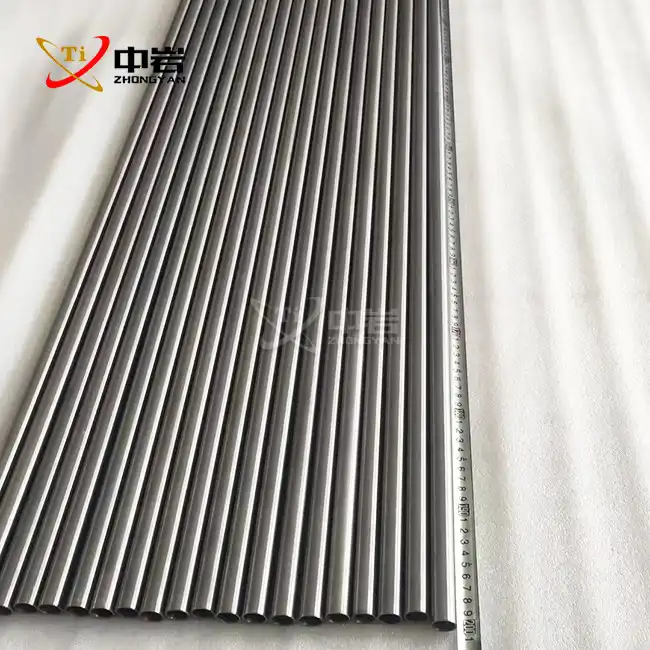
By providing superior material purity, uniform mechanical properties, and complete tracking from raw materials to finished products, high-quality titanium rod medical OEM solutions directly address implant failure. When medical device makers work with specialised OEM suppliers that offer Grade 23 ELI titanium rods that are made according to ASTM F136 and ISO 5832-3 standards, they can get materials that have controlled oxygen levels (≤0.13%), nitrogen content (≤0.05%), and finely tuned microstructures that reduce fatigue cracking and biological rejection. This level of detail in choosing the materials means that implants that don't rust in body fluids, keep their shape under repeated loads, and blend in perfectly with human tissue have lower failure rates in orthopedic, dental, and spinal uses.
Understanding Implant Failures in Medical Devices
Common Causes of Implant Failure
Medical implant problems are caused by several linked issues that affect the safety of both the patient and the device. Fatigue fractures are caused by mechanical loads that build up over time from repeated loading cycles. This is especially true for load-bearing orthopedic uses where implants go through millions of stress cycles over the course of their life. Biological responses like inflammatory reactions and fibrous coating can make the implant-tissue contact less stable, which can cause the device to become loose and eventually fail. Things that have to do with materials are also very important. In physiological settings, corrosion breaks down implant surfaces over time, releasing metal ions that cause bad reactions in the tissue. Microstructural flaws, like inclusions or uneven grain boundaries, can cause cracks to start when the load is applied and removed over and over again. Poor surface finish can help bacteria stick to the surface, which raises the risk of illness and requires removal of the implant.
How Material Selection Impacts Implant Longevity
The basic features of implant materials directly affect how well and how long the gadget works. Stress shielding benefits are lessened by materials that are strong compared to their weight. This happens when implants are too stiff and stop the bone from naturally loading, which causes bone loss and implant loosening. Biocompatibility tells us if the body will accept or reject the alien material, and corrosion resistance makes sure that the qualities of the material stay stable after years of being exposed to human fluids.
Comparing Titanium with Alternative Materials
Comparing titanium to stainless steel and cobalt-chromium metals shows that it is clearly better for medical uses. Stainless steel (316L) is strong enough, but it doesn't fight rust as well in biological settings that are high in chloride. Stainless steel has a much higher elastic stiffness (about 200 GPa) than bone (10–30 GPa), which makes stress shielding problems in orthopedic implants a problem. Cobalt-chromium metals are very resistant to wear, but they are denser and may cause allergic reactions. Titanium alloys, especially Ti-6Al-4V ELI (Grade 23), have a mechanical strength that is about right and an elastic stiffness that is close to bone (about 110 GPa). The solid layer of titanium dioxide that forms on its own protects against rust very well, and the material's biocompatibility keeps the immune system from reacting too much. These features work together to make implants last longer and require less repair surgery.
Why Choose OEM Titanium Rods for Medical Implants?
The Role of OEM Manufacturing in Medical Device Production
When companies work together to make original equipment, they can offer specialised services that general material sellers can't match. Titanium rod medical OEM manufacturers keep separate production lines for medical-grade materials to avoid pollution from industrial processes. From vacuum arc remelting to final inspection, these companies follow strict process controls to make sure that every batch meets the strict standards of medical device use. OEM makers offer options that can be changed to fit different implant designs. Whether they are making small-diameter dental implant abutments or big intramedullary nails for trauma surgery, procurement teams can choose from a range of specs, such as 2 mm diameter rods that can be used in dentistry or larger sizes for orthopedic devices. Custom surface treatments, such as centerless ground, pickled, or polished choices, are made to fit the needs of the machining process and the biological performance standards.
Key Material Properties of Medical-Grade Titanium
Professionals in purchasing can make better choices about where to get medical titanium if they know its technical specs. High-quality medical titanium rods have the following qualities of the material:
Biocompatibility: Titanium's inactive oxide layer stops the release of ions and reduces inflammatory responses, so it can be used in human flesh for a long time without any problems. Because of this trait, titanium can be used for lasting implants in a wide range of body parts.
Corrosion Resistance: If the titanium dioxide surface film gets broken, it grows back right away, protecting it from breaking down in harsh biological settings with chlorides, proteins, and changing pH levels. This resistance keeps the structure of the implant strong for decades of use.
Compliance with Medical-Grade Certifications
In the making of medical devices, following the rules is an absolute must. Premium titanium rod medical OEM providers keep full approval records that show they follow international standards. The ASTM F136 standard lists the exact chemical makeup limits and mechanical property goals for worked Ti-6Al-4V ELI alloy. ISO 5832-3 gives standards that are the same and are accepted in all European areas.
Production Processes and Quality Assurance
Advanced manufacturing methods set luxury OEM providers apart from vendors of common materials. Vacuum arc remelting (VAR) gets rid of high-density spots and makes sure that the ingot is chemically uniform all over. Controlled hot working methods smooth out the structure of the grains, making fine, even microstructures that improve wear resistance. Heating things to an annealing temperature stabilises their mechanical qualities and releases any remaining pressures.
Comparing OEM Titanium Rods with Standard and Alternative Rods
Titanium versus Stainless Steel in Medical Applications
The changes in performance between titanium and stainless steel have a direct effect on how long implants last and how well patients do. Even though 316L stainless steel is cheaper, it is not good enough for long-term implant uses because it corrodes too easily. Chloride ions in body fluids cause pitting rust on stainless steel surfaces. This weakens the material over time and releases ferrous ions that may cause inflammation. Another important difference is shown by fatigue performance under repetitive stress. Stainless steel has lower fatigue strength than titanium metals. This is especially true in corrosive settings where surface degradation speeds up the start of cracks. Titanium's modulus is more like bone qualities, while stainless steel's higher modulus causes stress shielding effects that can weaken bone mass around orthopedic implants.
OEM Titanium Rods versus Standard Supply Options
When procurement teams look at material sources, they need to know the differences between general industry material distributors and medical OEM providers. titanium rod medical OEM companies have special skills that are meant to meet the needs of making medical devices. Traceability: Original Equipment Manufacturer (OEM) medical sources keep full records of every processing step from the titanium sponge to the delivery of the end rod as part of lot tracking. This full traceability helps with government reports and lets people act quickly if quality issues come up. Most standard business providers don't have this kind of detailed documentation chain. Material Consistency: Specialised medical processing makes sure that the properties of each batch are the same, which is important for making a lot of implants. Separated production lines keep medical materials from getting contaminated with other materials. When industrial providers work with different types of materials, they may see more differences in the properties of different lots.
Procurement Considerations: Pricing and Lead Times
Smart choices about what to buy balance the quality of the materials, the prices, and the dependability of the supply line. Medical-grade titanium plates are more expensive than industrial-grade materials because they have to go through stricter quality controls, more tests, and more paperwork. Volume pricing usually works out better for orders with more than 500 kilos of goods. This makes consolidated purchasing strategies appealing for companies that make a lot of different kinds of goods. Lead times depend on the specs of the material and the production plans of the suppliers. Standard Grade 23 rods with common sizes (6–50 mm) usually ship within 4–6 weeks from reputable sources that keep stock on hand. Custom specs, like odd sizes, special surface finishes, or lengths that aren't standard, can make lead times 8–12 weeks long because the material has to go through dedicated processing runs.
How OEM Titanium Rods Contribute to Reducing Implant Failures
Enhanced Material Specifications for Medical Use
Medical-grade titanium rod medical OEM production adheres to stringent material standards that directly address the reasons why implants fail. Keeping the amounts of interstitial elements like oxygen, nitrogen, and hydrogen under control stops the weakening that lowers fatigue resistance. With an oxygen content of no more than 0.13%, Grade 23 ELI material is much more flexible and difficult to break than normal Grade 5, which has an oxygen content of 0.20%.
Surface Characteristics That Reduce Rejection Rates
The state of the titanium implants' surface has a big effect on how the body reacts to them and how well they integrate over time. Premium medical titanium rods have controlled surface properties that lower the risk of rejection and help the bone integrate with the rod. Surface roughness levels—usually Ra values below 0.8 µm for centerless ground material—reduce places where bacteria can stick while still leaving enough structure for machined implant shapes to fit together mechanically.
Empirical Evidence Supporting Long-Term Stability
The mechanisms enabling this superior performance are directly related to the material properties discussed earlier. For a titanium plate in head after brain surgery, titanium's corrosion resistance prevents surface degradation over time—a common failure mode in stainless steel—allowing the implant to remain structurally sound for decades. Its favourable elastic modulus reduces stress shielding effects, promoting proper bone remodelling around the implant. Additionally, excellent biocompatibility minimises inflammatory reactions that could otherwise destabilise the implant-tissue interface.
Corrosion Resistance and Device Lifespan Extension
A main way that metal implants fail is through corrosion, especially when the devices are left in place for decades. The harsh living world, which has chloride ions, proteins, changing pH levels, and reactive oxygen species, makes it hard for materials to stay stable. Titanium's inactive oxide layer protects very well in these conditions, and it heals itself right away if damage from mechanical forces shows the metal below.
Procurement Best Practices for Medical Grade OEM Titanium Rods
Selecting Qualified OEM Suppliers
Procurement workers make choices about which suppliers to work with that have a direct effect on the quality of the products they buy and on making sure they follow the rules. Before setting up a supply connection, a systematic review method should look at a number of important factors. Certifications and Quality Management Systems: Qualified manufacturers keep their ISO 13485 certification, which shows that they use quality management systems that are meant to make medical devices. Even though ISO 9001 approval is useful, it doesn't meet the unique needs of the medical field. Ask for up-to-date certifications and read through the plan statements to make sure that production of titanium rods is covered.
Benefits of Bulk Purchasing and Customisation
Strategic methods of sourcing take advantage of the benefits of buying in bulk while still being able to adapt to unique needs. A good way to get better prices is to combine your buying across different product lines. Annual volume pledges usually unlock tiered prices, with big savings for annual purchases of more than 1,000 kilograms. Customisation choices improve the performance and ease of implant manufacturing. By specifying exact rod sizes that match your stock removal needs, you can cut down on waste and cutting time. Custom widths reduce the amount of waste that is left over after cutting. The surface finish options—centerless ground, pickled, or polished—can be changed to fit the needs of your CNC tools and device design.
Ensuring FDA and International Standards Compliance
Regulatory compliance is an important thing to think about when buying things that can have long-lasting effects on how easy it is to get products to market. Manufacturers of medical equipment must show that the materials used in their products meet all regulatory standards. This means that titanium rod medical OEM material sellers have to provide a lot of information to back up regulatory applications. FDA Requirements: The U.S. Food and Drug Administration needs companies that make medical devices to set material standards and make sure that suppliers meet those specifications by testing and reviewing documentation. Ask sellers of materials to give you mill certificates that show the materials' chemical makeup, mechanical qualities, and compliance with well-known standards like ASTM F136. Keep records that show you are constantly checking with suppliers and testing materials for acceptance.
Conclusion
The choice of material has a big impact on how well medical implants work, how long they last, and how safe they are for patients. Through controlled chemical makeup, improved microstructure, and thorough quality assurance procedures, premium titanium rod medical OEM solutions address the main reasons why implants fail. The better biocompatibility, rust resistance, and mechanical qualities of medical-grade titanium directly lead to longer device life and fewer surgeries that need to be redone. When procurement pros work with qualified OEM providers, they can get materials that meet strict ASTM F136 and ISO 5832-3 standards and come with all the paperwork needed to comply with regulations. Medical device companies can be successful in competitive markets that demand both high performance and low costs by making smart choices about where to get materials that balance quality, price, and supplier capabilities. There is a lot of proof that investing in high-quality titanium materials lowers long-term costs by making devices more reliable and improving patient results.
FAQ
What advantages does titanium offer over stainless steel for medical implants?
Titanium is very resistant to corrosion in biological settings, and its structure stays strong even after years of being exposed to body fluids. The material's elastic stiffness is more like bone's, so it doesn't shield stress as much, which can be bad for bone health. When biocompatibility is high, inflammation reactions and ion release are low. Titanium's non-ferromagnetic qualities make it possible to use MRI images without any problems, but some types of stainless steel cause artifact interference. These benefits work together to make implants last longer and have lower rates of complications compared to stainless steel options.
How can procurement teams verify material quality and certifications?
Ask for full mill certificates that show the chemical makeup, mechanical qualities, and compliance with ASTM F136 or ISO 5832-3 norms. Check that the seller has an ISO 13485 certificate that says their quality control systems meet the needs of medical devices. Do supplier audits that look at quality methods, testing tools, and manufacturing sites. Set up procedures for inspecting arriving materials that include checking their identification, accuracy in measurements, and surface quality. Keep records that connect materials to specific lots of implants so that they can be traced back if there are quality issues.
What are typical lead times for bulk medical-grade titanium rod orders?
Standard Grade 23 titanium rods with standard diameters (6–50 mm) usually ship within 4–6 weeks from qualified sources who keep stock on hand. Custom specs, such as odd sizes, finishes on the surface, or lengths that aren't standard, may take 8 to 12 weeks because the material has to go through special processes. Lead times can be cut down by having wholesalers hold stock that is especially set aside for your production needs. This is called consignment inventory. Annual number forecasts help sellers plan how to use their capacity, which makes deliveries more reliable for buyers who buy a lot.
Partner with Zhongyan for Certified Medical Titanium Solutions
Baoji Zhongyan Titanium Industry Co., Ltd. offers high-quality titanium rod medical OEM solutions that are designed especially for complicated medical device uses. Our Grade 23 ELI titanium rods are certified by ASTM F136 and ISO 5832-3. They have limited interstitial content (oxygen ≤0.13%, nitrogen ≤0.05%), which makes them very biocompatible and reliable mechanically. We are in China's Titanium Valley and use advanced vacuum melting technology, precise centerless cutting, and strict quality control procedures to give you materials that help your implant work as planned.
Our production skills go beyond just supplying basic materials. Custom sizes ranging from 2 mm in diameter to big orthopedic sizes can be made to fit a wide range of implant types. You can choose from different surface finishes, such as pickled, polished, or centerless ground, depending on what you need to machine. OEM laser marking makes it possible to keep track of things permanently, which helps with legal compliance. Full mill papers show the chemical make-up, mechanical features, and ultrasonic test results. This makes it easier to get FDA approvals and approvals from other countries' regulatory bodies.
Through our flexible minimum order amounts, reasonable bulk pricing, and quick technical support, procurement teams looking for a reliable source gain strategic benefits. Zhongyan offers the raw materials needed for clinical success, whether they are making new dental implants, orthopedic trauma devices, or spine fixation systems. Contact our team at sales@titaniumstudy.com to talk about your unique needs and find out how our approved medical titanium solutions can help you make more products and have fewer implants fail.
References
1. Long, M., & Rack, H. J. (1998). Titanium alloys in total joint replacement—a materials science perspective. Biomaterials, 19(18), 1621-1639.
2. Niinomi, M. (2008). Mechanical biocompatibilities of titanium alloys for biomedical applications. Journal of the Mechanical Behaviour of Biomedical Materials, 1(1), 30-42.
3. Geetha, M., Singh, A. K., Asokamani, R., & Gogia, A. K. (2009). Ti-based biomaterials, the ultimate choice for orthopaedic implants—A review. Progress in Materials Science, 54(3), 397-425.
4. Steinemann, S. G. (1998). Titanium—the material of choice? Periodontology 2000, 17(1), 7-21.
5. Chen, Q., & Thouas, G. A. (2015). Metallic implant biomaterials. Materials Science and Engineering: R: Reports, 87, 1-57.
6. Rack, H. J., & Qazi, J. I. (2006). Titanium alloys for biomedical applications. Materials Science and Engineering: C, 26(8), 1269-1277.
(1)_1755588631994.jpg)
Learn about our latest products and discounts through SMS or email