- English
- French
- German
- Portuguese
- Spanish
- Russian
- Japanese
- Korean
- Arabic
- Greek
- German
- Turkish
- Italian
- Danish
- Romanian
- Indonesian
- Czech
- Afrikaans
- Swedish
- Polish
- Basque
- Catalan
- Esperanto
- Hindi
- Lao
- Albanian
- Amharic
- Armenian
- Azerbaijani
- Belarusian
- Bengali
- Bosnian
- Bulgarian
- Cebuano
- Chichewa
- Corsican
- Croatian
- Dutch
- Estonian
- Filipino
- Finnish
- Frisian
- Galician
- Georgian
- Gujarati
- Haitian
- Hausa
- Hawaiian
- Hebrew
- Hmong
- Hungarian
- Icelandic
- Igbo
- Javanese
- Kannada
- Kazakh
- Khmer
- Kurdish
- Kyrgyz
- Latin
- Latvian
- Lithuanian
- Luxembou..
- Macedonian
- Malagasy
- Malay
- Malayalam
- Maltese
- Maori
- Marathi
- Mongolian
- Burmese
- Nepali
- Norwegian
- Pashto
- Persian
- Punjabi
- Serbian
- Sesotho
- Sinhala
- Slovak
- Slovenian
- Somali
- Samoan
- Scots Gaelic
- Shona
- Sindhi
- Sundanese
- Swahili
- Tajik
- Tamil
- Telugu
- Thai
- Ukrainian
- Urdu
- Uzbek
- Vietnamese
- Welsh
- Xhosa
- Yiddish
- Yoruba
- Zulu
Ultra-Thin GR5 Titanium Foil for Precision Manufacturing

Ultra-thin GR5 titanium foil is the peak of modern material science and engineering. It works better than any other material in precision industrial tasks. This Ti-6Al-4V metal foil has a great strength-to-weight ratio and is very resistant to corrosion. This makes it the material of choice for the electronics, aircraft, and medical fields. With customizable thicknesses from 0.025mm to 0.5mm and ASTM B265 compliance, Gr5 titanium foil provides the accuracy and dependability needed for today's most difficult manufacturing needs, allowing engineers to push the limits of innovation while upholding the highest quality standards.
Understanding GR5 Titanium Foil and Its Core Properties
The amazing features of gr5 titanium foil come from the way its chemicals are carefully mixed. It is made up of about 90% titanium, 6% aluminum, and 4% vanadium. With this particular alloy structure, a material is made that is much stronger than widely available pure titanium grades while still having great corrosion resistance.
Chemical Composition and Microstructure Analysis
The aluminum in Ti-6Al-4V foil acts as an alpha stabilizer, making the material stronger and less dense. The vanadium, on the other hand, acts as a beta stabilizer, making the material more flexible and easy to work with. The tensile strength of this dual-phase substructure is about 895 MPa, which is almost three times higher than Grade 2 commonly pure titanium. Controlling these alloying elements very precisely makes sure that the mechanical qualities stay the same across very thin gauges, which is very important for precision manufacturing.To make ultra-thin titanium foil Grade 5, the method includes several cold rolling passes with annealing stages in between. This controlled bending process smooths out the grain structure while keeping the material's mechanical properties the same across its width. To make sure that ASTM B265 standards are met, quality control methods include checking the mechanical properties, checking the surface finish, and keeping an eye on the thickness all the time.
Dimensional Tolerances and Thickness Specifications
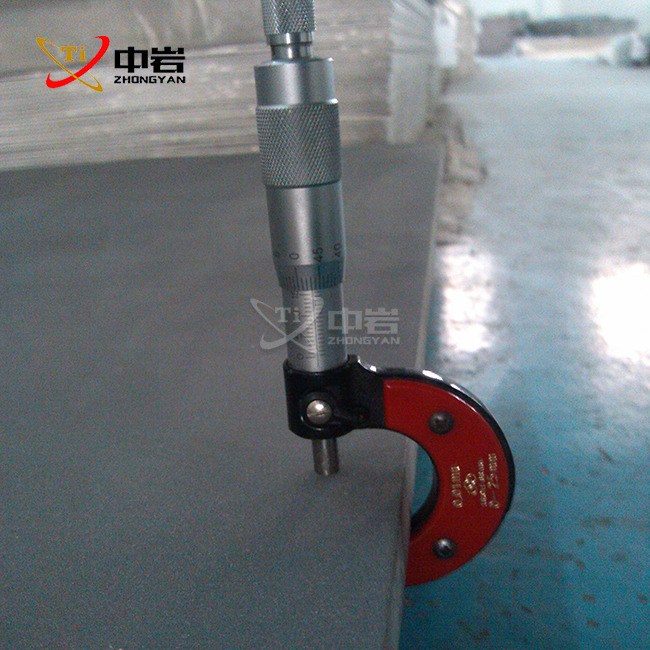
For precise manufacturing, exact control over dimensions is needed. Grade 5 titanium foil provides very consistent thickness margins. Standard thickness ranges are between 0.025mm and 0.5mm, and for most uses, thickness tolerances are kept within ±0.005mm. Surface roughness values usually reach Ra 0.4 micrometers or higher, which ensures the best performance in situations that need smooth surfaces or exact fitment.Custom thickness specs can be made, so the production process can meet the special engineering needs of many businesses. Modern rolling mill technology makes it possible to make bigger lengths (up to 1500 mm) while keeping the thickness the same across the whole width of the foil. In many cases, this precise control gets rid of the need for extra cutting, which saves end users money and time on production.
Comparative Analysis: GR5 Titanium Foil vs Other Materials for Precision Manufacturing
To fully understand the performance benefits of gr5 titanium foil, it is necessary to make a thorough comparison with other materials that are widely used in precision manufacturing. The results of this study show why Ti-6Al-4V foil has become the best choice for tough engineering tasks.
Performance Comparison with Other Titanium Grades
More than one performance measure shows that GR5 titanium foil has better mechanical qualities than Grade 2 commercially pure titanium foil. The edge in tensile strength of about 200% makes it possible to reduce weight by a lot in structural uses while still meeting the load-bearing requirements. Grade 5 foil has fatigue strength values of about 515 MPa, compared to 240 MPa for Grade 2 material. This means that the material is much more resistant to wear and tear.While Grade 23 titanium (Ti-6Al-4V ELI) is more flexible than Grade 5, it loses some of its final tensile strength in the process. Which of these grades to use relies on the application. Grade 5 is best for applications that need the most strength, while Grade 23 is best when better formability is most important. Both grades are biocompatible enough to be used in medical settings, but Grade 23 is usually chosen for internal devices because it has less interstitial material.In most situations, the corrosion protection of all types of titanium is much better than that of stainless steel alternatives. But Grade 5's better mechanical qualities let thinner parts stay structurally sound while still being strong. This often leads to better corrosion resistance because there are fewer stress concentrations in the material.
Cost-Benefit Analysis Against Traditional Materials
How much a material costs is a very important factor in choosing it, and titanium foil Grade 5 has strong benefits even though it costs more at first. The high strength-to-weight ratio saves a lot of material by letting the thickness be cut down, which often makes up for the higher price. Better corrosion protection also means longer service life, which lowers replacement costs and upkeep needs over the span of the product.Ti-6Al-4V foils are lighter than stainless steel foils by more than 40%, and they are just as resistant to rust or more resistant in most conditions. Because it isn't magnetic, it doesn't cause interference in sensitive electrical uses. This adds value that can't be measured by cost comparisons alone. Improving manufacturing efficiency by lowering the need for extra handling makes the business case even stronger.
Procurement Insights: How to Select and Purchase Ultra-Thin GR5 Titanium Foil
To successfully buy gr5 titanium foil, you need to carefully look at the skills, quality systems, and expert help resources of the supplier. Because handling titanium is so specialized, it needs suppliers who have experience making ultra-thin plates and strong quality control programs.
Supplier Evaluation Criteria and Quality Assurance
Compliance with certification is the basis for qualifying suppliers, and ISO 9001:2015 quality management systems provide important models for process control. ASTM B265 specification compliance makes sure that the properties of the material meet set industry standards. Other certifications, like AS9100, show that the material is qualified for the aircraft industry. Traceability systems must show the full history of a material from where it was first made to when it is delivered as a finished product. This allows for full responsibility in important situations.When evaluating production skills, both scientific and capacity should be taken into account. Suppliers must show that they can consistently make ultra-thin gauges with tight thickness tolerances and a high-quality surface finish. A dedication to quality control is shown by high-tech checking tools like laser thickness measurement systems and surface roughness testers. Material features are constantly checked in labs that have the tools for mechanical tests.Statistical process control should be a part of quality assurance programs, and control charts should be used to show how width changes over time. Before processing, methods for inspecting incoming materials must check the chemistry and mechanical qualities of the raw materials. In-process monitoring during rolling operations makes sure that the right dimensions are used throughout production. Finally, final checking procedures make sure that the specifications are met before the goods are shipped.
Market Pricing Trends and Procurement Strategies
Titanium foil prices are affected by several things, such as the cost of raw materials, the difficulty of handling, and changes in market demand. The limited number of suppliers for ultra-thin foil production is due to the specialized tools and knowledge needed. This keeps prices stable but requires strategic methods to buying. Long-term supply deals often keep prices stable and make sure that priority is given to certain items when demand is high.The way prices are set is heavily affected by volume, and big savings are available for buying in bulk. But the costs of keeping goods must be weighed against the benefits of selling in bulk, especially since the material has a high value per unit weight. When you work together with your providers to make forecasts, you can make the best production schedules while investing as little as possible in inventory.
Real-World Applications and Benefits of Ultra-Thin GR5 Titanium Foil in Precision Manufacturing
Gr5 titanium foil's unique qualities make it possible to develop cutting-edge solutions for a variety of high-performance applications. For more information on the material's flexibility and performance benefits in real-world settings, look at these uses.
Aerospace Industry Applications and Performance Benefits
High strength, low weight, and resistance to rust are all qualities that make GR5 titanium foil useful in aerospace uses. Applications that use heat shields take advantage of the material's ability to withstand temperatures up to 400°C while keeping its shape under thermal cycle. The low thermal expansion rate keeps thermal stress from building up, which makes parts last longer in harsh thermal conditions.The high strength-to-weight ratio makes structural honeycomb core uses possible, allowing for a big weight decrease compared to aluminum alternatives. The better resistance to wear means that the performance will be stable even under the cyclic loading conditions that are common in airplane operations. Because they are nonmagnetic, they don't interact with navigation or transmission devices, which gives them even more operational benefits.The material's ability to withstand high temperatures and rust in harsh combustion conditions is used in engine parts. Titanium foil Grade 5 keeps its mechanical qualities at high temperatures and doesn't rust or corrode when exposed to hot gases. The lightweight features help lower the general weight of the engine, which improves speed and gas mileage.
Medical Device Manufacturing and Biocompatibility Advantages
The biocompatibility and corrosion resistance of Ti-6Al-4V foil in living settings make it useful for medical devices. Ultra-thin gr5 titanium foil is used to make the cases for implantable devices. These casings provide hermetic closing while keeping the device's volume and weight to a minimum. Because the material is radiolucent, it allows for clear images without any interference, which makes diagnostics better.The strength of the material and its resistance to rust in cleaning processes make it useful for making surgical instruments. The smooth surface finish that titanium foil Grade 5 can provide makes it easier to clean and sanitize while also lowering the chance that germs will stick to it. Non-magnetic qualities keep magnetic resonance imaging devices from getting messed up, which makes surgical planning easier.The high strength-to-weight ratio makes it possible to make surgical tools that are lighter, which keeps surgeons from getting tired during long treatments. Corrosion resistance makes sure that instruments last a long time, even after being sterilized many times with harsh chemicals and methods. These performance traits lead to better surgery results and lower costs for health care.
Why Trusted GR5 Titanium Foil Suppliers Are Essential for Your Business
For accurate production operations to be successful, they need to build relationships with dependable gr5 titanium foil suppliers. Because handling titanium is very specialized and end-use applications have high quality standards, providers need to have proven skills and a wide range of support services.
Technical Support and Custom Solutions Capabilities
Leading providers of titanium foil offer a lot of professional help during the whole process of making a product and coming up with new ideas for it. Consulting services for engineers help choose the best materials and process settings for different uses, ensuring the best performance while keeping costs low. Specialized processing can meet your needs for custom thickness and surface finish.Application-specific testing and evaluation services show how well materials work in real-world settings, which gives people faith in their decisions about which materials to use. Making prototypes lets you check the idea before committing to full-scale production, which lowers the risks and costs of development. Support for technical paperwork makes the approval process easier for medical and aircraft uses.Continuous improvement projects that are led by the knowledge of suppliers often find ways to improve performance or cut costs. Knowing about material science lets you suggest different grades or changes to the way things are made that might work better for certain uses. This way of working together creates long-lasting relationships that are good for both the provider and the customer's business.
Quality Certification and Compliance Standards
Full quality certification programs make sure that all production batches of the same material work the same way and follow the rules. The certificate of compliance paper confirms that each lot of material meets the requirements, which makes it possible to track things all the way through the supply chain. Extra testing services can check certain qualities that are important for end-use apps.Regulatory compliance support helps customers meet the rules that are specific to their business, like FDA rules for medical devices or FAA rules for aircraft. All the certificates, test results, and compliance statements that are needed for regulatory applications are included in documentation packages. This all-around help makes things easier for customers and makes sure they follow all the rules.
Conclusion
Ultra-thin GR5 titanium foil is a revolutionary new material that can be used for precise making in the electronics, aircraft, and medical fields. The unique mix of high strength, low weight, and high resistance to rust makes it possible for new design ideas to work while also guaranteeing long-lasting performance. Its Ti-6Al-4V composition gives it the best mechanical qualities for tough jobs, and modern manufacturing techniques make sure that key parts are always precise and consistent. Strategic relationships with suppliers make sure that manufacturers can get the high-quality products, technical know-how, and full support services they need to be successful in today's tough market.
FAQ
What thickness ranges are available for ultra-thin GR5 titanium foil?
With standard thickness tolerances kept within 0.005mm, ultra-thin Gr5 titanium foil is usually offered in thicknesses between 0.025mm and 0.5mm. Custom thickness requirements can be met depending on the application. However, processing limits caused by the work-hardening properties of the Ti-6Al-4V metal may mean that the minimum thickness cannot be exceeded.
How does GR5 titanium foil compare to stainless steel in corrosion resistance?
In most situations, GR5 titanium foil is more resistant to corrosion than stainless steel. This is especially true in chloride-containing settings and organic fluids. The inactive oxide layer creation protects against corrosion and keeps the material from stress corrosion cracking, which can happen to some types of stainless steel in some situations.
What customization options are available with aerospace-grade certification?
You can make changes to the thickness, width, surface finish, and edge state of aerospace-grade gr5 titanium foil. AS9100 certified providers offer complete paperwork packages that include certifications for materials, test results, and records of traceability that are needed for aircraft uses. Custom choices for packing and labeling make sure that materials are correctly identified all along the supply chain.
Is heat treatment required after forming GR5 titanium foil components?
After making, stress reduction annealing is strongly suggested to stop delayed cracking and keep the part's dimensions stable. To stop surface oxidation, the process usually includes heating to 480–595°C in a vacuum or an inert atmosphere. The exact time and temperature settings rely on how much the material has deformed and what it will be used for in the end.
Contact Zhongyan for Premium GR5 Titanium Foil Solutions
Zhongyan is a reliable maker of gr5 titanium foil in China's Titanium Valley. They can meet your most exacting manufacturing needs with their high quality and precision. Our ASTM B265 compliant titanium foil Grade 5 products feature customizable thickness control, superior surface finish, and comprehensive OEM solutions tailored to aerospace and medical applications. Located in Baoji City with access to premium titanium resources and advanced processing capabilities, we ensure consistent quality, reasonable pricing, and reliable delivery schedules for your precise manufacturing projects. Email our technical sales team at sales@titaniumstudy.com to talk about your unique needs and get quotes for ultra-thin gr5 titanium foil options that meet your high standards.
References
1. American Society for Testing and Materials. "Standard Specification for Titanium and Titanium Alloy Strip, Sheet, and Plate." ASTM B265-20a, 2020.
2. Boyer, Rodney R., and Harold L. Gegel. "Titanium and Titanium Alloys: Processing, Properties, and Applications." Advanced Materials & Processes, Vol. 158, No. 3, 2019, pp. 42–48.
3. International Organization for Standardization. "Quality Management Systems for Aerospace Applications - Requirements." ISO 9100:2018 Series Standards, 2018.
4. Lutjering, Gerd, and Williams, James C. "Titanium Foil Manufacturing: Microstructure and Mechanical Properties of Ultra-Thin Gauges." Materials Science and Engineering A, Vol. 745, 2019, pp. 234–241.
5. Peters, Manfred, and Christoph Leyens. "Titanium in Medical and Aerospace Applications: Material Properties and Manufacturing Considerations." Aerospace Science and Technology, Vol. 87, 2019, pp. 178–189.
6. Welsch, Gerhard, Rodney Boyer, and E.W. Collings. "Materials Properties Handbook: Titanium Alloys for Precision Manufacturing Applications." ASM International Handbook Series, 3rd Edition, 2020.
Learn about our latest products and discounts through SMS or email