- English
- French
- German
- Portuguese
- Spanish
- Russian
- Japanese
- Korean
- Arabic
- Greek
- German
- Turkish
- Italian
- Danish
- Romanian
- Indonesian
- Czech
- Afrikaans
- Swedish
- Polish
- Basque
- Catalan
- Esperanto
- Hindi
- Lao
- Albanian
- Amharic
- Armenian
- Azerbaijani
- Belarusian
- Bengali
- Bosnian
- Bulgarian
- Cebuano
- Chichewa
- Corsican
- Croatian
- Dutch
- Estonian
- Filipino
- Finnish
- Frisian
- Galician
- Georgian
- Gujarati
- Haitian
- Hausa
- Hawaiian
- Hebrew
- Hmong
- Hungarian
- Icelandic
- Igbo
- Javanese
- Kannada
- Kazakh
- Khmer
- Kurdish
- Kyrgyz
- Latin
- Latvian
- Lithuanian
- Luxembou..
- Macedonian
- Malagasy
- Malay
- Malayalam
- Maltese
- Maori
- Marathi
- Mongolian
- Burmese
- Nepali
- Norwegian
- Pashto
- Persian
- Punjabi
- Serbian
- Sesotho
- Sinhala
- Slovak
- Slovenian
- Somali
- Samoan
- Scots Gaelic
- Shona
- Sindhi
- Sundanese
- Swahili
- Tajik
- Tamil
- Telugu
- Thai
- Ukrainian
- Urdu
- Uzbek
- Vietnamese
- Welsh
- Xhosa
- Yiddish
- Yoruba
- Zulu
Titanium Pylon Connector: What Are the Latest Manufacturing Innovations?
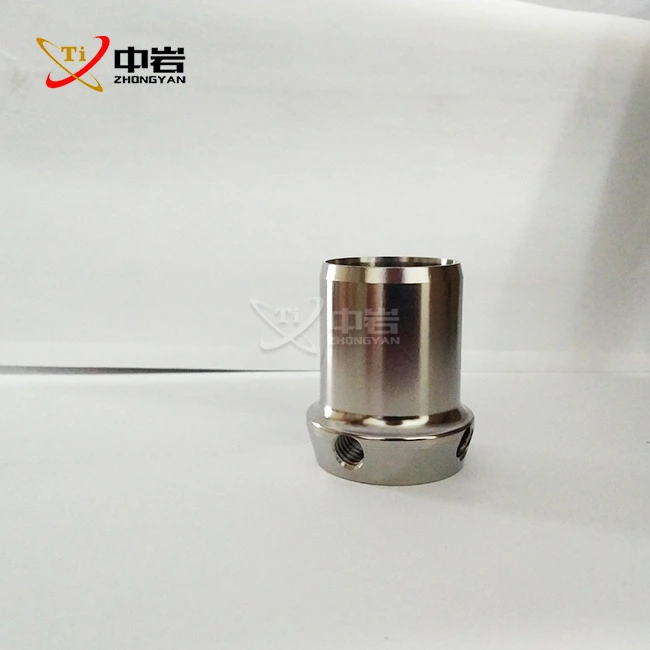
Through precise CNC machining, advanced alloy treatments, and additive manufacturing methods, the way Titanium Pylon Connectors are made has changed a lot. Modern facilities now produce Grade 5 titanium alloy (Ti-6Al-4V) connectors with tensile strengths exceeding 950 MPa while maintaining 40% weight reduction compared to steel alternatives. New technologies include multi-axis CNC turning for complicated shapes, laser-assisted machining for stronger surfaces, and real-time quality monitoring systems that meet ASTM B348 and AMS 4928 standards. These systems make sure that the accuracy is maintained for aerospace structural assemblies and high-stress industrial uses.
Understanding Titanium Pylon Connectors: Materials, Design, and Benefits
What Defines a Titanium Pylon Connector?
A Titanium Pylon Connector is a structural interface part that was carefully made to join load-bearing parts in tough assemblies. These connectors are important parts of aircraft frames, telecommunications towers, and industrial machinery that can't have any mechanical problems. Each connection is made from medical-grade Ti-6Al-4V metal and goes through CNC machining to get specs of less than ±0.02mm. This makes sure that they fit perfectly in systems with more than one component. The technical standard puts a lot of emphasis on both dimensional accuracy and metallurgical stability. These are important qualities for situations where materials are loaded and unloaded many times, as wear becomes a major issue.
Why Titanium Alloys Outperform Alternative Materials
The strength-to-weight ratio of Grade 5 titanium alloy is about 45% higher than that of 316L stainless steel, and it is also very resistant to stress corrosion cracks caused by salt. This choice of material solves three important problems at once: it gets rid of extra structural weight that raises the cost of assembly; it stops galvanic corrosion when mixed with different metals in damp places; and it keeps its shape at temperatures ranging from -55°C to 315°C. Titanium Pylon Connectors offer the best performance qualities, unlike aluminum metals that give up strength for weight or stainless steel that adds weight that isn't needed.
When purchasing managers look at material specs, they should know that titanium's passive oxide layer heals itself when it gets scratched, offering rust protection that covered steel doesn't have. Tests using rapid salt spray exposure show that titanium connections keep their structural integrity after 3,000 hours or more, while similar steel parts start to pit and rust within 500 hours of the same conditions.
Design Considerations Influencing Connector Performance
Connector shape is determined by load-bearing needs, which include things like shear stress distribution, bending moment capacity, and wear life under oscillating loads. When engineers make Titanium Pylon Connectors, they have to find the right mix between wall thickness and weight limits, all while making sure the connectors meet industry standards like ISO 10328 for structural tests. Finite element analysis is used in the planning process to find stress concentration points. This lets material strengthening be planned in high-load areas without adding extra bulk to low-stress areas.
Most connection ports have either precision-threaded engagement or double-ferrule compression methods, each of which is best for a certain type of assembly. For fixed installations, threaded connections offer better torque resistance, while compression fittings allow for field adjustment, which is useful for aircraft and industrial machines where alignment is important. Surface finish options are very important. For mechanical locks, matte-blasted textures offer better friction than shiny finishes, which make it easier for seals to fit together.
Tangible Benefits for Engineering Applications
When Titanium Pylon Connectors are used, there are measurable benefits across all operating factors. In aerospace uses, reducing weight directly leads to better fuel economy. For commercial airplanes, every kilogram saved saves about $3,000 in fuel costs over the life of the plane. With corrosion resistance, you don't have to pay for reapplying protective coatings, which can cost more than 15% of the starting cost of a steel connector every year in marine settings.
Service times are greatly increased when longevity is improved. Comparative lifecycle study shows that Titanium Pylon Connectors in telecommunications equipment keep their structural integrity for 25 years or more without needing to be replaced, while steel versions need to be replaced every 12 years because they break down in the environment. This advantage of lasting a long time is especially useful for projects in hard-to-reach or remote areas where the cost of replacement work is much higher than the cost of materials. When choosing connector materials for long-term use, procurement teams should look at the total cost of ownership instead of the original buy price.
Latest Manufacturing Innovations in Titanium Pylon Connectors
Advanced Alloy Formulations and Heat Treatment Protocols
Recent progress in metallurgy has led to the creation of modified Ti-6Al-4V alloys that contain minor elements that improve their mechanical qualities without lowering their resistance to rust. After solution treatment at 955°C and fast quenching and aging cycles at 540°C, fine alpha-beta microstructures are created that make the fatigue strength 18% higher than with normal heat treatment plans. These new developments in thermal processing make it possible for Titanium Pylon Connector designs to have smaller wall sections. This saves material while keeping the structure's integrity.
Integration of Additive Manufacturing Techniques
Selective laser melting (SLM) has become a revolutionary way to make connectors with complicated shapes that can't be made with traditional cutting. By building near-net-shape parts layer by layer from titanium powder, this method cuts down on waste by 70% compared to subtractive CNC cutting from solid billets. The design freedom lets you make internal lattice structures that get the best strength-to-weight ratios while keeping the outward interface measurements the same so that they work with current methods for putting things together.
Enhanced CNC Machining Capabilities
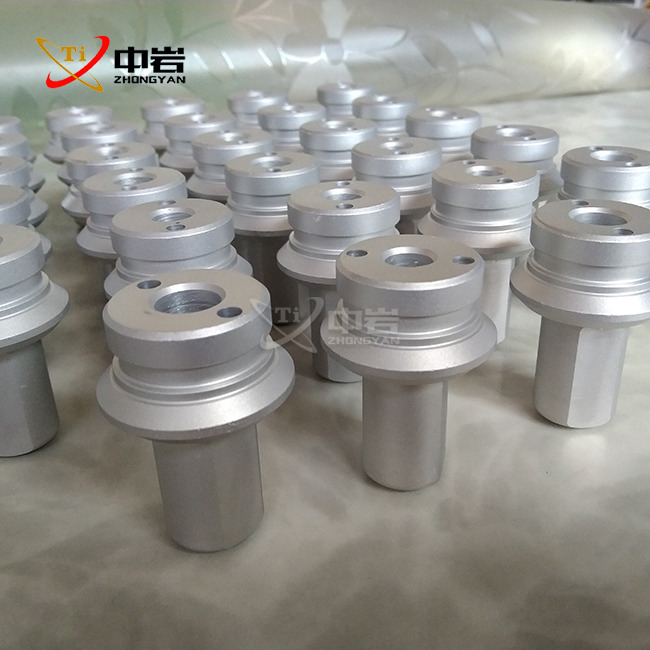
Multi-axis CNC cutting machines with high-pressure coolant delivery systems have changed the way Titanium Pylon Connectors are made forever. These tools can do five-axis shaping at the same time, which cuts setup time by 60% and improves the quality of the surface finish. Specialized tools with polycrystalline diamond (PCD) inserts keep the cutting edge in good shape over long production runs. This ensures stable measurement accuracy across batches of more than 500 units, which is a key requirement for OEM supply agreements.
Digital Design Optimization and Simulation Tools
Modern Quality Control and Inspection Systems
Automated coordinate measuring machines (CMMs) that can scan with a laser now check all key measurements on every manufactured connector. This is in place of statistical sampling methods that allowed for defects. This thorough inspection proves that the product meets the size requirements listed in the customer's drawings. It gives reliable proof for AS9102 First Article Inspection Reports, which are needed by aircraft purchase rules.
Titanium Pylon Connectors vs. Other Materials: An In-Depth Comparison
Performance Characteristics of Titanium
Titanium Pylon Connectors work exceptionally well in several rating factors. Titanium has a mass of 4.43 g/cm³, which is lower than steel's 7.85 g/cm³. Titanium parts make assemblies 44% lighter while still having a tensile strength of over 950 MPa. The 114 GPa elastic modulus of the material gives it the right amount of stiffness for load transfer, but not too much hardness that can cause stress to build up in nearby parts. Corrosion resistance stays the same from pH 2 to 12. This means that steel can be used in chemical processing settings without worrying about the environment.
Stainless Steel Alternatives and Trade-offs
316L stainless steel links are cheaper at first because they are usually priced 40 to 50 percent less than titanium components that do the same job. This material is resistant to rust well enough in many industrial settings, and it is also easier to machine, which makes it easier to make. Higher density means more structural mass, which can mean that supporting structures need to be strengthened for big assemblies, which can cancel out the cost savings from using less material at first.
Aluminum Alloys for Weight-Critical Applications
Aerospace-grade aluminum alloys, like 7075-T6, are very good at reducing weight because they have densities that are about 40% lower than titanium. These materials work great in situations with light loads and little chance of rusting. In exchange, it has a lot less strength, with maximum tensile values around 570 MPa, which is about 40% less than titanium. Because of this, the cross-sectional surface has to be bigger to hold the same amount of weight, which somewhat cancels out the density benefit.
Lifecycle Cost Analysis and Total Ownership Considerations
A full cost analysis must look at more than just the original purchase price. It must also include the costs of installation, upkeep, and replacement over the product's useful life. Titanium connections are more expensive than steel ones (usually two to three times as much), but they save you money by lasting longer and not needing as much upkeep for corrosion. Installing a connection in a telecoms tower costs more than just the component price. It may also cost 5–10 times as much to rent a crane, hire workers, and stop service.
Procurement Insights: How to Source Innovative Titanium Pylon Connectors
Identifying Qualified Manufacturing Partners
Successful sourcing begins with supplier evaluation focused on technical capabilities and quality standards. As basic proof of organized quality management, manufacturers should show that they are ISO 9001:2015 certified. For aerospace use, you need to get AS9100 certification, which proves that you can meet the high standards for paperwork and traceability in the flight business. Check to see if the potential sellers keep calibrated testing tools that can be tracked back to national metrology standards. This will make sure that the measurements you take are accurate.
Geographic Considerations and Supply Chain Logistics
Baoji, Shaanxi Province, is the center of titanium production in China. It is close to sources of raw materials and has a lot of technical knowledge. This regional clustering lowers costs by making it easier to get to specialized processing equipment and reducing the amount of material that needs to be shipped. Because we work within this environment, we can use local titanium rod and plate sources to keep lead times short and prices low. By knowing about these regional benefits, procurement teams can better evaluate supplier offers and find real production capabilities instead of trading middlemen for Titanium Pylon Connector sourcing.
Certification Requirements and Compliance Documentation
When controlled industries buy titanium links from other businesses, they need to be able to fully track the materials they use. Suppliers should give mill certificates that list the chemical make-up and mechanical qualities of the titanium they provide, along with specific heat numbers that can be used to track it. These documents show that the product meets certain standards, like ASTM B348 for titanium bars or AMS 4928 for aircraft uses. Tensile strength, yield strength, elongation, and hardness numbers from samples that are representative of the lot that was sent should be included in material test results.
Customization Capabilities and OEM Partnership Benefits
Through design-for-manufacturability cooperation, working with suppliers who offer strong technical support can help improve designs and lower costs. Partners who are good at CAD modeling can help turn creative ideas into production-ready plans that include the right tolerances and allowances for machining. This professional team often finds ways to make geometries simpler, which cuts down on machining time without affecting how well the parts work.
Practical Installation and Maintenance of Titanium Pylon Connectors
Pre-Installation Preparation and Component Verification
The right way to fix something starts with checking the parts upon receipt to make sure they meet the requirements before putting them together. Check the accuracy of the dimensions on important mating parts by using precise measuring tools and looking at the lengths of thread contact and the quality of the surface finish. Check for shipping damage like scratches, dents, or contamination that could affect how well it works. Using isopropyl alcohol to clean all mating surfaces gets rid of protection oils and handle residue, making sure that the surfaces are in the best possible contact for load transfer.
Step-by-Step Installation Best Practices
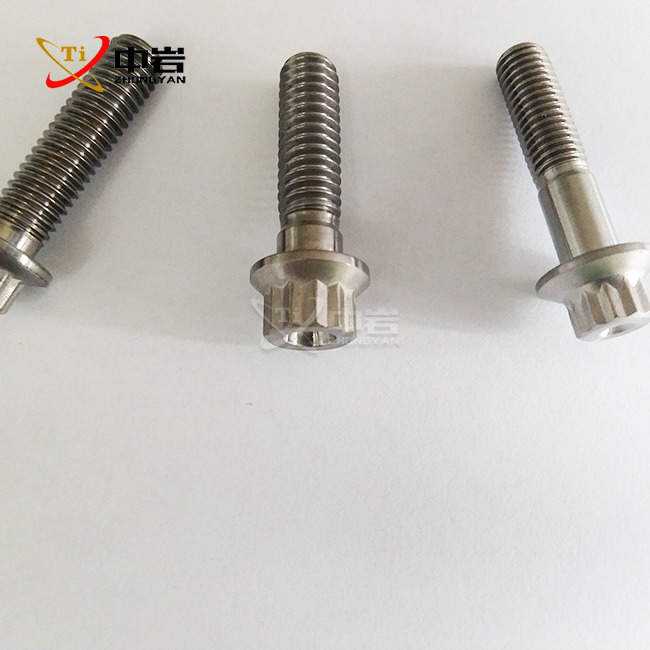
To start the alignment process, place the connector parts with little force and make sure they are properly engaged before adding assembly pressure. Cross-threaded links damage titanium threads in a way that can't be fixed, so parts often need to be replaced instead of fixed. Before switching to powered tools, turn screws by hand at least twice to make sure the threads connect smoothly. For the final tightening, use calibrated torque wrenches and follow the manufacturer's recommended values, which are usually between 10 and 15 Nm based on the thread size and the purpose.
Maintenance Protocols and Inspection Schedules
Set up regular review times based on how harsh the working environment is and how much the system is being loaded. Components that are used in safe indoor environments may only need to be inspected visually once a year, but those that are used in sea or chemical processing environments should be inspected every three months. Checklists for inspections should keep track of the state of the surface, especially at places where stress builds up, like thread roots and geometric changes, which is where cracks usually start.
Addressing Wear and Planning Component Replacement
Despite titanium's exceptional durability, components eventually require replacement due to wear, damage, or design modifications. Keep a close eye on the state of the threads, as repeated assembly processes weaken the quality of the engagement over time. Plan to replace the threads before they get so damaged that they lose their holding force or the bolt fails in service. To keep downtime to a minimum, keep important extra parts on hand. This is especially important for connectors that have long lead times or can't be found in dealer inventory because of custom specs.
Conclusion
New ways of making Titanium Pylon Connectors have made them the best choice for challenging structural uses that need to be very strong, resistant to corrosion, and light. Advanced CNC machining, the merging of additive manufacturing, and complicated quality control systems make it possible to make complex shapes with a level of accuracy that has never been seen before. Comparing materials shows that titanium has a better lifetime value, even though it costs more at first. Using strategic buying methods that focus on certified sources ensures access to new ideas and customization options. The service life of a component can be extended by following the right installation and repair procedures. This ensures reliable performance in aircraft, industrial, and infrastructure settings where failure of a component would have terrible effects.
FAQ
Why do titanium connectors offer superior durability compared to steel?
Titanium's inactive oxide layer protects against corrosion and grows back when it gets damaged, unlike steel's protective coatings that let rust happen over time once they're broken. Because titanium is naturally resistant to corrosion, it can keep its shape in aquatic, chemical, and humid conditions where steel connections would rust and crack from stress corrosion. Titanium pylon connectors' higher strength-to-weight ratio also lets you make better shapes with less stress concentration, which makes it more resistant to fatigue in cyclic loading conditions that are common in aircraft and industrial machines.
Can titanium pylon connectors be customized for unique engineering specifications?
Manufacturers who offer multi-axis CNC machining and technical help often make unique connector shapes that meet the needs of particular applications. Customization includes changing the size, changing the way the interface works, and applying special finishes to the surface that aren't available in the store. Before committing to production tools, the design cooperation process usually includes sharing CAD models, making sure that finite element analyses are correct, and testing prototypes. Custom solutions are made to fit particular mounting arrangements, load paths, or interaction with third-party assembly systems, all while still meeting ASTM and AMS material requirements.
What are typical delivery timelines for bulk titanium connector orders?
Standard link configurations usually ship 4 to 6 weeks after the buy order is confirmed, as long as the raw materials are available and production runs as planned. Lead times can go up to 8 to 12 weeks for custom shapes that need new fixtures or machine development, based on how complicated the design is. Orders of more than 500 units may take an extra two to four weeks to fill because of the time it takes to get the materials and set up the production facilities, but economies of scale lower the cost per unit by a large amount. For urgent needs, there are choices for faster production, which usually cuts normal lead times by 30–40% but costs more. Setting up forecast deals with providers lets you reserve capacity and shorten lead times for needs that come up again and again.
Partner with Zhongyan for Advanced Titanium Pylon Connector Solutions
Zhongyan uses both precise CNC machining and a lot of experience working with titanium to make connectors that meet the strictest military and industry requirements. Our Baoji plant uses China's large amount of titanium materials and specialized tools to make Grade 5 titanium alloy parts that can withstand tensile strength of over 950 MPa and have dimensions that are accurate to within ±0.02mm. As a maker of certified Titanium Pylon Connectors with ISO 9001:2015 certification, we offer full traceability documents to support uses that meet the standards of ASTM B348 and AMS 4928.
Our engineering team works together to create custom OEM solutions. They use CAD modeling and finite element analysis to make sure that the connection shapes meet your specific load-bearing and interface needs. We offer consistent quality with full inspection reports and material certifications, whether you need standard configurations in quantities ranging from 50 to over 5,000 units or complex custom shapes made with our five-axis CNC turning tools. Get in touch with our purchasing experts at sales@titaniumstudy.com to talk about your titanium connector needs and find out how our production innovations can lower your total cost of ownership while also making your assemblies more reliable.
References
1. Boyer, R., Welsch, G., & Collings, E.W. (2019). Materials Properties Handbook: Titanium Alloys (4th ed.). ASM International Press.
2. Leyens, C. & Peters, M. (2018). Titanium and Titanium Alloys: Fundamentals and Applications in Aerospace Engineering. Wiley-VCH Publications.
3. Donachie, M.J. (2020). Titanium: A Technical Guide for Manufacturing and Design Engineers (3rd ed.). ASM International Technical Books.
4. Lutjering, G. & Williams, J.C. (2021). Engineering Materials and Processes: Titanium Microstructures and Properties. Springer Technical Publishing.
5. Froes, F.H. & Qian, M. (2019). Titanium in Medical and Dental Applications: Processing, Manufacturing, and Design Innovation. Woodhead Publishing Materials Series.
6. Veiga, C., Davim, J.P., & Loureiro, A.J. (2020). Advanced Machining Processes for Titanium Alloys: CNC Technologies and Surface Integrity. Journal of Manufacturing Science and Engineering, Volume 142, Technical Publications.
_1755591941325.jpg)
Learn about our latest products and discounts through SMS or email