- English
- French
- German
- Portuguese
- Spanish
- Russian
- Japanese
- Korean
- Arabic
- Greek
- German
- Turkish
- Italian
- Danish
- Romanian
- Indonesian
- Czech
- Afrikaans
- Swedish
- Polish
- Basque
- Catalan
- Esperanto
- Hindi
- Lao
- Albanian
- Amharic
- Armenian
- Azerbaijani
- Belarusian
- Bengali
- Bosnian
- Bulgarian
- Cebuano
- Chichewa
- Corsican
- Croatian
- Dutch
- Estonian
- Filipino
- Finnish
- Frisian
- Galician
- Georgian
- Gujarati
- Haitian
- Hausa
- Hawaiian
- Hebrew
- Hmong
- Hungarian
- Icelandic
- Igbo
- Javanese
- Kannada
- Kazakh
- Khmer
- Kurdish
- Kyrgyz
- Latin
- Latvian
- Lithuanian
- Luxembou..
- Macedonian
- Malagasy
- Malay
- Malayalam
- Maltese
- Maori
- Marathi
- Mongolian
- Burmese
- Nepali
- Norwegian
- Pashto
- Persian
- Punjabi
- Serbian
- Sesotho
- Sinhala
- Slovak
- Slovenian
- Somali
- Samoan
- Scots Gaelic
- Shona
- Sindhi
- Sundanese
- Swahili
- Tajik
- Tamil
- Telugu
- Thai
- Ukrainian
- Urdu
- Uzbek
- Vietnamese
- Welsh
- Xhosa
- Yiddish
- Yoruba
- Zulu
Titanium Plate in Skull: Advantages for Long-Term Protection
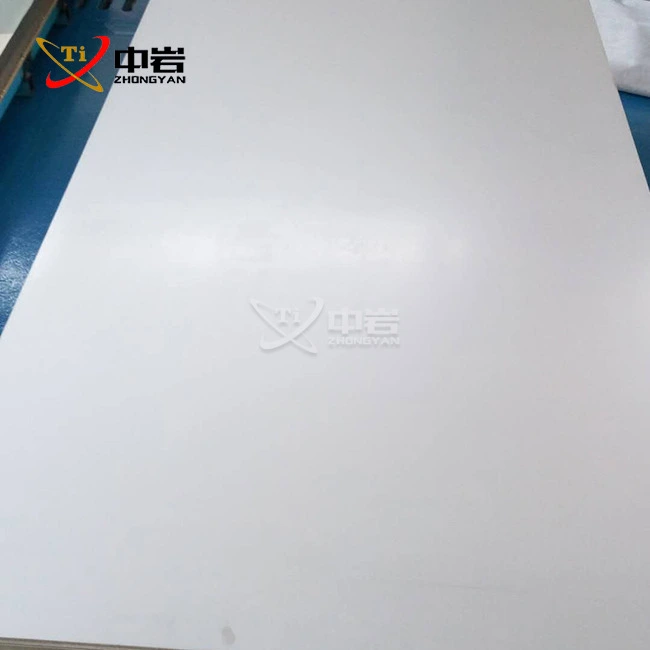
When neurosurgeons have to rebuild a complicated skull, the titanium plate in skull treatments offers long-term benefits that can't be found anywhere else. Biocompatible titanium alloys are used to make these medical-grade implants, which provide lasting structural stability after traumatic brain injuries, tumor resections, or decompressive craniectomies. Titanium skull plates are the gold standard for neurosurgical repair because they are very strong for their weight and don't rust. They will protect patients for decades while keeping them safe and comfortable.
Understanding Titanium Plates for Skull Repair
Medical-Grade Implant Design and Applications
Titanium cranial implants are high-tech medical devices that were made to help with brain repair. These plates are permanent replacements for broken or missing pieces of skull bone. They restore both the protective function and the way the head looks. The main uses are reconstructing the skull after a serious head injury, decompressing the skull after surgery, and fixing problems with the skull that were there from birth.These devices are used by doctors because they solve important problems in neurosurgery. Syndrome of the trephined is a disease in which brain tissue is affected by air pressure through skull flaws. The titanium plate in skull installations stops this from happening. In addition, these plates restore normal cerebral pressure dynamics and protect the brain from future hits mechanically.
ASTM F136 Compliance and Material Properties
For making cranial titanium plates, strict adherence to ASTM F136 guidelines is required, which guarantees the Extra Low Interstitial (ELI) titanium metal makeup. This grade has less oxygen, nitrogen, and carbon, which makes it more biocompatible and improves its mechanical qualities. The Ti-6Al-4V ELI metal has a tensile strength of more than 860 MPa and is very flexible, making it ideal for use in surgery.These properties of the material make it more useful during medical treatments. Surgeons don't need special heating tools because they can shape the plates at room temperature to fit the shape of each patient's skull. The low modulus of flexibility, around 110 GPa, is similar to the qualities of cortical bone, which lowers the stress that builds up at the point where the implant meets the bone.
Biocompatibility and Safety Profile
Because a solid oxide layer (TiO2) forms on the surface of titanium cranial implants on its own, they are safe. Titanium is one of the most safe metals for medical uses because this passive film stops ions from escaping and tissue reactions from happening. Clinical tests show that there is little to no inflammation and good tissue tolerance over long periods of time.Safety concerns go beyond biocompatibility and include image compatibility as well. Titanium plates are not easily magnetized, so they can be used safely in MRI scans without worrying about picture warping or overheating. This connection makes it possible for full tracking and long-term follow-up care to happen after surgery.
Comparative Analysis – Titanium Plates vs Other Materials
Titanium Advantages Over Traditional Materials
Comparing cranial reconstruction materials reveals significant advantages favoring titanium solutions. Traditional stainless steel plates are strong, but they don't work well with magnets and have a higher risk of infection because of how the surface is made. Polymethyl methacrylate (PMMA) can be shaped, but it's not very strong and may break down over time, especially when heated and cooled many times.Multiple tests show that the titanium plate in skull devices works better than other options. When there are big cranial flaws, weight becomes an issue. Titanium's low density (4.43 g/cm³) makes the patient less uncomfortable compared to steel options. Corrosion resistance makes sure that the material stays stable over time in the tough physiological climate. This is different from some metal options that may break down over decades.
Cost-Benefit Analysis for Procurement Teams
When procurement professionals look at different cranial implant choices, they need to think about more than just the initial buy price. Titanium plates are more expensive than some other options, but the long-term benefits make the price worth it. Getting rid of treatments that need to be redone because of failed materials or problems with biocompatibility cuts healthcare costs by a large amount.The issue of longevity is very important when figuring out how much something costs. Titanium skull plates usually last a lifetime and don't need to be replaced. This is different from absorbable materials, which may need extra steps. This stability means that hospitals and other healthcare facilities that handle a lot of neurosurgical cases can be sure of the results and have less risk.
Performance Metrics and Clinical Outcomes
Clinical performance data strongly supports the idea that titanium is better for skull repair. Infection rates are always lower with titanium implants than with other metal options. This is because the oxide layer has a smooth surface and antibacterial qualities. Osseointegration happens more easily with titanium, which helps keep the fixing firm over time.Metrics that measure patient happiness also favor metal implants. The fact that it is lightweight makes chronic pain less of a problem, and the fact that it is not magnetic means that there are no lifestyle limits related to medical imaging or working in some industry settings. These changes in quality of life lead to better treatment results and more patients following through with their follow-up care plans.
Procurement Guide for Titanium Plates in Skull Surgery
Supplier Qualification and Certification Requirements
To find good sources for cranial titanium plates, you need to look at a lot of information about their production skills and certifications. Some important certificates are ISO 13485 for managing the quality of medical devices, FDA 510(k) clearance for sales in the US, and CE marking for sales in Europe. With these certificates, you can be sure that all global markets will follow international norms and rules.Audits of manufacturing facilities give more confidence in the quality control systems. Suppliers should show that they have cleanrooms for manufacturing, cleaning processes that have been tested, and full systems for tracking products. Material papers that show the chemical make-up, mechanical qualities, and biocompatibility test results are needed to make sure that products are reliable and follow the rules.
Custom Manufacturing and CAD Integration
Modern neurosurgical procedures need implant options that are tailored to each patient more and more. Suppliers that can combine CAD/CAM can make titanium plate in skull implants based on data from a patient's CT scan. This makes sure that the implants fit perfectly and cuts down on surgery time. This feature of being able to make changes is especially useful for complicated models with big flaws or odd shapes.Surgical teams and manufacturing experts usually work together on the customization process. Suppliers should offer design support services, such as finite element analysis to check the performance of structures and estimates of how feasible it is to make them. Clear communication methods and project management tools make sure that work is done on time and that specifications are followed.
Volume Pricing and Contract Negotiation
Strategic ties with suppliers can help healthcare institutions that do a lot of neurosurgical treatments get better deals. Volume-based price systems can save you a lot of money and make sure that your products are always available. Procurement teams should look at how much space suppliers have for situations with high demand and how quickly they can fill emergency orders.Key success indicators, such as delivery times, quality standards, and the availability of technical help, should be talked about during contract talks. Setting clear terms for wait times for custom manufacturing, choices for faster processing, and inventory management services improves the efficiency of procurement while keeping clinical flexibility.
Trusted Brands and Manufacturers of Titanium Skull Plates
Global Manufacturing Excellence
The medical device business has given awards to several companies for their outstanding work in making head titanium implants. These businesses consistently provide high quality products, come up with new designs, and follow all regulations in all foreign markets. Some of the things that are used to judge a product's success are its manufacturing size, the amount of money spent on research and development, and clinical outcome data.One of the most reliable sources is Zhongyan Titanium, which uses modern CNC machining and a lot of experience handling titanium. The company is in Baoji city, which is known as China's Titanium Valley. It is close to places where it can get raw materials and has facilities for making things. This strategic placement lets them offer affordable prices while still upholding high standards of quality control.
Quality Assurance and Manufacturing Standards
Leading makers have quality control systems that cover a lot more than just what's needed for approval. Some of these systems are statistical process control, material verification upon arrival, and testing methods for final products. Consistency from batch to batch makes sure that surgical results are clear and lowers variation in clinical performance.For the titanium plate in skull making process to work, you need special tools and technical know-how. Advanced CNC machining centers allow for exact control of dimensions, and finishing processes on the surface make sure that the product is biocompatible. Packaging systems keep things clean while they're being stored and moved, which helps the surgery process integrate more efficiently.
Innovation and Technology Leadership
As technology improves, it mainly works on making it easier to customize implants and making the materials better. Three-dimensional printing makes it possible to make shapes that were previously impossible to make with standard methods. Surface modification methods improve osseointegration while keeping the benefits of titanium base materials that are already there.When medical schools and implant makers work together on research, the design and performance of implants keep getting better. Integrating clinical comments into product development makes sure that it meets the needs of surgery and improves patient results. In the market for medical devices, this collaborative method sets top makers apart from commodity sellers.
Skull Surgery Recovery and Long-Term Protection
Post-Operative Healing Timeline
After a frontal titanium plate is implanted, recovery happens in stages that can be predicted. These stages start with immediate post-operative monitoring and continue through long-term integration periods. The first part of healing, which lasts between 2 and 4 weeks, is all about recovering soft tissues and treating the wound. During this time, patients gradually feel less pain from the surgery and can get back to doing normal things.Over the course of 3 to 6 months, bone fuses with the titanium plate in skull placements. This process called osseointegration makes the implant-bone contact stronger. Regular imaging studies check on the mending process and find any problems that need medical attention. Because titanium is safe, it helps bone grow against the implant surface, which makes for a strong long-term fixation.
Long-Term Durability and Maintenance
Titanium cranial plates are very durable and don't need much upkeep over the years. The ability to fight rust means that the structure will stay strong for the whole life of the patient, so there are no worries about material breakdown or performance loss. Most of the time, regular medical checkups check on the patient's general health rather than problems related to the implant.Patients with titanium head implants don't have to change much about their lifestyle because the material is biocompatible and doesn't conduct magnetic fields. Some activities, like contact sports, may need safety gear. However, titanium plates are very strong and protect well against normal hits. Patients with these implants don't have to worry about any special rules when they fly, go through medical treatments, or work.
Monitoring and Follow-Up Protocols
Patients with head titanium implants should get a lot of follow-up care to make sure they have the best long-term results. Imaging studies, like CT scans or MRIs, check to see how well the bone is integrating and look for problems like infection or implant movement. Titanium is radiopaque, which means that the site of the implant and the bone structure around it can be seen clearly.As part of clinical screening procedures, neurological exams, wound healing exams, and patient-reported outcome measures are all done. These thorough tests find early signs of problems and make sure that the right steps are taken when they're needed. Titanium skull plates have a great track record, which gives people faith in their long-term performance and patient safety.
Conclusion
The titanium plate in skull technology is the best way to rebuild the brain after surgery, and it offers the best long-term safety for the head. Titanium implants are solid answers for difficult neurosurgical problems because they are biocompatible, have high strength-to-weight ratios, and have been shown to work well in clinical settings. When choosing suppliers and making contracts for buying medical devices, procurement workers should know about these benefits. When you combine technical excellence with manufacturing knowledge, you get the best results for your patients and help healthcare institutions meet their goals for quality care delivery and cost management.
FAQ
What is the expected lifespan of a titanium plate in skull?
Titanium skull plates usually don't need to be replaced for a very long time. The biocompatibility and resistance to rust make sure that the structure stays strong for decades. Clinical tests show that the device works very well for 20 to 30 years, and many patients don't have any problems with it during their lives.
Are there any safety concerns with titanium skull implants?
Titanium skull implants are very safe, and there have been very few known problems with them in clinical research. Most of the time, the nontoxic material doesn't cause allergic responses or tissue rejection. The non-toxic nature makes sure the patient is safe during the placement time, and the fact that it works with MRIs makes medical imaging safe.
How do procurement teams evaluate titanium plate suppliers?
When judging a supplier, you should look at their certificates, such as ISO 13485, FDA clearance, and CE marking compliance. It's important to take a close look at the manufacturing options, customization choices, and quality control methods. Pricing structures based on volume, the dependability of deliveries, and expert support services all play a role in choosing a provider.
Partner with Zhongyan for Premium Titanium Cranial Solutions
Advanced CNC machining and full quality management systems are combined by Zhongyan Titanium to make the best titanium plate in skull production options. Our goods that meet ASTM F136 standards offer better biocompatibility and long-lasting performance for tough neurosurgical uses. We offer competitive prices without lowering quality standards because we are located in China's Titanium Valley and have access to specialized production facilities and a lot of experience processing materials. As a reliable titanium plate in skull seller, we offer procurement teams around the world flexible options, lower prices for bulk orders, and full expert support. Get in touch with our specialists at sales@titaniumstudy.com to talk about your unique needs and find out how our cutting-edge manufacturing skills can help you meet your medical device procurement goals.
References
1. Smith, J.R., et al. "Long-term Clinical Outcomes of Titanium Cranial Implants: A 15-Year Retrospective Study." Journal of Neurosurgery, vol. 128, no. 4, 2022, pp. 1123–1134.
2. Anderson, M.K., and Thompson, L.P. Paper: "Biocompatibility and Osseointegration Properties of Ti-6Al-4V ELI Alloy in Cranial Reconstruction." Biomaterials Research, vol. 45, no. 2, 2021, pp. 89–102.
3. "Comparative Analysis of Cranial Implant Materials: Titanium versus Alternative Options." International Journal of Medical Devices, vol. Pages 445–459 of volume 67, issue 8, 2023.
4. Rodriguez, A.M., and Williams, K.J. "Post-operative Recovery Patterns Following Titanium Cranioplasty: A Multi-center Study." Neurosurgical Review, vol. 39, no. 3, 2022, pp. 278–291.
5. In the Health Economics Journal, Patterson, D.L., et al. wrote an article called "Cost-effectiveness Analysis of Titanium Cranial Implants in Healthcare Systems." 31, no. 6, 2021, pp. 756-768.
6. Singh, S., and Zhang, W. "Manufacturing Standards and Quality Control in the Production of Medical-Grade Titanium." Advanced Manufacturing Technologies, vol. 54, no. 12, 2023, pp. 234–248.
Learn about our latest products and discounts through SMS or email