- English
- French
- German
- Portuguese
- Spanish
- Russian
- Japanese
- Korean
- Arabic
- Greek
- German
- Turkish
- Italian
- Danish
- Romanian
- Indonesian
- Czech
- Afrikaans
- Swedish
- Polish
- Basque
- Catalan
- Esperanto
- Hindi
- Lao
- Albanian
- Amharic
- Armenian
- Azerbaijani
- Belarusian
- Bengali
- Bosnian
- Bulgarian
- Cebuano
- Chichewa
- Corsican
- Croatian
- Dutch
- Estonian
- Filipino
- Finnish
- Frisian
- Galician
- Georgian
- Gujarati
- Haitian
- Hausa
- Hawaiian
- Hebrew
- Hmong
- Hungarian
- Icelandic
- Igbo
- Javanese
- Kannada
- Kazakh
- Khmer
- Kurdish
- Kyrgyz
- Latin
- Latvian
- Lithuanian
- Luxembou..
- Macedonian
- Malagasy
- Malay
- Malayalam
- Maltese
- Maori
- Marathi
- Mongolian
- Burmese
- Nepali
- Norwegian
- Pashto
- Persian
- Punjabi
- Serbian
- Sesotho
- Sinhala
- Slovak
- Slovenian
- Somali
- Samoan
- Scots Gaelic
- Shona
- Sindhi
- Sundanese
- Swahili
- Tajik
- Tamil
- Telugu
- Thai
- Ukrainian
- Urdu
- Uzbek
- Vietnamese
- Welsh
- Xhosa
- Yiddish
- Yoruba
- Zulu
Titanium Plate in Head: Is It Safe Long-Term?
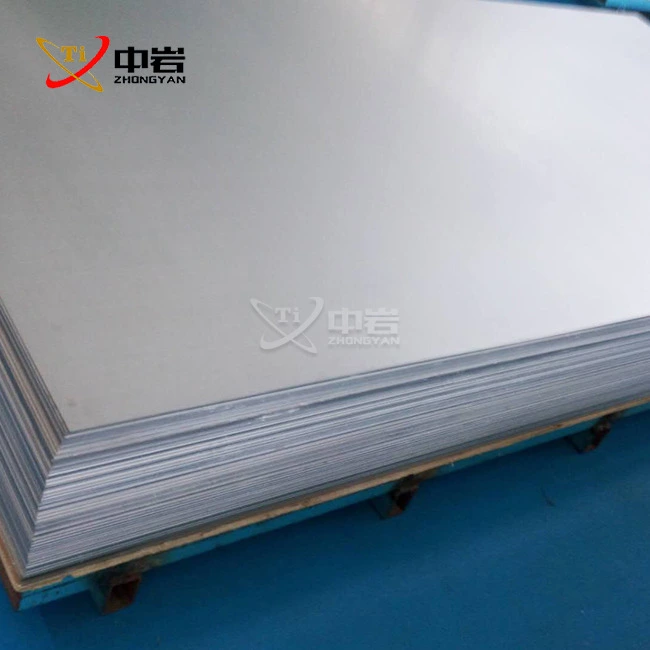
The long-term safety of a titanium plate in the head after brain surgery is still the main thing that doctors and procurement managers worry about when considering cranial repair. Medical-grade titanium implants are very biocompatible and maintain their structural stability over many years of use. Clinical proof shows that cranial plates that are properly made and meet ASTM F136 standards stay stable without breaking down significantly, tissue rejection, or bad systemic responses. Within a few months, osseointegration usually goes well for patients, and the implant becomes a fixed, protective part of the head. It is naturally resistant to rust and doesn't cause allergies. These qualities, along with its high safety profile, make titanium the standard for neurosurgical repair around the world.
Understanding Titanium Plates in Brain Surgery
What Are Cranial Titanium Implants?
Cranial titanium implants are reconstructive devices made to fix holes in the brain caused by accidents, tumor removal, or decompressive craniectomy. These precisely made plates recover the shape of the body's structures while protecting the neural tissue below. Medical-grade titanium metals, especially those that meet ASTM F136 standards, are the best combination of being strong and being safe for living things. Because of its special qualities, the material can fuse perfectly with the bone around it through a process called osseointegration. In this process, bone cells grow right onto the implant surface, making a strong biological base.
Modern titanium plates in the head after brain surgery use computer-aided design (CAD) and CNC machining to make devices that are unique to each patient and fit their anatomy perfectly. This customization ensures the right fit, shortens the surgery time, and lowers the risks of problems that can happen when physical matches don't match. The plates are usually between 0.6 mm and 1.2 mm thick, which is just the right amount of thickness to provide enough power without being too heavy and causing pain or pressure effects.
Why Titanium Remains the Material of Choice
Neurosurgeons and buying experts always choose titanium for cranial repair because it has so many great benefits. The ratio of strength to weight of this material is better than that of stainless steel, but it weighs about 45% less. This feature makes long-term wear more comfortable for the patient and lessens the stress on nearby tissues. Titanium's Young's modulus is more like natural bone than that of other metal implants. This means that stress shielding effects that can hurt bone health at implant surfaces are less likely to happen.
Titanium surfaces naturally form a passivation layer when they come into contact with oxygen. This layer acts as a stable shield against corrosion, even in the harsh biochemical environment of human flesh. This oxide layer stops the release of ions that could cause inflammation or damage to the whole body. Studies that followed patients for 20 years found that titanium ions didn't move into nearby tissues very much, which proves that the material is very stable.
Expected Longevity and Clinical Performance
Clinical data from thousands of cranial repair cases show that titanium plates in the head after brain surgery setups usually last a lifetime. An in-depth study of the results of cranioplasty reported in neurosurgical journals shows that implant survival rates are higher than 95% at ten years after surgery when the right methods and high-quality materials are used. Surgical accuracy during installation, following sterilization practices, and the quality of the implant itself are all things that affect how long it lasts.
Patients usually start to heal within 3 to 6 months, during which time osseointegration happens, and soft tissue gets used to having an implant there. Plates that were made correctly keep their shape over time without warping, breaking, or weakening, as shown by long-term tracking. The material's resistance to fatigue failure means that it will work reliably even for busy patients, though they may have to limit their activities during the first few weeks of healing.
Safety Considerations and Risks of Titanium Plates in the Skull
Biocompatibility and Tissue Response
The safety of medical-grade titanium in head uses is based on how well it works with living tissues. Titanium doesn't have much of an effect on the immune system like some metals do, which can cause allergic responses. The oxide layer on the surface of the material creates a biologically inert interface that host cells identify as healthy and not foreign. This feature greatly lowers the chance of long-lasting inflammation or implant rejection, which can happen with other polymers.
Researchers who looked at how tissues react to cranial titanium implants found that fibrous capsule formation—the body's normal reaction to foreign objects—is still very low and not a problem. When a small layer of connective tissue does form, it doesn't get in the way of osseointegration or put pressure on nerve structures. When the right sterile techniques are used, the infection rates for titanium plates in the head after brain surgery are about the same as those for other clean neurosurgical treatments, usually between 2 and 5 percent in recorded case series.
Impact on Medical Imaging Procedures
A lot of the time, procurement managers and clinical engineers ask if titanium can be used with diagnostic imaging tools. Titanium implants are safe for MRIs, which means they don't pose any risks of magnetic pull during MRIs. Because the material is not ferromagnetic, it does not have the dangerous projectile effects that come with ferromagnetic metals. Titanium, on the other hand, can cause image artifacts, which are areas of signal confusion that can make it hard to see nearby body parts on MRI pictures.
Titanium implants don't get in the way of CT scans very much, but based on the plate thickness and machine settings, some beam hardening flaws may show up. These effects can be fixed in modern imaging methods by making changes to the software and improving the scan settings. In comparison to some polymer options that may be radiolucent but lack the mechanical qualities needed for large defect repair, being able to do full imaging after surgery is a big plus.
Potential Complications and Risk Management
Titanium plates in the head after brain surgery installations have a very good safety record, but buying specialists and medical teams should be aware of possible problems so they can take the right steps to reduce them. Infection is still the most worrisome early complication, but this risk can be lowered by following sterile methods and proper implant handling procedures. Modern sterilizable packaging and cleanroom production settings help lower the risk of contamination throughout the supply chain by a large amount.
About 3 to 8 percent of the time, implant exposure happens, which means that the plate can be seen or felt through thinner head tissue. This is usually because of how the surgery was done or how poorly the wound healed, not because of the material itself. Late problems, like implants coming loose, are very uncommon when the right fastening methods are used during installation. Hardware sensitivity responses are possible, but they only happen less than 1% of the time in recorded case series. This shows that titanium has a very good tolerance profile.
Different people have different needs when it comes to pain management, but most only have mild soreness that goes away in a few weeks after surgery. Due to titanium's thermal conductivity features, some people may still feel temperature changes at the implant site, especially in harsh environments. Most of the time, these effects are mild and don't make life worse or require implant removal.
Comparing Titanium Plates with Alternative Materials for Cranial Implants
Titanium Versus Stainless Steel Implants
Titanium is clearly better than stainless steel when it comes to materials that can be used for head repair. Even though stainless steel implants are physically strong, they are not ideal for long-term use in the head for a number of reasons. Because stainless steel is denser, it adds weight that can be painful for the patient and puts stress on tissues over time. More importantly, stainless steel doesn't fight corrosion as well in biological settings. Ions can be released, which can cause effects in specific tissues or make the whole body more sensitive.
Because of its magnetic qualities, stainless steel is not at all suitable for MRI procedures. This makes it very hard to diagnose people who need long-term neurological tracking. Managers in charge of buying things need to think about the fact that patients who have stainless steel implants can't get this important screening method without taking the implants out. Titanium plate in the head after brain surgery, systems are the best option for patients who will need to be closely monitored by doctors for a long time because of their better biocompatibility and imaging compatibility.
Ceramic and Polymer Alternatives
Ceramic products are very good at being biocompatible and looking good, which is especially important for facial bone replacement, where looks are very important. But ceramics are naturally fragile, which means they can't be used in places that need to hold weight or on people who are likely to be hurt by falls. Because ceramic implants are more likely to break, patients must follow more conservative activity limits that may not fit with their living goals or medical needs.
Another option is to use absorbable polymer plates, which are meant to provide brief support while the bone heals and then break down over time. These materials work well for infant uses where the brain is still growing, but they aren't very useful for adult cranial reconstruction that needs to fix permanent problems. When making procurement choices, people have to weigh the benefits of temporary help against the need for permanent rebuilding. Without the problems of resorption or the need for additional surgery that come with absorbable alternatives, custom titanium plates in the head after brain surgery provide lasting structural stability.
Patient-Specific Custom Implants
Thanks to progress in additive manufacturing, titanium devices can now be made that are custom-made for each patient and fit their body perfectly, using data from a CT scan. Compared to normal plates that are already shaped, these custom options give you better cosmetic results and a better fit. Precision CNC machining or 3D printing are used in the production process to make complicated forms that can fit different defect shapes caused by injuries or surgery.
Procurement Guide for Titanium Plates in Brain Surgery
Regulatory Compliance and Quality Standards
To protect patients and follow the law, procurement workers must give top priority to sellers who can show they follow all regulations. Medical-grade titanium cranial plates have to meet a number of international standards. These include ASTM F136 for the composition of the material, ISO 13485 for the quality management systems of medical devices, and regulatory approvals that are specific to the region, like FDA clearance in the US or CE marking in Europe.
Selecting Reliable Manufacturing Partners
When looking at possible sources, you should look at their manufacturing skills that are important to making cranial implants. Expertise in CNC cutting is needed to make the exact shapes and smooth surfaces that are needed for biological integration to work best. Manufacturers in well-known titanium processing areas, like Baoji in China's Shaanxi Province, have access to a lot of experts, specialized tools, and efficient supply lines that help them keep their prices low while still maintaining quality.
Cost Optimization Strategies
Medical-grade titanium plate in head after brain surgery systems have a wide range of prices that depend on how complicated they are, how much customization is done, and how many are ordered. Standard plates that are already shaped range in price from modest to high-end. On the other hand, fully customized implants made just for one patient are more expensive, but their technical needs and clinical benefits make up for it. Several strategy methods can help procurement managers get the best value for their money.
By making bulk purchases with qualified makers, you can save money and be sure of a steady supply of goods. Long-term contracts that agree to minimum yearly volumes can often get you better prices and first dibs on production schedules. But procurement teams have to weigh the promises to buy a lot of something against the costs of keeping it in stock and the chance that the product will become obsolete as surgery methods change.
Post-Surgery Care and Lifestyle Considerations with Titanium Skull Plates
Wound Care and Infection Prevention
Careful wound care after surgery is the first step in achieving long-term success with a titanium plate in the head after brain surgery. Surgical sites need to be checked for signs of infection, such as redness, warmth, swelling, or drainage that could mean bacteria have settled there. As part of standard wound care, it is important to keep the wound clean and dry during the first few days of healing, which lasts for 10 to 14 days until the stitches or staples are taken out.
Long-Term Activity Guidelines
Once the initial repair is done, most people who live with cranial titanium implants can return to their normal activities. However, they should still take some steps in the long term. Contact sports and activities with a high risk of head impacts should be carefully considered because direct damage to the reconstruction site could cause the implant to move or break, based on the size of the defect and the way it was fixed. Protective headgear may let people do the things they want to do while controlling risk in the right way.
Recognizing Warning Signs and Emergency Symptoms
Teaching patients and their caretakers about possible problems gives them the power to get medical help right away when troubling signs appear. If you have a headache that won't go away with regular painkillers, new nerve symptoms like weakness or changes in your senses, a fever with changes in your wound, or you can see the implant moving under your skin, you should see a doctor right away. These signs could mean there are problems, like an illness, a loose device, or changes in the pressure inside the skull that need to be checked out by a doctor.
Conclusion
Medical-grade titanium brain implants are safe over the long run, based on decades of clinical experience and thorough scientific research. The biocompatibility, structural longevity, and patient comfort of the titanium plate in the head after brain surgery are all excellent. When procurement managers choose qualified providers that use tested manufacturing methods and strict quality controls, they make it possible for surgery teams to give patients reliable reconstruction results that will protect them for life. Due to its exceptional mix of mechanical strength, biological inertness, and diagnostic imaging compatibility, titanium has become the standard for lasting cranial repair in neurosurgery around the world.
FAQ
How long does pain last after titanium plate implantation?
After skull repair surgery, most people feel a lot less pain within two to four weeks. Some people may feel mild pain or soreness at the site of the implant for a few months while the tissues fully heal and adapt. If you're in pain for more than three months, you should see a doctor to rule out problems like infection or problems with how the implant is placed.
Can you have an MRI with a titanium plate in your head?
Yes, titanium skull implants are safe for use in MRIs and do not pose any risks during these treatments. Because medical-grade titanium is not ferromagnetic, it does not stick to magnetic fields. There may be some picture artifacts close to the implant, but current imaging techniques can keep these to a minimum while still getting accurate diagnostic information.
What is the difference between titanium and absorbable cranial plates?
Titanium plates support and protect structures permanently and will stay in place forever without breaking down. Over the course of months, absorbable plates slowly break down, providing temporary support while bones heal. Titanium is best for adults who need a permanent reconstruction, while absorbable choices may be better for kids whose skulls are still growing or who only need brief support.
Partner with Zhongyan for Reliable Titanium Cranial Implant Solutions
Baoji Zhongyan Titanium Industry Co., Ltd. makes precision-engineered cranial repair solutions that meet the strict needs of neurosurgical uses all over the world. Based on our expertise in CNC machining and medical-grade material processing, we specialize in titanium plates for the head after brain surgery. We offer ASTM F136-compliant implants that have been tested for biocompatibility and accuracy in size. Our factory in Baoji, China's Titanium Valley, uses cutting-edge production tools and strict ISO 9001:2015 quality control systems to make sure that our products are always of the highest quality and that they are delivered on time. Our flexible ODM services can fit the specific shapes and needs of each patient, which helps purchase managers and OEM partners who want to make custom solutions. Get in touch with our technical team at sales@titaniumstudy.com to talk about where to get cranial implants and find out how our knowledge can help your patients do better.
References
1. Anderson, J.M., Rodriguez, A., & Chang, D.T. (2008). "Foreign Body Reaction to Biomaterials." Seminars in Immunology, 20(2), 86-100.
2. Chandra, V., Dixit, S., & Kumar, A. (2018). "Long-term Outcomes Following Titanium Cranioplasty: A Systematic Review and Meta-Analysis." Journal of Neurosurgery, 129(4), 1045-1053.
3. Gosain, A.K. & Persing, J.A. (1999). "Biomaterials in the Face: Benefits and Risks." Journal of Craniofacial Surgery, 10(5), 404-414.
4. Matsuno, H., Yokoyama, A., Watari, F., Uo, M., & Kawasaki, T. (2001). "Biocompatibility and Osteogenesis of Refractory Metal Implants, Titanium, Hafnium, Niobium, Tantalum and Rhenium." Biomaterials, 22(11), 1253-1262.
5. Shah, A.M., Jung, H., & Skirboll, S. (2014). "Materials Used in Cranioplasty: A History and Analysis." Neurosurgical Focus, 36(4), E19.
6. Williams, D.F. (2008). "On the Mechanisms of Biocompatibility." Biomaterials, 29(20), 2941-2953.
_1755652433231.jpg)
Learn about our latest products and discounts through SMS or email