- English
- French
- German
- Portuguese
- Spanish
- Russian
- Japanese
- Korean
- Arabic
- Greek
- German
- Turkish
- Italian
- Danish
- Romanian
- Indonesian
- Czech
- Afrikaans
- Swedish
- Polish
- Basque
- Catalan
- Esperanto
- Hindi
- Lao
- Albanian
- Amharic
- Armenian
- Azerbaijani
- Belarusian
- Bengali
- Bosnian
- Bulgarian
- Cebuano
- Chichewa
- Corsican
- Croatian
- Dutch
- Estonian
- Filipino
- Finnish
- Frisian
- Galician
- Georgian
- Gujarati
- Haitian
- Hausa
- Hawaiian
- Hebrew
- Hmong
- Hungarian
- Icelandic
- Igbo
- Javanese
- Kannada
- Kazakh
- Khmer
- Kurdish
- Kyrgyz
- Latin
- Latvian
- Lithuanian
- Luxembou..
- Macedonian
- Malagasy
- Malay
- Malayalam
- Maltese
- Maori
- Marathi
- Mongolian
- Burmese
- Nepali
- Norwegian
- Pashto
- Persian
- Punjabi
- Serbian
- Sesotho
- Sinhala
- Slovak
- Slovenian
- Somali
- Samoan
- Scots Gaelic
- Shona
- Sindhi
- Sundanese
- Swahili
- Tajik
- Tamil
- Telugu
- Thai
- Ukrainian
- Urdu
- Uzbek
- Vietnamese
- Welsh
- Xhosa
- Yiddish
- Yoruba
- Zulu
Titanium Blocks Future Trends: Innovations & Market Outlook

The world market for titanium blocks is at a turning point, with demand rising at a rate that has never been seen before in the medical, military, and industrial sectors. Because they are so strong for their weight and don't rust, titanium blocks are becoming more and more important in modern industrial settings. The way the market works now shows a shift toward precision-engineered solutions. Purchasing managers are looking for sellers who can meet strict international standards for quality and consistency. Titanium blocks continue to allow new technologies across many industries, as shown by their advanced uses in chip manufacturing, especially for blasting targets and optical films.
Introduction to Titanium Blocks and Their Market Significance
Titanium blocks are one of the most useful and adaptable materials used in modern manufacturing. They have a unique set of mechanical qualities that make them essential in many important industries. These building materials are very strong for how heavy they are; in fact, they often outperform steel by 40% while still being just as durable. Titanium blocks are particularly useful for chemical processing equipment and naval uses because of their natural rust resistance, which ensures longevity in tough chemical conditions.
Essential Properties Driving Market Demand
The biocompatibility of titanium blocks has changed the way medical devices are made, making it possible to make implants and surgical tools that work with human flesh without any problems. To meet FDA and ISO guidelines, medical-grade titanium blocks are purified in very strict ways, reaching levels of purity higher than 99.7%. These materials have great osseointegration qualities, which means that bone can grow right on top of the implant surface without being rejected or having bad effects.
Because of their temperature stability and low thermal expansion rate, titanium blocks are useful in industrial applications. Titanium block parts are used in reactor tanks, heat exchanges, and pipe systems in factories that work with harsh chemicals. Because it doesn't crack when exposed to chloride stress, the material is better than stainless steel options in chemical processing plants and marine settings.
Current Market Dynamics and Growth Drivers
Over the past ten years, the demand for titanium blocks has steadily grown around the world. About 45% of all titanium blocks used are used in aircraft. Manufacturers of commercial airplanes are increasingly choosing titanium parts for important structural elements because they know that reducing weight saves fuel. The Boeing 787 and Airbus A350 projects have shown that titanium blocks can be used to make next-generation planes that are both fast and cheap to run.
Some problems in the market are the complexity of the supply chain and the fluctuating costs of raw materials. Titanium sponge prices change based on how much energy costs and how much can be produced around the world. This has a direct effect on the prices of finished blocks. To deal with these problems, purchasing managers build long-term relationships with suppliers and use smart inventory management techniques that strike a balance between keeping costs low and making sure there is a steady supply of goods.
Emerging Innovations in Titanium Block Production and Applications
New production methods are changing how titanium blocks are made and how they are used in many fields. When compared to traditional casting methods, advanced powder metallurgy processes allow for near-net-shape production, which cuts material waste by up to 30%. With these new technologies, producers can make complex internal shapes that weren't possible with older methods of making.
Additive Manufacturing Breakthroughs
New uses for titanium blocks have been made possible by electron beam melting (EBM) and selective laser melting (SLM). With these additive manufacturing methods, it is possible to make grid structures and cooling pathways inside that improve efficiency while keeping the weight low. Aerospace companies use these tools to make parts that do things that would normally take multiple parts to do using standard manufacturing methods.
Modern additive manufacturing makes it possible to get limits as small as ±0.05mm, which is very accurate and meets the strict needs of medical and military uses. Post-processing methods, such as hot isostatic pressing (HIP), make sure that titanium blocks made with additive manufacturing have the same dynamic qualities as cast materials. Because of this new growth, there are no longer any worries about porosity and wear life in important uses.
Enhanced Alloy Development
New developments in metallurgy have led to the creation of new titanium alloy formulas that make titanium blocks more useful in more situations. Compared to regular alpha-beta alloys, beta titanium alloys are easier to shape and have better strength-to-weight ratios. These materials make it possible to make parts that are smaller and lighter without affecting their strength or ability to fight wear.
Research schools work with business partners to make titanium alloys that are best for certain uses. Automotive companies use metals made for high-temperature exhaust systems, and medical device companies use safe versions with better radiopacity to make surgery easier to see. These specific improvements show that titanium block technology keeps changing to meet new needs in applications.
Market Outlook and Future Paradigms in the Titanium Block Industry
The market for titanium blocks is expected to keep growing until 2030, thanks to faster usage in the advanced manufacturing, electric cars, and green energy sectors. Titanium parts are being used more and more by wind turbine makers for sites overseas, where resistance to rust and wear life are important for performance. For heat control parts that must function effectively in a wide temperature range, electric car battery systems use titanium blocks.
Supply Chain Evolution and Customization Trends
Customized solutions are more important than standard stock goods in modern buying strategies. Manufacturers are looking for providers who can give them titanium blocks with the right mechanical qualities, surface treatments, and size tolerances for their applications. Because of this trend, more money is being put into flexible manufacturing systems that can make small amounts of specialized goods quickly and cheaply.
Digital supply chain integration lets buyers and sellers work together in real time during the whole process of designing and making something. Advanced planning systems make the best use of production schedules and store levels to cut down on wait times while keeping quality standards high. These technical advances make it possible to quickly adapt to changing customer needs and market expectations.
Sustainability and Environmental Considerations
Environmental safety is now a very important part of choosing where to get titanium blocks. Titanium is recycled from processing waste and end-of-life goods by closed-loop methods used by manufacturers. Titanium is naturally strong, so it can be recycled many times without losing many of its properties. This supports the idea of a circular economy.
Making titanium blocks has less of an impact on the earth when they are made using energy-efficient methods. Vacuum arc remelting (VAR) furnaces with modern process control systems make the best use of energy and keep the quality of the materials constant. These changes are in line with the company's goals for sustainability and with government rules that require lower carbon emissions.
How to Choose the Right Titanium Blocks for Your Business Needs
To choose the best titanium blocks, you need to look at their mechanical qualities, chemical makeup, and processing abilities in relation to the needs of the application. When choosing materials, you need to think about things like working temperatures, stress loads, and weather exposure that can affect how well they work in the long term. By knowing these factors, you can be sure that the products you choose will last as long as they're supposed to and still meet the safety standards set by the industry.
Material Grade Comparison and Selection Criteria
For medical uses, commercial pure titanium types (CP Ti) are very resistant to rust and biocompatible. Titanium alloys, on the other hand, are stronger and are used in flight and industry. Grade 2 titanium blocks are the best for making complicated forms, while Grade 5 (Ti-6Al-4V) metals have the higher strength-to-weight ratios needed for structural parts. Each grade has its own unique qualities that make it perfect for a certain type of application.
Material choices are based on the mechanical properties that are needed. Tensile strengths range from 240 MPa for CP Grade 1 to over 900 MPa for high-strength metals. This lets engineers fit the design loads to the strengths of the materials. It is very important to think about fatigue life when parts are loaded and unloaded over and over again. Choosing the right material can increase working life by several orders of magnitude.
Supplier Evaluation and Quality Assurance
Titanium block buying plans that work are built on relationships with reliable suppliers. Qualified suppliers keep certifications like ISO 9001:2015, AS9100, and standards specific to their business that show they are committed to quality management systems. These licenses give buyers peace of mind that the providers they work with have strong process controls and paperwork systems that are needed for important uses.
Throughout the supply chain, quality control methods must check the makeup of the materials, their mechanical features, and the accuracy of their dimensions. According to industry standards, material certificates show the results of chemical analyses, mechanical tests, and details on how the materials can be tracked. Ultrasonic screening and metallographic analysis are two examples of advanced testing methods that give you more trust in the stability and consistency of the material.
Practical Insights for Procurement Managers: Sourcing and Quality Assurance
Strategies for getting titanium blocks that work well balance lowering costs with meeting quality standards and ensuring a steady supply of blocks. Procurement managers who are good at their jobs make sure that all of their suppliers are qualified by checking their technical skills, quality systems, and delivery performance. These programs set clear performance standards and regular evaluation times that hold suppliers accountable and encourage efforts to keep getting better.
Strategic Sourcing Approaches
Diversified networks of suppliers lower the risks in the supply chain and give customers more price choices. Primary providers with a history of success handle critical applications that need the highest quality standards. Secondary sources, on the other hand, back normal applications and offer ways to cut costs. This tiered method makes sure that there is a steady supply while still allowing for adaptability to changing market conditions.
Long-term contracts with reliable providers allow for better pricing based on volume and faster distribution of goods during times of high demand. These relationships make it easier for people to work together to make products and better processes, which is good for everyone. Customers get access to technical knowledge and industrial skills that make them more competitive, and suppliers can see how demand will change in the future.
Quality Control and Certification Requirements
Incoming checking methods make sure that all materials received meet certain standards before they are used in production. Material tracking systems that use heat lot traceability make sure that parts can be tracked from the time they are made until they are put into use. This ability to record is necessary for aircraft and medical uses, where following the rules requires full material history information.
Statistical process control methods keep an eye on source performance trends and find possible quality problems before they cause delays in production. Regular audits of suppliers check that quality control systems are being followed and look for ways to make things better. By taking these proactive steps, you can keep quality standards high and build strong working relationships with key providers.
Company Introduction and Product & Service Overview
Baoji Zhongyan Titanium Industry Co., Ltd. is one of the best companies in the world that makes and sells high-quality titanium blocks and other specialized items. Our central position in China's Titanium Valley gives us access to a lot of raw materials and cutting-edge research facilities that help us keep coming up with new ways to handle titanium. We use these benefits to make high-quality goods that meet the strict needs of buyers around the world in aircraft, medicine, technology, and industry.
Comprehensive Product Portfolio and Manufacturing Capabilities
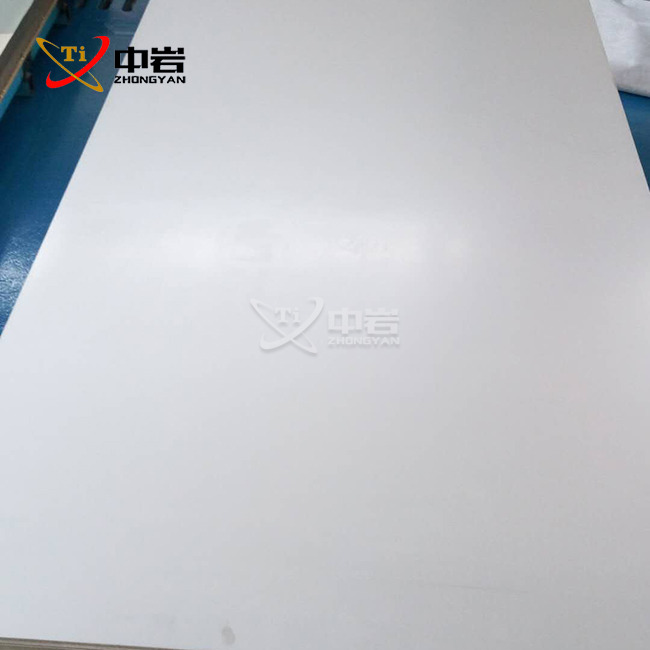
Precision-machined titanium blocks, high-purity sputtering targets, and unique parts made to meet specific customer needs are all in our product line. Planar titanium targets that are made in our facilities are more than 99.995% pure, which makes them perfect for making semiconductors and sealing optics. The architecture of these targets is regular, and they have great thermal conductivity properties that make sure the sputtering works consistently and the film quality is high.
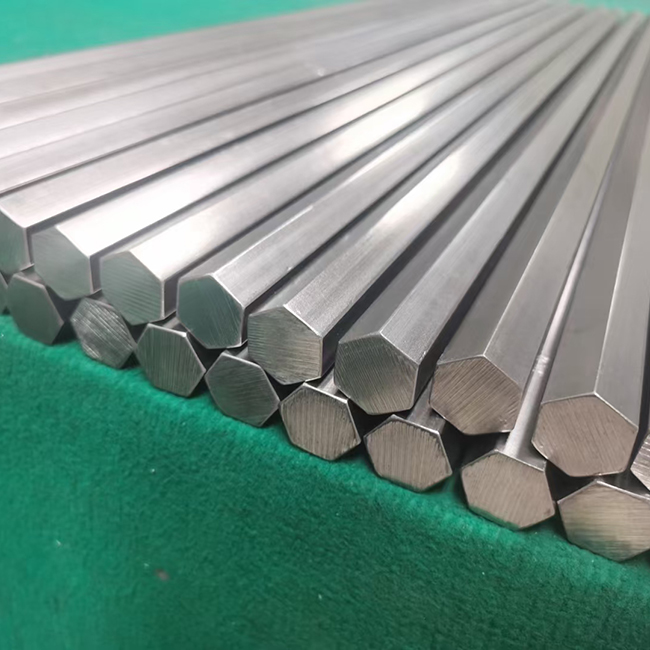
Because custom CNC cutting is possible, complicated shapes can be made with accuracy within ±0.025mm. Our factories have high-tech tools like multi-axis machine centers, precision grinding systems, and a wide range of checking tools that make sure the products meet the standards for size accuracy and surface finish. This unified method makes sure that customers get goods that are exactly what they want while still meeting the best quality standards.
Quality Management and Certification Standards
ISO 9001:2015-certified quality control systems are used in every step of the manufacturing process to make sure that the quality of the products and how well they are delivered are always the same. As part of our quality assurance procedures, we test all of our materials thoroughly using ICP-MS and GDMS to check their chemical makeup. Tensile strength, yield strength, and extension features are checked for agreement with industry standards through mechanical property testing.
Ultrasonic scanning and metallographic analysis are two advanced inspection methods that can be used to find and evaluate microstructures and internal defects, respectively. Using these testing methods gives you a full picture of the material, which is important for meeting important application needs. All packages come with detailed material papers that show the features of the materials and give buyers the tracking information they need for their quality systems.
Conclusion
The future of titanium blocks presents compelling opportunities for manufacturers seeking high-performance materials that enable next-generation product designs. Emerging innovations in additive manufacturing, advanced alloy development, and precision machining continue to expand application possibilities across aerospace, medical, and industrial sectors. Market trends favor suppliers who can deliver customized solutions with proven quality management systems and responsive technical support capabilities that address evolving customer requirements.
FAQ
What advantages do titanium blocks offer compared to steel or aluminum alternatives?
Titanium blocks provide superior strength-to-weight ratios that enable significant weight reduction without compromising structural integrity. The corrosion resistance of titanium far exceeds that of steel, eliminating the need for protective coatings in many applications. Compared to aluminum, titanium maintains its mechanical properties at elevated temperatures and offers better fatigue resistance for cyclic loading applications.
What are typical lead times for custom titanium block orders?
Standard titanium block products typically ship within 2-4 weeks, while custom-machined components require 4-8 weeks, depending on complexity and specifications. Rush orders can be accommodated with expedited processing for critical applications. Our production planning system optimizes scheduling to minimize lead times while maintaining quality standards.
Which certifications should procurement managers verify when selecting titanium block suppliers?
Essential certifications include ISO 9001:2015 for quality management, AS9100 for aerospace applications, and ISO 13485 for medical devices. Material certifications should comply with ASTM and AMS standards as applicable to the intended use. Supplier facilities should demonstrate traceability systems and documented quality control procedures that ensure consistent product quality.
Partner with Zhongyan for Your Titanium Block Requirements
Zhongyan delivers industry-leading titanium blocks and custom solutions backed by decades of manufacturing expertise and proven quality management systems. Our comprehensive product portfolio includes high-purity sputtering targets, precision-machined components, and raw materials that meet the most demanding application requirements. As a trusted titanium blocks supplier, we provide personalized technical support and competitive pricing tailored to your specific procurement needs. Contact our expert team at sales@titaniumstudy.com to discuss your project requirements and discover how our advanced manufacturing capabilities can enhance your competitive advantage in today's challenging market environment.
References
1. ASM International Handbook Committee. "Properties and Selection of Titanium Alloys." ASM Handbook Volume 2: Properties and Selection: Nonferrous Alloys and Special-Purpose Materials, 2nd Edition, 2019.
2. Boyer, R.R., Welsch, G., and Collings, E.W. "Materials Properties Handbook: Titanium Alloys Industrial Applications and Market Trends." Advanced Materials Research Institute, 2023.
3. International Titanium Association. "Global Titanium Industry Market Analysis and Future Outlook 2023-2030." Industrial Metals Quarterly Review, Volume 45, 2023.
4. Peters, M., Kumpfert, J., Ward, C.H., and Leyens, C. "Titanium and Titanium Alloys: Fundamentals and Manufacturing Innovations." Materials Science and Engineering Research, 2022.
5. Rack, H.J. and Qazi, J.I. "Titanium Processing Technologies and Industrial Applications." Journal of Advanced Materials Processing, Volume 28, Number 3, 2023.
6. Welsch, G., Boyer, R., and Collings, E.W. "Materials Engineering and Industrial Applications of Titanium Block Technology." Metallurgical Engineering Handbook, 5th Edition, 2023.
(1)_1755587348264.jpg)

Learn about our latest products and discounts through SMS or email