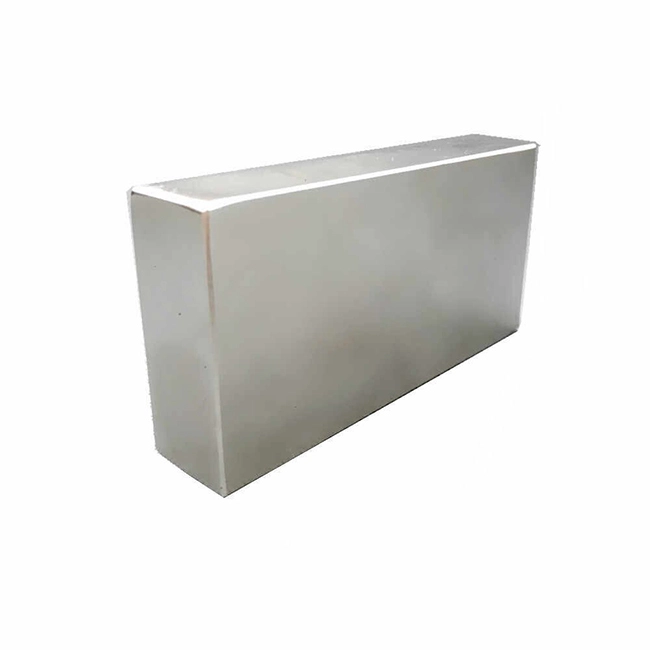
Choosing between titanium alloy blocks and pure titanium blocks requires understanding their distinct properties, applications, and performance characteristics. Pure titanium blocks offer exceptional biocompatibility and corrosion resistance, making them ideal for medical implants and chemical processing equipment. Meanwhile, titanium alloy blocks provide enhanced strength and durability, perfect for demanding aerospace and industrial machinery applications. This comprehensive guide examines material grades, mechanical properties, cost considerations, and specific industry requirements to help procurement managers and engineers make informed decisions for their titanium supply needs.
Understanding Pure Titanium Block Fundamentals
Pure titanium blocks are the most important part of titanium manufacturing because they have the highest amounts of purity, from 99.0% to 99.7%. These materials can prevent corrosion in amazing ways, making them very useful in many fields. Grade 1 and Grade 2 titanium blocks make up most of the market for pure titanium, and Grade 2 is the easiest one to buy.
The mass of pure titanium blocks is usually between 4.43 and 4.51 g/cm³, which makes them very strong for their weight. This feature is especially useful for situations where it is still important to reduce weight. In places with saltwater, acids, and other chemicals, pure titanium works extremely well.
When making pure titanium, the amounts of impurities must be carefully controlled, especially the nitrogen, oxygen, carbon, and iron. These things have a big impact on the material's mechanical qualities and how easily it can be worked with. Blocks of pure titanium are tested in many ways, such as looking for defects with ultrasound and checking the chemical makeup of the metal.
Pure titanium is the best material for making medical devices because it is biocompatible. This material can connect with human flesh without causing bad reactions, giving it this quality. FDA certification rules for medical-grade titanium blocks make sure that strict safety standards are met.
Exploring Titanium Alloy Block Composition and Properties
Titanium alloy blocks add extra elements to improve certain mechanical qualities in ways that pure titanium can't. Ti-6Al-4V (Grade 5) is the most famous titanium alloy. It has 6% aluminum and 4% vanadium, which makes it stronger than other alloys. While pure titanium has a tensile strength of 240–345 MPa, this mixture has one greater than 900 MPa.
Titanium alloys have different microstructural stages that are defined by the alpha, beta, and alpha-beta alloy classifications. Alpha metals are great at resisting corrosion and are easy to weld. Beta alloys, on the other hand, are stronger and easier to shape. Alpha-beta alloys, such as Ti-6Al-4V, are examples of materials that work better when they mix good properties from different phases.
Titanium alloys' performance is greatly affected by heat treatment. While solution treating and aging make materials stronger, annealing processes make them more ductile. These ways of heating and cooling materials give makers the ability to change the way materials behave so they can be used in different ways.
Adding alloying elements changes the density. Most titanium alloys have a density between 4.4 and 4.8 g/cm³. Even though they are a little denser, metals still have great strength-to-weight ratios that are better than many steel options. With the right alloys added, temperature resistance also gets better, which allows for working temperatures of up to 600 °C.
Mechanical Property Comparison and Performance Analysis
The most important difference between pure titanium and titanium alloy blocks is their strength properties. The yield strengths of pure titanium grades range from 170 to 345 MPa, but titanium alloys can have yield strengths greater than 1,000 MPa. Alloys are better than pure metals for structural aerospace parts and industrial uses with a lot of stress because they are stronger.
Ductility tests show that different types of materials have different pros and cons when it comes to performance. The expansion value of pure titanium is 20–30%, which makes it very easy to shape into complicated forms. Titanium alloys usually have smaller elongation ranges of 10–25%, but make up for it by being better at resisting fatigue.
Hardness tests show that pure titanium has a hardness of 120–200 HV. Titanium alloys have hardnesses between 250 and 400 HV, based on their composition and how they are heat-treated. This difference in hardness affects how easily the material can be shaped and how resistant it is to wear. Alloys with higher hardness need special grinding settings and cutting tools.
The elastic modulus numbers for pure titanium and its alloys are pretty similar, falling between 100 and 120 GPa. This feature helps titanium keep its great name for spring-back in forming processes. Consistent modulus values make sure that no matter what grade of titanium is used, the deflection behavior is reliable.
Industry-Specific Applications and Requirements
Aerospace uses need the best strength-to-weight ratios, which is why titanium alloys are mostly used for structural parts. Alloys like Ti-6Al-4V and Ti-6Al-2Sn-4Zr-6Mo are used in engine parts, landing gear parts, and aircraft structures. AMS standards are very strict for these materials, which must also pass a lot of qualification tests.
The medical and dental fields depend on pure titanium blocks for making implants. Materials that work well with human flesh are needed by biocompatibility standards. Blocks of Grade 1 and Grade 2 titanium have the right amount of purity for medical devices that the FDA approves. Machining, polishing, and other surface processes make the material even more biocompatible.
The great corrosion resistance of pure titanium is good for chemical manufacturing tools. Heat exchangers, reactor tanks, and piping systems made of high-quality, pure titanium are used for strong chemicals. Because it doesn't crack easily when it's under salt stress, the material is very useful for things that involve seawater.
Electronics manufacturing, especially the making of sputtering targets, needs blocks of titanium that are pure to an extremely high degree. These uses require the contamination during thin-film deposition methods to be carefully controlled. Specialized methods of melting and quality control make sure that the right amounts of purity are met.
Cost Analysis and Procurement Considerations
Because they are easier to make and don't need as many changes, pure titanium blocks usually have better raw material prices. But the total cost of ownership has to take into account how well it needs to work, how hard it is to process, and how long it is expected to last. Alloys with high strength may be worth the extra cost because they let you use less material.
The difficulty of manufacturing has a big impact on how prices are set. Pure titanium is easier to work with, which lowers the cost of making it, but more difficult titanium alloys are harder and require specialized tools and longer cycle times. Rates of tool wear, cutting speeds, and surface finish needs are all things to think about when CNC turning.
Negotiations over price with titanium sources are affected by how much is needed. Due to material costs, high-volume orders require careful inventory management but allow better price tiers. It usually costs more to make custom alloys than it does to use regular grades.
Quality standards make things more expensive, but they also make them more valuable. ISO 9001 compliance, material test certificates, and traceability documentation make sure things are good, but they require an investment in quality processes. Because the rules are so strict, medical-grade licenses cost a lot of money.
Quality Standards and Certification Requirements
ASTM B381 specifications set the rules for making titanium blocks. They lay out the testing methods, the chemical makeup, and the mechanical qualities. Following these rules makes sure that all providers' materials work the same way. Different levels of purity and alloy ratios are shown by grade letters from 1 to 23.
AMS specifications list extra needs for use in aerospace. These guidelines often go beyond what ASTM requires by having stricter tolerances and better testing methods. Aerospace suppliers have to show that they are in compliance with strict qualification methods.
ISO certifications make sure that the quality control system is compliant. ISO 9001:2015 standards demand documented procedures, steps for ongoing improvement, and ways to measure customer satisfaction. ISO 13485 is a license that medical devices may need to get in order to be sure that they are working properly.
Surface finish and dimensional accuracy standards depend on the use. Standard blocks can handle changes of ±0.5mm, but precision-made parts can only handle ±0.05mm. Depending on the end-use application, the surface finish can range from as-machined to finished.
Making the Right Choice for Your Application
People who are choosing materials should think about more than just cost. They should also think about how the materials will be used. Pure titanium blocks work great in settings that are harmful to metals, uses that need to be safe, and cases where it's important to be able to easily change the shape of the metal. Alloy blocks are stronger than other materials for use in structures, high-temperature work, and designs where weight is very important.
Minimum strength needs are figured out with engineering calculations, which helps choose the right materials. These calculations are affected by safety factors, business conditions, and rules that say how things have to be done. Consulting materials engineers makes sure that the right grade is used for the right purpose.
The abilities of the supplier have a big effect on how well a job goes. Quality certifications, production ability, technical help, and delivery performance are all things that should be looked at when judging possible suppliers. When commodity markets change quickly, having long-term relationships with trustworthy suppliers can help keep things stable.
The way applications will change in the future may affect the materials that are chosen today. When you choose titanium types, think about possible changes in design and rules, as well as ways to make things work better. Being able to choose different materials makes it easier to adapt to new needs.
Conclusion
Selecting between titanium alloy blocks and pure titanium blocks requires careful consideration of application requirements, performance specifications, and cost constraints. Pure titanium excels in corrosive environments and biocompatible applications, while alloys provide superior strength for demanding structural uses. Understanding material properties, industry standards, and supplier capabilities enables informed procurement decisions that optimize performance and value. Working with experienced manufacturers like Zhongyan ensures access to quality materials, technical expertise, and reliable supply chain support for successful project outcomes.
Partner with Zhongyan for Your Titanium Block Manufacturing Needs
Zhongyan stands as your trusted titanium blocks supplier, combining decades of manufacturing expertise with cutting-edge production capabilities in China's Titanium Valley. Our comprehensive range includes both pure titanium and alloy blocks manufactured to ASTM B381 specifications, with grades spanning from Grade 1 through Grade 23 compositions.
Advanced quality control systems ensure every titanium block meets international standards, including ISO 9001, ASTM, and AMS requirements. Our ultrasonic defect testing protocols guarantee material integrity, while precision machining capabilities deliver tight dimensional tolerances. Custom OEM and ODM solutions accommodate unique specifications across aerospace, medical, electronics, and industrial applications.
Located in Baoji city, our strategic position provides access to premium titanium resources and specialized processing technologies. This advantage translates into competitive pricing, reliable supply chains, and consistent material quality for global customers. Our engineering team collaborates with clients to optimize material selection, ensuring performance requirements align with cost objectives.
Ready to source premium titanium blocks for your next project? Our technical specialists provide comprehensive support from material selection through delivery. Contact us at sales@titaniumstudy.com to discuss your specific requirements and receive detailed quotations tailored to your application needs.