
The primary difference between aerospace and industrial titanium blocks lies in their purity standards and mechanical property requirements. Aerospace titanium blocks demand exceptional strength-to-weight ratios (160-180 MPa/kg/m³ vs 140-160 MPa/kg/m³ for industrial), stricter quality control protocols following AMS specifications, and enhanced fatigue resistance capabilities exceeding 500 million cycles. Industrial titanium blocks prioritize cost-effectiveness while maintaining adequate corrosion resistance and machinability for general manufacturing applications. Understanding these distinctions helps procurement managers select appropriate titanium raw material specifications for their specific operational requirements.
Understanding Material Grade Classifications for Different Applications
According to their grade, titanium alloy blocks have different uses in the aircraft and industrial sectors. For important structural parts, the aircraft industry mostly uses Grade 5 (Ti-6Al-4V) titanium sheets and specialized grades like Grade 9. These aircraft materials are tested in a lot of different ways and meet the very high AMS 4928 and ASTM B381 standards.
Grade 2 commercially pure titanium or Grade 7 is often used in industrial settings and in places where chemicals are processed. The density of the different grades of titanium goes from 4.43 g/cm³ for pure titanium to 4.51 g/cm³ for titanium alloy blocks. This difference in density affects how well each grade can be used for different purposes.
Three core grade differences emerge:
- Alloying element concentrations (6% aluminum, 4% vanadium in Grade 5)
- Mechanical property thresholds (yield strength 828 MPa vs 275 MPa)
- Certification requirements (aerospace demands traceability documentation)
Grade 5 titanium billet materials and titanium blocks are a better choice if you need parts for applications that are important to flight. Grade 7 titanium bar stock and titanium blocks have much better protection against corrosion than other metals, making them the best choice for chemical processing equipment.
Strength and Weight Performance Comparison
Aerospace titanium metal blocks have much better strength properties than titanium metal blocks used in industry. Test data shows that aerospace-grade materials have tensile strengths of 950–1100 MPa, but industry grades usually only get up to 345–550 MPa. This performance gap is directly linked to the methods of adding alloys and heat treating.
In aerospace uses, where every gram affects how much fuel is needed and how much weight the vehicle can carry, finding the best weight becomes very important. Aerospace titanium ingots are processed in a special way to make sure that their microstructures are consistent and that there are no interior flaws that could weaken the structure during high-stress operations.
The strength-to-weight advantage manifests clearly:
- Aerospace grades: 240-280 MPa per kg/m³ specific strength
- Industrial grades: 180-220 MPa per kg/m³ specific strength
- Weight reduction potential: 15-25% compared to steel alternatives
Aerospace-grade titanium forging materials work best if you need light parts that stay very strong. Industrial titanium casting types are cheap options for structural uses where weight isn't a big deal.
Temperature Resistance and Environmental Durability
Aerospace and industrial uses of titanium raw materials, including titanium blocks, are very different when it comes to how they work at different temperatures. In aerospace settings, parts such as titanium blocks are exposed to very high and very low temperatures, from −55 °C at high altitude to 600 °C close to the engine. Most of the time, industrial uses, including those involving titanium blocks, take place at temperatures between 20 °C and 200 °C.
Aerospace titanium can survive heat up to 600°C for long periods of time, and it keeps more than 80% of its strength at room temperature. Industrial grades rely on not rusting instead of performing well in extreme temperatures. This makes them good for chemical processing and marine uses.
Environmental durability factors include:
- Oxidation resistance (aerospace grades withstand 500+ thermal cycles)
- Stress corrosion cracking immunity (critical for pressure vessel applications)
- Fatigue life exceeding 10⁷ cycles under variable loading
If you need parts that will work in aircraft settings with high temperatures, you will need specialized titanium machining grades that have better thermal stability. Normal amounts of commercial titanium purity are fine for industrial processes that happen at moderate temperatures.
Manufacturing Standards and Quality Control Requirements
Quality control standards make aerospace titanium metalworking very different from industrial titanium metalworking. Aerospace applications require compliance with AS9100 quality control systems, full material traceability, and 100% inspection. Each group of titanium aircraft materials needs to be checked for chemical composition, mechanical properties, and non-destructive examination.
ISO 9001 is a set of rules for industrial manufacturing that uses statistical sampling methods. Quality is still important, but the inspection and paperwork needs aren't as strict as they are in flight. Cost factors often affect the standard of goods made in the factory.
Key manufacturing differences encompass:
- Inspection frequency (100% aerospace vs statistical sampling industrial)
- Documentation requirements (complete traceability vs batch certification)
- Testing protocols (multiple property verification vs standard compliance)
If you need materials for aerospace uses that are certified, titanium plates that meet AMS standards and are fully traceable are required. Materials that meet ASTM standards and have regular approval are enough for general use in industry.
Cost Considerations and Economic Factors
The choice of materials in aerospace and industrial titanium uses, including titanium blocks, is largely affected by economic factors. Aerospace-grade materials, such as titanium blocks, are expensive because they are harder to make, need to be tested in many ways, and are only made in small amounts. Price differences are often in the range of 200–400% when compared to similar products in the industry sector.
Industrial titanium medical implants and regular business uses get cheaper and easier to make when they are produced in large quantities. Standardized processing and the chance to buy in bulk greatly lower costs on a per-unit basis. Long-term worth takes into account how much maintenance the item will need and how long its parts will last.
Cost analysis reveals:
- Material costs (aerospace premium 200-400% above industrial)
- Processing expenses (additional testing and certification)
- Lifecycle value (enhanced durability justifies initial investment)
If you need cheap fixes for normal business uses, then commercial-grade materials will help you stay within your budget. For uses that need the best performance, no matter the price, aircraft standards provide the best long-term value.
Application-Specific Selection Guidelines
Choosing the right titanium materials means carefully matching their qualities to the needs of the application. When making aerospace parts, you need to use materials that can handle harsh circumstances and keep the safety margins over long service lives. It is more important to resist corrosion, work well under fatigue, and lose weight than to keep costs low.
Industrial applications value performance that is balanced and meets the needs of the job without extra costs for certain specifications. Chemical processing tools that prevent corrosion are more important than ones that are lighter. Automotive uses look for ways to make parts stronger without making them harder to produce.
Selection criteria include:
- Operating environment severity (temperature, pressure, chemical exposure)
- Safety criticality levels (failure consequences assessment)
- Economic constraints (initial cost vs lifecycle value)
If you need to work on flight systems where safety is very important, you have to use certified aerospace-grade titanium industrial application materials. Industrial grades offer good performance at fair prices for normal manufacturing methods.
Conclusion
Aerospace and industrial titanium blocks serve distinct market segments with specific performance requirements and economic considerations. Aerospace applications demand premium materials meeting stringent specifications, extensive testing protocols, and complete traceability documentation. Industrial applications prioritize balanced performance characteristics while maintaining cost-effectiveness for high-volume manufacturing processes. Understanding these fundamental differences enables informed material selection decisions supporting optimal component performance. Successful procurement strategies consider operating environments, safety requirements, quality standards, and long-term economic factors when evaluating titanium material options for specific applications.
Zhongyan Titanium Blocks: Your Trusted Manufacturing Partner
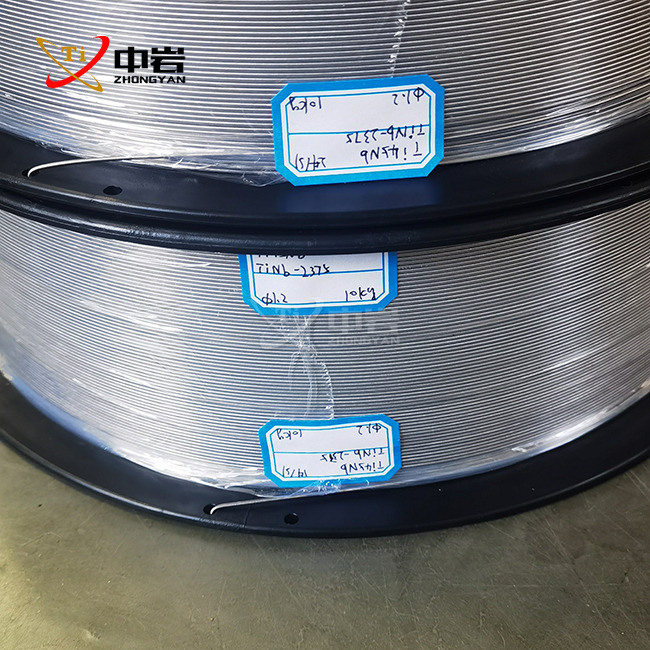
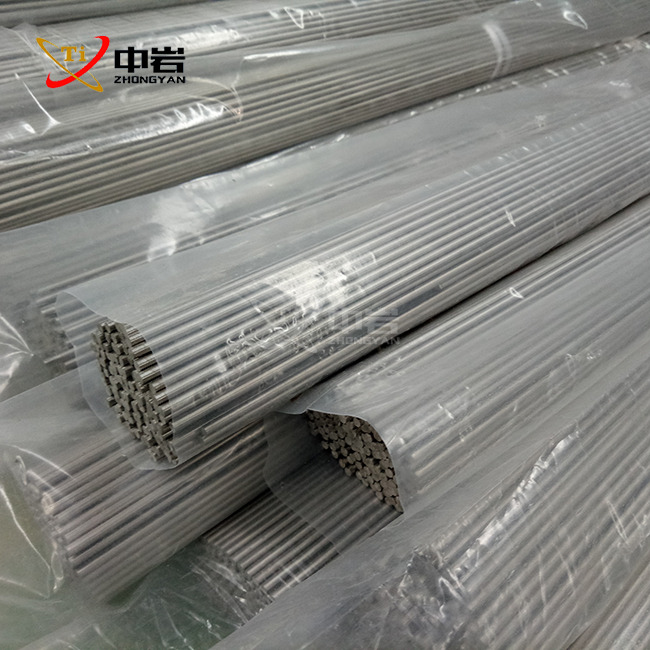
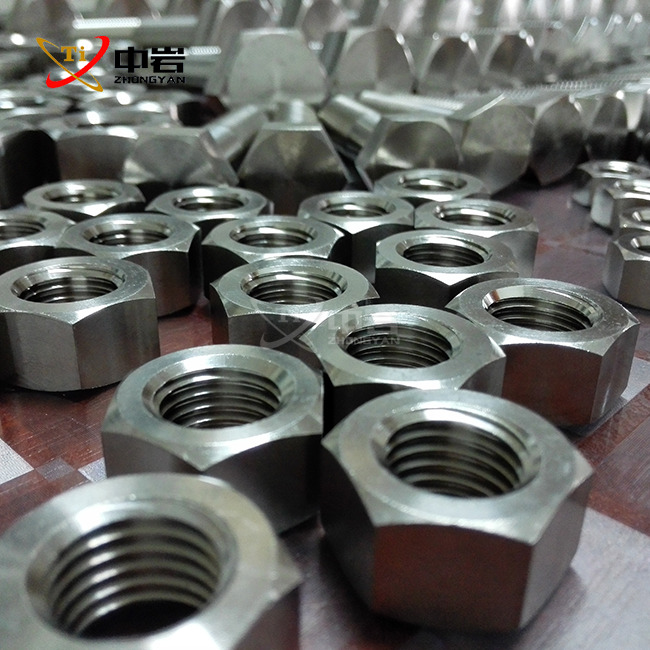
Zhongyan emerges as your premier titanium blocks manufacturer, delivering precision-engineered solutions for both aerospace and industrial applications. Our comprehensive manufacturing capabilities span from raw titanium billet production to finished component machining, ensuring complete quality control throughout the entire process.
Located in China's Titanium Valley, Zhongyan leverages advanced facilities and extensive expertise to produce titanium blocks meeting the most demanding specifications. Our product portfolio includes Grade 1-23 titanium materials with dimensions ranging from 30×30×30mm to 500×500×100mm, all certified to ISO 9001, ASTM B381, and relevant aerospace standards.
Our titanium blocks supplier capabilities extend beyond standard products to include custom alloy development, specialized heat treatments, and OEM/ODM services tailored to your specific requirements. Whether you need aerospace-certified materials for flight-critical components or industrial-grade blocks for chemical processing equipment, Zhongyan delivers consistent quality and reliable performance.
Zhongyan maintains an extensive inventory of popular grades and sizes, enabling rapid response to urgent requirements while supporting long-term supply agreements for high-volume applications. Our global shipping network ensures timely delivery worldwide, supported by comprehensive packaging solutions protecting materials during transit.
Ready to source premium titanium blocks for your next project? Our technical team stands ready to discuss your specific requirements and recommend optimal material solutions. Contact us at sales@titaniumstudy.com to request detailed specifications, pricing information, or technical consultation. Experience the Zhongyan difference in titanium excellence.
References
1. American Society for Testing and Materials. "Standard Specification for Titanium and Titanium Alloy Forgings." ASTM B381-13, West Conshohocken, PA, 2018.
2. Boyer, R., Welsch, G., and Collings, E.W. "Materials Properties Handbook: Titanium Alloys." ASM International, Materials Park, OH, 2007.
3. Aerospace Material Specification. "Titanium Alloy Bars, Wire, Forgings, and Rings 6Al-4V Annealed." AMS 4928M, SAE International, Warrendale, PA, 2019.
4. Lutjering, G. and Williams, J.C. "Titanium: Engineering Materials and Processes." 2nd Edition, Springer-Verlag, Berlin Heidelberg, 2007.
5. International Organization for Standardization. "Implants for Surgery - Metallic Materials - Part 2: Unalloyed Titanium." ISO 5832-2:2018, Geneva, Switzerland, 2018.
6. Peters, M., Kumpfert, J., Ward, C.H., and Leyens, C. "Titanium Alloys for Aerospace Applications." Advanced Engineering Materials, Vol. 5, No. 6, Wiley-VCH, 2003.
(1)_1755588631994.jpg)