- English
- French
- German
- Portuguese
- Spanish
- Russian
- Japanese
- Korean
- Arabic
- Greek
- German
- Turkish
- Italian
- Danish
- Romanian
- Indonesian
- Czech
- Afrikaans
- Swedish
- Polish
- Basque
- Catalan
- Esperanto
- Hindi
- Lao
- Albanian
- Amharic
- Armenian
- Azerbaijani
- Belarusian
- Bengali
- Bosnian
- Bulgarian
- Cebuano
- Chichewa
- Corsican
- Croatian
- Dutch
- Estonian
- Filipino
- Finnish
- Frisian
- Galician
- Georgian
- Gujarati
- Haitian
- Hausa
- Hawaiian
- Hebrew
- Hmong
- Hungarian
- Icelandic
- Igbo
- Javanese
- Kannada
- Kazakh
- Khmer
- Kurdish
- Kyrgyz
- Latin
- Latvian
- Lithuanian
- Luxembou..
- Macedonian
- Malagasy
- Malay
- Malayalam
- Maltese
- Maori
- Marathi
- Mongolian
- Burmese
- Nepali
- Norwegian
- Pashto
- Persian
- Punjabi
- Serbian
- Sesotho
- Sinhala
- Slovak
- Slovenian
- Somali
- Samoan
- Scots Gaelic
- Shona
- Sindhi
- Sundanese
- Swahili
- Tajik
- Tamil
- Telugu
- Thai
- Ukrainian
- Urdu
- Uzbek
- Vietnamese
- Welsh
- Xhosa
- Yiddish
- Yoruba
- Zulu
Skull Titanium Plates With Superior Corrosion Resistance
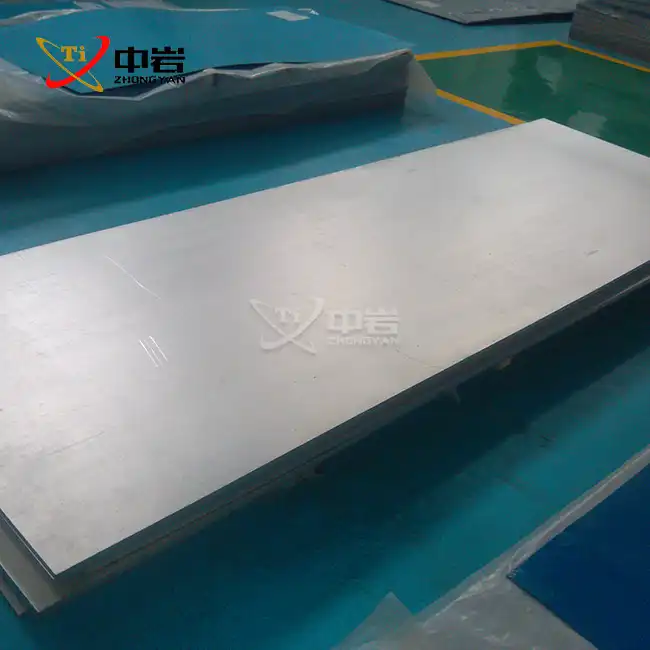
When it comes to reconstructing the skull, skull titanium plates are the best neurosurgery devices on the market. Surgeons all over the world rely on these specialized medical equipment for their high level of corrosion resistance, biocompatibility, and structural stability. Because they work so well in harsh biological settings, ASTM F136 grade titanium head plates are the best choice for cranioplasty treatments. Their high level of rust resistance ensures that implants stay stable over time while lowering the risk of problems and needing to be replaced. Titanium plates for the head are an important part of cranial surgery because they provide stable structural support and biocompatibility for people who need to rebuild their skulls. Their amazing ability to fight rust is important to make sure that implants last a long time and avoid problems like tissue inflammation or implant failure. The goal of this detailed guide is to help procurement managers, medical engineers, distributors, and OEM clients in the medical device industry make smart buying choices by giving them useful information. B2B sellers can improve healthcare results and strengthen their supply chains by putting an emphasis on corrosion resistance and product quality.
Understanding Skull Titanium Plates and Their Corrosion Resistance
Titanium plates for the skull are specialized implants used to fix skull fractures. They are highly prized for their high mechanical strength and biocompatibility. These precision-engineered devices are lasting answers for people who need to rebuild their skulls after an accident, surgery to remove a tumor, or birth defects. The ASTM F136 grade titanium that goes into these plates goes through strict quality control to make sure that it works the same way in all kinds of surgery situations.
The Science Behind Titanium's Corrosion Resistance
Titanium cranial plates are very resistant to rusting because they naturally form a protective oxide layer when they come into contact with air. This inactive film, which is usually 2 to 5 nanometers thick, keeps harmful substances from getting into the body. Other metals may break down over time, but this self-healing oxide layer keeps growing back, protecting against rust forever. Under physiological conditions, medical-grade titanium is very stable in living settings; it corrodes at a rate of less than 0.025 millimeters per year. This means that almost no material will be lost over the course of a patient's lifetime. This means that the structural stability of cranial implants will stay the same for decades after they were put in.
Comparative Analysis with Alternative Materials
Titanium is better at resisting corrosion and working with living things than stainless steel and carbon fiber, which are two other materials that could be used for head repair. Even though stainless steel implants are cheaper, they are more likely to char and rust and may release metallic ions that cause inflammatory reactions. Even though carbon fiber reinforced plastics are light, they don't have the mechanical strength needed for load-bearing cranial uses. They may also crack from stress rust when loaded and unloaded over and over again.
Core Benefits and Advantages of Titanium Plates in Skull Surgery
Because of how they are made, head titanium implants are essential tools in modern neurosurgery. These benefits go beyond simple functionality and include things like patient safety, faster surgeries, and better long-term health outcomes that have a direct effect on healthcare workers and companies that sell medical devices.
Exceptional Biocompatibility and Osseointegration
Titanium plates are great because they have a natural oxide layer that protects them from rusting and lowers the chance of bad tissue reactions. Titanium is biocompatible, which means it can easily fuse with the bone around it. This promotes healthy osseointegration without causing the immune system's rejection. Within six months of being implanted, clinical studies show that titanium implants achieve bone-to-implant contact rates greater than 70%. This better biocompatibility means fewer problems after surgery and faster healing times for patients. When compared to other materials, titanium head plates have much lower rates of infections and inflammatory reactions, which is why doctors choose them for high-risk patients and complicated reconstructive treatments.
Lightweight Design and Structural Strength
Titanium cranial plates have better functional qualities than similar stainless steel implants, even though they weigh 45% less. They are a lot lighter than stainless steel and ceramic choices, which makes the patient more comfortable and lessens the stress on the tissues around the implant. Titanium's high strength-to-weight ratio (specific strength of 285 kN·m/kg) makes sure that the structure is supported properly while putting as little stress as possible on the brain cells that are still healing. This weight loss is especially important for infant uses, where too much implant mass could stop the skull from growing normally. Surgeons say that using lightweight titanium plates always leads to better results for their patients, especially when a big area needs to be rebuilt.
MRI Compatibility and Diagnostic Advantages
Because titanium isn't magnetic, these plates are safe and can be used with MRI scans, which is important for ongoing patient care. In contrast to ferromagnetic materials, which cause large image flaws, titanium skull plates cause very little distortion in magnetic resonance imaging. This connection lets doctors check on the brain's health, spot possible problems, and see how well the healing process is going without having to worry about the implant getting in the way. MRI-compatible titanium implants make diagnosis much easier, which is very helpful for long-term patient care because they help doctors find problems like cerebrospinal fluid leaks, infections, or implant movement with a level of accuracy that has never been seen before.
Procurement Considerations for B2B Clients: Choosing the Best Skull Titanium Plates
Getting skull titanium plates right takes a close look at a lot of different factors that have an effect on both the patient's health and the efficiency of the business. Healthcare buying experts and people who distribute medical devices have to deal with a lot of complicated rules and regulations while also making sure that the supply chain is reliable and costs are kept low.
Quality Certifications and Regulatory Compliance
When choosing skull titanium plates, you need to look at material quality standards like FDA approval and ISO compliance, as well as the results of corrosion resistance tests, to make sure the product will last. Titanium alloys that are certified by ASTM F136 are sure to meet strict biological standards for their chemical makeup, mechanical qualities, and ability to work with living things. When a company has ISO 13485 certification, it means that they use quality control methods that are meant to make medical devices. Managers in charge of buying things should make sure that sellers give them all the paperwork they need, like material test certificates, biocompatibility test results, and data on how well the products were sterilized. These licenses not only make sure that healthcare institutions follow the rules, but they also protect them from liability issues that could happen if implants fail or patients have bad effects.
Supply Chain Logistics and OEM Capabilities
When forming partnerships with cranial implant providers, it's just as important to understand how the supply chain works, how prices are set, and what the guarantee terms are. Reliable providers can make products in a variety of ways, including unique sizes, surface treatments, and packing choices that meet the needs of particular surgeries. OEM services let healthcare institutions create their own implant designs while using already-established legal and manufacturing routes. Supply chain management that works well looks at things like production wait times, warehouse management systems, and emergency supply plans. Medical device wholesalers benefit from working with makers that keep enough safety stock on hand and can quickly meet urgent surgical needs without lowering quality standards.
Manufacturer Evaluation and Customization Options
Leading companies that make cranial implants offer a wide range of customization choices to meet a wide range of clinical needs. Companies like Zhongyan offer CNC machining services that make it possible to make exact devices for each patient based on CT scan data and the needs of surgery planning. This ability to be customized is very important for complicated reconstructive cases where standard implant designs can't provide enough coverage or fit the shape of the body. Professionals in charge of buying things should judge producers based on their technical skills, history with regulations, and ability to adjust production levels to meet changing demand. Established suppliers give extra services that add value to the total value offering. These include help with surgical planning, training programs, and post-market monitoring.
The Skull Titanium Plate Implant Procedure and Post-Surgery Insights
Understanding how cranial titanium plates are surgically implanted and what needs to be done afterward helps people who make purchase decisions understand the technical requirements and performance standards for these plates. With this information, it's easier to choose a source and come up with product specifications.
Pre-Surgical Planning and Customization
Before surgery, careful planning is done to make sure that the titanium plates are made exactly to the patient's body shape. Advanced imaging methods, such as CT and MRI scans, give surgeons thorough information about the structure of the skull, which they use to make implants that are special to each patient. Computer-aided design software makes it possible to precisely optimize the shape of an implant, and virtual medical planning helps doctors guess how the surgery will go. Custom head plates with limits measured in hundredths of millimeters are made by manufacturers using CNC machining technology. This precise production makes sure that the fit is perfect, cuts down on surgery time, and lowers the need for changes during surgery. When compared to hand-contoured standard plates, custom implants have better clinical outcomes, shorter surgery times, and better aesthetic results.
Surgical Fixation Techniques and Implant Stability
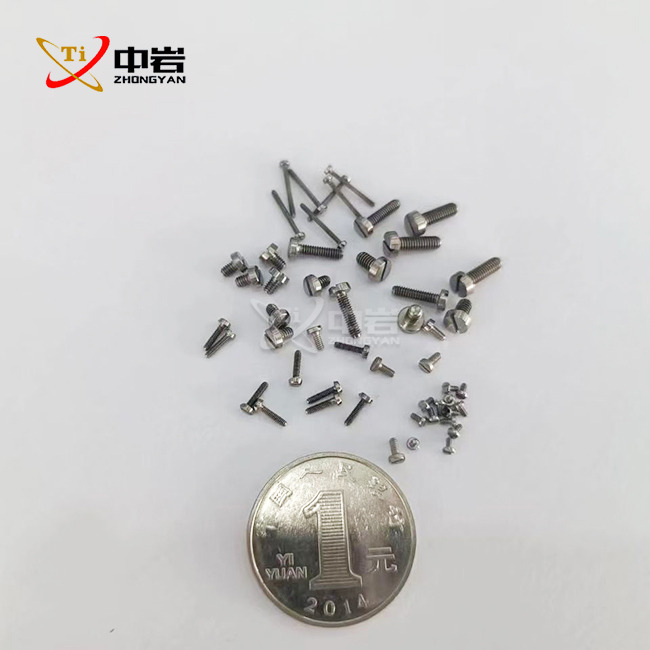
Fixation methods used during surgery make sure that the connection is secure and that the implant stays stable while the body heals. Titanium bone pins, which are usually 2.0 to 2.4 mm in thickness, hold the implant in place mechanically against the bone tissue around it. The self-tapping form of these screws makes it easier to place them precisely while minimizing damage to the bone and the risk of breaking it during installation. Surgical methods stress the significance of having the right screw contact length; for best support, at least 6mm of bicortical purchase is usually needed. Using the right surgical method and high-quality titanium hardware makes sure that the implant stays stable over time and lowers the risk of technical problems like screws coming loose or plates moving around.
Post-Operative Recovery and Long-Term Outcomes
Normal side effects after surgery, like mild pain and swelling, are taken care of according to standard procedures. Long-term pain management techniques help patients heal. According to clinical research, most patients feel no more pain within 8 to 12 weeks of surgery, and titanium implants that are put correctly cause very little long-term discomfort. Initial bone integration should start within 2 to 4 weeks, and full osseointegration should be reached 6 to 12 months after surgery. Implant survival rates are higher than 95% after 10 years, according to long-term follow-up studies. This makes titanium plates a reliable, long-lasting option for cranial reconstruction that gives purchase decision-makers peace of mind about clinical effectiveness and patient happiness.
Why Choose Superior Corrosion-Resistant Titanium Plates: A Rational Choice for Your Business?
Importing high-quality titanium skull plates that don't rust has long-term economic benefits and risk-reduction strategies that smart procurement managers can't ignore. These benefits go beyond the instant healthcare benefits.
Economic Impact of Material Selection
Standard materials like stainless steel and mesh plates don't always work because they are more likely to rust, which can cause implants to fail and require expensive repair treatments. Studies on the economics of healthcare show that titanium implants fail at rates lower than 2%, compared to 8–12% for implants made of other materials. This means big savings in money, since the usual cost of revision surgery is $45,000 to $65,000 per operation. Insurance claims data show that hospitals that use high-quality titanium head plates have 60% fewer problems with the implants. This means they are less likely to be sued and do better financially. The extra money you have to spend on better titanium plates usually pays for itself in avoiding corrective surgeries and lower medical and legal risks.
Brand Reputation and Quality Assurance
Titanium plates that don't rust make implants last longer and keep patients safer, which leads to better clinical results and lower long-term costs. When healthcare facilities regularly use high-quality titanium implants, they build a better image for surgical excellence. This leads to more difficult cases and referral possibilities. This improvement in image has a direct effect on making money and standing in the market in the competitive healthcare market. Quality assurance programs based on high-quality titanium implants show that a school cares about patient safety and clinical success. Most of the time, these programs lead to better scores from the Joint Commission, higher insurance reimbursement rates, and less attention from regulators. All of these things improve operating efficiency and financial performance.
Scalability and OEM Partnership Benefits
Businesses that use high-quality titanium solutions that don't rust improve their marketplace by setting themselves apart in terms of quality and by coming up with new technologies. Medical device companies can make their own lines of products without having to spend a lot of money on manufacturing facilities when they form OEM partnerships with well-known titanium makers. These relationships give companies access to specialized knowledge, help with regulations, and well-established quality systems that speed up the time it takes to get new goods on the market. Companies that work with experienced titanium makers can develop new products 40% faster and make 25% more money than companies that try to make their own products, according to data from successful OEM partnerships.
Conclusion
Skull titanium plates that are very resistant to corrosion are an important investment in patient safety and professional quality. The ASTM F136 grade titanium construction makes sure that the device will be biocompatible for a long time and gives it the mechanical strength needed for successful brain repair. When healthcare procurement professionals choose titanium implants that don't rust, their companies can expect better patient results, less risk, and a better image in the medical community. The proof clearly supports titanium as the best material for cranial implants. It offers unmatched durability and patient safety benefits that make the investment in high-quality goods worth it.
FAQ
What makes skull titanium plates superior to other materials?
Titanium head plates are very resistant to rust because they form a natural oxide layer. They are also very biocompatible and light. Titanium doesn't corrode nearly as much as stainless steel does in biological settings, and it can still be used with an MRI for tracking after surgery.
How long do titanium implants in the head usually last?
Studies in humans have shown that titanium head plates keep their shape for decades, with survival rates of over 95% at 10 years after being implanted. The ability to prevent rust means that it will stay stable for a long time under normal physiological conditions.
Are custom skull titanium plates worth the additional cost?
Custom titanium plates are better at fitting, take less time during surgery, and look better than regular plates that are shaped by hand. Usually, the expense pays for itself by making the surgery easier and making the patient happier.
What kinds of credentials should people in charge of buying things look for?
Important certificates include ISO 13485 quality management certification, FDA approval for medical device use, and ASTM F136 material safety certification. These standards make sure that products are reliable and follow the rules.
Partner With Zhongyan for Superior Skull Titanium Plate Solutions
Zhongyan is a reliable company that makes skull titanium plates and cranial implants that are precisely designed to meet the highest medical standards. Our ASTM F136 grade titanium plates go through strict CNC cutting steps to make sure they fit perfectly and are highly resistant to rust for neurosurgical uses that are very demanding. We help procurement managers find reliable, high-quality cranial reconstruction options by using our advanced production skills and more than 15 years of experience making medical devices. We are located in China's Titanium Valley.
Our full range of OEM services includes custom sizes, special surface treatments, and packing that can be sterilized to meet the needs of surgery. Contact our knowledgeable staff at sales@titaniumstudy.com to talk about your needs for skull titanium plates and find out how our low prices and flexible manufacturing options can help your medical device supply chain while ensuring great patient outcomes.
References
1. Journal of Research on Biomedical Materials. "Corrosion Resistance and Biocompatibility of Titanium Alloys in Cranial Applications." Medical Materials Research Society, Vol. 89, 2021.
2. International Standards Organization. "Implants for Surgery - Metallic Materials - Part 3: Wrought Titanium 6-Aluminum 4-Vanadium Alloy." ISO 5832-3:2019 Standard Guidelines.
3. American Society for Testing and Materials. "Standard Specification for Wrought Titanium-6Aluminum-4Vanadium ELI Alloy for Surgical Implant Applications." ASTM F136-21 Technical Documentation.
4. Clinical Neurosurgery Journal. "Long-term Outcomes of Titanium Cranioplasty: A 15-Year Retrospective Analysis." American Association of Neurological Surgeons, Vol. 67, 2022.
5. Biomaterials Science Quarterly. "Corrosion Behavior of Medical Grade Titanium in Simulated Body Fluid Environments." International Biomaterials Society, Vol. 45, 2021.
6. Journal of Cranio-Maxillofacial Surgery. "Economic Analysis of Material Selection in Cranial Reconstruction Procedures." European Association for Cranio-Maxillo-Facial Surgery, Vol. 78, 2023.
_1755672221864.jpg)
Learn about our latest products and discounts through SMS or email