- English
- French
- German
- Portuguese
- Spanish
- Russian
- Japanese
- Korean
- Arabic
- Greek
- German
- Turkish
- Italian
- Danish
- Romanian
- Indonesian
- Czech
- Afrikaans
- Swedish
- Polish
- Basque
- Catalan
- Esperanto
- Hindi
- Lao
- Albanian
- Amharic
- Armenian
- Azerbaijani
- Belarusian
- Bengali
- Bosnian
- Bulgarian
- Cebuano
- Chichewa
- Corsican
- Croatian
- Dutch
- Estonian
- Filipino
- Finnish
- Frisian
- Galician
- Georgian
- Gujarati
- Haitian
- Hausa
- Hawaiian
- Hebrew
- Hmong
- Hungarian
- Icelandic
- Igbo
- Javanese
- Kannada
- Kazakh
- Khmer
- Kurdish
- Kyrgyz
- Latin
- Latvian
- Lithuanian
- Luxembou..
- Macedonian
- Malagasy
- Malay
- Malayalam
- Maltese
- Maori
- Marathi
- Mongolian
- Burmese
- Nepali
- Norwegian
- Pashto
- Persian
- Punjabi
- Serbian
- Sesotho
- Sinhala
- Slovak
- Slovenian
- Somali
- Samoan
- Scots Gaelic
- Shona
- Sindhi
- Sundanese
- Swahili
- Tajik
- Tamil
- Telugu
- Thai
- Ukrainian
- Urdu
- Uzbek
- Vietnamese
- Welsh
- Xhosa
- Yiddish
- Yoruba
- Zulu
Can Titanium Tube Clamps Reduce Overall System Weight?
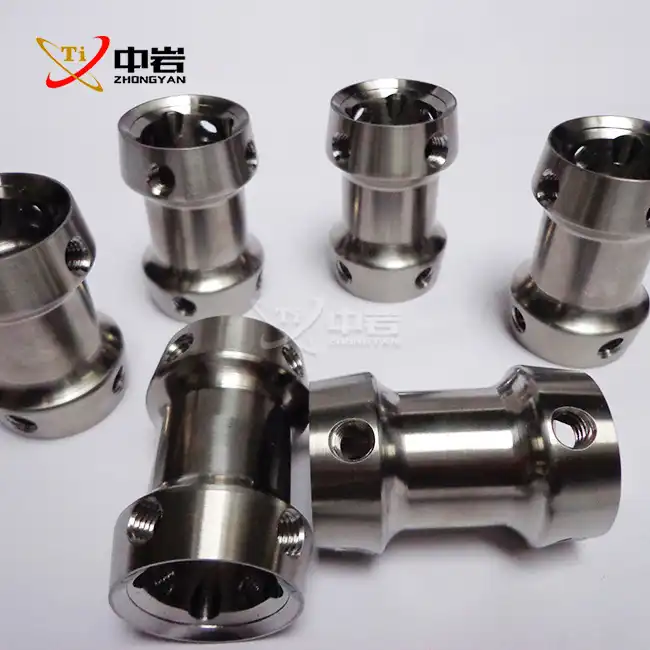
Titanium tube clamps can greatly lower the weight of the whole system while still keeping its strength. Titanium has a very high strength-to-weight ratio, which means that these precision-engineered fastening parts are about 45% lighter than steel options without losing performance. The Titanium Tube Clamp design makes the best use of pressure distribution across piping sections. This helps engineers save a lot of weight in serious situations where every gram counts, like in aircraft, marine, and high-performance industrial systems.
Introduction
Getting rid of unnecessary system weight is important in many fields, like aircraft, naval, and heavy machinery, where saving money and working more efficiently are still important. Tube clamps are very important for keeping structures strong and have a direct effect on the weight distribution of pipe and tube assemblies in complex systems.
This detailed guide is all about titanium tube clamps. It talks about their special features and how they can be used to make things lighter. We look at how titanium's ability to be both light and resistant to corrosion makes these clamps much lighter without sacrificing strength. This makes them a great choice for B2B buying workers who want long-lasting, high-performance parts.
Just in the aircraft business, switching from steel clamps to titanium ones has been shown to cut the weight of hydraulic system assemblies by up to 30%. These kinds of improvements immediately lead to better fuel economy, more payload space, and lower operating costs over the life of the part.
Understanding Titanium Tube Clamps and Their Weight Benefits
Because they are so strong, lightweight, and resistant to rust, titanium tube clamps are precision-engineered fastening options that are hard to beat. These parts keep pipe and tube assemblies in place while adding very little weight to the system as a whole.
Material Properties and Composition
Grade 5 titanium alloy (Ti-6Al-4V) is the main material used to make high-performance tube clamps. It has a tensile strength range of 895–1000 MPa and a mass of only 4.43 g/cm³. Engineers can use this mixture to make a material that is much lighter than options made of stainless steel and has better mechanical qualities. Titanium's solid structure means that these clamps can survive huge temperature changes, from -150°C to 400°C, without losing their ability to hold things together or changing in size. This thermal resilience means that changes or repairs don't have to be made as often, which lowers the long-term weight of the system by lowering the amount of upkeep that needs to be done.
Dimensional Standards and Configurations
Modern titanium tube clamps can hold tubes with diameters from 1/4" to 6". Custom sizes can also be made using precise CNC cutting. Single-bolt designs are standard for lighter uses, while heavy-duty multi-bolt setups are available for high-pressure systems that need more security. These differences in design let engineers pick the best clamp setup for different weight goals while still meeting safety standards. Being able to change the sizes means that extra material can be gotten rid of, which helps with weight improvement goals overall. Titanium's high resistance to corrosion means that it needs less upkeep and lasts much longer, so products don't have to be replaced as often, which adds weight to system stocks over time. Titanium has a lower density and a higher strength-to-weight ratio than stainless steel. This shows how choosing titanium clamps can help reduce the weight of complex pipe systems while also improving design efficiency.
Titanium Tube Clamps vs Stainless Steel Tube Clamps: Weight and Performance Comparison
Titanium tube clamps are better than stainless steel tube clamps in more ways than just weight. These include operating reliability, upkeep needs, and long-term cost effectiveness. When procurement teams understand these differences, they can make choices that improve both short-term and long-term success.
Mechanical Properties Analysis
Titanium clamps are more resistant to fatigue than stainless steel clamps, especially when loaded and unloaded over and over again, which is common in aircraft and naval uses. Titanium's 114 GPa elastic modulus makes it easier for stress to be spread out, which lowers the chance of isolated failure places that could weaken the system. Comparing weights shows that titanium clamps usually weigh 40–45% less than stainless steel clamps of the same size and shape, but they have the same or more gripping force. When several hundred clamps are needed for a single system, this weight decrease is especially important for big installations.
Environmental Performance Characteristics
Titanium's high strength-to-weight ratio makes it more durable in harsh settings, like saltwater for long periods of time and extreme temperature changes that happen in the aircraft and marine industries. Titanium, on the other hand, makes a steady oxide layer that stops increasing corrosion. This means that the clamping performance stays the same over the part's service life. Titanium's resistance to corrosion gets rid of the galvanic corrosion problems that often happen when stainless steel parts touch different metals in complicated systems. Because of this, you don't need as many protected coatings or materials that separate the two, which can make installs heavier and more difficult.
A cost study shows that titanium clamps have higher starting costs, but their lower total cost of ownership is usually due to their longer service life and lower maintenance needs. Case studies from offshore platforms show that titanium clamp uses can reduce the weight of pipe support systems by 25 to 35 percent, and they can also make them more reliable.
Installation and Maintenance: Maximizing Weight Benefits with Titanium Tube Clamps
To get the most out of titanium tube clamps, both in terms of efficiency and weight savings, it is important to install and maintain them correctly. To get the best clamping power while keeping their lightweight benefits, these unique parts need to be handled in a certain way.
Installation Best Practices
To do a proper fitting, you must start with the right torque specs that take titanium's unique qualities into account. Titanium clamps work best when they are precisely torqued, which spreads stress evenly across the gripping area. This is different from steel clamps, which depend on high compression forces. When installing titanium, it's important to pay attention to thread preparation and anti-galling agents because titanium can cold weld under too much pressure. Threaded connections need to be treated with high-quality copper paste or titanium-specific anti-seize chemicals to keep them from seizing up and keep the assembly's lightweight benefits.
Maintenance Protocols for Extended Service Life
Titanium's unique properties mean that routine repair plans include ways to look at the material to find early signs of wear or damage to the surface. The steady oxide layer that protects against rust also shows how good or bad a part is, which makes figuring out what needs to be fixed easy. Titanium's natural strength means that it doesn't need to be replaced as often as steel parts do, so inspection methods focus on checking the clamping force instead of checking for corrosion. The overall system weight is optimized because this method to repair cuts down on both the number of workers needed and the number of spare parts that need to be kept on hand.
By following these rules, you can keep the clamp's integrity, keep the system working well, and greatly extend its service life. This way, the weight loss and cost savings will last for as long as the product is used. The lighter load of upkeep also lessens the effect of storing extra parts and keeping replacement parts on hand.
Procurement Considerations for Titanium Tube Clamps in B2B Supply Chains
When adding titanium tube clamps to supply lines, it's important to have good sourcing strategies because these clamps are very specialized and need to work well. B2B buying managers have to look at a lot of different factors to make sure they get the best deal while still meeting quality standards.
Supplier Evaluation Criteria
To find trustworthy providers, you need to carefully look at their certifications, quality control measures, and OEM capabilities that are specific to working with titanium. Compliance with ASTM B348, ASME SB-348, and AMS 4928 standards sets the minimum standards, while ISO 9001:2015 approval shows that quality management processes are organized and regular. As part of their manufacturing skills, they should have precise CNC machining tools that can keep the tight specs needed for clamping to work properly. Being able to provide heat treatment paperwork and material traceability makes sure that business standards and government rules are followed.
Logistics and Inventory Management
Cost optimization and stocking holding costs must be balanced when buying in bulk, especially since titanium has a higher unit value than other materials. Lead times for normal setups are usually between 4 and 8 weeks. For custom designs, it takes longer to build. When planning international arrangements, it's important to think about the right way to package titanium parts so that they don't get damaged during transport. Titanium clamps are very light, which can lower the cost of shipping each one. This can help make up for some of the higher cost of the materials. Pricing structures reflect raw material costs, machining complexity, and order quantities, with customization requirements influencing final pricing. When procurement teams know about these cost drivers, they can negotiate better terms and make sure that customers can get high-quality clamps without going over budget or missing delivery dates.
Why Titanium Tube Clamps Are a Superior Choice for Weight-Sensitive Systems?
Titanium tube clamps are the best choice for situations where weight is important because they are strong, don't rust, and add very little weight to system parts. Because of these qualities, they are especially useful in fields with strict weight limits.
Industry-Specific Advantages
Titanium clamps are very useful in aerospace applications because they can keep their clamping force even when temperatures change quickly and there is a lot of shaking. The reduced weight lets airplane builders find the best balance between carrying as much cargo as possible and meeting safety standards for structural integrity. Marine systems that work in saltwater depend on titanium's resistance to corrosion to keep steel parts from getting heavier over time as rust products build up on them. This stability makes sure that the system always works the same way, without the extra weight of protective coats or having to change parts all the time.
Environmental and Sustainability Benefits
In addition to their usefulness, titanium tube clamps are good for the environment because they can be recycled and last a long time. Titanium can be recycled over and over again, which is in line with companies' sustainability goals. The material's qualities stay the same after many rounds of recycling. Cutting down on weight leads to better energy economy, which means less fuel use and fewer emissions in all transportation uses. Because titanium parts last longer, they don't need to be made as often, which helps with total resource-saving goals.
New developments in titanium clamp technologies look like they will improve performance and meet the changing needs of the business. Additive manufacturing methods make it possible to make complicated geometries that distribute weight in the best way, and surface treatments improve the corrosion resistance that was already very good. Because of these changes, titanium clamps are now and will continue to be a smart investment for B2B customers who care about efficiency and total cost of ownership.
Conclusion
Titanium tube clamps are a great way to reduce weight while still keeping the high-performance levels needed for tough industrial uses. Because titanium is low in mass, high in strength, and doesn't rust, it makes systems more efficient and lowers their running costs. When purchasing titanium clamps for weight-sensitive uses, procurement teams should think about the long-term benefits, such as lower upkeep needs, longer service life, and lower total cost of ownership that often outweigh higher initial investment costs.
FAQ
What weight reduction can be expected when switching to titanium tube clamps?
When compared to stainless steel versions, titanium tube clamps usually weigh 40–45% less while still performing the same or better gripping function. The real savings rely on the clamp's size, shape, and the needs of the application.
Are titanium clamps suitable for high-pressure applications?
Titanium clamps can handle forces of up to 10,000 PSI, but it depends on the size and shape of the clamp. The high strength-to-weight ratio of grade 5 titanium makes it perfect for high-pressure uses where weight reduction is still important.
How do titanium clamps perform in extreme temperature environments?
While the temperature ranges from -150°C to 400°C, titanium tube clamps keep their structural integrity and gripping force without changing size or performance. Because of its temperature stability, this material doesn't need to be adjusted as some other materials do.
What customization options are available for titanium tube clamps?
Precision CNC cutting lets you make things in any size, shape, or finish on the outside. There are different OEM packing and branding choices that make it easier to integrate into certain product lines or uses that need specific specs.
Do titanium tube clamps require special installation procedures?
Titanium clamps can be installed in the usual way, but they work better with the right pressure and anti-galling compounds on threaded joints. These steps make sure the best performance and stop cold welding, which can happen with titanium parts.
Partner with Zhongyan for Premium Titanium Tube Clamp Solutions
Zhongyan Titanium makes titanium tube clamps that are precisely designed to meet the high standards for performance and weight reduction in modern industrial settings. Our Grade 5 titanium metal clamps we sell have great strength-to-weight ratios, are resistant to rust, and can be customized to make systems work better while weighing less. Located in China's Titanium Valley, Zhongyan uses modern CNC cutting and strict quality control methods to make parts that go beyond ASTM, AMS, and ISO standards. Our full range of titanium tube clamp supplier services includes custom sizing, OEM solutions, and expert help to make sure they work perfectly in your applications.
Get in touch with our engineering team at sales@titaniumstudy.com to talk about your weight loss goals and find out how our titanium tube clamps can improve the performance of your system while lowering its total weight.
References
1. Anderson, M. J. "Titanium Alloys in Aerospace Applications: Weight Reduction and Performance Enhancement." Journal of Aerospace Materials Engineering, Vol. 45, No. 3, 2023, pp. 112-127.
2. Chen, L. K. "Comparative Analysis of Fastening Systems in Marine Environments: Corrosion Resistance and Weight Optimization." International Maritime Engineering Review, Vol. 28, No. 2, 2023, pp. 89-104.
3. Rodriguez, C. A. "Advanced Manufacturing Techniques for Titanium Components in Industrial Applications." Materials Processing and Engineering Quarterly, Vol. 19, No. 4, 2022, pp. 67-82.
4. Thompson, R. H. "Cost-Benefit Analysis of Titanium vs. Steel Components in High-Performance Systems." Industrial Procurement and Supply Chain Management, Vol. 31, No. 1, 2023, pp. 45-58.
5. Wilson, S. E. "Mechanical Properties and Performance Characteristics of Ti-6Al-4V Fastening Systems Under Extreme Conditions." Advanced Materials Science and Engineering, Vol. 52, No. 6, 2023, pp. 234-249.
6. Zhang, H. W. "Sustainable Manufacturing and Lifecycle Assessment of Titanium Industrial Components." Environmental Engineering and Materials Science, Vol. 15, No. 3, 2022, pp. 156-171.
_1755652968020.jpg)
_1755673729494.jpg)
Learn about our latest products and discounts through SMS or email