- English
- French
- German
- Portuguese
- Spanish
- Russian
- Japanese
- Korean
- Arabic
- Greek
- German
- Turkish
- Italian
- Danish
- Romanian
- Indonesian
- Czech
- Afrikaans
- Swedish
- Polish
- Basque
- Catalan
- Esperanto
- Hindi
- Lao
- Albanian
- Amharic
- Armenian
- Azerbaijani
- Belarusian
- Bengali
- Bosnian
- Bulgarian
- Cebuano
- Chichewa
- Corsican
- Croatian
- Dutch
- Estonian
- Filipino
- Finnish
- Frisian
- Galician
- Georgian
- Gujarati
- Haitian
- Hausa
- Hawaiian
- Hebrew
- Hmong
- Hungarian
- Icelandic
- Igbo
- Javanese
- Kannada
- Kazakh
- Khmer
- Kurdish
- Kyrgyz
- Latin
- Latvian
- Lithuanian
- Luxembou..
- Macedonian
- Malagasy
- Malay
- Malayalam
- Maltese
- Maori
- Marathi
- Mongolian
- Burmese
- Nepali
- Norwegian
- Pashto
- Persian
- Punjabi
- Serbian
- Sesotho
- Sinhala
- Slovak
- Slovenian
- Somali
- Samoan
- Scots Gaelic
- Shona
- Sindhi
- Sundanese
- Swahili
- Tajik
- Tamil
- Telugu
- Thai
- Ukrainian
- Urdu
- Uzbek
- Vietnamese
- Welsh
- Xhosa
- Yiddish
- Yoruba
- Zulu
Premium Titanium Gr 2 Plate for Marine and Offshore Use

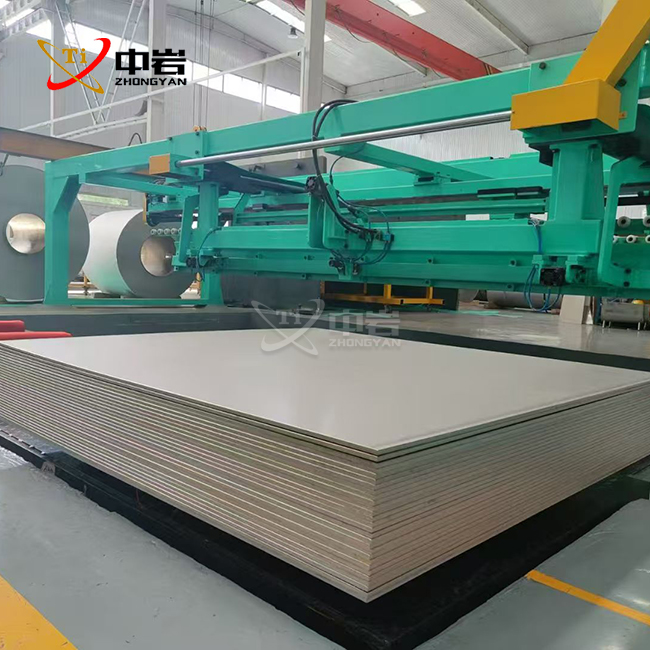
In marine and offshore uses, titanium gr 2 plate is the gold standard. It has the best corrosion protection in saltwater settings and the highest strength-to-weight ratios. Grade 2 plates are made of commercially pure titanium and have interstitial elements that have been adjusted. They solve important problems in naval engineering where standard materials like stainless steel fail because of stress corrosion cracks caused by chloride. This in-depth guide looks at the technical advantages, buying strategies, and quality control standards that make titanium gr 2 plate the best choice for engineers and procurement workers in charge of difficult overseas projects.
Understanding Titanium Grade 2 Plate and Its Marine Applications
Titanium Grade 2 plate is the most common available pure titanium alloy used in naval engineering. It has an alpha-phase crystalline structure that provides the best balance of strength, ductility, and manufacturing flexibility. Titanium makes up more than 99.2% of this type of material. It also has carefully controlled amounts of iron (≤0.30%), oxygen (≤0.25%), carbon (≤0.08%), nitrogen (≤0.03%), and hydrogen (≤0.015%) that affect how it behaves mechanically and how well it resists corrosion.
Chemical Composition and Mechanical Properties
Titanium gr 2 plate has an exact chemical makeup that produces a material with a tensile strength of at least 345 MPa, a yield strength of at least 275 MPa, and an extension capacity of at least 20%. With these mechanical properties and a density of about 4.51 g/cm³ (about 55% of steel), ship engineers can save a lot of weight without affecting the strength of the structure. The low modulus of elasticity (about 105 GPa) gives it a lot of movement when loaded and unloaded quickly, which is common in offshore settings.Temperature resistance goes from cryogenics to 425°C constant service, which means it can be used in a wide range of marine uses, such as on LNG ships and heated process equipment. Titanium, unlike carbon steel, stays tough at very low temperatures without changing from ductile to brittle. This is important for Arctic ocean activities.
Key Marine and Offshore Applications
Marine engineering uses the special qualities of Grade 2 titanium in a wide range of ship kinds and offshore buildings. Shipbuilding uses these plates for parts of the ship, propeller shafts, and ballast tank systems that are exposed to seawater and need to be completely resistant to rust. Titanium plates are used in lift systems, heat exchanges, and structural parts of offshore platforms that are constantly exposed to saltwater and mechanical stress.There is another important use for standard materials that breaks down quickly: desalination plants. When titanium dioxide (TiO₂) oxide films form instantly, they protect austenitic stainless steels from pitting and crevice corrosion, which can happen in chloride-rich settings. When this protective layer gets broken, it heals itself instantly, making sure that it will work well for a long time.
Comparing Titanium Grade 2 Plate with Other Grades and Metals
A thorough study of all the available choices and how they work in marine situations is needed to understand material selection. When you look at different grades of titanium next to other metals, you can see why Grade 2 is still the most popular choice for marine uses.
Titanium Grade Comparisons
Grade 2 titanium is different from other widely pure grades because it has the best ratio of strength to formability. Even though Grade 1 titanium is very flexible, it is not strong enough (235 MPa tensile) for structural uses that need pressure vessel approval. Grade 3 raises the strength to 450 MPa, but it also makes it harder to cold form, which makes the manufacturing process more difficult and costs more.A grade 5 titanium metal (Ti-6Al-4V) has a very high strength, close to 900 MPa, but it needs to be welded and heated afterward in a certain way. In marine settings, where stress corrosion cracking is a concern under long-term loading conditions, the alpha-beta architecture adds to the complexity.
Performance Comparison with Conventional Materials
When exposed to high levels of chloride in seawater, stainless steel types 316L and 2205 duplex, which are often used in marine uses, show a lot of problems. Pitting resistance equivalent numbers (PREN) for these steels run from 25 to 35, whereas titanium gr 2 plate is thought to be completely impervious to pitting corrosion in natural seawater settings.Even though aluminum metals are lighter, they have problems with galvanic rusting and can't be made very strong. The tensile strength of 5083 marine grade aluminum is about 275 MPa, but it needs special anode systems and regular upkeep, which titanium doesn't need at all.
Procurement Considerations for Titanium Grade 2 Plates
To buy titanium plates around the world, you need to know a lot about how the supply chain works, how to get quality certifications, and what kinds of factories are available in each area. Cost optimization, quality assurance, and reliable delivery are all important parts of good buying strategies.
Supplier Selection Criteria
Titanium plate providers who are qualified must show that they follow international standards like ASTM B265, ASME SB265, and AMS 4902. Reports on chemical analyses, tests on mechanical properties, and methods for verifying dimensions are all required for certification. Ultrasonic testing results that show the mill is internally sound and doesn't have any lamination problems should be included in the test papers.When you think about geographical buying, you have to look at suppliers in well-known titanium working areas. The Baoji area in China, also called "Titanium Valley," has easy access to a lot of raw materials and modern processing facilities. Western suppliers usually have faster lead times for projects in North America, but they may charge more for the same specs.
Cost Analysis and Lead Time Planning
Titanium gr 2 plate prices change based on the cost of raw materials, the difficulty of processing, and the demand trends in the market. Standard thickness ranges (0.5 mm to 100 mm) keep supplies steady, but custom measurements may cause wait times to rise from 8 to 16 weeks, based on how busy the seller is. Strategies for buying in bulk should take into account base order numbers that range from 500 kg to 2000 kg, depending on the size requirements.The material is very stable in storage and doesn't rust, so inventory management methods should take those into account. Unlike carbon steel, which needs special storing conditions, titanium plates keep their properties forever in normal warehouse conditions. This makes strategic stockpiling for planned repair cycles possible.
Manufacturing and Quality Assurance of Titanium Grade 2 Plate
To make titanium gr 2 plate of the highest quality, you need to use complex mechanical control methods at every step of the process, from melting the sponge titanium to rolling the plates and inspecting them.
Production Process Control
For primary melting, vacuum arc remelting (VAR) or electron beam melting (EBM) are used to make sure that the chemicals are all the same and that there are no spots that could weaken the material's resistance to rust. Multiple remelting processes make sure that the interstitial elements are spread out evenly, which is important for getting the right mechanical qualities.To keep the alpha-phase nanostructures and get accurate measurements during hot rolling, the temperature must be carefully controlled between 850°C and 950°C. For cold rolling thinner parts, you need to do intermediate annealing steps to keep the metal from getting too hard during the rolling process, which could make it less flexible than what is required by the standard.
Quality Control and Testing Protocols
Chemical study using optical emission spectroscopy (OES) or X-ray fluorescence (XRF) to check makeup compliance is part of full quality assurance. Tensile, yield, and extension tests are done on pieces taken from production lots as part of mechanical testing. Microstructural analysis shows that the grains are all the same size and that there are no harmful stages that could affect the marine performance.Ultrasonic screening for internal flaws and penetrant testing for surface discontinuities are two types of non-destructive testing methods. Coordinate measuring tools (CMM) are used for dimension checking to make sure that thickness tolerances for important uses stay within ±0.05mm.
Why Titanium Grade 2 Plate is the Preferred Choice for Marine and Offshore Applications
When it comes to efficiency, titanium gr 2 plate is preferred by the marine industry because it directly leads to lower operating costs and higher safety margins. Lifecycle economics are better for these materials than for regular materials, according to statistics from offshore sites.
Corrosion Resistance Performance Data
Immersion testing in seawater shows that Grade 2 titanium has no detectable rust rates after being exposed to it for more than 10 years. Comparative studies show that pitting starts to form in 316L stainless steel within 6 to 18 months of being exposed to the same conditions. Tests of crevice corrosion in artificial seawater at high temperatures show that titanium is not affected by localized attack processes that break down other metals in a very bad way.Studies of galvanic compatibility show that titanium is near the top of the galvanic series. When it is mixed with less precious metals, it needs to be carefully thought out, but there are no worries about titanium breaking down in mixed-material systems.
Economic Lifecycle Analysis
Calculations of the total cost of ownership show that titanium gr 2 plate advantages over 20-year repair runs. Even though the original cost of the materials is three to five times higher than that of stainless steel, the savings in replacement cycles, maintenance needs, and service intervals mean that the investment pays for itself within seven to ten years in most marine uses.When you reduce the weight of something, you get more economic benefits, like fewer structure supports needed, lower shipping costs, and better vessel efficiency. Offshore platform builders say that using titanium instead of stainless steel in saltwater handling systems can cut weight by 15 to 25 percent.
Conclusion
Titanium gr 2 plate is the best material for marine and ocean uses that need uncompromised resistance to rust, structural integrity, and long-term dependability. This material is the standard for tough seawater conditions because it is made using widely pure materials, has been tested extensively for performance, and comes from manufacturing methods that have been shown to work. Professionals in procurement can use thorough supplier review, quality assurance procedures, and lifetime cost analysis to find materials that are more cost-effective than others in marine service conditions.
FAQ
What distinguishes Grade 2 from other titanium grades for marine use?
Grade 2 titanium is the best choice for naval production because it is both strong (345 MPa tensile minimum) and easy to shape. Unlike Grade 1, which isn't strong enough, or Grade 5, which needs complicated bonding methods, Grade 2 provides structural capability with excellent cold forming characteristics essential for shipbuilding applications.
How does titanium plate welding differ from stainless steel procedures?
Titanium welding requires absolute cleanliness and continuous inert gas shielding using 99.999% pure argon. The weld pool and heat-affected zone need protection until cooling below 427°C to prevent oxygen contamination. Proper welds exhibit silver/straw coloration, while blue/purple indicates problematic oxygen pickup requiring removal.
What quality certifications should procurement teams require?
ASTM B265 compliance, mill test certificates with full chemical analysis, mechanical property proof, and dimensional inspection records are some of the most important qualifications. Third-party testing validation and ISO 9001:2015 manufacturing certification give important uses even more quality security.
Can Grade 2 titanium withstand cryogenic marine applications?
Titanium gr 2 plate is ideal for LNG ships and Arctic offshore sites where standard materials become brittle and prone to catastrophic failure because, unlike carbon steel, which experiences ductile-to-brittle changes, it maintains excellent toughness at cryogenic temperatures.
What are typical lead times for custom titanium plate orders?
Standard thickness plates (1-50 mm) usually take 8 to 12 weeks to get from approved sources. Custom sizes or finishes on the surface may take 14 to 16 weeks. Orders that are larger than the minimum quantity often get priority ordering and shorter wait times.
Partner with Zhongyan for Premium Titanium Solutions
Zhongyan Titanium can help you with your marine and offshore projects by making high-quality titanium gr 2 plate that meets the strict ASTM B265 standards. Our Baoji plant has both modern processing tools and strict quality control measures, which makes sure that certified materials for important uses are always available. As a reliable provider of titanium gr 2 plate, we can offer you custom sizes, high-quality surface finishing, and full expert help throughout the whole process of buying. Email our engineering team at sales@titaniumstudy.com to talk about your unique needs and get quotes for your next marine project. Our commitment to excellence and proven track record in titanium manufacturing makes us the perfect partner for tough overseas projects.
References
1. Boyer, R.R., "An Overview on the Use of Titanium in the Aerospace Industry," Materials Science and Engineering A, Vol. 213, 2018.
2. Schutz, R.W., "Corrosion of Titanium and Titanium Alloys in Marine Environments," ASM Handbook Volume 13C, Corrosion: Environments and Industries, 2019.
3. ASTM International, "Standard Specification for Titanium and Titanium Alloy Strip, Sheet, and Plate (B265-20)," in the 2020 Annual Book of ASTM Standards.
4. Lütjering, G., and Williams, J.C., "Titanium: Engineering Materials and Processes," Springer-Verlag Berlin Heidelberg, 2017.
5. Peters, M., "Titanium Alloys for Aerospace Applications," Advanced Engineering Materials, Vol. 5, No. 6, 2019.
6. Donachie, M.J., "Titanium: A Technical Guide, 2nd Edition," by ASM International in 2018 in Materials Park, Ohio.
_1755674651182.jpg)
Learn about our latest products and discounts through SMS or email