- English
- French
- German
- Portuguese
- Spanish
- Russian
- Japanese
- Korean
- Arabic
- Greek
- German
- Turkish
- Italian
- Danish
- Romanian
- Indonesian
- Czech
- Afrikaans
- Swedish
- Polish
- Basque
- Catalan
- Esperanto
- Hindi
- Lao
- Albanian
- Amharic
- Armenian
- Azerbaijani
- Belarusian
- Bengali
- Bosnian
- Bulgarian
- Cebuano
- Chichewa
- Corsican
- Croatian
- Dutch
- Estonian
- Filipino
- Finnish
- Frisian
- Galician
- Georgian
- Gujarati
- Haitian
- Hausa
- Hawaiian
- Hebrew
- Hmong
- Hungarian
- Icelandic
- Igbo
- Javanese
- Kannada
- Kazakh
- Khmer
- Kurdish
- Kyrgyz
- Latin
- Latvian
- Lithuanian
- Luxembou..
- Macedonian
- Malagasy
- Malay
- Malayalam
- Maltese
- Maori
- Marathi
- Mongolian
- Burmese
- Nepali
- Norwegian
- Pashto
- Persian
- Punjabi
- Serbian
- Sesotho
- Sinhala
- Slovak
- Slovenian
- Somali
- Samoan
- Scots Gaelic
- Shona
- Sindhi
- Sundanese
- Swahili
- Tajik
- Tamil
- Telugu
- Thai
- Ukrainian
- Urdu
- Uzbek
- Vietnamese
- Welsh
- Xhosa
- Yiddish
- Yoruba
- Zulu
Buy Titanium Block: Key Factors to Consider Before Ordering
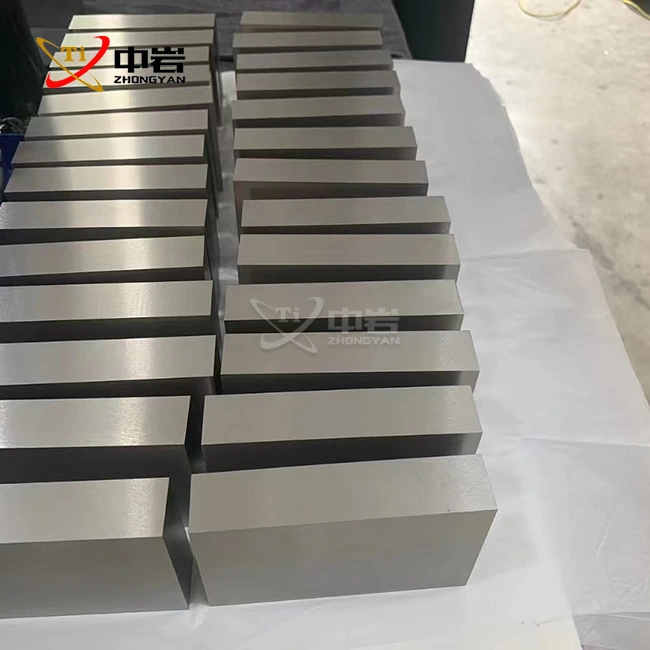
It's important to know the important factors that affect quality, performance, and cost-effectiveness when you're thinking about buying a titanium block for your industrial project. For aerospace parts, medical devices, and industry uses where the purity of the material can't be compromised, these high-performance materials are the building blocks. If you properly evaluate a supplier's skills, the details of their materials, and their approval standards, you can be sure that your investment will get the best results while also meeting strict industry standards and project deadlines.
Understanding Titanium Blocks: Essential Properties and Uses
What Makes Titanium Blocks Unique
Titanium blocks are high-quality raw materials that are designed to work in places where regular metals don't do well enough. These solid, rectangular pieces of titanium metal have a great strength-to-weight ratio and are also very resistant to rust and biocompatible. The specs for the Grade 5 titanium block clearly show these benefits. They have a density of 4.43 g/cm³, which gives them a tensile strength of more than 950 MPa and makes them easy to machine for precision parts. Titanium metals are resistant to stress corrosion cracking and fatigue failure, which usually happen with steel and aluminum options. This is because of their unique crystalline structure. This microstructural stability is especially useful in places where materials are exposed to saltwater, processed chemically, or loaded and unloaded many times, because failure in these areas could cause serious safety and financial problems.
Common Titanium Grades and Their Applications
Knowing the differences between titanium types and the best ways to use each one is a big part of choosing the right material. Grade 2 titanium is great for making shapes and welding, so it can be used in chemical processing equipment and naval settings where resistance to rust is more important than strength. Grade 5 (Ti-6Al-4V), on the other hand, has better mechanical qualities thanks to the addition of aluminum and vanadium. It has the high strength needed for medical implants and structural parts in spacecraft. These differences in grade affect not only the mechanical qualities, but also how the material is machined and how it reacts to heat treatment. Grade 5 titanium blocks can be sent to you either annealed or solution-treated. Each state has different amounts of hardness and machinability to help you make the most of your manufacturing process.
Key Physical Properties Influencing Material Selection
Titanium block properties have a direct bearing on their usefulness for particular uses and manufacturing methods. Density measures of 4.43 g/cm³ for Grade 5 alloys make them much lighter than steel alternatives while keeping the same amount of strength. In aerospace uses, where every gram counts when it comes to fuel economy and payload capability, this weight loss is very important. Thermal qualities are also very important when choosing materials and making decisions about how to handle them. Titanium is hard to machine because it doesn't conduct heat well and melts at a high temperature. It needs special tools and cutting techniques. Knowing these traits helps purchasing teams figure out what suppliers can do and whether it's possible to make complicated parts.
How Titanium Blocks Are Manufactured and Machined
Production Methods and Quality Impact
The steps used to make titanium blocks have a big effect on their final qualities and dependability. Controlled deformation, breaking down cast structures, and matching grain flow for better mechanical properties are some of the ways that forging methods make better microstructures. Forged ASTM B381 blocks have smaller grains and better fatigue strength than cast options. This makes them necessary for uses where safety is paramount. Vacuum Arc Remelting (VAR) and Electron Beam Cold Hearth Melting (EBCHM) are modern melting methods that get rid of flaws and make sure the material is chemically uniform throughout. These steps fix problems with segregation and porosity that can make parts less reliable in tough working conditions.
Machining Challenges and Solutions
It's hard to machine titanium because it has special properties that need special tools and understanding to work well. Because the material tends to work-harden while being cut, cutting speeds, feed rates, and tool shape must be carefully managed to avoid premature tool failure and damage to the surface. To control the production of heat and keep the accuracy of measurements, effective cooling methods are needed. Choosing the right tools is a very important part of cutting titanium well. When used correctly, carbide tools with the right finishes and shapes can last a lot longer. When removing material, sharp cutting edges and positive rake angles help keep cutting forces and heat to a minimum.
Quality Standards and Certifications
Tough quality control measures make sure that titanium blocks meet the high standards needed for their intended use. Getting ISO 9001 certification shows that a seller is dedicated to consistent quality management systems and methods for ongoing growth. More aerospace certifications, such as AS9100, show that a product has specific skills for use in defense and flight uses, where tracking materials and keeping records are very important. Ultrasonic testing for internal flaws is a non-destructive way to check the quality of the material throughout the block volume. This way of testing can find cracks below the surface that could affect how well a part works when it's under heavy loads, so that only materials that are free of flaws get to important uses.
Comparing Titanium Blocks with Alternative Materials and Forms
Titanium vs. Aluminum and Stainless Steel
When you compare different types of materials, you can see why titanium blocks command premium pricing even though they are better in many situations. Aluminum is cheaper and has a lower density, but it isn't very strong and can rust when it comes to galvanic rusting, so it can't be used in harsh settings. Titanium is significantly stronger than aluminum in terms of its weight-to-strength ratio, and it has almost endless corrosion protection in marine and chemical processing uses. Stainless steel options are better at resisting rust and cost less, but they are heavier and more likely to crack from stress corrosion caused by chloride. These types of failure are no longer possible with the titanium block, which also makes the parts about 40% lighter than similar steel parts. This means that the system works better and costs less to run.
Block Forms vs. Sheets and Rods
Choosing the right titanium product form relies on how it will be made and how well the material will be used. Titanium blocks are helpful when cutting complicated three-dimensional shapes that need a lot of material removed from several directions. The square shape makes it easy to hold the workpiece steady and arrange the materials efficiently for CNC cutting.Rod and bar stock is good for uses that need rotational symmetry or simple shapes, where waste of material can be kept to a minimum. Sheet goods are great for making shaped parts or for uses that need a lot of surface area with little thickness. Knowing about these benefits of form factors helps keep material costs low and production times short.
Grade Selection for Specialized Applications
By choosing the right type for the job, you can get the best results while keeping costs down. Grade 2 titanium is very easy to shape, which makes it perfect for parts that need to be shaped in complicated ways or bonded together. It may not be very strong, but it might work well in situations where resistance to rust is more important than mechanical qualities. Grade 5 titanium has the mechanical qualities needed for high-stress uses in the aircraft and medical device industries. The alloying parts of aluminum and vanadium allow for precipitation hardening, which lets heat treatment create unique property combos. Because of this, Grade 5 blocks can be used in a wider range of tough situations.
Key Procurement Considerations When Buying Titanium Blocks
Supplier Evaluation and Certification Verification
Getting a titanium block for a project starts with carefully evaluating suppliers to make sure their skills match the needs of the project. Verification of certification makes sure that the product meets industry standards like ASTM B381, AMS requirements, and ISO quality systems. With these certifications, you can be sure that the products will work as expected and meet all safety standards for the entire time they are in use. Delivery times and prices are affected by where the supplier is located and how well they can handle logistics, especially for big or heavy blocks. Chinese companies in the Baoji region are close to sources of raw materials and already have the infrastructure they need to handle titanium. This means they may be able to offer affordable prices while still meeting quality standards thanks to their advanced manufacturing skills.
Pricing Structures and Order Quantities
Titanium block pricing reflects how much the materials cost, how hard they are to process, and how the market changes based on supply and demand. Because working with titanium is so specialized and economies of scale are needed for cost-effective production, there are often minimum order amounts. Knowing about these limitations helps buyers come up with buying plans that balance the costs of keeping goods with the benefits of buying in bulk. Custom size and precision cutting services add value by cutting down on waste and machining time, but they might also raise the cost per unit. A more true way to compare suppliers and service choices is to look at the total cost of ownership, which includes how well materials are used and how much time is saved on processing.
Customization Options and Value-Added Services
Today's titanium providers offer a wide range of customization options that can greatly lower the amount of processing that needs to be done later. Surface pickling gets rid of rust layers and makes the surface smooth so it can be machined or processed further. By chamfering the edges, stress clusters are removed, working safety is improved, and the need for extra work is cut down. Specialized packing and safety steps keep things in good shape while they are being moved and stored. If you package things correctly, you can keep the surfaces from getting damaged or contaminated, which could lower the quality of the end product or need more processing steps. These extra services show that the provider cares about the success of the customer and providing a complete answer.
How to Make an Informed Purchase Decision for Titanium Blocks
Defining Project Requirements and Specifications
To successfully buy titanium, you need to be very clear about the technical standards, such as the tolerances for sizes, the mechanical qualities, and the surface finish. To make sure that everyone in the supply chain is following the rules, material test records and certifications must match the project standards and government rules. Knowing these standards makes it easier to compare quotes and evaluate suppliers. In addition to the original cost of the materials, processing, shipping, and possible inventory holding costs must also be taken into account when making a budget. To make sure the project stays on plan, lead time standards must take into account the time it takes to process materials, check for quality, and ship them. These things affect how suppliers are chosen and when purchases are made.
Partnership Approach with Certified Suppliers
By forming relationships with titanium suppliers with a lot of experience, you can get access to technical know-how and specific skills that will help the project succeed. Established providers like Zhongyan offer a wide range of services, such as help with choosing materials, suggestions for processing, and quality assurance programs that lower the risks of buying and improve results. When suppliers have long-term ties with customers, they can learn about their unique needs and come up with custom solutions that make things run more smoothly and cost less in the long run. Both sides gain from this collaborative method because it improves communication, streamlines processes, and makes everyone more invested in the success of the project.
Evaluation Framework for Supplier Selection
A structured evaluation framework makes sure that suppliers can be compared objectively based on things like quality standards, expert skills, delivery performance, and pricing. Scoring systems that give these factors different weights based on the importance of the project help people make structured decisions and keep records of those choices for buying decisions. Checking references with current customers gives you an idea of how well a company does in real life, such as how quickly they respond to problems, how good their technical help is, and how reliable their deliveries are. This feedback adds to official evaluations by giving useful performance information that affects choices about which suppliers to choose.
Conclusion
When buying titanium blocks, it's important to think about the properties of the material, the quality of the making, and the supplier's skills to make sure the project goes well and you get the best value. When you know the differences between titanium grades, production methods, and quality standards, you can make smart choices that balance cost with performance needs. This article shows an evaluation method that helps procurement workers choose suppliers and products that provide uniform quality, on-time delivery, and expert support throughout the lifecycle of a project.
FAQ
What is the difference between Grade 2 and Grade 5 titanium blocks?
Grade 2 titanium offers excellent corrosion resistance and formability with moderate strength levels, making it suitable for chemical processing and marine applications. Grade 5 (Ti-6Al-4V) provides significantly higher strength through aluminum and vanadium alloying, making it preferred for aerospace and medical applications requiring superior mechanical properties.
How do I verify the quality of titanium blocks before ordering?
Quality verification requires reviewing supplier certifications (ASTM B381, ISO 9001), material test reports showing chemical composition and mechanical properties, and evidence of non-destructive testing such as ultrasonic inspection. Request documentation of quality control processes and traceability systems to ensure consistent material integrity.
What factors affect titanium block pricing?
Pricing depends on material grade, size, quantity, processing requirements, and market conditions. Custom sizing, precision cutting, and specialized surface treatments increase costs but may provide value through reduced downstream processing requirements. Transportation costs and lead times also influence total procurement costs.
What are the typical lead times for titanium block orders?
Lead times vary based on material availability, size requirements, and supplier capacity, typically ranging from 4-12 weeks for standard grades and sizes. Custom specifications and specialized processing may extend lead times. Early engagement with suppliers and accurate demand forecasting helps minimize schedule impacts.
How should titanium blocks be stored and handled?
To store things properly, they need to be kept in clean, dry places that are safe from damage and contamination. To stop galvanic rusting, don't let different metals touch each other. For big blocks, use the right lifting gear and check the areas before machining to make sure quality standards are met.
What certifications should I look for in a titanium supplier?
Some important certificates are ISO 9001 for quality control systems, ASTM B381 for forged products, and AS9100 for aircraft uses. Suppliers of medical devices should be certified by ISO 13485. These certificates show that you are dedicated to quality control and meeting the needs of your business.
Partner with Zhongyan for Premium Titanium Block Solutions
Zhongyan stands as your trusted titanium block supplier, combining decades of expertise with state-of-the-art manufacturing capabilities in China's renowned Titanium Valley. Our Grade 5 titanium blocks, available in sizes from 50×50×50mm with weights ranging from 0.5 to 50kg, meet stringent ASTM B381 and ISO 9001 standards while delivering tensile strength exceeding 950 MPa. Whether you require aerospace-grade components or medical device materials, our ultrasonically tested blocks ensure defect-free quality for your critical applications. Contact us at sales@titaniumstudy.com to discuss your specifications and receive a comprehensive quote tailored to your project requirements.
References
1. Boyer, R.R. "An Overview on the Use of Titanium in the Aerospace Industry." Materials Science and Engineering: A, Vol. 213, 1996.
2. American Society for Testing and Materials. "ASTM B381 - Standard Specification for Titanium and Titanium Alloy Forgings." ASTM International, 2023.
3. Donachie, Matthew J. "Titanium: A Technical Guide, 2nd Edition." ASM International Materials Park, 2000.
4. Peters, M., Kumpfert, J., Ward, C.H., and Leyens, C. "Titanium Alloys for Aerospace Applications." Advanced Engineering Materials, Vol. 5, 2003.
5. International Organization for Standardization. "ISO 5832-3 Implants for Surgery - Metallic Materials - Wrought Titanium 6-Aluminum 4-Vanadium Alloy." ISO Publications, 2021.
6. Aerospace Material Specification. "AMS 4928 - Titanium Alloy, Bars, Wire, Forgings, and Rings." SAE International, 2022.
Learn about our latest products and discounts through SMS or email