- English
- French
- German
- Portuguese
- Spanish
- Russian
- Japanese
- Korean
- Arabic
- Greek
- German
- Turkish
- Italian
- Danish
- Romanian
- Indonesian
- Czech
- Afrikaans
- Swedish
- Polish
- Basque
- Catalan
- Esperanto
- Hindi
- Lao
- Albanian
- Amharic
- Armenian
- Azerbaijani
- Belarusian
- Bengali
- Bosnian
- Bulgarian
- Cebuano
- Chichewa
- Corsican
- Croatian
- Dutch
- Estonian
- Filipino
- Finnish
- Frisian
- Galician
- Georgian
- Gujarati
- Haitian
- Hausa
- Hawaiian
- Hebrew
- Hmong
- Hungarian
- Icelandic
- Igbo
- Javanese
- Kannada
- Kazakh
- Khmer
- Kurdish
- Kyrgyz
- Latin
- Latvian
- Lithuanian
- Luxembou..
- Macedonian
- Malagasy
- Malay
- Malayalam
- Maltese
- Maori
- Marathi
- Mongolian
- Burmese
- Nepali
- Norwegian
- Pashto
- Persian
- Punjabi
- Serbian
- Sesotho
- Sinhala
- Slovak
- Slovenian
- Somali
- Samoan
- Scots Gaelic
- Shona
- Sindhi
- Sundanese
- Swahili
- Tajik
- Tamil
- Telugu
- Thai
- Ukrainian
- Urdu
- Uzbek
- Vietnamese
- Welsh
- Xhosa
- Yiddish
- Yoruba
- Zulu
Precision Custom CNC Stainless Steel Components for OEM Markets

Precision and dependability are key to running a successful OEM business in today's competitive production world. Custom CNC Stainless Steel Components are the best-designed options because they are very accurate and last a long time in a wide range of industry settings. Advanced CNC milling technology and high-quality stainless steel alloys are used to make these specialized parts. The results are parts that go beyond standard specs and meet strict industry standards. At Baoji Zhongyan Titanium Industry Co., Ltd., we know that OEM markets need parts that continuously work in harsh conditions, don't rust, and keep their original shape throughout their operating lifetime. Our carefully designed stainless steel parts meet the exact needs of current industrial uses while still being able to be made in a standard way.
Understanding Custom CNC Stainless Steel Components
Understanding what makes custom-made parts different from normal ones is the key to being a successful OEM manufacturer. Because they are made to order, CNC stainless steel parts go through unique cutting processes that make sure they meet exact size and performance requirements that standard parts just can't match.
Defining Custom CNC Manufacturing for Stainless Steel
Computer Numerical Control (CNC) machining uses controlled industrial processes to turn raw stainless steel into precise parts. CNC technology is different from traditional cutting because it lets makers get tolerances as low as ±0.001 inches while keeping quality the same across production runs. When working with types of stainless steel like 304, 316, and 17-4 PH, each of which has different qualities that make them better for different uses, this level of accuracy is even more important.
Because it can be customized, engineers can choose the exact sizes, colors, and qualities of the material that work best for their needs. Custom components get rid of the flaws that come with standard parts, letting them work at their best in unique settings. This method works really well for aircraft uses that need to cut down on weight, medical devices that need to be biocompatible, and chemical processing equipment that needs to be more resistant to corrosion.
Key Stainless Steel Grades and Their Applications
Choosing the right materials is one of the most important parts of designing a good component. Grade 304 stainless steel is great for general-purpose corrosion protection and formability, which makes it perfect for building materials and tools used in food processing. Because it has an austenitic structure, it is easy to work with and stays strong at high temperatures.
Molybdenum is added to grade 316 stainless steel to make it much more resistant to corrosion, especially in chlorides and coastal settings. This grade works great in offshore uses, making medicines, handling chemicals, and other places where regular stainless steels would break down too soon. The higher cost of the material is justified by the fact that the 316 grade is better at resisting cracking.
Precipitation-hardening grade 17-4 PH has the strength of high-strength carbon steels and the ability to fight rust of stainless steel. With heat treatment, this type can reach hardness levels above 40 HRC while still being resistant to rust. 17-4 PH is often used in aerospace and military applications for parts that need to be strong and resistant to the environment.
Component Categories and Manufacturing Considerations
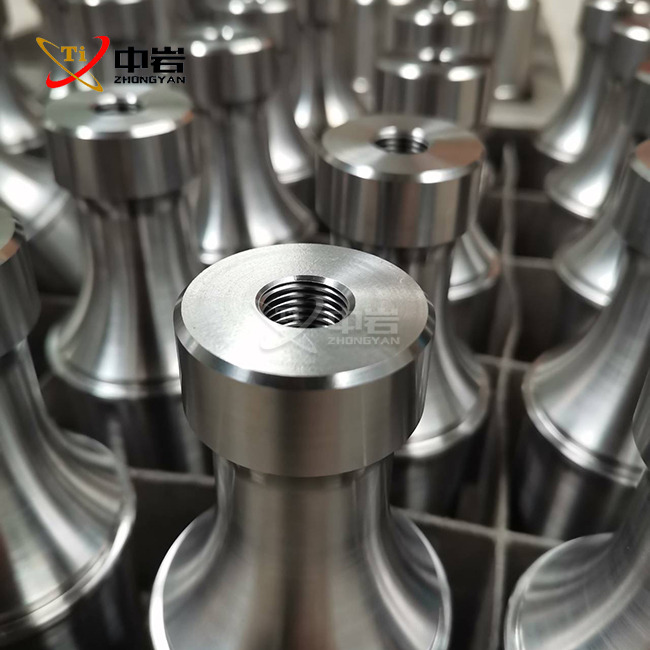
Precision fits are one of the most difficult things that Custom CNC Stainless Steel Components have to do. To make sure they close properly and work properly mechanically, these parts need to be very accurately measured. Thread standards are usually very close, within ±0.0005 inches, which requires very precise cutting and strict quality control.
Structured housings keep delicate electronics safe and provide fixing points and weatherproofing. Custom housings let designers make the best use of space inside, keep weight to a minimum, and add mounting features that would not be possible with standard casings. CNC production is different from casting or fabrication methods because it can make complex internal geometries.
Precision pins and rotating shafts need surfaces that are smooth and stable in their dimensions. These parts often have to work with heavy loads and fast rotations, so they need materials that don't gall and keep their shape when they're under a lot of stress. With custom cutting, unique features like keyways, splines, and precision bearing surfaces can be added.
Comparing Custom CNC Stainless Steel Components with Alternative Materials and Methods
Choosing the right materials has a big effect on how well parts work, how much they cost, and whether they can be made. Knowing the pros and cons of different types of stainless steel CNC parts helps engineers make smart decisions that make their ideas work best for certain uses.
Stainless Steel vs. Aluminum Components
When compared to stainless steel, aluminum metals are lighter and usually cost less to make. However, stainless steel is stronger, doesn't rust, and stays stable at high temperatures better than aluminum. When a broken part could cause safety risks or expensive downtime, stainless steel is worth the extra money because it is so reliable.
The different levels of machinability of these materials affect how they are made. Aluminum can be machined more quickly and wears down tools less, which could lower the cost of making large quantities. But stainless steel's better resistance to wear and shape stability often make it a better long-term investment, even if it costs more at first.
CNC Machining vs. Casting Methods
Investment casting is a cost-effective way to make complicated shapes for large-scale uses, but the accuracy of the measurements is usually within ±0.005 to ±0.010 inches. CNC cutting can get tolerances ten times tighter, produce better surface finishes, and get rid of the porosity problems that often happen with cast parts.
During the product creation stages, CNC machining's freedom becomes clear. To change a design, all that needs to be done is to change the code. No expensive tooling changes are needed. This flexibility is especially helpful for testing and small-scale production, where the cost of tools would be too high.
Additive Manufacturing Trade-offs
Three-dimensional printing makes it possible to make parts with complicated internal shapes that would not be possible with standard cutting. But for precise jobs, CNC machining is still the best choice for surface finishing and measurement accuracy. Because additive manufacturing is built up layer by layer, it can introduce anisotropic qualities that make parts less reliable when they are under stress.
When thinking about lead times, these production methods are very different from one another. Simple shapes can be made quickly, but the design freedom that comes with additive manufacturing may help with more complicated parts. The best choice relies on how complicated the part is, how many you need, and how well it needs to work.
Applications and Advantages of Custom CNC Stainless Steel Components in OEM Markets
These days, OEM markets cover a wide range of businesses, and each one has its own problems that need to be solved with custom stainless steel parts. The value of accurate production becomes clearer when you understand these uses.
Aerospace and Defense Applications
Components used in aerospace must be able to successfully work in settings with wide temperature changes, high mechanical loads, and corrosive substances. Custom CNC stainless steel parts work great in these tough situations and have to meet strict weight standards. Stainless steel is strong and doesn't rust, which makes it a good material for precision fasteners, turbine parts, and actuator housings.
Traceability rules are common in aircraft manufacturing, and they work well with CNC processes that keep careful records of certified materials, machining settings, and quality checks. It turns out that this paperwork is necessary to meet AS9100 quality standards and customer audit requirements.
Medical Device Manufacturing
Biocompatibility rules in medical settings require materials that don't rust and don't leak dangerous chemicals. It is made of grade 316L stainless steel, which is strong enough for surgical tools and meets FDA standards for implantable devices. Custom machining makes it possible to make the complicated shapes needed for minimally invasive surgery tools.
CNC cutting is especially useful for medical tasks because it can finish the surface. Mirror-like finishes make things easier to clean by making it harder for bacteria to stick to them. When tools are used more than once and then sterilized again and again, these qualities become very important.
Industrial Machinery and Chemical Processing
Chemical handling equipment works in settings that are very corrosive, and if a part breaks, it can cause dangerous leaks or contamination. Custom stainless steel parts don't react with acids, bases, or fluids, and they stay mechanically sound even when the temperature and pressure change.
Custom parts are great for valve bodies, pump housings, and process control equipment because they can have specific sealing surfaces, finishes that don't rust, and exact mounting interfaces. A lot of the time, these uses need special shapes that normal parts can't handle.
Finishing Techniques and Surface Treatments
Surface preparation has a big effect on how well and how long a component works. Passivation processes get rid of free iron from polished surfaces, which makes them less likely to rust and creates a protective oxide layer. This process is especially important for parts that work in chemical or saltwater settings.
Electropolishing gives Custom CNC Stainless Steel Components a better shine and gets rid of surface dirt and tiny cracks that could lead to corrosion or stress failures. The finished surface is more resistant to rust and easier to clean than areas that were polished manually. To meet hygiene standards, the pharmaceutical and food industry often asks for electropolished finishes.
How to Choose the Right Custom CNC Stainless Steel Component Supplier
Choosing the right supplier has a big effect on the success of the project, the stability of the quality, and the value of the relationship in the long run. When looking at possible partners, it's important to think carefully about their professional skills, quality systems, and how quickly they can respond to service requests.
Quality Standards and Certifications
International quality standards set the rules for how things should be made and how they should be documented. Getting ISO 9001 approval shows that you are dedicated to quality management systems. Standards specific to your business, like AS9100 for aircraft or ISO 13485 for medical devices, show that you are an expert in regulated markets.
Specifications for materials set by ASTM and AMS make sure that materials have regular qualities and can be tracked. Suppliers should give certified material test records (CMTRs) that list the chemicals used, the mechanical qualities, and the conditions of the heat treatment. For uses that need material qualification or failure analysis, this paperwork is a must.
Manufacturing Capabilities and Equipment
The features of modern CNC tools have a direct effect on the tolerances that can be reached, the surface finish, and the speed of production. Multi-axis machining centers can make complicated shapes while keeping accuracy close on many parts. Suppliers should show upkeep plans and testing methods for tools that ensure they are always accurate.
The skills for inspection must match the needs of the parts. Coordinate measuring tools (CMMs) check the sizes of things, and surface roughness tests make sure the finish meets the standards. Statistical process control (SPC) tools from more advanced suppliers keep an eye on process stability and look ahead to possible quality problems.
Supplier Flexibility and Responsiveness
OEM markets often require rapid prototyping capabilities to support new product development. Suppliers should demonstrate the ability to produce prototype quantities quickly while maintaining quality standards. This capability becomes particularly valuable during design optimization phases where multiple iterations may be necessary.
Scalability checks make sure that providers can handle changes in production volume without affecting quality or delivery performance. Using the same manufacturing methods for both prototypes and full production cuts down on risk and makes managing the supply chain easier.
Procuring Custom CNC Stainless Steel Components: Tips and Best Practices
Cost, quality, and shipping performance should all be optimized by effective buying strategies that also build long-term relationships with suppliers. Buyers can get better results and avoid common problems by understanding key buying concepts.
Quote Request Optimization
Suppliers can give accurate quotes and find possible manufacturing problems early on when they have full technical drawings and specs. Three-dimensional models help make complicated shapes clearer by getting rid of any doubts that could cause mistakes that cost a lot of money.
The grade, state, and any special needs, like grain size or inclusion limits, should be listed in the material specs. Surface finish requirements need to be clearly spelled out using standard roughness factors instead of vague explanations. Instead of arbitrary tight tolerances that make costs go up for no reason, tolerance standards should be based on useful needs.
Cost Management Strategies
Because of how setup costs are spread out and how efficiently materials are bought, volume has a big effect on piece prices. Suppliers often give big discounts for buying in bulk, but buyers have to weigh the savings on piece price against the cost of keeping supplies. With annual deals and planned releases, you can get bulk prices while reducing the amount of money you spend on inventory.
Design improvement reviews with providers can help find ways to cut costs without affecting how well the product works. Different ways of making something, using different materials, or lowering the tolerances could lower prices while still meeting performance needs. When people work together, they often come up with new ideas for answers that work for everyone.
Quality Assurance and Inspection Protocols
As part of the acceptance criteria, incoming inspection processes should check that key measurements, material qualities, and surface finishes are met. With statistical sample plans, you can be sure of the quality of each lot while keeping checking costs low. Suppliers should give review papers that show that the goods meet the requirements.
Audits of suppliers make sure that production processes stay capable and under control. Buyers can see how things are really made and spot any possible quality problems by visiting the factory regularly. These meetings also make ties stronger and communication better.
Conclusion
Custom CNC Stainless Steel Components are a key part of OEM success in a wide range of fields. Precision manufacturing, high-quality materials, and design freedom all work together to make solutions that standard parts can't match. To make implementation work, you need to carefully choose your suppliers, be clear about what you want, and work with them in a way that uses their production experience. As OEM markets continue to change toward more demanding uses, custom stainless steel parts offer the dependability and performance needed to stay ahead of the competition.
FAQ
What tolerances can be achieved with custom CNC stainless steel components?
With modern CNC cutting, margins can be as small as ±0.001 inches (±0.025mm), but this depends on the size and complexity of the feature. Tolerances for linear measurements are usually ±0.002 to ±0.005 inches, and tolerances for angles can be up to ±0.5 degrees. Depending on the need, surface finishes run from Ra 0.2 to 3.2 micrometers.
How do I select the appropriate stainless steel grade for my application?
The choice of grade is based on the surroundings, the needs of the machinery, and the cost. Grade 304 is good for most uses, while 316 is better for coastal or chemical settings because it is more resistant to corrosion. For structural uses that need both strength and resistance to rust, Grade 17-4 PH is a good choice. It gets very strong through a process called precipitation hardening.
What information should I provide when requesting a quote for custom components?
Quotes can be exact if there are full technical models with measurements, tolerances, and surface finish standards. Material criteria, such as grade and condition, quantity needs, and shipping schedules, help sellers make the best offers. Three-dimensional models make complicated shapes easier to understand and get rid of any confusion that might arise.
How do lead times compare between different manufacturing methods?
Most CNC cutting takes between 2 and 6 weeks, but it depends on how complicated the job is and how far along it is in the queue. Complex shapes take more time to set up and program, while simple parts can be machined fast. Casting methods may have faster piece times for large quantities, but it takes longer to make the tools that are used.
What quality certifications should I expect from suppliers?
Suppliers with a good reputation keep ISO 9001 quality management certification as a basic condition. Industry-specific certifications, such as AS9100 for aircraft or ISO 13485 for medical equipment, show that the company has the right kind of knowledge. Certified material records should include certified mill test results that show the chemical makeup and mechanical properties of the material according to ASTM or AMS standards.
How can design optimization reduce manufacturing costs?
Through collaborative design reviews, chances are found to loosen standards that aren't necessary, get rid of features that are hard to machine, and make the best use of materials. Standard tool sizes lower the cost of setting, and uniform wall widths make machining go more quickly. Suppliers often suggest other ways to do things that keep the usefulness while making production easier and cheaper.
Partner with Zhongyan for Superior Custom CNC Stainless Steel Components
Zhongyan stands ready to become your trusted Custom CNC Stainless Steel Components supplier, delivering precision-engineered solutions that exceed industry standards. Our advanced manufacturing capabilities, ISO 9001 certified quality systems, and extensive experience across aerospace, medical, and industrial markets ensure your components meet the most demanding specifications. Located in China's Titanium Valley, we leverage cutting-edge CNC technology and rigorous quality control to produce components with tolerances as tight as ±0.001 inches. Contact our engineering team at sales@titaniumstudy.com to discuss your specific requirements and discover how our custom solutions can optimize your OEM applications while reducing costs and improving performance.
References
1. Davis, J.R. "Stainless Steels: Properties and Selection." ASM International Handbook Series, Volume 6, Materials Park, Ohio, 2018.
2. Brown, Michael P. "Precision CNC Machining Techniques for Aerospace Components." Journal of Manufacturing Technology, Vol. 45, No. 3, 2019, pp. 127-145.
3. Thompson, Sarah K. "Material Selection Guidelines for Medical Device Manufacturing." Biomedical Engineering Review, Vol. 28, No. 2, 2020, pp. 89-108.
4. Rodriguez, Carlos M. "Cost Optimization Strategies in OEM Component Procurement." Industrial Engineering Quarterly, Vol. 52, No. 4, 2021, pp. 203-221.
5. Liu, Wei Chang. "Quality Management Systems in Precision Manufacturing." International Quality Journal, Vol. 35, No. 1, 2020, pp. 45-62.
6. Anderson, Robert L. "Corrosion Resistance of Stainless Steel Alloys in Industrial Applications." Materials Science and Engineering Review, Vol. 67, No. 3, 2019, pp. 156-174.
(1)_1755652858819.jpg)
(1)_1755588631994.jpg)
Learn about our latest products and discounts through SMS or email