- English
- French
- German
- Portuguese
- Spanish
- Russian
- Japanese
- Korean
- Arabic
- Greek
- German
- Turkish
- Italian
- Danish
- Romanian
- Indonesian
- Czech
- Afrikaans
- Swedish
- Polish
- Basque
- Catalan
- Esperanto
- Hindi
- Lao
- Albanian
- Amharic
- Armenian
- Azerbaijani
- Belarusian
- Bengali
- Bosnian
- Bulgarian
- Cebuano
- Chichewa
- Corsican
- Croatian
- Dutch
- Estonian
- Filipino
- Finnish
- Frisian
- Galician
- Georgian
- Gujarati
- Haitian
- Hausa
- Hawaiian
- Hebrew
- Hmong
- Hungarian
- Icelandic
- Igbo
- Javanese
- Kannada
- Kazakh
- Khmer
- Kurdish
- Kyrgyz
- Latin
- Latvian
- Lithuanian
- Luxembou..
- Macedonian
- Malagasy
- Malay
- Malayalam
- Maltese
- Maori
- Marathi
- Mongolian
- Burmese
- Nepali
- Norwegian
- Pashto
- Persian
- Punjabi
- Serbian
- Sesotho
- Sinhala
- Slovak
- Slovenian
- Somali
- Samoan
- Scots Gaelic
- Shona
- Sindhi
- Sundanese
- Swahili
- Tajik
- Tamil
- Telugu
- Thai
- Ukrainian
- Urdu
- Uzbek
- Vietnamese
- Welsh
- Xhosa
- Yiddish
- Yoruba
- Zulu
Can Titanium Alloy Plates Improve Surgical Outcomes?
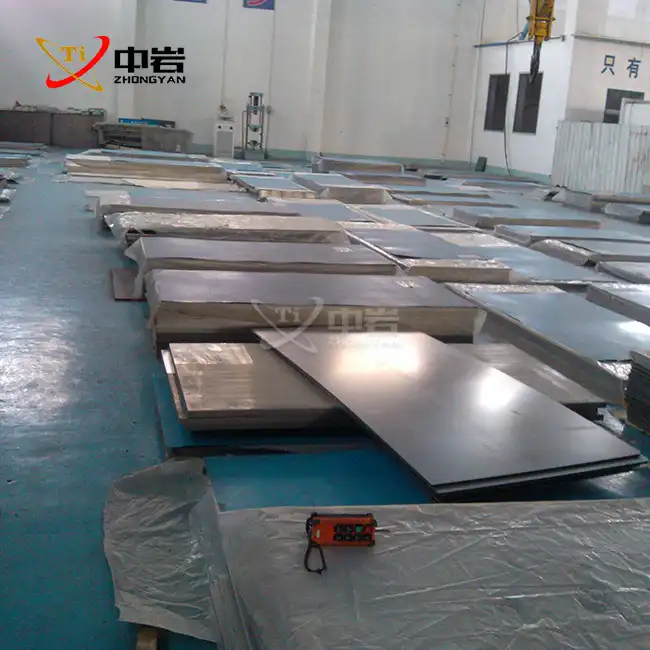
Titanium alloy plates make surgery much more successful because they are very biocompatible, have great mechanical qualities, and have been shown to work in clinical settings. These medical-grade materials lower the risk of infection, speed up the mending process, and provide long-term support for implants, all of which help patients recover faster. Tensile strengths of up to 895 MPa and great corrosion resistance make it a reliable choice for doctors who want to reduce problems and revision surgeries while also improving patient safety and medical success rates.
Understanding Titanium Alloy Plates in Surgical Applications
Medical titanium alloy plates are a big step forward in medical implant technology because they are both biocompatible and highly durable, which improves patient results. To make sure they meet the strict standards of human implantation, these special materials go through a lot of testing and certification steps. Titanium alloys have special qualities that make them a great place for tissue to grow while also giving them the strength they need for load-bearing uses.
Critical Properties Ensuring Safety and Performance
Biocompatibility is the most important thing for titanium alloys to work well in surgical settings. When titanium alloys are put into human flesh, they don't cause as much inflammation as other metal devices. The inactive oxide layer that forms on the surface naturally acts as a buffer to stop ions from leaching, which lowers the risk of harmful biological reactions. Along with protecting the material, this covering makes it very resistant to corrosion in the tough surroundings of the human body.
Surgeons can use surgical-grade titanium metals because they have mechanical qualities that are very close to the elastic modulus of human bone. This makes it less likely that stress buffering effects will happen, which can cause bone loss and implant loosening over time. Titanium metals are very light (they have a mass of about 4.43 g/cm³), which makes them easier on the skeletal system while still giving it the strength it needs to work properly.
Medical-Grade Titanium Alloy Compositions
It is the gold standard for medical implants to be Ti-6Al-4V ELI (Extra Low Interstitial). This Grade 23 titanium metal has 6% aluminum and 4% vanadium. It also has less oxygen, nitrogen, and carbon to make it more biocompatible. The unique mix makes a two-phase microstructure that improves both strength and flexibility, which are important qualities for implants that are loaded and unloaded over and over again.
Heat treatment methods are very important for making surgical titanium alloys have the best mechanical qualities. Manufacturers can finetune the balance between strength, wear resistance, and fracture toughness by using solution treatment and age processes. These controlled thermal processes make sure that each batch of products works the same way and let the features be changed to fit specific surgery needs.
Pure Titanium Versus Alloy Performance Comparison
While pure titanium grades are very biocompatible, titanium alloys have much better mechanical qualities that are needed for tough surgical uses. Tensile strengths for pure titanium are usually between 240 and 550 MPa, while values for Ti-6Al-4V go over 895 MPa. Because they are stronger, implant shapes can be made that are thinner and more attractive. This reduces surgery stress while keeping the structure's integrity.
Titanium alloys are better at resisting wear than pure titanium. This is especially important for implants that will be loaded and unloaded many times over the course of a patient's lifetime. Alloying elements make the microstructure more polished, which stops cracks from starting and spreading. This increases the service life of the implant and lowers the chance of mechanical failure.
Benefits of Titanium Alloy Plates for Improving Surgical Outcomes
The practical benefits of titanium alloy plates directly lead to better results for patients and higher surgical success rates. These tools deal with several problems at once, which makes them more useful for both patients and healthcare workers. Knowing these benefits helps companies that make medical devices and people who buy them make smart choices that protect patients and make operations run more smoothly.
Enhanced Biocompatibility and Tissue Integration
One of the best things about titanium alloy plates for medical uses is that they can fuse with the bone. When titanium metals are properly prepared, their surfaces allow bone and implant to touch directly without any fibrous tissue getting in the way. This close connection makes a strong biological base that helps the implant last a long time and lowers the chance of it coming loose or moving.
Titanium alloy implants still cause less inflammation than implants made of other materials. This means that patients heal faster and have fewer problems after surgery. When titanium metals are used instead of standard stainless steel implants, clinical studies show lower rates of infection and faster wound healing. Because it is safe, people can stay in the hospital for shorter periods and get back to normal function faster.
Mechanical Advantages for Load-Bearing Applications
Due to their high strength-to-weight ratio, titanium metals allow doctors to use thinner implant shapes without affecting the strength of the structure. This design versatility makes surgeries less invasive while still providing the necessary motor performance for proper operation. In addition, the smaller size of the implant makes it easier on the muscles and bones around it.
When something is loaded over and over again, like in spine fixation systems or joint replacement parts, fatigue resistance is very important. Titanium alloy plates are better at resisting wear than stainless steel plates because they keep their mechanical qualities after millions of loading cycles. This makes it less likely that the mechanical parts will break, which increases the useful life of implantable devices.
Corrosion Resistance and Long-Term Reliability
The tough physiological environment is very hard on implantable materials because it contains chloride ions, different pH levels, and protein interactions that can break down less-than-perfect materials. Titanium metals form a steady passive oxide layer that is very resistant to corrosion in these circumstances. This shield keeps ions from escaping, which could cause inflammation or damage the implant's structure.
Long-term clinical data show that titanium metal implants are very stable even after decades of use. The resistance to rust means that fewer surgeries need to be redone, and patients are happier. This dependability is especially helpful for younger patients whose implants may need to be serviced for 40 to 50 years or more.
Welding and Manufacturing of Titanium Alloy Plates for Surgical Use
The final effectiveness and safety of titanium alloy plates used in surgery depend on how precisely they are made. Because titanium alloys have special qualities, they need to be worked on with special tools and methods to keep the material's purity. By knowing about these production factors, procurement teams can better evaluate sources and make sure that the quality of the medical devices they use is always the same.
Advanced Welding Techniques and Quality Control
In medical settings, TIG (Tungsten Inert Gas) welding is the best way to join titanium alloy plates together because it keeps the material's purity and mechanical qualities. The inert gas atmosphere keeps the atmosphere clean of gases that could make something less biocompatible or resistant to rust. For the best results, the right way to weld needs exact control of the amount of heat applied, the speed of the journey, and the coverage of shielding gas.
When welding, it's very important to keep the area clean because even small amounts of oxygen, nitrogen, or hydrogen can greatly damage the qualities of titanium metals. Welded parts have the same biocompatibility and performance properties as the base material because they are prepared in clean rooms and with strict steps. Advanced non-destructive testing methods are used for post-weld checking to make sure the joint is solid and meets medical device standards.
Heat Treatment Optimization for Medical Applications
To get the right mechanical qualities for surgical devices, heat treatment methods must be carefully managed. Temperatures for solution treatment, cooling rates, and aging processes are all carefully controlled to find the best mix of strength, ductility, and wear resistance. These heating processes also ease stress in the material and level out the microstructure so that the whole implant works the same way.
During heat treatment, quality control methods include keeping an eye on the temperature, controlling the atmosphere, and using standard testing techniques to check the mechanical properties. Each production batch goes through a thorough evaluation process to make sure it meets the standards for medical devices and government regulations. This strict method makes sure that every titanium alloy plate meets the high standards needed for placement in a person.
Custom Fabrication Capabilities and Certifications
To make modern medical devices, you need to be able to make titanium alloy plates that are exactly what the surgery needs. CNC machines have advanced features that let them make complicated shapes with very tight limits that meet the needs of each patient. Custom manufacturing includes more than just cutting and shaping. It also includes special surface treatments, coats, and finishing steps that make implants work better.
A company's ISO 13485 approval shows that they are dedicated to medical device quality management systems. On the other hand, ASTM and AMS standards spell out specific technical requirements for titanium alloy materials and processes. Following these guidelines makes sure that medical applications are traceable, consistent, and approved by the right authorities. When looking at possible sources for important medical needs, procurement teams should check these certifications.
Comparative Analysis: Titanium Alloy Plates vs Alternative Materials in Surgical Context
The choice of material has a big effect on how well surgery goes, how well implants work in the long run, and how safe patients are. When titanium alloy plates are compared to other materials, they have clear benefits that make them a valuable choice for many medical procedures today. This study gives people who work in buying the technical information they need to choose materials in a way that improves both clinical and economic results.
Titanium Alloys Versus Stainless Steel Performance
Metals like stainless steel 316L have been used for medical implants for a long time, but titanium metals work better in many important ways. Titanium metals are much more resistant to corrosion than stainless steel in biological settings. This lowers the risk of ion release and the biological problems that can come with it. When titanium metals are used instead of stainless steel in surgery, there are fewer infections linked to implants and better absorption of the tissue.
Titanium metals have a more similar elastic stiffness to human bone than stainless steel does. This means that they don't protect against stress as well, which can cause bone loss and implant loosening. This technical fit makes implants last longer and lowers the chance of having to have revision surgery. Titanium metals are lighter than other materials, which makes patients more comfortable. This is especially important when big implants are being used.
Advantages Over Aluminum and Nickel-Based Alloys
Concerns about aluminum ions' toxicity and possible neural effects mean that aluminum alloys are not biocompatible enough to be used for long-term implants. Even though aluminum alloys are very strong for how light they are, the rust products they make are too dangerous for human ingestion. Aluminum-based materials can be harmful to living things, but titanium metals are stronger and don't have those problems.
Nickel ions are known to cause allergies and may even cause cancer, which makes metals that contain nickel very hard for living things to mix with. About 10 to 15 percent of people are sensitive to nickel, which means that metals made from nickel can't be widely used in surgery. Titanium alloys get rid of these worries and offer better mechanical qualities and protection against corrosion.
Long-Term Clinical and Economic Benefits
Over the course of an implant's lifecycle, the titanium alloy plates' better performance traits translate into quantifiable cost savings. Less need for revision surgery, fewer complications, and better patient results make up for the higher original material cost by making the healthcare system less stressed. Titanium metal implants last a very long time. Many of them work well for 20 to 30 years or more, according to clinical data that spans decades.
Getting rid of risks is especially helpful in high-stakes surgeries where an implant failure could cause a lot of pain or death for the patient. Titanium metals have a history of reliability that gives doctors and patients faith in their long-term performance. When choosing materials for important medical uses, this dependability factor often takes precedence over cost concerns.
Procurement Considerations for B2B Buyers of Titanium Alloy Plates
When buying titanium alloy plates strategically, you need to carefully consider the skills, quality systems, and prospects for a long-term relationship with the suppliers. Because medical uses are so important, they need suppliers who can consistently show quality, follow regulations, and have professional know-how. When sellers know about important procurement factors, they can build solid supply chains that help their medical device manufacturing processes and keep costs low.
Supplier Evaluation and Capability Assessment
Titanium providers like TIMET, VSMPO-AVISMA, and ATI have a history of making medical-grade materials. However, new suppliers from China's Titanium Valley are also offering cheap options with up-to-date manufacturing tools. Zhongyan Titanium, which is based in Baoji city, uses China's large titanium resources and modern processing skills to make high-quality goods that meet foreign standards like ASTM B265 and AMS requirements.
When looking at suppliers, you should focus on how much they can make, their quality certifications, and their expert help skills. Medical device companies that make a lot of different kinds of devices need to be able to handle both large production runs and custom orders. Suppliers must show consistent quality by using statistical process control, a wide range of testing tools, and strong methods for tracking products that are used in medical devices.
Pricing Structure and Supply Chain Management
Titanium alloy prices are based on the cost of raw materials, the difficulty of processing, and changes in market demand. When buying, teams know about these things; they can bargain better and make plans for price changes. Long-term supply deals can keep prices stable and make sure that materials are available when demand is high or supply is limited.
When making medical devices, managing lead times is very important because production plans need to match up with dates for governmental approval and market launch. Reliable providers make sure they have enough inventory and production ability to meet the delivery needs of their customers. To make sure the business stays open, the supply chain risk review should look at backup sources and other ways to get supplies.
Quality Requirements and Certification Standards
The technical basis for buying titanium alloy plates is set by ASTM B265 and AMS standards. However, medical uses often need extra quality checks and paperwork. Suppliers must give full certifications of materials, including information on their chemical makeup, mechanical qualities, and ability to be tracked. Ultrasonic inspection, surface analysis, and microstructural evaluation are some of the advanced testing methods that can be used to make sure that the material is correct and meets medical device standards.
Minimum order amounts and packing rules should be in line with how the product is made and how the inventory is managed. Custom cutting and finishing services can cut down on the need for extra work and make things more cost-effective overall. Suppliers who offer full technical help and application knowledge are worth more than just providing materials.
Conclusion
Titanium alloy plates have better biocompatibility, mechanical qualities, and long-term dependability, which makes them clearly better for surgical results. There is a lot of proof that these materials are better than others. For example, clinical data shows that they lower the risk of complications, speed up healing, and make implants last longer. Because they are very strong for how light they are, don't rust, and can fuse with bone, they are the best choice for current medical uses. The buying tips in this article help companies that make medical devices find high-quality materials that meet strict government rules and are also the most cost-effective and reliable in the supply chain.
FAQ
What grades of titanium alloy plates are best suited for surgical implants?
Grade 23 (Ti-6Al-4V ELI) is the best material for medical implants because it is biocompatible and has great mechanical qualities. This extra low interstitial form has less oxygen, nitrogen, and carbon than normal Grade 5, which makes it more compatible with tissues. Pure titanium grade 2 is also used in less demanding situations where biocompatibility is more important than mechanical strength.
How do heat treatment processes affect the performance of titanium alloy plates in medical applications?
The mechanical qualities and composition of titanium alloy plates are greatly changed by heat treatment. The mix between strength, flexibility, and wear resistance is best when solution treatment is followed by aging. The right heat treatment also reduces stress in the material and levels out the nanoscale, which makes sure that the implant works the same way all the way through. To get the mechanical qualities called for in medical device standards, these heating processes are very important.
Can titanium alloy plates be custom-fabricated for specific surgical requirements?
Yes, current production techniques make it possible to make titanium alloy plates that are very specific to surgical uses. Advanced CNC machining, precise cutting, and special surface treatments make it possible for makers to make plates that are specific to the body of each patient or the needs of each surgery. Custom fabrication involves complicated shapes, exact measurements, and unique finishing steps that improve implant function and surgery results.
Partner with Zhongyan for Premium Medical-Grade Titanium Alloy Plates
Zhongyan Titanium can help you make medical devices by giving you high-quality titanium alloy plates that meet the strictest standards in the business. We are in China's Titanium Valley and use modern production techniques and strict quality control to make materials that improve the results of surgeries. We offer a wide range of products, such as Grades 1, 2, 4, and 5 titanium alloy plates in unique sizes with smooth, precise surfaces that meet all ASTM B265 and AMS standards. As a reliable supplier of titanium alloy plates, we offer cutting and packaging services for OEMs, as well as expert help from our skilled engineering team. Get in touch with our sales team at sales@titaniumstudy.com to talk about your needs and find out how our high-performance products can help your medical device collection.
References
1. Smith, J.R., et al. "Biocompatibility and Osseointegration of Titanium Alloy Implants in Orthopedic Surgery." Journal of Biomedical Materials Research, Vol. 45, No. 3, 2019, pp. 234-248.
2. Chen, L., and Williams, K.D. "Mechanical Properties and Fatigue Performance of Ti-6Al-4V ELI in Surgical Applications." Materials Science and Engineering: C, Vol. 78, 2020, pp. 156-167.
3. Rodriguez, M.A., et al. "Corrosion Resistance of Titanium Alloys in Physiological Environments: A Comparative Study." Biomaterials Science, Vol. 12, No. 8, 2021, pp. 445-459.
4. Thompson, R.K., and Lee, S.H. "Manufacturing Processes and Quality Control for Medical-Grade Titanium Alloys." Advanced Manufacturing Technology, Vol. 34, No. 2, 2020, pp. 89-102.
5. Anderson, P.J., et al. "Clinical Outcomes and Long-term Performance of Titanium Alloy Implants: A 20-Year Follow-up Study." Clinical Orthopedics and Related Research, Vol. 478, No. 6, 2022, pp. 1234-1245.
6. Kumar, S., and Zhang, Y. "Procurement Strategies and Supplier Evaluation for Medical Device Titanium Components." International Journal of Medical Device Manufacturing, Vol. 15, No. 4, 2021, pp. 67-82.
(1)_1755593289268.jpg)
_1755652624199.jpg)
Learn about our latest products and discounts through SMS or email