- English
- French
- German
- Portuguese
- Spanish
- Russian
- Japanese
- Korean
- Arabic
- Greek
- German
- Turkish
- Italian
- Danish
- Romanian
- Indonesian
- Czech
- Afrikaans
- Swedish
- Polish
- Basque
- Catalan
- Esperanto
- Hindi
- Lao
- Albanian
- Amharic
- Armenian
- Azerbaijani
- Belarusian
- Bengali
- Bosnian
- Bulgarian
- Cebuano
- Chichewa
- Corsican
- Croatian
- Dutch
- Estonian
- Filipino
- Finnish
- Frisian
- Galician
- Georgian
- Gujarati
- Haitian
- Hausa
- Hawaiian
- Hebrew
- Hmong
- Hungarian
- Icelandic
- Igbo
- Javanese
- Kannada
- Kazakh
- Khmer
- Kurdish
- Kyrgyz
- Latin
- Latvian
- Lithuanian
- Luxembou..
- Macedonian
- Malagasy
- Malay
- Malayalam
- Maltese
- Maori
- Marathi
- Mongolian
- Burmese
- Nepali
- Norwegian
- Pashto
- Persian
- Punjabi
- Serbian
- Sesotho
- Sinhala
- Slovak
- Slovenian
- Somali
- Samoan
- Scots Gaelic
- Shona
- Sindhi
- Sundanese
- Swahili
- Tajik
- Tamil
- Telugu
- Thai
- Ukrainian
- Urdu
- Uzbek
- Vietnamese
- Welsh
- Xhosa
- Yiddish
- Yoruba
- Zulu
OEM Titanium Rods: Are They Safe for Implant Use?
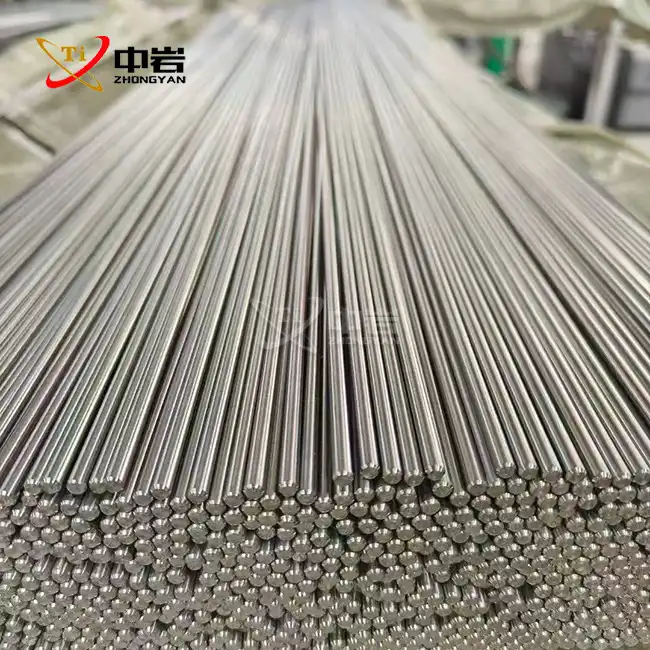
OEM titanium rods are safe for implant use when manufactured to medical-grade specifications. The titanium rod medical OEM industry produces biocompatible materials that comply with stringent standards like ASTM F136 and ISO 5832-3, specifically designed for in-vivo applications. These rods undergo rigorous quality control, including metallurgical testing, surface analysis, and certification processes that ensure they meet the demanding requirements of orthopaedic, dental, and spinal implants. When sourced from reputable manufacturers who maintain full traceability and adhere to international medical device regulations, titanium rods provide exceptional safety profiles with minimal risk of rejection or adverse reactions in patients.
Understanding Titanium Rods in Medical OEM
When choosing raw materials for implants, companies that make medical devices have to make a very important choice. The material choice has a direct effect on how well the product works, how well it meets regulations, and how well it works in the long run. Since titanium rods have a unique set of qualities that other metals can't match, they have become the gold standard for making implants.
What Makes Titanium Rods Essential for Medical Applications
Rods made of titanium are the building blocks of many medical devices. These very well-made parts are what orthopaedic pins, spine fusion rods, dental implant abutments, and surgery tools are made of. The substance is very safe because when it comes in touch with air or body fluids, it quickly forms a solid passive oxide layer (TiO₂). It stops rust and metal ions from getting into the tissue around it, which is a problem that happens a lot with materials that aren't stainless steel.
People most often use Ti-6Al-4V ELI (Extra Low Interstitial), which is also called Grade 23. It is a medical-grade titanium metal. This metal is mostly aluminium (6% of the metal) and vanadium (4% of the metal). The intermediate elements are tightly managed. "ELI" on the sticker means that the titanium is not as high in oxygen, nitrogen, and iron as industrial-grade titanium. It's now easy to shape and less likely to break. For things like hip stems and spine connecting pieces that are loaded and removed a lot, these traits are very important.
Medical-grade titanium bars are also made from commercially pure (CP) titanium in Grades 1 through 4. This is what ASTM F67 says. Grade 4 CP titanium is the best grade of pure titanium. It stays strong against rust very well. This type is often used by implant manufacturers because it has better osseointegration properties. These properties let the bone join directly with the device without any soft tissue getting in the way.
Regulatory Standards Governing Medical Titanium Production
A wide range of international standards is followed in the production of titanium rod medical OEM goods. For surgical implant uses, ASTM F136 spells out the exact standards for wrought Ti-6Al-4V ELI alloy. This standard defines the ranges of accepted chemical makeup, the mechanical property requirements, and the testing procedures. The European counterpart is ISO 5832-3, which ensures that quality standards are the same all over the world.
The companies that make titanium for medical use also have to follow ISO 13485, which is a standard for quality control systems used in making medical devices. Getting this approval means that a provider has good control over the whole production process, from choosing the raw materials to doing the final check. The standard says that there must be written processes for risk management, design control, and tracking after the product has been sold.
Products that are going to the United States have to go through even more checks because of FDA rules. Medical device makers have to send in 510(k) premarket notices or Premarket Approval (PMA) forms with a lot of information about how the materials are classified. The titanium rods that are used in these tools need to have full mill certificates that show what chemicals they are made of, the results of their mechanical tests, and details on how to trace them back to the batch of titanium sponge that they came from.
Besides these general rules, there are also specific ways to test materials to make sure they are suitable. The AMS 2631 ultrasound check finds issues inside implants that might make them less solid. An ASTM E112 grain size study ensures that the microstructure meets the needs for wear resistance. Because of these strict quality controls, medical-grade titanium rod providers can be told apart from other industry sources.
Different Titanium Grades and Their Medical Applications
Knowing the differences between the different types of titanium helps procurement professionals choose the best material for each job. High-stress situations where superior mechanical qualities and fatigue resistance are essential are served by titanium rod medical OEM products. In most cases, this grade is needed for orthopaedic trauma plates, intramedullary nails, and spinal fixation rods. The alloy has a tensile strength exceeding 860 MPa but a relatively low elastic modulus of 110 GPa, which is much lower than the 200 GPa of stainless steel. This lower modulus reduces stress shielding, which happens when implants that are too stiff prevent natural bone remodelling.
Grade 5 titanium (Ti-6Al-4V standard grade) has the same base composition as Grade 23 but with slightly higher interstitial element content. While acceptable for some medical applications, it finds more common use in aerospace and industrial sectors. The marginally reduced ductility makes it less suitable for critical implant applications where failure could have catastrophic consequences.
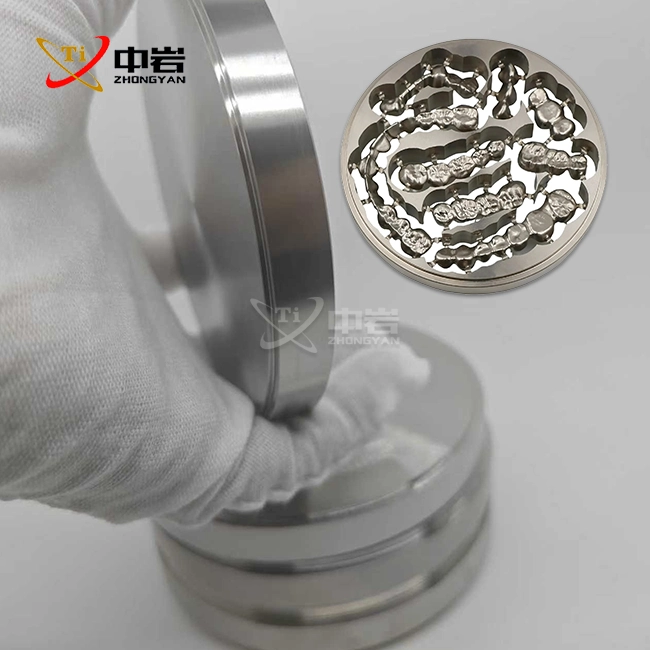
Commercially pure titanium grades offer excellent corrosion resistance and biocompatibility. Grade 2 CP titanium balances strength and formability, making it ideal for cranial plates and maxillofacial reconstruction components that must conform to complex anatomical contours. Grade 4 provides higher strength while retaining the superior osseointegration characteristics that dental surgeons value. Dental implant posts machined from Grade 4 titanium rods show predictable integration rates and long-term stability in clinical studies.
Safety and Performance Benefits of OEM Titanium Rods in Healthcare
All decisions about making medical devices are based on how safe they are for patients. When choosing a material, it's important to carefully look at both its short-term biocompatibility and its long-term performance. Titanium rods made using controlled OEM methods always have the same high quality, which leads to dependable clinical results.
Biocompatibility and Reduced Allergic Reaction Risk
Titanium has an excellent biocompatibility profile that has been proven by decades of clinical experience and extensive study. The material is very well tolerated by tissues and causes only minor inflammation when it is implanted. Titanium rarely causes allergic reactions, unlike alloys that contain nickel, which can cause hypersensitivity reactions in susceptible patients. Studies that looked at a lot of patients found that allergic reactions happened less than 0.6% of the time, which is substantially less than the 10-15% sensitivity rates linked to nickel-bearing stainless steel.
A very important part of this biocompatibility is the inactive oxide layer that forms on titanium surfaces. Although it is very thin, this TiO2 film is very solid and can heal itself if it gets broken, keeping the ions from escaping. The oxide layer is also antimicrobial, which means it stops bacteria from sticking to it and lowers the risk of illness around implant sites. This quality is especially useful for dental implants and other external fixation devices, where bacterial growth can cause significant problems.
Superior Mechanical Properties for Long-Term Implant Stability
Over the course of their useful life, implants must be able to handle millions of loading rounds. As an example, a hip device goes through about one million load cycles a year during normal walking. In these difficult situations, the fatigue resistance of the titanium rod medical OEM goods is crucial. Grade 23 titanium has very high wear strength, which means that it can keep its shape under repeated loads that would break weaker materials.
It has a great strength-to-weight ratio because it has both high tensile strength and low density. Titanium weighs about 40% less than stainless steel (4.43 g/cm³) but is just as strong or stronger. This weight advantage makes it easier on patients, especially when it comes to large orthopaedic implants. Patients say that titanium gadgets are more comfortable and allow them to move around more easily than heavier options.
Manufacturing Excellence and Quality Control in OEM Production
Controlling the production process is crucial to the safety of titanium rod medical OEM goods. The process starts with high-purity titanium sponge, usually done using the Kroll method. This sponge goes through several rounds of vacuum arc remelting (VAR) to get rid of high-density inclusions and ensure chemical homogeneity. In the VAR process, the titanium electrode is melted in a water-cooled copper crucible under high vacuum, preventing contamination from atmospheric gases.
Once the titanium ingot has been made, it is heated and worked by forging or rolling. These thermomechanical methods refine the grain structure and eliminate any flaws in the casting. The working temperature and deformation ratios must be carefully controlled to get a fine, even microstructure with grain sizes that are usually smaller than ASTM 10. Compared to coarse-grained material, this finely divided microstructure makes the material stronger and more resistant to wear.
Comparing OEM Titanium Rods: Selecting the Best Product for Your Needs
When making a procurement choice, you have to weigh multiple factors, like material properties, costs, and the skills of the suppliers. Medical device makers must use strict criteria to judge possible sellers in order to make sure that quality is always consistent and that they follow international regulations.
Material Performance Comparison with Alternative Metals
Stainless steel has been the main material used for medical devices for a long time. Different types of austenitic stainless steel, like 316L, are good at resisting rust and can be made in well-known ways. It's easier to work with and costs less than titanium in many situations, but it isn't as good for permanent implants because it's denser and contains nickel. Titanium rod medical OEM goods offer the best combination of properties for the majority of implant uses when looked at as a whole. Because it is biocompatible, doesn't rust, and has good mechanical qualities, the material is the best choice for orthopaedic, dental, and spinal devices.
Cobalt-chromium alloys are strong and don't wear down easily, but their stiffness could exacerbate stress shielding. Concerns have been raised about the toxicity of cobalt and chromium ions released during corrosion or wear. Tantalum is biocompatible in the same way that titanium is, but it is expensive and has a high density, which limits it to specialised situations like trabecular metal devices. Titanium remains the gold standard for general implant production.
Commercial Considerations for Bulk Purchasing
Medical-grade titanium rods are priced in a way that takes into account the specialised processing and quality assurance needed. Base prices rely on the grade of titanium; Grade 23 ELI costs more than pure grades because of stricter rules over its makeup. Specifications for diameter and length also affect prices, since non-standard sizes may need to be made in dedicated production runs with associated setup costs.
The number of items ordered has a big effect on the unit price. Minimum order amounts (MOQs) are different for each supplier, but for normal sizes, they are usually between 100 and 500 kilograms. As fixed costs are spread out over more material, volume savings become available. Medical device companies often have trouble meeting MOQs during product development. Some sellers have flexible MOQ choices made for customers in hospitals and research institutions who need smaller amounts.
Supplier Selection Criteria and Verification
Finding qualified providers takes a methodical look at a lot of different factors. The starting point is certification. Having ISO 13485 certification shows that the provider uses the right quality control methods for making medical devices. Material approvals from ASTM and ISO show that production meets relevant standards. FDA establishment registration means the provider has registered with U.S. regulatory officials and keeps proper records.
Factory checks give you more information about a supplier's skills and quality culture. Full audits look at production tools, process controls, testing skills, and paperwork. Audit teams should look at where the seller gets its raw materials and make sure that the titanium sponge comes from reliable sources. Observations on the production floor show whether operators follow written processes and whether equipment is properly calibrated.
Procurement and Supply Chain Considerations for Titanium Rods Medical OEM
To make sure there is a steady supply of medical-grade titanium around the world, supply lines are very complicated and need to be carefully managed. Device makers need to come up with strong buying plans that strike a balance between saving money and making sure they have a steady supply of parts.
Managing Custom Specifications and Bulk Orders
When making medical devices, titanium rods often need to be made with special sizes, finishes, or mechanical qualities that aren't available in normal catalogues. Custom requirements mean that gadget makers and titanium rod medical OEM sellers need to be able to talk to each other clearly. Detailed sketches should include all the important measurements with their corresponding limits and any special processing needs like passivation or laser marking.
Building Long-Term Partnerships with OEM Manufacturers
For general industrial materials, transactional ties may work, but deeper agreements with titanium rod providers are better for companies that make medical devices. Long-term relationships help producers learn more about what devices are needed, predict future needs, and invest in skills that benefit both parties. Clear conversation is the first step, where device makers share plans for new products and volume forecasts so that vendors can plan capacity.
Case Study: Implementing Strategic Titanium Rod Procurement
A mid-sized company that makes medical devices had trouble with different sources sending them materials of different quality. Differences in dimensions led to waste during cutting, and sometimes material defects caused implant recalls. The business started a strategic buying program to improve quality and bring together all of its providers.
Conclusion
OEM titanium rods represent the optimal material choice for medical implants when sourced from qualified manufacturers who maintain rigorous quality standards. The combination of exceptional biocompatibility, superior mechanical properties, and proven clinical performance makes these materials indispensable for orthopaedic, dental, and spinal applications. Successful procurement requires understanding material grades, evaluating sellers in a structured way, and building relationships based on openness and common quality goals. When medical device companies invest in strategic buying relationships, they have reliable access to approved titanium rod medical OEM products that help them make safe, effective implants that improve patient outcomes. The rules are always changing, but titanium's main benefits will keep it the most popular material for making implants for decades to come.
FAQ
Are OEM titanium rods truly safe for all types of medical implants?
Titanium rods are very safe for all types of implants when they are made according to the right medical standards. Commercially pure grades of titanium work best for dental and oral devices, while Grade 23 titanium is best for load-bearing prosthetic uses. Safety rests on choosing the right grade, making sure the seller is certified, and following ASTM F136 or ISO 5832-3 rules. Material tracking and full mill certificates are important pieces of proof that compliance has been met.
What factors drive the cost of medical-grade titanium rods?
Prices depend on a number of factors, such as the grade of titanium (ELI grades cost more), the size requirements, the number of items ordered, and any certificates that are needed. Extra costs are incurred for custom surface processes, close tolerances, and full paperwork packages. When you buy more, usually starting at around 500 kg, you can get volume savings. Lead times and the need for quick orders also have an effect on how prices are set.
How can I verify that a supplier provides authentic medical-grade material?
Real suppliers keep their ISO 13485 certification up to date and provide full material paperwork, which includes chemical analyses that are specific to heat, mechanical test results, and the ability to trace back to the sources of the raw materials. Factory checks show what methods are in place for quality control and production. Before making big purchases, material features must be checked against specs by evaluating samples in a separate lab.
Partner with Zhongyan for Certified Medical-Grade Titanium Solutions
Zhongyan stands ready to support your medical device development with premium titanium rod medical OEM products manufactured in Baoji, China's titanium epicentre. Our Grade 23 ELI titanium rods meet the standards set by ASTM F136 and ISO 5832-3. They have a nitrogen content of ≤0.05% and an oxygen content of ≤0.13%, which makes them more biocompatible. We offer custom sizes starting at 2 mm in diameter, centerless ground surface finishes with Ra <0.8 µm, and a range of MOQ choices to meet the needs of both research institutions and high-volume producers. Our ISO 9001:2015-certified quality management system backs up every package with full mill certificates that can be tracked all the way back to the source. Our technical team works with your engineers to find the best material standards for your implant designs, whether they are for dental parts, spinal fixation systems, or orthopaedic trauma devices. Contact our titanium rod medical OEM supply team at sales@titaniumstudy.com to talk about your needs, ask for samples, or set up a video factory tour to see how we vacuum melt, precision grind, and perform extensive testing.
References
1. American Society for Testing and Materials. (2013). "ASTM F136-13: Standard Specification for Wrought Titanium-6Aluminum-4Vanadium ELI Alloy for Surgical Implant Applications." ASTM International, West Conshohocken, PA.
2. Geetha, M., Singh, A.K., Asokamani, R., & Gogia, A.K. (2009). "Ti-based biomaterials, the ultimate choice for orthopaedic implants: A review." Progress in Materials Science, 54(3), 397-425.
3. International Organisation for Standardisation. (2016). "ISO 5832-3:2016 Implants for surgery — Metallic materials — Part 3: Wrought titanium 6-aluminium 4-vanadium alloy." ISO, Geneva, Switzerland.
4. Niinomi, M. (2008). "Mechanical biocompatibilities of titanium alloys for biomedical applications." Journal of the Mechanical Behaviour of Biomedical Materials, 1(1), 30-42.
5. Rack, H.J. & Qazi, J.I. (2006). "Titanium alloys for biomedical applications." Materials Science and Engineering: C, 26(8), 1269-1277.
6. Sidambe, A.T. (2014). "Biocompatibility of advanced manufactured titanium implants: A review." Materials, 7(12), 8168-8188.
Learn about our latest products and discounts through SMS or email