- English
- French
- German
- Portuguese
- Spanish
- Russian
- Japanese
- Korean
- Arabic
- Greek
- German
- Turkish
- Italian
- Danish
- Romanian
- Indonesian
- Czech
- Afrikaans
- Swedish
- Polish
- Basque
- Catalan
- Esperanto
- Hindi
- Lao
- Albanian
- Amharic
- Armenian
- Azerbaijani
- Belarusian
- Bengali
- Bosnian
- Bulgarian
- Cebuano
- Chichewa
- Corsican
- Croatian
- Dutch
- Estonian
- Filipino
- Finnish
- Frisian
- Galician
- Georgian
- Gujarati
- Haitian
- Hausa
- Hawaiian
- Hebrew
- Hmong
- Hungarian
- Icelandic
- Igbo
- Javanese
- Kannada
- Kazakh
- Khmer
- Kurdish
- Kyrgyz
- Latin
- Latvian
- Lithuanian
- Luxembou..
- Macedonian
- Malagasy
- Malay
- Malayalam
- Maltese
- Maori
- Marathi
- Mongolian
- Burmese
- Nepali
- Norwegian
- Pashto
- Persian
- Punjabi
- Serbian
- Sesotho
- Sinhala
- Slovak
- Slovenian
- Somali
- Samoan
- Scots Gaelic
- Shona
- Sindhi
- Sundanese
- Swahili
- Tajik
- Tamil
- Telugu
- Thai
- Ukrainian
- Urdu
- Uzbek
- Vietnamese
- Welsh
- Xhosa
- Yiddish
- Yoruba
- Zulu
Can Titanium Grade 5 Plates Be Machined Without Losing Strength?
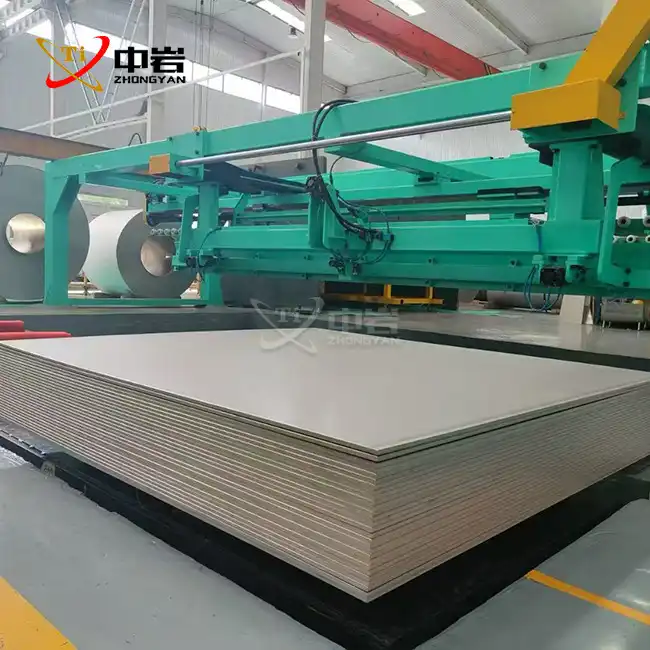
When engineers have to make important cutting decisions for high-performance parts, keeping the purity of the material becomes the most important thing. Titanium grade 5 plate, which is also known as Ti-6Al-4V, can be made without losing a lot of strength as long as the right methods and settings are used. Controlling the production of heat, choosing the right tools, and performing post-machining procedures that protect the material's alpha-beta nanostructures are the most important steps. By using the right CNC machining parameters, cooling strategies, and stress relief techniques, manufacturers are able to make parts that keep the alloy's high tensile strength (895 MPa) while also meeting the tight size requirements needed in medical, aerospace, and industrial settings.
Understanding Titanium Grade 5 Plates and Their Mechanical Integrity
The most common titanium material used in industry is the Ti-6Al-4V metal, which makes up about half of all titanium used in the world. This alpha-beta metal has a dual-phase microstructure that gives it amazing mechanical qualities. It is made up of 6% aluminum, which stabilizes the alpha phase, and 4% vanadium, which stabilizes the beta phase.
Chemical Composition and Microstructural Architecture
Because Ti-6Al-4V has specific alloying elements, it has a balanced microstructure that makes it different from available pure titanium types. Aluminum makes the hexagonal close-packed alpha phase stronger while keeping its mild flexibility. Vanadium, on the other hand, stabilizes the body-centered cubic beta phase, which makes it more resistant to heat treatment. This metallurgical design solves basic engineering problems that regular materials can't, like how to get high strength without adding too much weight, and how to keep rust resistance in harsh settings. The mass of the material is about 4.43 g/cm³, which is about 60% of stainless steel. However, it has a minimum tensile strength of 895 MPa and a yield strength of 828 MPa. Because it is so strong for how light it is, it is essential for structural parts in spacecraft, where every gram affects fuel economy and cargo capacity.
Heat Treatment States and Their Impact on Machinability
Titanium grade 5 plate comes in two main metalworking states: annealed and solution-treated and aged. The microstructure is more uniform in the annealed state, with evenly spaced alpha grains spread out in a beta matrix. This gives the material good mechanical and machinability qualities. Solution-treated and aged material goes through controlled heating and cooling processes that bring out small alpha platelets within the beta phase. This makes the material much stronger but harder to work with because it is harder. When purchasing materials for CNC cutting projects, it's important for buying teams to understand these microstructural states. The hardness of annealed Ti-6Al-4V is usually around 36 HRC, but it can hit 40+ HRC in STA conditions, which has a direct effect on tool life and cutting parameters.
Manufacturing Standards and Quality Assurance
International standards are strictly followed when making high-integrity Ti-6Al-4V plates. ASTM B265 sets the rules for industrial uses by describing chemical makeup limits, minimum mechanical property requirements, and testing methods. AMS 4911 meets the needs of the aircraft industry by requiring stricter controls over the makeup of materials and a required ultrasonic check for internal flaws. ISO 5832-3 spells out the rules for using medical implants, with a focus on biocompatibility and tracking. At Zhongyan Titanium, our factory in Baoji, China's Titanium Valley, takes advantage of its closeness to sources of raw materials and high-tech working facilities. We strictly follow these standards and make sure that every batch of titanium plates comes with full mill test records that show the results of chemical analysis, tensile testing, and ultrasound inspection. Engineers can be sure that the material's qualities will stay the same during machining because of this clear proof.
Challenges and Risks of Machining Titanium Grade 5 Plates
Machining Ti-6Al-4V has its own set of technical hurdles that are very different from working with steel or aluminum. Because the metal doesn't conduct heat well (about 6.7 W/m·K compared to 50 W/m·K for steel), the heat from cutting stays where it is—at the interface between the tool and the chip—rather than spreading out through the object. When heat builds up, it causes several problems that can affect the strength of the end component.
Heat-Induced Microstructural Changes
During the grinding of titanium grade 5 plate, excessive temperatures can alter the microstructure of the surface layers. When cutting temperatures exceed 500°C, oxygen diffusion accelerates, forming an alpha-case layer—a hard, brittle surface significantly less ductile and fatigue-resistant. This oxygen-enriched layer can extend 0.1 to 0.3 mm below the machined surface, creating stress concentration sites that promote premature crack initiation under cyclic loading conditions.
Tool Wear and Surface Integrity Concerns
Ti-6Al-4V tends to gall and work-harden when it is cut, which speeds up tool wear through both abrasive and binding processes. The material is very strong, even at high temperatures. This makes cutting forces last for a long time and stress the edges of tools. When carbide or ceramic tools lose their sharp shape, rubbing them more makes them hotter and lowers the quality of the surface finish.
Corrosion Resistance Degradation Through Processing
Titanium's high resistance to rust comes from its stable passive oxide film. However, if the metal is machined incorrectly, this protected layer can be damaged. Cutting fluids that contain chlorides or sulfur compounds can contaminate polished surfaces and create specific places where rusting can start. Heat-affected areas with changed microstructures may have lower corrosion resistance in harsh chemical settings. This is especially important for tools used in chemical handling and in the marine environment.
Modern Machining Techniques That Preserve Strength
As production technology improves, more ways become available to machine Ti-6Al-4V while keeping its mechanical qualities. The main approach is to keep output high enough to meet project deadlines and cost goals while minimizing thermal input.
Optimized CNC Machining Parameters
Today's CNC machining centers have strong construction and high-torque spindles that make it possible to optimize parameters, especially for titanium alloys. When compared to steel machining processes, successful machining strategies stress lower cutting speeds and higher feed rates. Cutting speeds for roughing are usually between 30 and 60 m/min, and for finishing, they are usually between 60 and 90 m/min. This is a lot slower than the 200 m/min or more that is normal for mild steel.
Cooling and Lubrication Strategies
High-pressure coolant supply systems may be the most important technology for keeping the purity of the material while titanium is being machined. With pressures between 10 and 30 bar and flow rates of 40 to 80 liters per minute, coolant provides enough thermal mass to soak up cutting heat while moving chips away from the cutting zone before they can weld to the tool or object.
Non-Traditional Machining Methods
Laser cutting and waterjet cutting get rid of many of the heat problems that come with traditional machining. Waterjet cutting works at room temperature by sending a fast-moving stream of water mixed with rough bits through a material to wear it away. This cold-cutting method leaves no heat-affected zone and no leftover stresses. This makes it perfect for making blanks or rough forms that will be finished by machine.
Post-Machining Stress Relief Treatments
Even if the machining settings are perfect, thermal stress relief methods can help finished parts get their microstructures back to how they should be. Stress relief annealing usually takes between 540°C and 650°C for one to two hours. This is long enough to remove any remaining pressures without changing the mechanical properties too much. This process evens out the stresses that were created during cutting, which makes the material more stable and better at withstanding wear and tear.
Titanium Grade 5 Plate Compared to Other Materials in Machining and Strength Retention
To choose the right material, you need to know a lot about how Ti-6Al-4V works compared to other metals. When purchasing managers have to balance technical needs with limited funds, clear comparisons that show the trade-offs between machinability, strength retention, and rust performance are helpful.
Comparison with Commercially Pure Titanium Grades
Grades 1-4 of commercially pure titanium are much easier to machine than Ti-6Al-4V because they are not as strong and don't have any alloying elements that make work hardening happen. With a tensile strength of about 340 MPa, Grade 2 CP titanium is easy to cut with standard tools and faster cutting speeds. Surface finishes make the material smoother, and its great formability makes it useful for uses that involve twisting or hydroforming.
Performance Against Stainless Steel and Aluminum Alloys
Stainless steel is easier to work with and costs less, which makes it a good choice for situations where weight isn't an issue. Austenitic types, such as 316L, can be machined with standard parameters and have great corrosion protection in a wide range of settings. The strength of precipitation-hardened stainless metals is close to that of Ti-6Al-4V, but the weight penalty—stainless steel weighs about 8 grams per cubic centimeter—makes it too heavy for use in aircraft and portable medical equipment.
Comparison with Other Titanium Alloys
Grade 23 and Beta-C metals are made for specific uses where the qualities of the titanium grade 5 plate are not good enough. Beta-C can be made stronger by heating it, but it is very hard to machine because it tends to become very hard when it is heated. These unusual metals are better for specialized uses than for general industrial use.
Impact of Plate Thickness on Machining Outcomes
Plate thickness has a big effect on the choice of cutting technique and the results of strength retention. During cutting, clamping pressure and temperature differences can cause thin plates less than 6 mm thick to warp. Workholding tools need to spread clamping loads over larger areas, and cutting steps should switch between sides to keep stress levels from building up too much.
Procurement Considerations for Titanium Grade 5 Plates in Machining Projects
Not only does cutting skill matter, but also getting source materials that meet very high quality standards is essential for a project to be successful. When buying a Ti-6Al-4V plate, there are more things to think about than just comparing prices.
Certification and Material Traceability
In important uses, quality assurance is built on comprehensive material certification. The mill test reports should include a full chemical composition analysis of all the alloying elements and trace impurities, as well as the results of mechanical property tests such as tensile strength, yield strength, elongation, and reduction of area. They should also include the results of an ultrasonic inspection to make sure there are no internal flaws. Heat lot traceability lets you connect the performance of a finished part to specific amounts of materials. This is necessary for aircraft and medical device regulatory compliance.
Reliable providers keep full paperwork chains from the source of the raw materials to the delivery of the finished product. This tracking is very helpful when quality testing finds important problems. It lets you quickly figure out what went wrong instead of spending a lot of time looking into a lot of different possible causes. Our Zhongyan center keeps detailed records that allow for full traceability paperwork to be sent with every shipment, meeting the quality management system needs of our customers.
Custom Cutting and Processing Services
When compared to getting raw plate and cutting services from different suppliers, integrated suppliers that offer value-added processing services make supply chains more efficient and cut down on wait times. Custom cutting to rough measurements cuts down on waste and gets rid of the need for blanking processes to be done in-house. Cutting with a waterjet or laser makes blanks that are almost in a net form. This makes the next step of making faster and uses fewer tools.
Surface preparation services, such as shot peening or mechanical finishing, get things ready to be processed in a certain way. These pre-treatments make sure that the starting conditions are always the same, which improves the results of the cutting. This is especially important when making large batches of products that need the same results every time.
Lead Time Management and Inventory Strategies
Making a titanium grade 5 plate takes a long time, from getting the raw materials to the finished result. Standard mill wait times for common sizes are 12 to 16 weeks, and they can go up to 20 weeks or more for non-standard forms or special chemical needs. This deadline makes it hard to stick to project plans with tight due dates.
Strategic connections with suppliers that keep inventory levels at generally stated sizes make it possible to meet urgent needs quickly. At Zhongyan, we keep annealed Ti-6Al-4V plate in stock in thicknesses ranging from 3 mm to 80 mm and widths up to 1500 mm. These plates can be used for quick-turn projects, and our manufacturing capacity can handle special specs for planned production.
Just-in-time delivery programs make sure that the arrival of materials doesn't interfere with the plan for machining. This keeps production going while minimizing the amount of working capital that is locked up in raw material stockpiles. For these agreements to work, both sides must be open and honest about their demand predictions and capacity promises.
Supplier Evaluation and Partnership Development
When choosing skilled sellers, you have to look at more than just price. Audits of manufacturing facilities check the technical know-how, the ability of the tools, and the application of the quality management system. Customers can look at our advanced CNC machining centers, precise measuring equipment, and quality control labs that make sure every titanium product meets standards when they come to our Baoji facility.
The ability to provide technical help is what sets strategic partners apart from commodity providers. When there are problems with processes, providers who help engineers figure out what went wrong by suggesting machining parameters, analyzing the pros and cons of different materials, and finding the root cause are very helpful. Our professional staff includes metallurgists and machine experts who work with customers to get the best results during the whole process of developing a product.
Long-term partnerships are good for both parties because they guarantee a certain amount of business, which allows for investments in stocking and process improvement projects that are tailored to each customer's needs. When compared to transactional buying methods, collaborative relationships based on open conversation and shared success standards lead to better results.
Total Cost of Ownership Analysis
The purchase price is only one part of the total cost of owning. Material production rates have a big effect on how much a part actually costs. For example, scrap and repair costs are lower when the plate is of high quality and has few flaws and tight dimensional limits. Consistent material features cut down on the need to change machining parameters and do qualification tests. This increases productivity and lowers the cost of quality control.
Production plans and the amount of working capital needed are affected by how reliable and on-time deliveries are. Late supplies lead to extra costs for expediting, rearranging production, and possible customer fines that are much bigger than differences in the cost of materials. Because we promise reliable delivery, our customers can confidently plan their production schedules, which keeps schedule changes to a minimum and lowers the costs that come with them.
Conclusion
It is possible to machine titanium grade 5 plate without damaging its high strength as long as the right method is used and the parameters are optimized. Because the material is sensitive to heat and work hardening, it needs special techniques like controlled cutting speeds, high-pressure water delivery, and sharp tools made just for titanium. Post-machining stress release methods make even more sure that parts keep working the way they were meant to throughout their service life. When engineers know about these processing needs, they can safely choose Ti-6Al-4V plate for tough uses in aircraft, medicine, and industry. To be successful, you need to know a lot about technical machining and work with material sources who can give you certified, traceable goods and full technical help.
FAQ
Does machining affect the corrosion resistance of Ti-6Al-4V plates?
When machining processes are done correctly, the corrosion resistance of the Ti-6Al-4V metal is kept. When the material's passive oxide film comes in contact with oxygen, it naturally repairs on newly machined surfaces, regaining its protective properties. Cutting fluids that contain chlorides or sulfur need to be cleaned thoroughly to stop localized rusting from starting. When applied after machining, electropolishing or passivation processes improve rust resistance for medical implant uses that need the best biocompatibility.
What techniques minimize heat-induced strength loss during machining?
The best way to control heat input is to use more than one strategy at the same time. Getting a lot of coolant at a high pressure right to the cutting zone gets rid of heat before it can get into the object. Cutting tools that are sharp and have the right finishes reduce the cutting forces that cause friction and heat. Optimized parameters, such as slower cutting speeds and faster feed rates, spread thermal energy over bigger areas instead of focusing it in a few places.
How can I validate that machined components retain full strength properties?
Tensile testing of sample coupons that were made using production parameters is a direct way to check the strength. Non-destructive means, such as hardness tests on machined surfaces, can find work-hardening or softening that shows changes in the microstructure. By looking at cross-sections with metallography, we can see the depth of the heat-affected zone and the growth of the alpha case. Third-party lab testing provides independent confirmation for important uses that need proof of legal compliance.
Partner with Zhongyan for Certified Titanium Grade 5 Plate Solutions
The Ti-6Al-4V plates that Zhongyan Titanium makes are very precise and meet the strict needs of aircraft, medical devices, and industrial machines. Our position in Baoji, China's Titanium Valley, gives us access to high-quality raw materials and state-of-the-art working facilities that make sure the quality of every shipment is the same. We are a manufacturer of titanium grade 5 plate that is certified by both ASTM B265 and ISO 9001:2015. We offer full mill test paperwork, custom cutting services, and expert support for all of your machining projects. Our engineering team works with your designers to find the best material specs and processing factors that keep the strength and fit within very tight limits. Our flexible manufacturing capabilities and inventory positions guarantee on-time delivery that fits your project plans, whether you need small numbers for prototypes or large production runs. Email our team at sales@titaniumstudy.com to talk about your unique needs and find out how our experience handling titanium can help with your next important project.
References
1. Donachie, M.J. (2000). Titanium: A Technical Guide, 2nd Edition. ASM International, Materials Park, Ohio.
2. Ezugwu, E.O. and Wang, Z.M. (1997). Titanium Alloys and Their Machinability: A Review. Journal of Materials Processing Technology, Volume 68, Issue 3, pp. 262-274.
3. ASTM International (2015). ASTM B265-15: Standard Specification for Titanium and Titanium Alloy Strip, Sheet, and Plate. West Conshohocken, Pennsylvania.
4. Leyens, C. and Peters, M. (2003). Titanium and Titanium Alloys: Fundamentals and Applications. Wiley-VCH Verlag GmbH, Weinheim, Germany.
5. Boyer, R., Welsch, G., and Collings, E.W. (1994). Materials Properties Handbook: Titanium Alloys. ASM International, Materials Park, Ohio.
6. Machado, A.R. and Wallbank, J. (1990). Machining of Titanium and Its Alloys: A Review. Proceedings of the Institution of Mechanical Engineers, Part B: Journal of Engineering Manufacture, Volume 204, pp. 53-60.
Learn about our latest products and discounts through SMS or email