- English
- French
- German
- Portuguese
- Spanish
- Russian
- Japanese
- Korean
- Arabic
- Greek
- German
- Turkish
- Italian
- Danish
- Romanian
- Indonesian
- Czech
- Afrikaans
- Swedish
- Polish
- Basque
- Catalan
- Esperanto
- Hindi
- Lao
- Albanian
- Amharic
- Armenian
- Azerbaijani
- Belarusian
- Bengali
- Bosnian
- Bulgarian
- Cebuano
- Chichewa
- Corsican
- Croatian
- Dutch
- Estonian
- Filipino
- Finnish
- Frisian
- Galician
- Georgian
- Gujarati
- Haitian
- Hausa
- Hawaiian
- Hebrew
- Hmong
- Hungarian
- Icelandic
- Igbo
- Javanese
- Kannada
- Kazakh
- Khmer
- Kurdish
- Kyrgyz
- Latin
- Latvian
- Lithuanian
- Luxembou..
- Macedonian
- Malagasy
- Malay
- Malayalam
- Maltese
- Maori
- Marathi
- Mongolian
- Burmese
- Nepali
- Norwegian
- Pashto
- Persian
- Punjabi
- Serbian
- Sesotho
- Sinhala
- Slovak
- Slovenian
- Somali
- Samoan
- Scots Gaelic
- Shona
- Sindhi
- Sundanese
- Swahili
- Tajik
- Tamil
- Telugu
- Thai
- Ukrainian
- Urdu
- Uzbek
- Vietnamese
- Welsh
- Xhosa
- Yiddish
- Yoruba
- Zulu
Medical Titanium Alloy Plates: Biocompatible ASTM Certified Options
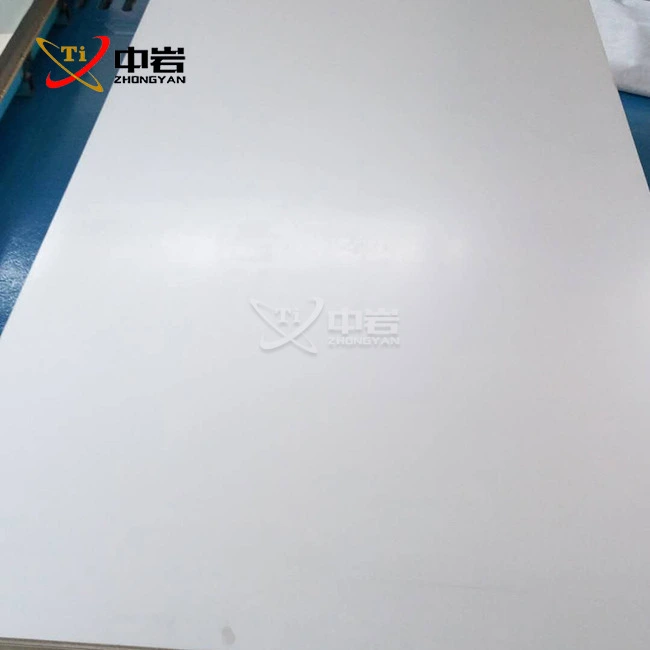
In healthcare uses, medical titanium alloy plates are the gold standard for safe materials because they have great strength-to-weight ratios and are very resistant to corrosion. These materials, which are approved by ASTM, are the most biocompatible ones that can be used in implants, surgical tools, and other medical devices. These specialized plates, which are mostly made in Grade 2 and Grade 5 shapes, meet the strict international quality standards while still providing the mechanical performance and biological safety needed for important medical uses.
Understanding Medical Titanium Alloy Plates: Composition and Properties
To get the best biocompatibility and mechanical performance, medical-grade titanium products use carefully controlled formulas. By understanding these basic traits, you can make smart decisions about what to buy for making medical devices.
Alloy Composition and Material Science
Most medical titanium alloy plates are made from Grade 2 economically pure titanium and Grade 5 (Ti-6Al-4V) shapes. Grade 2 titanium is made up of 99.2% pure titanium and a managed oxygen level of less than 0.25%. It is very biocompatible and doesn't rust. Grade 5 metals have a dual-phase microstructure made up of 6% aluminum and 4% vanadium. This makes the tensile strength go up to 895 MPa while keeping the biocompatible qualities. The aluminum part makes it stronger and less dense, and the vanadium part makes it harder to work with and more stable at high temperatures.
These changes in composition have a big effect on the mechanical qualities and suitability for use. Grade 2 materials are great for making complicated medical parts because they are easy to shape and join. Because grade 5 metals are stronger, they can be used to make load-bearing implants and surgical tools that need to last longer.
Mechanical Properties and Performance Characteristics
The mechanical performance of medical titanium plates has a direct effect on how well they work in the body and how long they last. Tensile strength values for grade 5 titanium are higher than 895 MPa, and yield strength values reach 828 MPa. This makes grade 5 titanium stronger than many stainless steel options while still having a 60% lower density. This edge in strength to weight makes patients less uncomfortable and improves the results of surgery.
When used in medicine, biocompatibility is the most important trait. Titanium's inactive oxide layer stops ions from entering living systems, so it doesn't cause the bad tissue reactions that happen with some other metal transplant materials. The modulus of elasticity (114 GPa) is very close to the mass of human bone. This means that there aren't as many stress buffering effects, which can make it harder for bone to grow around implants.
ASTM Standards and Quality Assurance
The production and quality standards for titanium plates used in medical uses are set by ASTM B265. These guidelines set exact limits on chemical makeup, mechanical properties, and size variations that are needed for consistent performance. To make sure the material is still solid, compliance verification tests include tension testing, chemical analysis, and microstructural evaluation.
Biocompatibility testing according to ISO 10993 guidelines is part of quality assurance processes that go beyond the basic ASTM requirements. These thorough tests look at cytotoxicity, sensitivity potential, and systemic toxicity to make sure the product is safe for human implants.
Advantages of Using ASTM Certified Titanium Alloy Plates in Medical Devices
When used in medical devices, ASTM-certified materials have clear benefits over other materials, which leads to better patient results and longer device life.
Superior Biocompatibility and Patient Safety
The main reason titanium is used in medical uses is that it is biocompatible. Because the material is harmless, it doesn't cause immune responses, tissue inflammation, or allergic reactions that are common with other metal devices. In dentistry uses, clinical studies show that titanium implants have osseointegration rates higher than 95%. This means that bone cells directly bond to the titanium surface without fibrous tissue formation.
This biocompatible performance means fewer patients will need to have corrective surgery and better long-term results for patients. Studies on orthopedic implants have shown that titanium devices stay stable for decades, while similar stainless steel implants often need to be replaced because of problems caused by rust.
Enhanced Corrosion Resistance in Biological Environments
Biological fluids are very corrosive, which makes it hard for implant materials to work. Chloride levels in body fluids are higher than 3,500 parts per million (ppm), which makes them active conditions that break down many metals quickly. Titanium's inactive oxide layer makes it very resistant to galvanic corrosion, pitting corrosion, and crevice corrosion in these tough conditions.
The American Society for Testing and Materials did research that shows that titanium alloy plates have steady corrosion rates below 0.1 mm/year in settings that mimic body fluids. Stainless steel, on the other hand, has rates that are over 2.5 mm/year in the same conditions. This performance edge directly leads to longer gadget service life and fewer failures.
Case Studies in Orthopedic and Dental Applications
The performance benefits of ASTM-certified titanium materials have been proven by data from real-world applications. A large study of 10,000 titanium hip implants showed that 98.7% of them were still working after 15 years. The main reason for failure was wear and tear, not material degradation. Similar studies of stainless steel implants showed that 87% of them survived, but some of them failed because of rust.
Dental implants are another example of how titanium's practical benefits are proven. Over 50,000 titanium tooth implants have been studied, and the results show that 96% of them are still working after 10 years. This is true for a wide range of patient groups and anatomical sites.
Procurement Insights: Selecting the Right ASTM Certified Medical Titanium Alloy Plates
To make good purchasing plans for medical titanium materials, you need to look at a supplier's skills, the material's certifications, and the needs of the specific application.
Supplier Evaluation and Quality Systems
To find trusted suppliers, you need to look at their technical skills, past of following regulations, and quality control systems. ISO 13485 approval shows that a supplier is dedicated to high standards for medical devices, and FDA registration shows that the supplier is following the rules for entering the US market. Suppliers should give full material tracking records, such as heat lot records, chemical analysis reports, and test results for mechanical properties.
Another important decision factor is the ability to provide technical help. Suppliers who are knowledgeable in metallurgy can help with choosing the right materials, setting the right working conditions, and making the best use of them for each purpose. When making custom OEM solutions or meeting specific performance needs, this expert relationship is especially helpful.
Grade Selection and Application Matching
Grade 2 titanium is best for uses that need maximum biocompatibility with modest strength needs, like cranial plates, mesh implants, and parts of surgery instruments. It is very easy to shape and weld, so it can be used to make complicated shapes and structures with more than one part.
Grade 5 metals are used for high-stress tasks like making orthopedic implants, tooth implant fixtures, and cutting tools for surgery. The improved mechanical qualities meet the needs for load-bearing while keeping the friendly performance. For certain uses, custom heat treatment can find the best mix between strength and flexibility.
Supply Chain Considerations and Lead Time Management
Making medical devices needs supply lines that work well, with wait times that can be predicted and quality that stays the same. Having ties with several qualified suppliers gives you peace of mind about your supply while also letting you set prices that are affordable. When managing raw material inventories, it's important to keep enough safety stock on hand to keep production going even if the main sellers take 8 to 12 weeks to deliver.
For global operations, things to think about include the right way to package titanium because its surfaces are easily scratched, the paperwork needed to get it through customs, and the need to store it at a certain temperature. These complicated transportation needs are made easier by suppliers who have experience moving goods internationally.
Machining and Handling Medical Titanium Alloy Plates: Best Practices
The biocompatible qualities and mechanical performance characteristics that are needed for medical uses must be kept by using the right processing methods.
Precision Machining Techniques
When working with titanium, you need to use special techniques to keep the surface clean and free of contamination. Cutting tools that are sharp and have positive edge angles reduce cutting forces and keep work from hardening. Flood cooling stops heat damage that might make something less biocompatible by changing the way it is made or making the surface dirty.
Cutting speeds should stay below 300 surface feet per minute, and feed rates should be set so that chips are always being made. When cuts are interrupted or tools wear out too quickly, they leave surface flaws that can grow germs or cause fatigue fails in the field.
Surface Treatment and Finishing Requirements
For medical uses, the skin finish must meet certain standards to ensure biocompatibility and efficiency. Ra values usually fall between 0.1 and 0.8 micrometers, but this depends on the application. For example, implant surfaces need to be managed to be rough so that they can fuse with the bone.
By improving the thickness and make-up of the oxide layer, passivation processes with nitric acid liquids make things more resistant to corrosion. To get regular results, these methods must follow the rules set out in ASTM A967, which means they can't add any contaminants that could hurt biocompatibility.
Quality Control and Testing Protocols
Inspection of new materials, including checking mill test papers and dimensional conformance, is the first step in complete quality control. In-process tracking keeps an eye on cutting parameters, tool wear, and measures of the surface finish to make sure that quality stays the same throughout production runs.
Non-destructive testing methods, such as dye penetrant screening, find flaws on the surface that could affect how well something works or let contaminants in. Mechanical testing confirms the strength qualities and makes sure that the heat treatment method keeps the desired properties.
Leading Brands and Suppliers of ASTM Certified Medical Titanium Alloy Plates
There are many producers of medical-grade titanium products in the global market, and each one has different skills and areas of expertise.
International Supplier Landscape
Titanium Metals Corporation (TIMET) is the leader in supplying titanium to the aircraft and medical industries. They offer full material certifications and expert support services. Their range of products includes both commercially pure and alloyed types, all of which come with full paperwork that shows how they were made. ATI (Allegheny Technologies) offers similar services, but they are especially good at making unique alloys and providing specialized processing services.
VSMPO-AVISMA is the biggest titanium maker in the world. They have a lot of experience using titanium in medical settings and have set up quality systems that meet international standards. From processing raw materials to selling produced goods, they are vertically integrated, which lets them keep quality under control and offer low prices.
Suppliers in Baoji use the resources of China's titanium valley to make medical products that are affordable. To serve medical device makers around the world, these providers have put a lot of money into quality processes and technical skills.
Zhongyan's Competitive Position
Zhongyan Titanium takes advantage of its prime location in China's Titanium Valley to offer high-quality medical products at prices and quality levels that are higher than those of its competitors. Our ISO 9001:2015-certified operations make sure that quality control is maintained throughout the whole production process. Our professional team also helps customers choose the right materials and make the best use of them.
Our wide range of products includes titanium alloy plates in Grades 1, 2, 4, and 5, and we can make them in any size, from 0.5 mm thick to 100 mm thick. Our precision surface finishing skills meet the strict needs of medical device uses, and our compliance with ASTM B265 and AMS standards makes sure that our products are compatible with international quality standards.
Conclusion
Certified to ASTM standards, medical titanium alloy plates are the best material for safe medical uses that need high mechanical performance and resistance to rust. These materials are essential for making current medical devices because they are biocompatible, lightweight, and very strong. The best performance and compliance with regulations are guaranteed by choosing the right source, matched grades, and processing methods. As medical technology keeps getting better, ASTM-certified titanium materials will continue to be important for making new devices and helping patients get better.
FAQ
What grades of medical titanium alloy plates are most commonly used?
The most common types of titanium used in medicine are Grade 5 (Ti-6Al-4V) and Grade 2, which is commercially pure titanium. Grade 2 is the most biocompatible and is best for implants that need to be moderately strong. Grade 5 is better for load-bearing uses like orthopedic implants and has better mechanical qualities.
How do ASTM standards ensure medical device compatibility?
The ASTM B265 guidelines set tight limits on the chemical make-up, mechanical properties, and testing methods for medical titanium plates. These standards make sure that biocompatibility, resistance to corrosion, and mechanical performance are always the same across sources and production runs.
What surface finish requirements apply to medical titanium plates?
Surface roughness levels in medical settings usually need to be between 0.1 and 0.8 micrometers Ra, but this depends on the purpose. Controlled roughness may be needed on implant surfaces to help osseointegration, while surgery tools need smooth finishing to keep bacteria from sticking and make sterilization work well.
Contact Zhongyan for Premium Medical Titanium Alloy Plates
With our wide range of ASTM-certified titanium alloy plates, Zhongyan Titanium is ready to help you meet your needs for making medical devices. Our ISO 9001:2015-certified factory in China's Titanium Valley uses cutting-edge production techniques and strict quality control to make materials that can be used in the most demanding medical situations. Whether you need standard grades or OEM solutions that are made just for you, our technical know-how and dependable supply chain will make sure that the project goes smoothly from the first request to the final delivery. As a reliable provider of titanium alloy plates, we offer reasonable prices, full material traceability, and quick customer service. Get in touch with our technical team at sales@titaniumstudy.com to talk about your needs and find out how our biocompatible titanium products can help you with the creation of medical devices.
References
1. ASTM International. "Standard Specification for Titanium and Titanium Alloy Strip, Sheet, and Plate." ASTM B265-20, Annual Book of ASTM Standards, Vol. 02.04, 2020.
2. Niinomi, Mitsuo. "Mechanical Biocompatibilities of Titanium Alloys for Biomedical Applications." Journal of the Mechanical Behavior of Biomedical Materials, Vol. 1, 2008, pp. 30-42.
3. Rack, Henry J., and Quesnel, Jean M. "Titanium Alloys for Biomedical Applications." Materials Science and Engineering: C, Vol. 26, 2006, pp. 1269-1277.
4. Williams, David F. "Biocompatibility of Clinical Implant Materials: Volume II." CRC Press, Boca Raton, Florida, 1981.
5. Brunette, Donald M., et al. "Titanium in Medicine: Material Science, Surface Science, Engineering, Biological Responses and Medical Applications." Springer-Verlag, Berlin Heidelberg, 2001.
6. Geetha, M., et al. "Ti Based Biomaterials, the Ultimate Choice for Orthopaedic Implants - A Review." Progress in Materials Science, Vol. 54, 2009, pp. 397-425.
(1)_1755652858819.jpg)
Learn about our latest products and discounts through SMS or email