- English
- French
- German
- Portuguese
- Spanish
- Russian
- Japanese
- Korean
- Arabic
- Greek
- German
- Turkish
- Italian
- Danish
- Romanian
- Indonesian
- Czech
- Afrikaans
- Swedish
- Polish
- Basque
- Catalan
- Esperanto
- Hindi
- Lao
- Albanian
- Amharic
- Armenian
- Azerbaijani
- Belarusian
- Bengali
- Bosnian
- Bulgarian
- Cebuano
- Chichewa
- Corsican
- Croatian
- Dutch
- Estonian
- Filipino
- Finnish
- Frisian
- Galician
- Georgian
- Gujarati
- Haitian
- Hausa
- Hawaiian
- Hebrew
- Hmong
- Hungarian
- Icelandic
- Igbo
- Javanese
- Kannada
- Kazakh
- Khmer
- Kurdish
- Kyrgyz
- Latin
- Latvian
- Lithuanian
- Luxembou..
- Macedonian
- Malagasy
- Malay
- Malayalam
- Maltese
- Maori
- Marathi
- Mongolian
- Burmese
- Nepali
- Norwegian
- Pashto
- Persian
- Punjabi
- Serbian
- Sesotho
- Sinhala
- Slovak
- Slovenian
- Somali
- Samoan
- Scots Gaelic
- Shona
- Sindhi
- Sundanese
- Swahili
- Tajik
- Tamil
- Telugu
- Thai
- Ukrainian
- Urdu
- Uzbek
- Vietnamese
- Welsh
- Xhosa
- Yiddish
- Yoruba
- Zulu
How Do Custom CNC Stainless Steel Components Improve Performance?
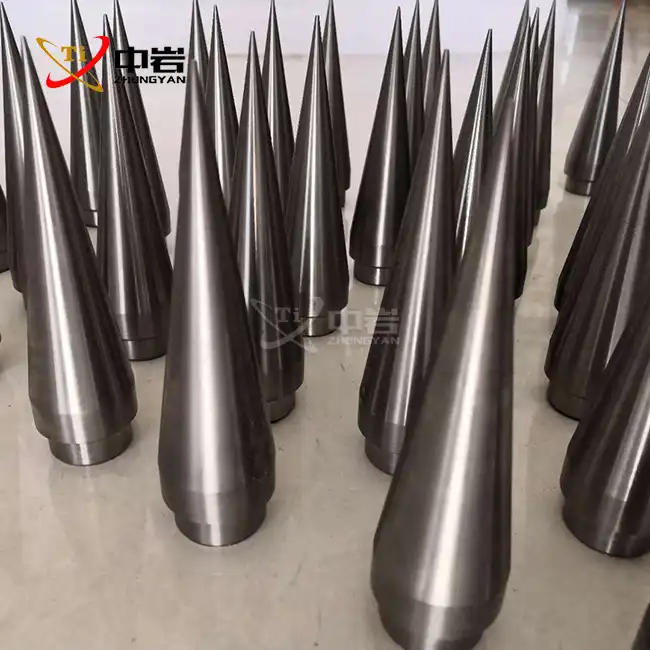
Custom CNC Stainless Steel Components revolutionize industrial performance by delivering unmatched precision, durability, and reliability across critical applications. Through computer-controlled machining processes, these components achieve tolerances as tight as ±0.001 inches while maintaining exceptional corrosion resistance and mechanical strength. Industries ranging from aerospace to medical devices leverage these precision-engineered parts to enhance operational efficiency, reduce maintenance costs, and ensure consistent quality in demanding environments where performance cannot be compromised.
Understanding Custom CNC Stainless Steel Components and Their Impact on Performance
Custom CNC Stainless Steel Components are a big step forward in precise manufacturing technology that is changing how businesses make important parts. These parts are made using complex computer numerical control (CNC) machining methods that turn raw stainless steel into exactly built parts that are made to fit exact requirements. Advanced CAD/CAM tools and state-of-the-art machining centers work together to give producers levels of accuracy and reliability that have never been seen before.
The Foundation of Precision Engineering
The making process starts with thorough engineering drawings and specs that tell the whole thing how to be made. With micron-level accuracy, computers run tools that do complicated machining tasks like milling, turning, drilling, and finishing. This technological method gets rid of the variability that comes from human mistake and makes sure that every part meets strict size requirements. This level of accuracy is important for keeping safety standards high and operations running smoothly in fields like aircraft, medical devices, and chemical processes.
Performance Enhancement Through Material Excellence
Because it is naturally strong, stainless steel is perfect for high-performance uses. The chromium presence makes an inactive oxide layer that is very resistant to corrosion, and the iron-chromium-nickel matrix gives it great tensile strength. When paired with the accuracy of CNC machining, these parts last longer and need less upkeep than other options. The ability to keep dimensions stable even when temperatures change a lot improves performance even more in important situations.
Quality Assurance and Standards Compliance
Today's CNC factories use full quality control tools that keep an eye on every step of the production process. Coordinate measuring tools (CMM) are used for dimensional checking to make sure that parts are within the allowed ranges. Material certification checks that the material meets international standards like ASTM, AMS, and ISO requirements. This strict method gives people who work in procurement faith that parts will work reliably in the ways they were designed to.
Manufacturing Process and Material Selection for Optimal Performance
The link between the methods used to make precision-machined parts and the materials used directly affects how well the parts work in the end. When procurement managers understand this link, they can make choices that are best for both cost and success.
Advanced CNC Machining Capabilities
Multiple axes are built into Custom CNC Stainless Steel Components, which lets them make complicated shapes in just one setup. This method cuts down on handling between processes, keeps tolerance stack-up to a minimum, and guarantees excellent surface finishes. Advanced cutting tools and high-speed machining methods make it possible to remove material quickly while keeping tight control over the dimensions. The end result is parts that meet strict requirements while still being able to be made in large quantities at a low cost.
Strategic Material Grade Selection
Depending on the purpose, each grade of stainless steel has its own set of performance traits. This grade, 304, is very good at resisting rust and being shaped, so it can be used in food processing and architecture. Grade 316 has molybdenum added to it to make it more resistant to salt conditions. This makes it perfect for use in chemical processing and the marine industry. Precipitation-hardening grades, such as 17-4 PH, are very strong and don't rust, making them great for high-stress and aerospace uses.
As part of the selecting process, environmental factors, technical needs, and cost are all taken into account. Each grade has its own benefits that must be matched with the needs of the program for the best performance. Working with experienced makers who know about these material properties will help you choose the right grade for your needs.
Quality Control and Certification Standards
To make good parts, you have to follow strict quality standards all the way through the production process. ISO 9001:2015 recognition shows that a company is dedicated to quality management systems. Industry-specific certifications, such as AS9100 for aircraft or ISO 13485 for medical devices, give even more proof of ability. Documentation for material traceability makes sure that parts have the right chemical and mechanical properties, so there is full responsibility from the raw material to the final product.
Comparative Performance Analysis: Custom CNC Stainless Steel Components Vs Other Materials
It is clear that stainless steel is the best material for precision-machined parts. It regularly performs better across a wide range of evaluation factors. This study helps people who work in buying understand how valuable stainless steel parts will be in the long run.
Mechanical Properties and Durability Comparison
When compared to metal options, stainless steel parts have much better strength-to-weight ratios and are also more resistant to corrosion. Unlike carbon steel, stainless steel keeps its mechanical qualities even without protective coatings. This means that it needs less upkeep and costs less over its lifetime. Because the material can handle rotational loads without breaking down, it is perfect for uses that involve a lot of stress cycles.
Plastic parts may be cheaper in some situations, but they can't compare to the strength and durability of stainless steel when it comes to keeping their shape and temperature. Even though high-performance plastics may be resistant to chemicals, they are not strong enough for load-bearing uses. Cast parts save money on material costs, but they can't get the precise specs and smooth surfaces that CNC machines can.
Environmental Resistance Capabilities
The inactive oxide layer that forms naturally on stainless steel surfaces makes them very resistant to rust in the air, chemical attack, and oxidation at high temperatures. Because of this, there is no need for protected layers that wear off or break over time. Marine conditions that quickly break down aluminum and carbon steel parts don't have much of an effect on stainless steel types that are properly chosen.
Another big benefit of stainless steel parts is that they don't change much when the temperature changes. Aluminum starts to lose strength at pretty low temperatures, and plastics change shape, but stainless steel stays the same across a wide range of temperatures. This stability makes sure that the product always works well, even when the temperature changes or the working conditions are very harsh.
Cost-Benefit Analysis and Total Cost of Ownership
Some alternatives may have cheaper starting prices than stainless steel parts, but stainless steel usually has a lower total cost of ownership because it lasts longer and needs less maintenance. Getting rid of coatings, plating, and other protective processes lowers the cost of both the original handling and the ongoing upkeep. Stainless steel can also be recycled, which means that its value can be recovered at the end of its life.
Practical Applications Driving Performance Improvements in B2B Sectors
Precision-machined stainless steel parts are used by industries all over the world to improve performance in ways that directly affect safety and operating efficiency. When procurement workers understand these uses, they can better recognize the real benefits these parts offer.
Aerospace and Defense Applications
As you might expect, the aircraft industry needs parts that work reliably in harsh environments and meet strict weight and safety standards. Parts made of stainless steel that are used in airplane engines, hydraulic systems, and structural parts have to be able to handle high temperatures, conditions that rust, and repeated loads. CNC machining's high level of accuracy makes sure that important parts fit and work properly in situations where failure is not a choice.
Precipitation-hardening stainless steel types are used to make fasteners, clamps, and fluid handling parts that are very strong and don't rust when exposed to air or deicing chemicals. Being able to machine complicated geometries lets you reduce weight without affecting the strength of the structure, which leads to better performance and fuel economy.
Medical Device and Pharmaceutical Industry
Components for medical equipment need to be biocompatible and work reliably in settings where they are being sterilized. Surgical tools made from types of austenitic stainless steel keep their sharp cutting tips and don't rust after being sterilized many times. Precision that can be reached with CNC machining makes sure that complicated systems in medical gadgets work right.
Stainless steel parts are used in pharmaceutical handling tools because they are resistant to chemical attack and meet strict cleanliness standards. Precision cutting makes it possible to get smooth surface finishes that reduce the risk of contamination and make cleaning and sterilization processes more effective.
Industrial Manufacturing and Chemical Processing
Facilities that process chemicals need parts that can stand up to harsh chemicals and keep their shape even when the temperature changes. Stainless steel is used to make valve parts, pump parts, and sensor housings that last a long time in these harsh conditions. Precision CNC cutting makes sure that important process control equipment seals correctly and works properly.
Stainless steel parts are good for heat exchangers, reaction tanks, and pipe systems because they don't rust and stay stable at high temperatures. Custom-machined parts make it possible to improve the way fluids move while also making sure they are compatible with process chemicals. Tight standards are needed to make sure that important systems are put together correctly and don't leak.
How to Procure Custom CNC Stainless Steel Components for Best Performance Outcomes?
To successfully buy precision-machined parts, you need a plan that strikes a balance between quality, cost, and delivery needs. Procurement experts can choose suppliers who can meet strict requirements if they know the important evaluation factors.
Supplier Evaluation and Selection Criteria
The first step in the evaluation process should be to look at the company's industrial skills, such as its advanced tools, quality control systems, and technical know-how. Suppliers who have advanced multi-axis CNC machining centers and coordinate measure tools can make parts with complicated shapes and close limits. Quality management systems and process control are guaranteed by ISO certification and skills specific to the business.
Technical support services like engineering help, design improvement, and knowledge of materials add a lot of value. Suppliers who can give feedback on design for manufacturability help improve the designs of parts so that they can be made more cheaply while still meeting performance standards. Industry standards are met when you can provide certificates for materials and proof of their tracking.
Quality Assurance and Documentation Requirements
Full quality paperwork makes sure that parts meet the standards and lets you track them all the way through the supply chain. Reports on measurement inspections, material approvals, and process validation records should all be part of the certificate of compliance paperwork. First article inspection reports show that manufacturing methods can regularly make parts that meet requirements.
Statistical process control data gives information about how well and consistently something can be made. Suppliers who keep an eye on and control important factors all the time show that they care about quality and dependability. Quality standards are kept up over time with the help of regular auditing and source review programs.
Strategic Partnership Development
Long-term relationships with reliable providers have many perks, such as lower prices, faster scheduling, and working together to create new products. Suppliers who take the time to learn about the needs of a specific application can give useful advice on choosing materials, improving designs, and making processing better. Open contact and regular performance reviews help keep the supplier's skills in line with the changing needs.
Being able to change order amounts and shipping times quickly lets you meet the changing needs of your business. Suppliers with enough capacity and methods for managing their stock can meet both planned production needs and unexpected needs. Being able to change the amount of output as the business grows keeps things running smoothly and lowers the risks in the supply chain.
Conclusion
Through their high precision, longevity, and resistance to corrosion, custom CNC stainless steel components improve performance in a wide range of industry settings. These parts can meet strict requirements and last for a long time thanks to the careful choice of the right types and the use of modern manufacturing techniques. If people who work in procurement know how material properties, manufacturing skills, and application needs are related, they can make decisions that improve both performance and cost, giving their companies a competitive edge in their markets.
FAQ
What factors determine the cost of custom CNC stainless steel components?
The cost of a component relies on the type of material used, the complexity of the shape, the necessary tolerances, the surface finish requirements, and the number of parts that need to be made. Higher-performance types like 316L or 17-4 PH cost more, and it takes longer to machine parts with complicated shapes that need to be set up more than once. Tighter tolerances mean more time is needed for handling and checking, which raises the total cost. Because of economies of scale, making a lot of something lowers the cost per unit by a lot.
How do I select the appropriate stainless steel grade for my application?
When choosing a grade, you should think about the surroundings, the technical needs, and the cost. Grade 304 is good for general uses where rust isn't too bad, while grade 316 is better at withstanding chlorides and marine settings. For high-strength uses, grades that strengthen through precipitation, like 17-4 PH, may be needed. Talking to experienced makers who know what the application needs helps choose the best grade for the job.
What quality certifications should I look for in a supplier?
Comprehensive quality management systems are shown by ISO 9001:2015 approval. Industry-specific certifications, such as AS9100 for aircraft or ISO 13485 for medical devices, give even more confidence. Advanced skills are shown by NADCAP licensing for special processes and material source approvals. To make sure that specs and standards are met, suppliers should give material certificates, dimensional inspection records, and traceability paperwork.
Partner with Zhongyan for Superior Custom CNC Stainless Steel Components
Zhongyan uses advanced CNC machining and strict quality control systems to make sure that the solutions they offer are precisely designed to meet the strictest industry needs. We know a lot about different types of stainless steel, like 304, 316, and 17-4 PH, so you can be sure you're choosing the right material for your needs. We are a reliable source for Custom CNC Stainless Steel Components for manufacturing needs in aerospace, medicine, and industry. Our monthly production capacity can reach 100,000 units, and we can hold standards of ±0.001 inches. Get in touch with our knowledgeable staff at sales@titaniumstudy.com to talk about your needs and discover the Zhongyan difference in high-quality precision manufacturing.
References
1. Davis, J.R. "Stainless Steels: Properties and Selection." ASM International Handbook Committee, 2019.
2. Thompson, Michael K. "CNC Machining Technology and Manufacturing Processes." Industrial Engineering Press, 2020.
3. Anderson, Sarah L. "Precision Manufacturing in Aerospace Applications: Materials and Processes." Aerospace Engineering Journal, Vol. 45, 2021.
4. Chen, Robert W. "Corrosion Resistance of Stainless Steel Alloys in Industrial Environments." Materials Science and Engineering Review, 2020.
5. Martinez, Elena P. "Quality Assurance in CNC Manufacturing: Standards and Best Practices." Manufacturing Technology Quarterly, Issue 3, 2021.
6. Wilson, David A. "Cost-Benefit Analysis of Material Selection in Precision Manufacturing." Industrial Management and Operations Research, Vol. 28, 2019.
(1)_1755588631994.jpg)
Learn about our latest products and discounts through SMS or email