- English
- French
- German
- Portuguese
- Spanish
- Russian
- Japanese
- Korean
- Arabic
- Greek
- German
- Turkish
- Italian
- Danish
- Romanian
- Indonesian
- Czech
- Afrikaans
- Swedish
- Polish
- Basque
- Catalan
- Esperanto
- Hindi
- Lao
- Albanian
- Amharic
- Armenian
- Azerbaijani
- Belarusian
- Bengali
- Bosnian
- Bulgarian
- Cebuano
- Chichewa
- Corsican
- Croatian
- Dutch
- Estonian
- Filipino
- Finnish
- Frisian
- Galician
- Georgian
- Gujarati
- Haitian
- Hausa
- Hawaiian
- Hebrew
- Hmong
- Hungarian
- Icelandic
- Igbo
- Javanese
- Kannada
- Kazakh
- Khmer
- Kurdish
- Kyrgyz
- Latin
- Latvian
- Lithuanian
- Luxembou..
- Macedonian
- Malagasy
- Malay
- Malayalam
- Maltese
- Maori
- Marathi
- Mongolian
- Burmese
- Nepali
- Norwegian
- Pashto
- Persian
- Punjabi
- Serbian
- Sesotho
- Sinhala
- Slovak
- Slovenian
- Somali
- Samoan
- Scots Gaelic
- Shona
- Sindhi
- Sundanese
- Swahili
- Tajik
- Tamil
- Telugu
- Thai
- Ukrainian
- Urdu
- Uzbek
- Vietnamese
- Welsh
- Xhosa
- Yiddish
- Yoruba
- Zulu
How to Select the Right Titanium Tube-to-Tube Connector for Your Project
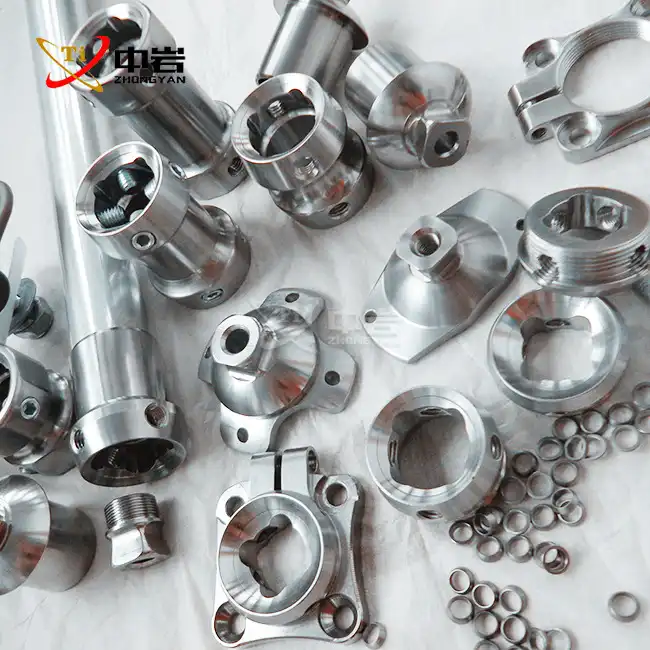
To get the best results from your Titanium Tube-to-Tube Connector, you need to carefully consider the material grade, application setting, and technical specs. These precision-engineered parts are used as important joining parts in places where failure is not an option, like in aircraft fuel systems, chemical processing lines, and medical device assemblies. You can make a choice that balances performance, longevity, and cost-effectiveness throughout the lifetime of your project if you know the differences between Grade 2 and Grade 5 titanium metals, as well as their pressure levels and ability to work with current tube systems.
Understanding Titanium Tube-to-Tube Connectors
These specialised fittings create secure, permanent or semi-permanent connections between titanium tubes in fluid handling and gas transfer systems. Unlike conventional connectors made from stainless steel, aluminium, or copper, titanium variants deliver unmatched corrosion resistance in aggressive chemical environments, superior strength-to-weight ratios critical for aerospace applications, and exceptional biocompatibility for medical device manufacturing.
Core Functions and Connection Mechanisms
The main job is to make leak-proof parts that keep the system together when the pressure changes, the temperature changes, and there is shaking. Threaded connections that meet NPT or BSP standards, compression fits that use rotational force to close, and soldered joints for fixed installations are some of the most common ways to connect things. Precision grinding tolerances—often getting surface values of 32 Ra or better—along with metal-to-metal contact make sealing possible. In high-temperature situations, this means that rubber seals are not needed.
Material Properties That Drive Performance
Titanium metals are very useful in tough industrial settings because they have special properties. The material keeps its shape at temperatures ranging from -320°F to 1000°F, and it doesn't expand or contract during this process, which can weaken joints. Titanium links lower system weight without losing strength because they have a density about 60% that of stainless steel. This is a huge benefit in aircraft use where every ounce counts. An inactive oxide layer forms naturally on titanium surfaces. This layer protects against rust and makes the material last much longer than other materials.
Comparative Performance Analysis
When looking at different types of connection materials, stainless steel has lower starting prices, but it can crack easily in naval settings because of chloride-induced stress corrosion. When it comes to weight, aluminium is great, but it's not strong enough for high-pressure uses above 3,000 PSI. Copper is very good at moving heat, but it corrodes quickly in acidic or alkaline process streams. Titanium connectors get around these problems by meeting a lot of different high standards at the same time. This makes them the best choice when operating efficiency can't be compromised.
Key Factors to Consider When Selecting Titanium Tube-to-Tube Connectors
Successful connector selection begins with a thorough assessment of your specific operational requirements and environmental conditions. We recommend documenting pressure ratings, temperature extremes, fluid chemistry, and vibration characteristics before engaging with suppliers. This systematic approach ensures the connectors you specify will perform reliably throughout their expected service life.
Project Requirements and Environmental Conditions
The specs of the Titanium Tube-to-Tube Connector that will work best for your product will depend on its surroundings. Connectors for aerospace fuel systems need to be able to handle hydraulic pressure while still being light. Chemical processing lines need materials that can stand up to strong acids, bases, and organic solvents at high temperatures. Marine desalination plants need links that can handle being exposed to saltwater without chloride staining or crevice rusting. Medical device parts need safe materials that meet FDA standards and have links that are clean and germ-free.
Compatibility and Sizing Considerations
The right size makes sure that links are safe without putting too much stress on them. We make tube connectors with diameters from 1/4" to 2", and we can also make them in unique sizes for specific uses. Thread compatibility is very important. For example, NPT threads are used in industrial systems in North America, while BSP threads are used in European installations. When threads don't fit, they don't seat properly, which can cause leaks and early failure. Always check the dimensions against the tubes you already have in stock to make sure the connection goes smoothly.
Performance Metrics and Mechanical Properties
Important performance signs include pressure rates of up to 10,000 PSI based on the size of the connection and the grade of the alloy, tensile strengths of more than 130 ksi for Grade 5 Ti6Al4V alloys, and wear resistance that stops cracks from spreading when the load is changed over and over. When it comes to chemical processing, Grade 2 commercially pure titanium is better at resisting rust, while Grade 5 titanium alloy is stronger for aircraft and high-pressure industrial systems. By knowing about these differences in materials, you can perfectly match the capabilities of a connection to your practical needs.
Installation and Maintenance Best Practices
The right way to put something together has a direct effect on how well and how reliably it works in the long run. We suggest that you carefully follow the torque specifications so that you don't damage the threads by overtightening or the seals by undertightening. Don't use copper-based substances that can cause galvanic rusting. Instead, use oils that work with titanium. Connections should be checked for signs of wear regularly, especially in places with a lot of shaking where fatigue failures usually start. By following preventive repair procedures, you can make connectors last longer and avoid unplanned breaks that can throw off production plans.
Titanium vs. Other Materials: Making an Informed Choice
Knowing the pros and cons of each connecting material helps you make data-driven buying choices that match the need for efficiency with the available budget. Initial prices for titanium connections are higher than those of other options, but the total cost of ownership is often lower when you consider the longer service life, less frequent upkeep, and no need to replace the connectors too soon.
Superior Corrosion Resistance in Aggressive Environments
Knowing the pros and cons of each connecting material helps you make data-driven buying choices that match the need for efficiency with the available budget. Initial prices for titanium connections are higher than those of other options, but the total cost of ownership is often lower when you consider the longer service life, less frequent upkeep, and no need to replace the connectors too soon.
Weight-to-Strength Ratio Advantages
Titanium is very resistant to oxidising acids, chlorides, and salt, which are all places where stainless steel breaks down quickly. We have proof of instances where chemical processing applications used stainless steel connections that broke within months, while titanium versions kept working reliably after years of constant contact. Because of this, expensive coverings or spare anodes are not needed, which makes system designs more complicated and require more upkeep.
Cost-Benefit Analysis and ROI Considerations
Titanium links are always chosen by aerospace engineers because they are as strong as steel but only about half as heavy. This decrease in mass directly leads to better fuel economy in aeroplanes and fewer structural support needs in spaceship systems. When used in large systems, changing hundreds of stainless steel connections with titanium ones can cut the system's mass by large amounts without affecting its structural stability or pressure ratings.
Market Validation and Customer Experience
After switching to titanium link systems, procurement teams in the aircraft, chemical processing, and medical device industries have seen big changes in how well their businesses run. Aerospace companies say that guarantee claims have gone down and aeroplane utilisation rates have gone up. Chemical companies have fewer unexpected shutdowns and pay less for insurance because their safety records are better. Medical device businesses are more consistent in meeting strict regulatory requirements, and product returns due to material fit problems are going down.
Where and How to Procure Quality Titanium Tube-to-Tube Connectors
Identifying reliable suppliers represents a critical success factor in obtaining connectors that meet your exacting specifications. We recommend evaluating potential partners based on manufacturing capabilities, quality certifications, and demonstrated expertise in precision titanium machining.
Certified Manufacturers and Supplier Evaluation Criteria
Reputable Titanium Tube-to-Tube Connector manufacturers maintain ISO 9001:2015 certification demonstrating consistent quality management practices. Look for suppliers offering material certifications traceable to ASTM B381 and ASME BPE standards that verify alloy composition and mechanical properties. Manufacturing facilities equipped with advanced CNC machining centres, precision measurement instruments, and controlled atmosphere welding capabilities indicate the technical competency required for producing high-quality connectors. At Baoji Zhongyan Titanium Industry Co., Ltd., our location in China's Titanium Valley provides direct access to premium titanium resources and specialised processing infrastructure that enables us to deliver precision-engineered connectors meeting the most demanding industry standards.
Purchasing Options and Customisation Capabilities
We offer flexible procurement pathways including standard catalogue items for common sizes, custom manufacturing for unique specifications, and volume production for OEM applications. Custom sizing accommodates specialised tube dimensions outside standard ranges. Thread customisation allows integration with proprietary systems or international standard variations. Surface treatment options, including electropolishing, achieve ultra-smooth finishes required for semiconductor manufacturing and pharmaceutical processing. Lead times for standard connectors typically range from two to four weeks, while custom designs require four to eight weeks depending on complexity and testing requirements.
Price Factors and International Logistics
Connector pricing reflects multiple variables including alloy grade selection, manufacturing complexity, order volume, and required certifications. Grade 5 titanium alloy commands premium pricing over Grade 2 commercially pure titanium due to higher raw material costs and more demanding machining parameters. Complex geometries requiring five-axis machining and tight tolerances increase manufacturing costs compared to simple straight connectors. Volume orders achieve significant economies of scale—bulk purchases often reduce per-unit costs by 20-35% compared to small quantity orders. International shipping considerations include proper packaging to prevent damage during transit, customs documentation for material certifications, and freight forwarding arrangements that balance cost efficiency against delivery timelines.
Quality Assurance and Testing Verification
Demanding applications require comprehensive testing documentation verifying connector performance characteristics. Pressure testing validates leak-free operation at specified ratings with adequate safety margins. Dimensional inspection confirms machining tolerances and thread accuracy. Material certification provides chemical composition analysis and mechanical property verification. Non-destructive testing, including dye penetrant inspection and radiographic examination, detects surface and subsurface defects that could compromise structural integrity. We maintain strict quality control throughout each production stage, from raw material selection through final inspection, ensuring every connector meets specified requirements before shipment.
Best Practices to Ensure Long-Term Success with Titanium Tube-to-Tube Connectors
Maximising connector performance and service life requires attention to installation techniques, material compatibility, and preventive maintenance protocols. We've identified common pitfalls that compromise system reliability and developed proven strategies to avoid these failure modes.
Common Installation Mistakes to Avoid
The most common reason why connectors fail too soon is bad fitting methods. When you overtighten threaded connections, you're going beyond the material's yield strength. This deforms the material permanently, which weakens the sealing surfaces and creates stress concentration sites where fatigue cracks can start. On the other hand, not enough tightening force lets tiny movements happen between connecting surfaces, which leads to stressing and wear and eventually leaks. Cross-threading during assembly breaks threads that were polished to be precise beyond repair. When different metals touch titanium connections, galvanic cells are made that speed up localised rusting. Always follow the torque specs given by the maker, make sure the threads are properly engaged before applying force, and make sure that all the materials used in the setup are compatible.
Optimising Sealing Performance and Accessory Selection
Finding the right closing methods for your Titanium Tube-to-Tube Connector is important for making sure that links don't leak. Precision-machined sides provide good metal-to-metal bonding in high-temperature situations where rubber seals would break down. Thread seals that work with titanium and your process fluids stop leaks from happening through flaws in the threads without letting in contaminants. With ferrule-type compression fittings, rotational pressure is spread evenly around the diameter of the tube. This makes strong seals that can handle changes in pressure. Choose safety rings, holding nuts, and support bolts made from materials that are compatible with your system to keep galvanic corrosion risks from entering it.
Maintenance Schedules and Inspection Protocols
Putting in place proactive repair programs makes connectors last longer and stops them from breaking down without warning, which can stop activities. We suggest an eye check every three months in safe settings, once a month in acidic ones, and once a week in important systems where failure would have serious effects. Check the connections for discolouration that could mean they've been heated too much, surface stains that could mean fluid is leaking, or physical distortion that could be caused by shaking or thermal cycles. To account for effects of setting and ease, retorque threaded connections once a year. Write down the results of the inspection so that you can set performance standards and spot trends of decline before they lead to failure. Instead of waiting for catastrophic failure, replace connections as soon as a check shows something that seems wrong.
Real-World Success Stories
Aerospace companies that use titanium connectors in hydraulic systems say that repair needs are 40% lower than when stainless steel connections were used. Titanium connections last 5 to 7 years, while unusual metal options only last 18 to 24 months in chemical processing plants with concentrated acid systems. Medical device businesses that use CNC-machined titanium connections in surgery tools can sterilise their instruments hundreds of times without any loss of performance. These recorded successes show the real practical and economic benefits that can be gained by choosing and installing the right connectors.
Conclusion
To choose the right tube connection for your tough medical, military, or industrial job, you need to carefully look at the material's features, the working conditions, and the supplier's abilities. Titanium connections have the best rust protection, the highest strength-to-weight ratios, and the longest reliability in harsh conditions where other materials fail quickly. You can improve system performance and keep costs down over its lifetime by knowing the differences between Grade 2 and Grade 5 metals, selecting the right pressure grades and measurements, and working with qualified makers who can do precise CNC cutting. Buying good titanium connectors is an investment that pays off because they last longer, require less maintenance, and are more reliable, which keeps your important systems running easily.
FAQ
Why should I choose titanium connectors over stainless steel for corrosive environments?
Titanium exhibits vastly superior corrosion resistance compared to stainless steel in chloride-containing and oxidising acid environments. The passive oxide layer forming naturally on titanium surfaces provides self-healing protection that prevents pitting, crevice corrosion, and stress corrosion cracking—failure modes commonly experienced with stainless steel in aggressive chemical processing and marine applications. While stainless steel may suffice in mild conditions, titanium becomes essential when operating reliability cannot be compromised.
Can you customise titanium connectors for our unique project specifications?
Absolutely. We specialise in OEM and ODM manufacturing, producing custom connectors tailored to your exact dimensional requirements, thread types, and alloy specifications. Our CNC machining capabilities accommodate complex geometries, non-standard sizes ranging beyond catalogue offerings, and special surface treatments including electropolishing. Custom projects typically require detailed drawings or samples, engineering review to confirm feasibility, and four to eight weeks for production depending on complexity and volume requirements.
What lead times should we expect for bulk titanium connector orders?
Standard catalogue connectors ship within two to four weeks for quantities up to several hundred units. Large volume orders exceeding 1,000 pieces require six to ten weeks to complete manufacturing, quality testing, and packaging. Custom designs need additional time for engineering review, prototype production, customer approval, and tooling preparation before full production begins. We recommend discussing your timeline requirements early in the procurement process so we can align manufacturing schedules with your project deadlines and arrange expedited processing when necessary.
Partner with Zhongyan for Precision-Engineered Titanium Tube-to-Tube Connectors
At Baoji Zhongyan Titanium Industry Co., Ltd., we combine decades of titanium processing expertise with advanced CNC machining capabilities to manufacture connectors that meet your most demanding specifications. Our location in China's Titanium Valley provides direct access to premium-grade materials and specialised manufacturing infrastructure, enabling us to deliver competitively priced solutions without compromising quality. Every connector we produce undergoes rigorous inspection and testing to verify compliance with ASTM, AMS, and ISO standards, ensuring reliable performance in your critical applications.
Whether you need standard sizes for immediate delivery or custom-engineered solutions for specialised requirements, our technical team stands ready to support your project from initial specification through final delivery. We offer flexible ordering options including sample requests for evaluation, volume pricing for production quantities, and OEM partnerships for ongoing supply relationships. As an experienced titanium tube-to-tube connector manufacturer, we understand the procurement challenges facing engineers and purchasing managers in aerospace, chemical processing, and medical device industries.
Contact our team today at sales@titaniumstudy.com to discuss your connector requirements and discover how our precision-manufactured titanium components can enhance your system reliability while reducing lifecycle costs. Visit www.titaniumstudy.com to explore our complete product range and request detailed technical specifications.
References
1. Davis, J.R. (2003). Titanium: A Technical Guide, 2nd Edition. ASM International, Materials Park, Ohio.
2. American Society for Testing and Materials. (2019). ASTM B381-19: Standard Specification for Titanium and Titanium Alloy Forgings. West Conshohocken, PA: ASTM International.
3. Schutz, R.W. & Watkins, H.B. (1998). "Recent Developments in Titanium Alloy Application in the Energy Industry." Materials Science and Engineering: A, 243(1-2), 305-315.
4. Aerospace Material Specification. (2020). AMS 4928: Titanium Alloy Bars, Wire, Forgings, Rings, and Drawn Shapes 6Al-4V. SAE International, Warrendale, Pennsylvania.
5. Donachie, M.J. (2000). Titanium: A Technical Guide for Engineers and Manufacturers. Technical Books International, Materials Park, Ohio.
6. International Organisation for Standardisation. (2015). ISO 9001:2015 Quality Management Systems—Requirements. Geneva, Switzerland: ISO Central Secretariat.
Learn about our latest products and discounts through SMS or email