- English
- French
- German
- Portuguese
- Spanish
- Russian
- Japanese
- Korean
- Arabic
- Greek
- German
- Turkish
- Italian
- Danish
- Romanian
- Indonesian
- Czech
- Afrikaans
- Swedish
- Polish
- Basque
- Catalan
- Esperanto
- Hindi
- Lao
- Albanian
- Amharic
- Armenian
- Azerbaijani
- Belarusian
- Bengali
- Bosnian
- Bulgarian
- Cebuano
- Chichewa
- Corsican
- Croatian
- Dutch
- Estonian
- Filipino
- Finnish
- Frisian
- Galician
- Georgian
- Gujarati
- Haitian
- Hausa
- Hawaiian
- Hebrew
- Hmong
- Hungarian
- Icelandic
- Igbo
- Javanese
- Kannada
- Kazakh
- Khmer
- Kurdish
- Kyrgyz
- Latin
- Latvian
- Lithuanian
- Luxembou..
- Macedonian
- Malagasy
- Malay
- Malayalam
- Maltese
- Maori
- Marathi
- Mongolian
- Burmese
- Nepali
- Norwegian
- Pashto
- Persian
- Punjabi
- Serbian
- Sesotho
- Sinhala
- Slovak
- Slovenian
- Somali
- Samoan
- Scots Gaelic
- Shona
- Sindhi
- Sundanese
- Swahili
- Tajik
- Tamil
- Telugu
- Thai
- Ukrainian
- Urdu
- Uzbek
- Vietnamese
- Welsh
- Xhosa
- Yiddish
- Yoruba
- Zulu
How to Choose the Right Titanium Pipe Flange Supplier?
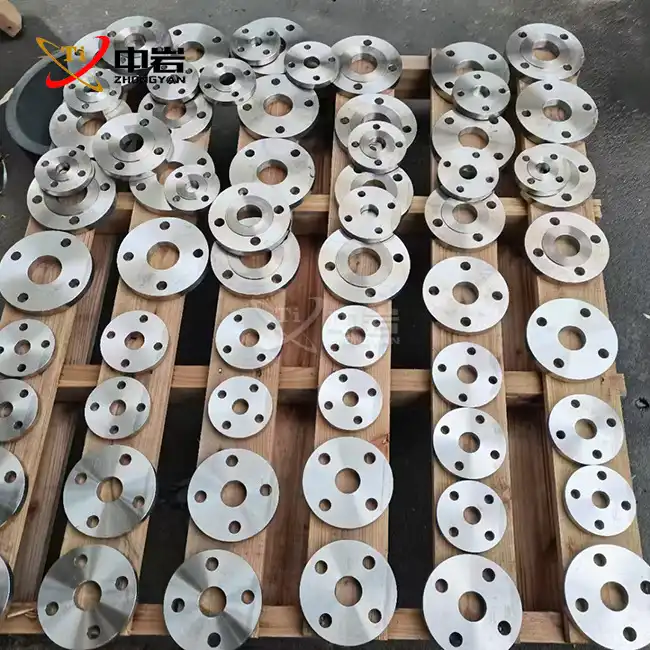
Finding the right source for titanium pipe flange parts needs a methodical process that weighs technical requirements, quality standards, and the chance of a long-term relationship. The choice affects not only the instant success of the project, but also the dependability of key uses in the marine, chemical processing, and aerospace industries. A good titanium pipe flange supplier should have a track record of producing Grade 2 titanium parts, hold a wide range of certifications, such as ASTM B363 compliance, and be able to consistently deliver parts with diameters from 1" to 24" and pressure ratings from ANSI 150 to 600.
Understanding Titanium Pipe Flanges and Their Applications
When it comes to connecting pipes, titanium flanges are a big step forward because they offer performance qualities that other materials can't match. These precisely designed parts are the backbone of high-stress industrial processes where failure of materials means huge loss and safety risks.
Core Properties and Material Advantages
Because Grade 2 titanium has such great qualities, these flanges are a must-have in harsh settings. With a strength-to-weight ratio better than regular stainless steel and half the density, titanium plates lower structural stress without affecting their mechanical integrity. The natural growth of an oxide layer on the material makes it more resistant to corrosion, especially in chloride-rich settings where regular metals break down quickly. Temperature ranges from -196°C to 400°C makes it possible to use it in a wide range of harsh environments, from cryogenics to high-temperature chemical processing. Titanium flanges are needed for specialized equipment where magnetic interference could mess up important processes because they are not magnetic.
Flange Types and Configuration Options
Different types of flange designs are needed for different types of connections in modern industry settings. For high-pressure systems, weld neck flanges make the strongest link. For moderate-pressure systems, slip-on designs give you more fitting options. Lap joint flanges work well in systems that need to be taken apart often for repair, and blind flanges do a good job of sealing the ends of pipelines. Titanium pipe flange specs usually list a width range from 10 to 40 mm to meet a variety of structural and pressure needs. There are both matte and polished surface finishes, so they can be optimized for different use settings and artistic needs.
Industry Applications and Performance Benefits
Titanium plates are used in chemical processing plants to handle harsh media that would quickly corrode other materials. When used in salt water, these parts don't get biofouling or microbiologically affected rust, which breaks down ferrous metals in months. Titanium flanges are used in condensers and heat exchanges in power plants where high temperatures and high salt levels make it hard for other materials to work. The aircraft industry uses the lightweight qualities for fuel systems and hydraulic connections, where lowering weight has a direct effect on how well they work. Titanium's biocompatibility and cleaning resistance make it a good material for making medical tools that will last for a long time in important healthcare settings.
Defining Your Procurement Needs: Setting the Right Criteria
A thorough description of requirements that takes into account both short-term project needs and long-term operating goals is the first step to successful procurement. Good specs keep misunderstandings from costing a lot of money and make sure that the goods provided meet all the needs of the application.
Application-Specific Requirements Analysis
The environment affects the choice of materials and the rules for design. When exposed to seawater, the corrosion resistance needs to be checked more closely, and when used in high-temperature situations, the thermal cycle skills need to be checked. When flanges come into contact with harsh chemicals like wet chlorine or strong acids, it is very important to test their chemical compatibility. Volume requirements influence supplier selection, as high-production capabilities become essential for large-scale projects. Factors that affect lead time must be taken into account when producing something, especially when it comes to custom sizes or surface treatments. When compared to engineered-to-order configurations, standard titanium pipe flange goods usually have faster shipping times.
Quality Certification and Compliance Standards
Following international standards makes sure that products are reliable and that they are accepted by regulators around the world. The ASTM B363 certification checks the makeup and mechanical features of the material, and the ISO 9001:2015 certification shows that the quality management is well-organized. When it comes to aerospace uses that need to be able to track things and prove their performance, AMS standards become very important. Different industries have different documentation needs. For example, nuclear uses need detailed material test records, while chemical processing needs proof of corrosion resistance. The ability of a supplier to provide full certification packages affects buying choices. This is especially true in regulated industries where failure to comply can cause project delays.
Cost Structure Understanding
Shipping, handling, and possible customs issues for foreign providers are also factors that affect prices, in addition to unit costs. Choosing the right material grade has a big effect on the price, with widely pure grades being cheaper than alloy mixtures. Costs depend on how hard it is to make something, since normal sizes are cheaper than custom designs. Volume discounts are usually given for bigger orders, so being able to negotiate with suppliers is important for getting the best deals on your budget. When buying things from other countries, you have to think about things like payment terms and the security of the currency. This means that you have to do both a technical and a financial risk assessment.
Comparing Titanium Pipe Flange Suppliers: What to Look For
When evaluating a supplier, you need to take a close look at their skills, quality processes, and ability to stay in business in the long run. Because making titanium is so complicated, it needs specialized knowledge that sets qualified sellers apart from general metal makers.
Manufacturing Capabilities and Equipment
Advanced manufacturing skills show how knowledgeable the provider is and how good the final quality could be. CNC machining centers make sure that the dimensions are correct and that the surface finish is consistent. Precision grinding equipment makes it possible to achieve very tight tolerances. Quality control instruments, such as coordinate measuring machines and material testing tools, show that you are serious about meeting specifications. An evaluation of a supplier's production capacity shows how well they can handle changing order numbers without affecting delivery times. Flexible production systems let you respond quickly to pressing needs while still meeting quality standards. To make titanium pipe flanges, you need special tools and ways to handle them that are normal practice for qualified sellers.
Certification and Quality Management Systems
Suppliers who have a lot of certifications show they care about quality and following the rules. Systematic quality management is shown by ISO 9001:2015 certification, and industry-specific certifications, like AS9100 for aircraft uses, give even more confidence. Material approvals, such as mill test certificates and chemical analysis records, make it possible to track materials and make sure they meet specifications. The ability to inspect suppliers lets you check the quality systems and industrial processes. Throughout the supply chain, the integrity of the product is protected by written rules for handling, storing, and sending. Statistical process control and continuous improvement plans should be part of quality management systems to make sure that performance stays the same over time.
Geographic Considerations and Supply Chain Resilience
Some of the perks of being in a good location when sourcing titanium pipe flanges are lower shipping costs, shorter wait times, and better communication. Suppliers in areas that are already known for making titanium often have access to specialized equipment and a skilled staff. In China, the titanium valley in Baoji is a center of knowledge with well-established processing and supply lines. As global transportation continues to face problems, supply chain robustness becomes more and more important for titanium pipe flange procurement. Suppliers who offer a range of shipping choices and inventory management tools are more reliable during times of disruption. Strategies for reducing risk, such as having backup sources and extra stockpiles, help make sure that titanium pipe flange supplies are always available.
Making an Informed Decision: Supplier Comparison Based on Core Factors
When making a choice, you need to carefully consider a lot of different factors that affect both the short-term success of the buying and the long-term value of the relationship. Technical skills need to match high standards and the ability to reliably perform.
Technical Expertise and Material Knowledge
Supplier knowledge of titanium engineering has a direct effect on the quality of the product and how well it works in certain situations. Knowing how heat treatment works, what to think about when welding, and the different surface treatment choices lets you make the right suggestion for each application. Suppliers can choose the best material for performance and cost because they have experience with different types of titanium. Technical support services, such as technical advice and help with applications, add value beyond just supplying products. When using titanium pipe flanges, you often need to know specifics about how to place them and how to make sure they work with other parts. Experienced providers can easily give you these details. The technical ability of the provider can be seen in the quality of their documentation, which includes technical sketches and specification sheets.
Quality Assurance and Testing Capabilities
Full testing skills make sure that the product meets all requirements and standards. Testing the material's mechanical properties, such as its tensile strength, yield strength, and stretch, proves that it is of good quality. Chemical makeup analysis checks that the grade is met and finds any possible contaminants that could hurt performance. Ultrasonic screening and dye penetrant testing are examples of non-destructive testing methods that can find problems inside that could affect the dependability of the service. Using coordinate measuring tools for dimensional checking ensures that specifications are met and that the product is made precisely. Quality paperwork, like test certificates and inspection records, proves compliance and makes it possible to track back to the source.
Delivery Performance and Logistics Management
Consistent shipping performance shows that the provider is reliable and that the business is running efficiently. Metrics for on-time delivery should show consistent performance over long periods of time, not just one instance of success. Titanium pipe flange delivery often has special handling and packaging needs that are taken care of by experienced providers as normal practice. Overall, project timelines are affected by logistics skills such as managing supplies and coordinating shipping. Suppliers with established shipping and delivery networks are more reliable and offer better value for money. Communication tools that give updates on the state of deliveries and tracking information help plan and organize projects better.
How to Initiate the Procurement Process with Your Chosen Supplier
A good buying start-up creates clear lines of communication and sets goals for a successful project completion. Specifications and paperwork that are very clear help avoid mistakes that could cause delivery delays or lower quality.
Request for Quotation Development
Full RFQ paperwork makes sure that prices and specifications are understood correctly. The technical specs should list the type of material, its size, its pressure number, and the required surface finish. Cost calculations and logistics plans can be more exact when you have correct quantity information, such as shipping schedules and preferred packaging. It is important to be clear about the quality standards, such as the need for certifications, tests, and documentation. During the quotation process, you should make sure that any special needs, like marking, packing, or tracking, are shared so that problems don't arise later. Titanium pipe flange specs may include things like how to weld them and how they should work with other parts, which can change how they are made.
Sample Evaluation and Quality Validation
By evaluating samples, you can make sure of the quality before placing big orders. Physical checking checks the accuracy of the measurements and the quality of the finish on the surface, while material testing checks the makeup and mechanical properties. Fit testing with real system parts makes sure that they work together and meet the fitting standards. Reviewing test papers and quality records in the supplier's paperwork shows how they handle quality and how much attention to detail they pay. The standards for judging samples should match the standards for accepting the final batch. This will make sure that the sample quantities are the same as the production amounts. The plan for evaluating samples should allow for thorough testing while still staying on track with project deadlines.
Contract Negotiation and Partnership Development
The terms of the contract should include requirements for quality, release dates, and performance standards. When making long-term supply deals, payment terms and price structures need to be carefully thought out. Warranty policies and processes for fixing defects protect against possible quality problems and make it clear who is responsible for what. Setting up rules for conversation and ways to handle relationships is part of building partnerships. Review talks and performance reviews that happen on a regular basis help keep everyone on the same page and find ways to improve. Supplier growth programs can help businesses get better at what they do and build stronger, long-lasting relationships that are good for everyone.
Conclusion
To find the best titanium pipe flange provider, you need to weigh their technical skills, quality assurance, and delivery trustworthiness against the possibility of a long-term relationship. The method of evaluating must take into account the knowledge of the materials, the ability to make them, and the conformity with industry norms. Clear definition of requirements, thorough evaluation of suppliers, and good communication throughout the engagement process are all important for successful buying results. Putting time and effort into carefully choosing a supplier pays off in the form of better product quality, more reliable shipping, and lower total cost of ownership over the lifespan of the product.
FAQ
What certifications should a titanium pipe flange supplier possess?
Some important certificates are ASTM B363 for material compliance, ISO 9001:2015 for quality management systems, and AMS for aerospace uses, among others. Suppliers should give full mill test records, chemical analysis results, and proof of mechanical properties. Third-party approval from well-known testing labs gives the product more authority and makes sure that compliance has been checked by a third party.
How long do custom titanium flange orders typically take?
Standard titanium pipe flange orders typically take two to four weeks to make and ship. Custom designs, on the other hand, can take up to eight weeks, based on how complicated they are. Lead times are affected by things like the supply of materials, the difficulty of making, the need for testing, and the distance of shipping. Faster handling may be able to handle rush requests, but there is usually a fee for this.
Can titanium flanges withstand seawater applications effectively?
Because they are so resistant to rust and stress corrosion cracking caused by chloride, titanium flanges work great in seawater situations. The inactive oxide layer of the material is better at protecting than stainless steel options. A temperature range from -196°C to 400°C can handle different ocean conditions while keeping the structure strong and the dimensions stable.
Partner with Zhongyan for Superior Titanium Pipe Flange Solutions
You can trust Zhongyan to make high-quality titanium pipe flanges because they have decades of experience working with titanium and the most up-to-date production equipment in China's titanium valley. We have a wide range of products, such as ASTM B363 Grade 2 flanges with diameters from 1" to 24" and pressure values up to ANSI 600. These are made under strict ISO 9001:2015 quality standards. Get in touch with our technical team at sales@titaniumstudy.com to talk about your unique needs and find out how our custom CNC machining and reliable delivery can help you get the best results from your project and ensure long-term operating success.
References
1. American Society for Testing and Materials. "Standard Specification for Titanium and Titanium Alloy Forgings." ASTM International Standards B381-17, 2017.
2. National Association of Corrosion Engineers. "Corrosion Resistance of Titanium in Marine Environments." NACE International Technical Publication 34109, 2019.
3. American Society of Mechanical Engineers. "Pipe Flanges and Flanged Fittings: NPS 1/2 through NPS 24 Metric/Inch Standard." ASME B16.5-2020, 2020.
4. International Organization for Standardization. "Quality Management Systems - Requirements for Aviation, Space and Defense Organizations." ISO 9001:2015 Guidelines, 2018.
5. Titanium Development Association. "Guidelines for Titanium Procurement in Industrial Applications." TDA Technical Bulletin 2021-03, 2021.
6. Welding Research Council. "Welding and Fabrication of Titanium Piping Systems." WRC Bulletin 524, Advanced Materials and Processes, 2020.
(1)_1755587348264.jpg)
(1)_1755588522797.jpg)
_1755673729494.jpg)
Learn about our latest products and discounts through SMS or email