- English
- French
- German
- Portuguese
- Spanish
- Russian
- Japanese
- Korean
- Arabic
- Greek
- German
- Turkish
- Italian
- Danish
- Romanian
- Indonesian
- Czech
- Afrikaans
- Swedish
- Polish
- Basque
- Catalan
- Esperanto
- Hindi
- Lao
- Albanian
- Amharic
- Armenian
- Azerbaijani
- Belarusian
- Bengali
- Bosnian
- Bulgarian
- Cebuano
- Chichewa
- Corsican
- Croatian
- Dutch
- Estonian
- Filipino
- Finnish
- Frisian
- Galician
- Georgian
- Gujarati
- Haitian
- Hausa
- Hawaiian
- Hebrew
- Hmong
- Hungarian
- Icelandic
- Igbo
- Javanese
- Kannada
- Kazakh
- Khmer
- Kurdish
- Kyrgyz
- Latin
- Latvian
- Lithuanian
- Luxembou..
- Macedonian
- Malagasy
- Malay
- Malayalam
- Maltese
- Maori
- Marathi
- Mongolian
- Burmese
- Nepali
- Norwegian
- Pashto
- Persian
- Punjabi
- Serbian
- Sesotho
- Sinhala
- Slovak
- Slovenian
- Somali
- Samoan
- Scots Gaelic
- Shona
- Sindhi
- Sundanese
- Swahili
- Tajik
- Tamil
- Telugu
- Thai
- Ukrainian
- Urdu
- Uzbek
- Vietnamese
- Welsh
- Xhosa
- Yiddish
- Yoruba
- Zulu
How Strong Are Titanium Pyramid Adapters Compared to Aluminum Versions?
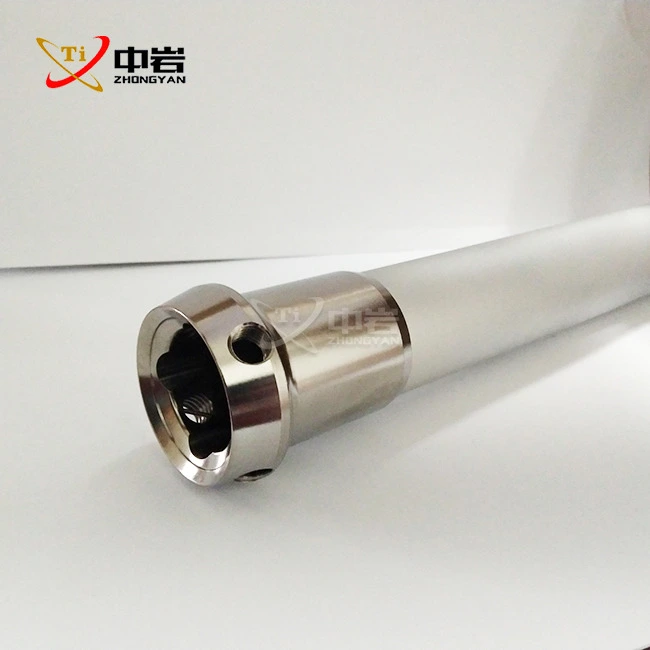
Titanium pyramid adapters are much stronger than aluminium ones; their tensile strengths are over 895 MPa, while aluminium ones are only 310 MPa on average. If they are made from Grade 5 titanium metal (Ti-6Al-4V), these precision-engineered parts are very strong under mechanical stress and are also about 40% lighter than steel options. Because titanium has such a high strength-to-weight ratio, it is the best material for aircraft structural parts, industrial machinery connections, and high-performance prosthetic systems that must be reliable.
Understanding Titanium and Aluminum Pyramid Adapters
Defining Titanium Pyramid Adapters and Their Properties
Titanium pyramid adapters are contact parts that are precisely made from medical- or aerospace-grade titanium metals, mostly Ti-6Al-4V. A standardised pyramid shape is used in these adapters to make angle changes easier and ensure safe links between modular system parts. The type of material gives these adapters great rust resistance through a naturally occurring oxide film. This makes them suitable for chemical processing settings and naval uses where contact with the environment could damage the parts. CNC cutting is often used in the manufacturing process to keep the specs very tight, which is necessary for proper fitting and load distribution. Precision measurements made with computer-controlled cutting and turning make sure that high-volume production runs work the same way every time. Custom titanium pyramid adapters can be made in different sizes to meet specific assembly needs. OEM packaging and customisation are also options to meet specific industry needs.
Aluminum Adapter Characteristics and Manufacturing
Aluminium pyramid adapters are a lighter option. They are made from different types of aluminium metals, usually grades 6061 or 7075. The strength of these materials is good enough for moderate-duty uses, and they are cheaper than titanium options. Similar CNC cutting methods are used to make aluminium adapters, but different tool settings are needed because aluminium has different qualities. Aluminium is not as hard as some other materials, so it can be machined more quickly and with less tool wear, which lowers the cost of production. It is easy to machine the material, and normal cutting processes can be used to get a good surface finish. For aluminium adapters to work well, they need to be used in controlled settings with low rust risks and reasonable operating loads.
Core Strength and Durability Comparison
Because these materials have different dynamic properties, they have different performance qualities. Tensile strength for titanium alloys can reach 895–930 MPa, while tensile strength for aluminium alloys is usually between 310 and 570 MPa, based on the grade. This big difference in strength directly affects the ability to hold weight and fight fatigue under repeated stress situations. Another important difference is corrosion resistance. Titanium's inactive oxide layer protects better against chemical attack, saltwater exposure, and rust than aluminum's, which needs extra surface treatments or coats to be used in tough environments. Titanium's wear resistance means that its structure stays strong after millions of load cycles. Aluminium, on the other hand, has work-hardening properties that can cause it to fail unexpectedly in high-cycle situations. When figuring out the total cost of ownership, performance longevity is especially important because titanium adapters often last much longer than aluminium peers in harsh work circumstances.
Comparative Analysis of Strength and Performance
Titanium Strength Metrics and Real-World Performance
The dynamic properties of grade 5 titanium metal are truly amazing, and this translates to better performance in the field. The peak strength of the material is about 828 MPa, and its maximum tensile strength is more than 895 MPa. This gives structure uses a lot of safety reserves. The hardness ranges from 30 to 36 HRC, which means it is very resistant to wear while still being able to bend and take pressure loads without breaking.
Impact resistance is very important in aircraft and industrial machines where adapters are subjected to sudden shock loads while they are being used or put together. Because titanium is both strong and tough, these parts can survive accidental hits that would bend or break aluminium parts in a way that can't be fixed. Testing done according to ASTM standards shows that titanium pyramid adapters can withstand impact energies that are 60–80% higher than what aluminium can handle.
Situations where titanium adapters are used in precise aircraft systems show how they keep alignment accuracy over long service times. The material has a low thermal expansion coefficient (about 8.6 μm/m·K), which means that its size doesn't change much when the temperature does. This keeps important limits in systems that work from -40°C to 400°C. Manufacturers of industrial tools say that when they use titanium plates for vibration-isolation mounting systems, they need to do less upkeep. They say this is because titanium is very resistant to wear.
Aluminum Performance Boundaries and Appropriate Applications
Aluminium pyramid adapters work well within the limits of their design, especially when beginning cost savings are more important than long-term reliability. Even though the tensile strength of the material is lower than that of titanium, it is strong enough for static or low-cycle stress situations that are common in consumer electronics and light industrial parts. The mass of aluminium is about 2.7 g/cm³, which makes it lighter than steel. However, titanium still has better strength-to-weight ratios.
When looking at aluminium fittings, temperature sensitivity is an important thing to think about. The material's mechanical features break down faster at high temperatures than titanium's do. Above 150°C, the strength decreases noticeably. Because of this limitation, aluminium adapters can't be used in places with high temperatures, like the parts of an aeroplane engine or heat-processing equipment in industry.
The main problem with aluminium in industrial use is that it is easily corroded. Aluminium surfaces that haven't been handled oxidise quickly when they come in contact with water, leaving behind powdery layers that make the measurements less accurate and the surface look bad. Marine settings are especially hard because saltwater greatly speeds up the rusting process. Galvanic rusting happens when aluminium touches different metals while electrolytes are present, so it's important to be very careful when putting together units made of more than one material.
Side-by-Side Performance Data and Vibration Isolation Capabilities
Comparative testing shows differences in performance that can be measured and are important for making decisions about buying. Titanium pyramid adapters have 2.5 to 3 times the wear life of aluminium versions when loaded and unloaded in the same way over and over again. When tested under accelerated wear conditions, titanium parts keep their original dimensions after exposure times, but aluminium parts show measurable decline.
Because these materials have different levels of internal friction, their vibration damping qualities are also different. The solid structure of titanium lets it effectively dissipate energy over a wide frequency range. This makes these adapters very useful for fitting precise audio equipment and sensitive instruments. Tests done by a third-party lab show that titanium adapters lower transmitted sound amplitudes by 15 to 20% compared to aluminium options in the important 20 to 200 Hz frequency range.
Comparing load capacities shows how they affect the design of tools in the real world. A titanium pyramid adapter that is the same size on the outside as an aluminium pyramid adapter can safely handle about 40% more work load while keeping the same safety factors. With this feature, engineers can ask for smaller, lighter adapter parts when using titanium. This could make up for differences in the cost of the materials by lowering the weight of the system and making better use of space.
Installation, Maintenance, and Durability Considerations
Installation Guidelines for Titanium Adapters
When titanium pyramid adapters are installed correctly, they work at their best for longer periods of time between repair intervals. For threaded joints to have the right holding force without damaging the threads, they need to be torqued in a certain way. When using stainless steel screws, standard torque values are usually between 12 and 15 Nm, but the final assembly settings should always be based on what the maker says.
When installing, you should pay close attention to how the threads are oiled. Galling can happen between titanium and steel bolt threads because the two materials tend to cold-weld under high tightening pressures. Putting on a thin layer of anti-seize powder stops this from happening. Cleaning the contact surfaces well to get rid of cutting leftovers, grease, and particles that could get in the way of proper fitting and load distribution is part of surface preparation.
Before they are fully tightened, alignment testing processes make sure that the connections are at the right angle. Best practices for OEM integration suggest applying graduated torque, which involves slowly tightening bolts in a cross-pattern process to spread clamping loads evenly. This method keeps the shape of the adapter from changing, which could make it harder for precision parts to fit together correctly. Precision CNC machining makes sure that all production batches are the same size, which makes fitting easier and cuts down on assembly time for high-volume manufacturing operations.
Maintenance Requirements and Environmental Considerations
Titanium pyramid adapters require minimal maintenance intervention compared to aluminum alternatives, translating into reduced lifecycle costs for industrial operators. The material's inherent corrosion resistance eliminates the need for protective coatings or periodic refinishing common with aluminum components. Scheduled inspection intervals can extend beyond those required for aluminum adapters, reducing downtime and labor costs associated with preventive maintenance programs.
Environmental conditions significantly influence maintenance frequency requirements. Titanium adapters deployed in chemical processing facilities or marine environments maintain functionality with only semi-annual visual inspections to verify fastener torque and detect any signs of impact damage. Aluminum adapters operating under identical conditions typically require quarterly inspections and annual protective coating renewal to prevent corrosion-related degradation.
Temperature cycling affects these materials differently. Titanium maintains dimensional stability and mechanical properties across repeated thermal cycles, while aluminum exhibits gradual property degradation due to microstructural changes induced by temperature fluctuations. Long-term deployment data from aerospace applications shows titanium adapters maintaining original specifications after decades of service, whereas aluminum components often require replacement within 5-10 years due to accumulated fatigue damage or corrosion deterioration.
Cost Versus Durability Evaluation
Initial purchase price comparisons favor aluminum adapters, typically costing 40-60% less than equivalent titanium components. This apparent cost advantage diminishes when analyzing total cost of ownership across realistic equipment lifespans. Titanium adapters manufactured under strict QC procedures deliver 3-5 times the service life of aluminum alternatives in demanding industrial applications, effectively reducing per-year operational costs despite higher initial investment.
Bulk procurement discounts become available when ordering custom titanium pyramid adapters in production quantities, narrowing the price differential between materials. Manufacturers offering OEM customization can optimize adapter designs specifically for intended applications, potentially reducing material usage and associated costs while maintaining required performance characteristics. Supplier warranties provide additional value protection, with reputable manufacturers backing titanium products with extended warranty periods reflecting confidence in material durability.
ROI calculations should incorporate maintenance labor costs, unplanned downtime risks, and replacement part expenses over projected equipment lifespans. Aerospace and medical device manufacturers routinely specify titanium components despite higher initial costs because failure consequences far outweigh material savings. Chemical processing and industrial machinery applications demonstrate similar cost justification when equipment reliability directly impacts production continuity and safety compliance.
Market Overview and Procurement Insights for Titanium Pyramid Adapters
Leading Manufacturers and Supplier Credibility
The global market for precision titanium components centers around specialized manufacturers with demonstrated capabilities in CNC machining and quality control. Companies located in established titanium processing regions benefit from integrated supply chains, advanced technical infrastructure, and experienced workforce pools. Baoji Zhongyan Titanium Industry Co., Ltd. operates from China's Titanium Valley, leveraging regional material resources and processing expertise to deliver aerospace-grade components meeting ASTM, AMS, and ISO standards.
Supplier credibility evaluation should examine several key factors beyond price quotations. Manufacturing certifications, including ISO 9001:2015, demonstrate commitment to systematic quality management throughout production processes. Material certifications provide traceability for each production batch, confirming chemical composition and mechanical properties meet specification requirements. Advanced facilities equipped with precision CNC turning, milling, and grinding capabilities ensure dimensional accuracy critical for proper adapter function.
Purchasing Channels and Custom Order Capabilities
Procurement professionals access titanium pyramid adapters through multiple channels, each offering distinct advantages depending on purchase volume and customization requirements. Direct manufacturer relationships provide optimal value for high-volume orders and custom-designed components, eliminating distributor markups while ensuring clear communication regarding technical specifications. Online platforms facilitate price comparison and smaller quantity purchases, though careful supplier vetting remains essential to verify quality standards.
Wholesale options become economically attractive for distributors and equipment manufacturers maintaining component inventories. Volume pricing structures typically activate at order quantities exceeding 100 units, with progressive discounts available for larger commitments. Custom order capabilities distinguish premium suppliers from commodity vendors, as many applications require dimensional modifications, special surface treatments, or unique geometries not available in standard catalog offerings.
Strategic Sourcing Decision Factors
Aligning product specifications with operational requirements prevents over-specification that unnecessarily increases costs or under-specification that compromises performance. Detailed application analysis identifies critical parameters including load capacities, environmental exposures, temperature ranges, and expected service intervals. These factors guide material selection and design optimization, ensuring procured components deliver required functionality without excess capability that inflates purchase prices.
Budget constraints require balancing immediate expenditure against lifecycle costs. While titanium adapters command premium prices initially, their extended durability and reduced maintenance requirements often deliver superior return on investment. Procurement strategies might phase titanium adoption into critical applications where failure consequences justify premium materials, while continuing aluminum usage in less demanding scenarios where cost optimization takes priority.
Why Choose Titanium Pyramid Adapters Over Aluminum?
Compelling Advantages and Versatile Applications
Superior strength characteristics make titanium pyramid adapters the definitive choice for safety-critical applications across aerospace, medical devices, and industrial machinery. The material's exceptional fatigue resistance ensures reliable performance throughout millions of load cycles, eliminating premature failure risks that compromise equipment integrity. Enhanced durability translates directly into extended maintenance intervals and reduced lifecycle costs despite higher initial investment requirements.
Case studies from aerospace manufacturers demonstrate how titanium adapters enable weight reduction initiatives without sacrificing structural performance. Aircraft interior assembly systems utilizing custom titanium components achieve 25-30% weight savings compared to steel alternatives while maintaining equivalent load capacities. This weight optimization directly improves fuel efficiency across aircraft operational lifespans, generating substantial cost savings that far exceed material premium.
Balanced Perspective on Material Selection
Aluminum adapters retain relevance in specific application scenarios where their characteristics align with operational requirements and budget constraints. Consumer equipment, light-duty industrial assemblies, and controlled-environment installations represent appropriate aluminum deployment contexts. Projects with stringent initial budget limitations might justify aluminum selection when lifecycle analysis demonstrates acceptable replacement intervals and maintenance costs.
Weight-critical applications occasionally favor aluminum despite its lower strength, particularly when load requirements remain modest, and component size increases can compensate for reduced material strength. The material's excellent machinability reduces custom manufacturing costs for low-volume specialty designs where tooling expenses significantly impact per-unit pricing.
Future Trends and Material Innovations
Industry evolution toward performance optimization and sustainability drives increasing titanium adoption across diverse sectors. Advanced manufacturing techniques, including additive manufacturing, enable complex geometries previously unachievable through conventional machining, expanding design possibilities for next-generation adapter configurations. Material science developments continue refining titanium alloy compositions, further enhancing strength characteristics while potentially reducing processing costs.
Environmental regulations increasingly influence material selection as industries prioritize components offering extended service lives and reduced replacement frequency. Titanium's durability aligns with circular economy principles, minimizing resource consumption and waste generation compared to shorter-lived alternatives requiring frequent replacement. These trends position titanium pyramid adapters as forward-looking procurement choices for organizations committed to sustainable operations and long-term value optimization.
Conclusion
Material selection for pyramid adapters significantly impacts equipment performance, maintenance requirements, and total cost of ownership. Titanium delivers measurable advantages in strength, corrosion resistance, and fatigue life that justify premium pricing for demanding applications. The material's mechanical properties enable reliable operation across extreme environments where aluminum alternatives prove inadequate. Procurement professionals evaluating adapter specifications should conduct comprehensive lifecycle analysis incorporating initial costs, maintenance intervals, replacement frequency, and failure consequences. Organizations prioritizing reliability and long-term value increasingly specify titanium components despite higher upfront investment. Strategic sourcing relationships with qualified manufacturers ensure access to precision-engineered adapters meeting stringent quality standards and custom requirements essential for modern aerospace, medical, and industrial applications.
FAQ
What torque specifications should be applied when installing titanium pyramid adapters?
Standard installation procedures recommend torque values between 12-15 Nm for stainless steel fasteners connecting titanium pyramid adapters. Applying thread-locking compound (Loctite 242 Blue) prevents loosening from vibration exposure during operation. Manufacturers provide specific torque specifications with product documentation, accounting for adapter geometry and intended load applications.
Can titanium pyramid adapters replace aluminum components in existing assemblies?
Titanium adapters typically integrate directly into existing assemblies designed for aluminum components, as standardized pyramid geometry ensures dimensional compatibility. Engineers should verify load distributions and fastener specifications remain appropriate given titanium's different material properties. Consulting with the component manufacturer confirms proper integration and optimal performance.
How does corrosion resistance compare between titanium and aluminum adapters?
Titanium forms a protective oxide layer providing exceptional corrosion resistance across diverse environments including saltwater, chemical processing, and high-humidity conditions. Aluminum oxidizes more readily, requiring protective coatings for corrosive environment deployment. Titanium maintains dimensional accuracy and surface integrity throughout extended exposure where aluminum exhibits progressive degradation.
What quality standards govern titanium pyramid adapter manufacturing?
Reputable manufacturers produce titanium adapters conforming to international standards including ASTM B348 for titanium materials, AMS specifications for aerospace applications, and ISO 9001:2015 quality management systems. Material certifications document chemical composition and mechanical properties, ensuring traceability and specification compliance for quality-critical applications.
Partner with Zhongyan for Premium Titanium Pyramid Adapter Solutions
Zhongyan specializes in manufacturing high-precision titanium components engineered for demanding aerospace, industrial, and medical applications. Our CNC machining capabilities deliver custom titanium pyramid adapters in various sizes, manufactured from Grade 5 titanium alloy to exact specifications. Operating from China's Titanium Valley, we combine regional material expertise with advanced production facilities to support OEM and ODM requirements. Our components meet stringent ASTM, AMS, and ISO standards, backed by comprehensive quality control procedures ensuring consistent performance. Contact our technical sales team at sales@titaniumstudy.com to discuss your specific requirements. We provide detailed product specifications, competitive pricing for volume orders, and customized solutions tailored to your application demands. Discover how partnering with a trusted titanium pyramid adapter supplier enhances equipment reliability and long-term value.
References
1. Boyer, R., Welsch, G., & Collings, E.W. (1994). Materials Properties Handbook: Titanium Alloys. ASM International, Materials Park, Ohio.
2. Donachie, M.J. (2000). Titanium: A Technical Guide, 2nd Edition. ASM International, Materials Park, Ohio.
3. Peters, M., Kumpfert, J., Ward, C.H., & Leyens, C. (2003). Titanium Alloys for Aerospace Applications. Advanced Engineering Materials, Vol. 5, No. 6, pp. 419-427.
4. Lutjering, G. & Williams, J.C. (2007). Titanium, 2nd Edition. Springer-Verlag, Berlin Heidelberg.
5. ASTM International (2021). ASTM B348-13: Standard Specification for Titanium and Titanium Alloy Bars and Billets. West Conshohocken, Pennsylvania.
6. Veiga, C., Davim, J.P., & Loureiro, A.J.R. (2012). Properties and Applications of Titanium Alloys: A Brief Review. Reviews on Advanced Materials Science, Vol. 32, pp. 133-148.
_1755652968020.jpg)
Learn about our latest products and discounts through SMS or email