- English
- French
- German
- Portuguese
- Spanish
- Russian
- Japanese
- Korean
- Arabic
- Greek
- German
- Turkish
- Italian
- Danish
- Romanian
- Indonesian
- Czech
- Afrikaans
- Swedish
- Polish
- Basque
- Catalan
- Esperanto
- Hindi
- Lao
- Albanian
- Amharic
- Armenian
- Azerbaijani
- Belarusian
- Bengali
- Bosnian
- Bulgarian
- Cebuano
- Chichewa
- Corsican
- Croatian
- Dutch
- Estonian
- Filipino
- Finnish
- Frisian
- Galician
- Georgian
- Gujarati
- Haitian
- Hausa
- Hawaiian
- Hebrew
- Hmong
- Hungarian
- Icelandic
- Igbo
- Javanese
- Kannada
- Kazakh
- Khmer
- Kurdish
- Kyrgyz
- Latin
- Latvian
- Lithuanian
- Luxembou..
- Macedonian
- Malagasy
- Malay
- Malayalam
- Maltese
- Maori
- Marathi
- Mongolian
- Burmese
- Nepali
- Norwegian
- Pashto
- Persian
- Punjabi
- Serbian
- Sesotho
- Sinhala
- Slovak
- Slovenian
- Somali
- Samoan
- Scots Gaelic
- Shona
- Sindhi
- Sundanese
- Swahili
- Tajik
- Tamil
- Telugu
- Thai
- Ukrainian
- Urdu
- Uzbek
- Vietnamese
- Welsh
- Xhosa
- Yiddish
- Yoruba
- Zulu
How OEM custom CNC machined parts support sustainable manufacturing?
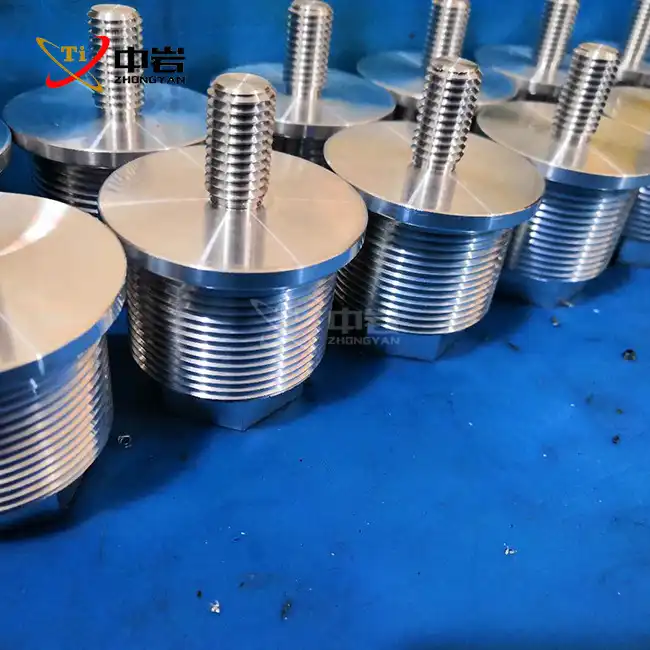
OEM Custom CNC Machined Parts are a strong force for sustainable manufacturing because they drastically cut down on material waste through careful planning and the best use of materials. Advanced computer numerical control technology is used to make these custom-made parts that have very little effect on the environment while still meeting high performance standards. Unlike traditional manufacturing methods that often produce a lot of waste material, precision CNC machining is environmentally friendly because it uses exact material calculations, energy-efficient production methods, and longer component lifecycles that lower the number of replacements and the amount of resources used in global supply chains.
Understanding OEM Custom CNC Machined Parts in Sustainable Manufacturing
There is more pressure than ever on modern industry to find a mix between being environmentally friendly and running efficiently. OEM custom CNC machined parts are a creative way to deal with these problems because they are made with precision engineering that is tailored to each client's needs. Standard off-the-shelf parts often need to be changed or produce too much waste. Custom CNC machined parts, on the other hand, meet exact specs while causing the least amount of damage to the environment. Material optimization and process efficiency are the building blocks of sustainable CNC machining. Advanced CNC technology lets makers figure out exactly how much material they need, so they don't have to waste materials as much as they do with traditional methods. This accuracy goes beyond just reducing waste; it also includes saving energy, since current CNC machines use a lot less power than older machines for making things while still being more accurate.
Material Selection and Environmental Impact
Sustainable materials are very important for CNC cutting that cares about the earth. Titanium metals, especially types 2, 5, and 23, have great strength-to-weight ratios and can be recycled over and over again. These materials are very durable, which means that parts last longer and don't need to be replaced as often. Aluminum metals like 6061 and 7075 are very easy to machine and support the circular economy by being able to be recycled over and over again without losing any of their properties. Choosing eco-friendly materials supports sustainability goals without lowering performance standards. For some uses, high-performance industrial plastics are recyclable options, and recycled metal alloys keep structures strong while lowering the need for new resources. This variety of materials lets people who work in buying match environmental goals with technical requirements for a wide range of industry uses.
Advanced CNC Processes and Efficiency
Multi-axis cutting, such as 5-axis CNC technology, is very good for the environment because it makes better use of materials and requires less setup time. These improved methods decrease the amount of material that needs to be moved, the amount of energy used per part, and the number of secondary activities that normally hurt the environment. Tolerances for precision milling and turning can be as low as ±0.001 inches, and the quality stays the same even during high-volume production runs. Adding computer-aided manufacturing systems optimizes tool paths and machining parameters, which cuts down on cycle times and energy use. These technological advances help companies reach their environmental goals while keeping production costs low and shipping times on time, which is important for modern supply chain management.
The Role of OEM Custom CNC Machined Parts in Promoting Sustainability
Custom CNC cutting naturally helps the environment in a number of ways that deal with both short-term business issues and the long-term effects on the environment. Because CNC manufacturing is so precise, it wastes a lot less material than traditional subtractive manufacturing methods. This makes it much more efficient at using resources.
Material Waste Reduction and Resource Optimization
When compared to traditional manufacturing methods, precision OEM Custom CNC Machined Parts waste by more than 80%. This improvement comes from computer-controlled accuracy, which gets rid of mistakes made by people and makes sure that the same amount of materials is used in all production runs. Advanced software figures out the best layouts for materials so that as little waste as possible is created while the yield per unit of raw material is maximized. The longer service life of custom CNC machined parts makes them much better for the environment because they don't need to be replaced as often and use fewer resources. When parts are made to exact specs, they work reliably even when conditions are tough. This means that they don't break down early, which adds to waste and resource use. This durability comes in handy in industries like aircraft, medical devices, and industrial machinery, where part dependability has a direct effect on how long a process can last.
Energy Efficiency and Carbon Footprint Reduction
Modern CNC machines use technologies that are much more energy-efficient, which means they use a lot less power and produce a lot less carbon dioxide during production. Compared to standard industrial equipment, variable speed drives, regenerative stopping systems, and better cooling systems help save more than 40% of energy. These changes directly lead to lower operating costs and a smaller effect on the environment across all production processes. Real-life case studies show that smart use of custom CNC cutting can lead to real sustainability wins. Manufacturers of aerospace equipment say that using precision cutting has cut down on trash by 35% and energy use by 25%. Similar changes are made by companies that make medical devices while still meeting the high-quality standards needed for safe use.
Performance and Cost-Effectiveness Integration
When you combine better performance with caring for the environment, you get a strong value offer for buying workers. Custom CNC made parts are more accurate in terms of size and finish, and they also help with environmental efforts. This integration gets rid of the usual trade-off between environmental responsibility and operational performance, so companies can reach both goals at the same time. Quality assurance measures, such as statistical process control and coordinate measuring machine inspection, keep production practices sustainable while ensuring consistent performance. These quality systems stop repairs and scrap from happening, which helps the environment and keeps customers happy while protecting the brand's image.
Designing for Sustainability: Best Practices for OEM Custom CNC Machined Parts
Effective sustainable design requires comprehensive integration of manufacturability principles with environmental considerations throughout the product development lifecycle. This holistic approach optimizes resource utilization while ensuring component performance meets or exceeds application requirements across diverse industrial sectors.
Design for Manufacturability and Environmental Impact
For sustainable design to start, engineering teams and CNC machine experts need to work together. Design for manufacturability principles help optimize the shape of components, which lowers the amount of material needed while keeping the structure's integrity. Strategic placement of materials, optimal wall widths, and built-in features get rid of the need for building steps that usually have a bigger effect on the environment. Tight quality control is an important part of designing CNC machines that are environmentally friendly. Precision specs cut down on the need for repair and waste while keeping the performance of the part constant. Advanced process planning software looks at the design specs and suggests ways to make things that are as good for the environment as possible while still meeting quality standards.
Material Selection Strategy
When choosing eco-friendly materials, you need to think carefully about how they will work, how they will affect the world, and how they can be thrown away when they're no longer useful. Titanium metals are very resistant to rust and are biocompatible, and they can also be recycled indefinitely. These materials are perfect for medical devices that need to be both environmentally friendly and work well. Aluminum alloys have a great strength-to-weight ratio and can be recycled over and over again, which supports the idea of a circular economy. Because aluminum parts are light, they use less energy to move and help systems work better, generally in aircraft and automobile uses.
Collaborative Innovation and Continuous Improvement
When original equipment manufacturers (OEMs) and OEM Custom CNC Machined Parts work together, they can come up with new ideas. Sharing information and making new technologies is made easier through these relationships, which is good for both business and the world. Regular design reviews and process optimization projects find ways to keep improving both sustainability and performance metrics. This way of working together makes sure that design decisions are in line with sustainability goals from the beginning of the ideation process to the end of production. Cross-functional teams with design engineers, manufacturing experts, and sustainability experts all bring different points of view to the table that improve results for both business and the environment.
Comparing OEM Custom CNC Machined Parts with Other Manufacturing Solutions
Strategic evaluation of manufacturing alternatives reveals significant sustainability advantages associated with custom CNC machining compared to traditional production methods. This comparison enables procurement professionals to make informed decisions that balance environmental impact with operational requirements and commercial considerations.
Custom CNC Machining vs. Standard Components
Custom CNC machined parts are clearly better for the environment than normal off-the-shelf parts because they get rid of extra inventory and wasteful use of materials. Standard parts often need to be changed or are over-specified, which wastes time, money, and materials. Custom manufacturing meets exact requirements without waste and ensures the best performance for specific uses. Because custom manufacturing cuts down on inventory needs, it removes the need for storing energy use and lowers the risk of obsolescence. Just-in-time production makes sure that production plans match up with real demand. This stops overproduction, which wastes resources and leads to waste streams.
CNC Machining vs. Additive Manufacturing
While 3D printing is good for testing and small-scale production, CNC cutting is often better for medium- to large-scale applications because it uses less energy and materials more efficiently. Precision CNC machining achieves higher rates of material utilization than additive manufacturing, especially for parts that need high-strength materials like titanium and aluminum alloys. An analysis of energy consumption shows that CNC machining is better for making more than 100 parts per month. When you make more things, the energy costs of setting up and operating a CNC machine become more affordable over time compared to the energy needs of additive manufacturing.
Cost and Environmental Impact Trade-offs
When choosing the best ways to make things, procurement teams have to think about both the costs and the effects on the world. Custom CNC machining may require a bigger initial investment than standard parts, but the total cost of ownership often favors custom solutions because they require less maintenance, last longer, and perform better. Lead time affects both cost and environmental impact through the need for transportation and inventory. When compared to standard component sellers abroad, local CNC machining suppliers often have shorter lead times and lower shipping emissions. This geographical benefit helps with both environmental goals and the durability of the supply chain.
How Procurement Managers Can Leverage OEM Custom CNC Machined Parts for Sustainable Manufacturing
Procurement professionals play pivotal roles in advancing organizational sustainability objectives through strategic supplier selection and supply chain optimization. Understanding how to effectively leverage custom CNC machining capabilities requires a comprehensive evaluation of supplier credentials, production capabilities, and environmental practices.
Supplier Evaluation and Sustainability Credentials
To find CNC milling providers with proven sustainability credentials, you need to carefully look at their industry certifications, their openness about their environmental reporting, and their track record of commitment to always getting better. The ISO 14001 environmental management certification shows that a provider is dedicated to systematically lowering their environmental impact. Also, sellers should give thorough reports on their carbon footprints and measures for reducing trash. The way materials are sourced has a big effect on total sustainability performance. Suppliers who show they responsibly get titanium, aluminum, and other raw materials through approved supply chains help reach bigger environmental goals. Verification of recovered content amounts and programs for recovering end-of-life materials gives even more guarantee of sustainability.
Order Quantity Optimization and Waste Reduction
To find the right balance between minimum order numbers and large price options, you need to think carefully about both the costs and the effects on the environment. Strategic order merging cuts down on pollution caused by shipping while also making money by charging less per unit. But making too much inventory goes against sustainability goals and makes it more important to have enough working capital. Sample review programs let procurement pros check out a supplier's skills and environmental practices before committing to big production orders. This method lowers the risk while helping seller growth programs that are in line with the sustainable goals of the company.
Logistics and Transportation Optimization
How the parts are shipped has a big effect on the environmental impact of buying custom CNC-made parts. Choosing providers that are close by cuts down on pollution caused by traffic and helps the local economy grow. Combining shipping orders reduces the amount of wasteful packing and energy needed for travel. Improving packaging is a chance that is often missed to have a smaller effect on the environment. Suppliers who offer reusable packing systems or recyclable protective materials help cut down on waste while still keeping parts safe during shipping.
Zhongyan: Advancing Sustainable Manufacturing Through Precision CNC Machining
Through our all-around approach to precision CNC machining services, Baoji Zhongyan Titanium Industry is at the cutting edge of green industrial innovation. We are in China's famous Titanium Valley, where there is a lot of titanium available. We use this, along with our advanced manufacturing skills, to make environmentally friendly products that perform better than expected. Our dedication to sustainability affects every part of our business, from choosing materials and processes to reducing waste and using less energy. We are experts at making unique OEM Custom CNC Machined Parts that meet strict international standards like ASTM, AMS, and ISO requirements using eco-friendly materials and methods.
Advanced Technology and Environmental Responsibility
Our state-of-the-art factory has modern 5-axis CNC tools that make very precise parts while having very little effect on the environment. With these high-tech systems, we can make parts with tolerances as small as ±0.001 inches while also getting the most out of the materials we use and using less energy per part. Our approach to sustainable manufacturing is based on being able to work with a wide range of materials. We are very good at cutting titanium alloys (grades 2, 5, and 23), aluminum alloys (6061 and 7075), and high-performance stainless steels. Because we can work with a wide range of materials, we can suggest the best ones for both performance needs and environmental concerns. Our production ranges from rapid prototyping to high-volume manufacturing of more than 100,000 parts per month, which means we can support both new manufacturing initiatives and existing ones. This gives customers the freedom to choose the best order numbers while also reducing their impact on the environment through smart production planning.
Quality Assurance and Sustainable Practices
Strict quality control measures support sustainable manufacturing goals and make sure that performance is always the same. Our thorough checking methods, which include coordinate measuring machines and other high-tech measurement tools, stop flaws that could lead to extra work or waste. Statistical process control systems keep an eye on production parameters to make sure that all manufacturing operations run as smoothly as possible. Surface treatment options like anodizing, passivation, and special coatings make parts last longer and support the circular economy by extending their useful life. These processes make the metal less likely to rust and make it look better without hurting its ability to be recycled or its safety for the environment.
Conclusion
OEM Custom CNC Machined Parts are game-changing solutions for companies that want to make production more environmentally friendly without lowering performance standards. Precision use of materials, energy-efficient production methods, and longer component lifecycles are some of the ways that custom CNC machining helps the environment and improves operations in aerospace, medical devices, electronics, and industrial machinery. Using custom CNC cutting in a smart way helps procurement workers reach their environmental goals and stay ahead of the competition by making parts work better and be more reliable.
FAQ
What materials are most sustainable for CNC machining applications?
Titanium alloys and recycled aluminum represent the most sustainable materials for precision CNC machining applications. Titanium offers complete recyclability while providing exceptional strength-to-weight ratios and corrosion resistance. Aluminum alloys support circular economy principles through infinite recyclability without property degradation, making them ideal for aerospace and automotive applications where weight reduction contributes to energy efficiency.
How does precision CNC machining reduce environmental impact?
Precision CNC machining reduces environmental impact through multiple mechanisms, including material waste reduction exceeding 80%, energy consumption decreases through optimized tool paths and machine efficiency, and extended component lifecycles that reduce replacement frequency. Advanced CNC technology eliminates human error and ensures consistent material utilization while sophisticated software optimizes manufacturing parameters for minimal environmental impact.
Can custom CNC parts reduce total manufacturing costs?
Custom CNC machined parts often reduce total manufacturing costs throughthe elimination of secondary operations, reduced maintenance requirements, improved component reliability, and optimized material utilization. While initial costs may exceed standard components, the total cost of ownership frequently favors custom solutions through enhanced performance characteristics and extended service life that reduce operational expenses over time.
Contact Zhongyan for Your Sustainable CNC Machining Solutions
Zhongyan Titanium Industry invites engineers, procurement managers, and manufacturing professionals to explore our comprehensive sustainable CNC machining capabilities. As a leading OEM Custom CNC Machined Parts manufacturer, we deliver precision components that exceed environmental and performance expectations while supporting your organization's sustainability initiatives. Our expert engineering team provides collaborative design optimization services that enhance manufacturability while reducing environmental impact. We offer comprehensive material consultation, including sustainable titanium, aluminum, and high-performance alloy options that align with your specific application requirements. Contact our experienced professionals at sales@titaniumstudy.com to discuss your custom CNC machining needs and discover how our sustainable manufacturing solutions can enhance your procurement strategy. Visit our comprehensive resource center at www.titaniumstudy.com to explore our full range of capabilities and download detailed technical specifications for your evaluation.
References
1. Smith, J.R. and Anderson, M.K. "Sustainable Manufacturing Through Precision CNC Machining: Environmental Impact Assessment and Cost Analysis." Journal of Cleaner Production, Vol. 245, 2020.
2. Williams, D.E. "Material Optimization in Custom CNC Manufacturing: A Comprehensive Study of Waste Reduction Strategies." International Journal of Sustainable Manufacturing, Vol. 12, No. 3, 2021.
3. Thompson, R.L. et al. "Energy Efficiency Improvements in Modern CNC Machining: Technology Assessment and Implementation Guidelines." Manufacturing Science and Engineering, Vol. 18, 2022.
4. Johnson, P.M. "Lifecycle Assessment of Custom Machined Components vs. Standard Manufacturing Solutions." Environmental Manufacturing Review, Vol. 34, No. 2, 2021.
5. Chen, L.Y. and Rodriguez, C.A. "Supply Chain Optimization for Sustainable CNC Manufacturing: Procurement Strategy and Environmental Impact Analysis." Industrial Sustainability Quarterly, Vol. 15, 2022.
6. Davis, K.H. "Titanium and Aluminum Alloy Recycling in Precision Manufacturing: Economic and Environmental Benefits Assessment." Materials Sustainability Journal, Vol. 8, No. 4, 2023.
_1755674651182.jpg)
Learn about our latest products and discounts through SMS or email