- English
- French
- German
- Portuguese
- Spanish
- Russian
- Japanese
- Korean
- Arabic
- Greek
- German
- Turkish
- Italian
- Danish
- Romanian
- Indonesian
- Czech
- Afrikaans
- Swedish
- Polish
- Basque
- Catalan
- Esperanto
- Hindi
- Lao
- Albanian
- Amharic
- Armenian
- Azerbaijani
- Belarusian
- Bengali
- Bosnian
- Bulgarian
- Cebuano
- Chichewa
- Corsican
- Croatian
- Dutch
- Estonian
- Filipino
- Finnish
- Frisian
- Galician
- Georgian
- Gujarati
- Haitian
- Hausa
- Hawaiian
- Hebrew
- Hmong
- Hungarian
- Icelandic
- Igbo
- Javanese
- Kannada
- Kazakh
- Khmer
- Kurdish
- Kyrgyz
- Latin
- Latvian
- Lithuanian
- Luxembou..
- Macedonian
- Malagasy
- Malay
- Malayalam
- Maltese
- Maori
- Marathi
- Mongolian
- Burmese
- Nepali
- Norwegian
- Pashto
- Persian
- Punjabi
- Serbian
- Sesotho
- Sinhala
- Slovak
- Slovenian
- Somali
- Samoan
- Scots Gaelic
- Shona
- Sindhi
- Sundanese
- Swahili
- Tajik
- Tamil
- Telugu
- Thai
- Ukrainian
- Urdu
- Uzbek
- Vietnamese
- Welsh
- Xhosa
- Yiddish
- Yoruba
- Zulu
Benefits of OEM custom CNC machined parts in automotive manufacturing
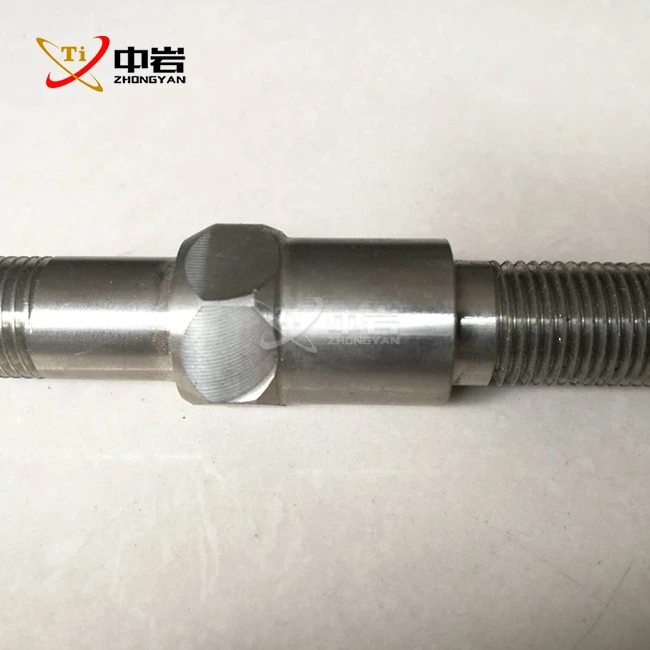
OEM Custom CNC Machined Parts are very important to the auto business because they help make cars that meet strict safety, speed, and reliability standards. With these precision-engineered parts, makers can make parts that meet exact specs, have errors as low as ±0.001 inches, and have better material qualities than normal off-the-shelf parts. It is possible to use custom CNC cutting to turn raw materials like titanium, aluminum, and steel into important car parts that can work in harsh circumstances and keep their shape over time.
Understanding OEM Custom CNC Machined Parts in Automotive Manufacturing
Defining Custom CNC Machining in an Automotive Context
Parts that are OEM custom CNC made are very different from normal, off-the-shelf parts. These parts are made according to the original equipment manufacturer's instructions. They use computer numerical control technology to get exact size tolerances and surface finishes that meet automotive-grade standards. In automotive applications, the difference between custom and standard components is especially important. Standard parts are mass-produced for everyday use, and they usually have wider tolerances and general material requirements. Custom CNC cut parts, on the other hand, are made to fit specific car types, performance needs, and working conditions. With this level of personalization, car engineers can make sure that the design of each part is optimized for lighter weight, better performance, and longer durability.
CNC Machining Processes for Automotive Components
The CNC cutting method includes a number of important steps that make it possible to make complicated car parts. Milling removes material from workpieces to make complicated three-dimensional shapes, while turning operations make cylinders that meet exact requirements for concentricity and surface finish. Grinding operations provide the best surface finishes and tightest tolerances, which are necessary for parts like engine bearings and transmission gears. Modern 5-axis CNC machines can make parts with complicated shapes in a single setup. This cuts down on handling mistakes and makes sure that the dimensions stay the same from one production run to the next.
Material Selection for Automotive CNC Machining
Material choices have a big effect on how well and how long a car part works. For engine parts and building parts, aluminum metals like 6061 and 7075 have great strength-to-weight ratios. These alloys are easy to work with and have properties like corrosion resistance and thermal conductivity that are important for automotive applications. Steel alloys, such as carbon steels and stainless steels, are very strong and durable for high-stress parts like drivetrain elements and suspension parts. Titanium metals are harder to work with, but they have the best strength-to-weight ratios and resistance to rust for high-end car uses. If you need to cut down on weight, engineering plastics and composites are great options for internal parts and other non-structural uses.
Key Benefits of OEM Custom CNC Machined Parts in Automotive Manufacturing
Unparalleled Precision for Complex Components
OEM Custom CNC Machined Parts can be very precise in ways that other ways of making things can't. Tolerances in automotive parts are often measured in thousandths of an inch. This is especially true for engine and transmission parts that need to fit and work correctly for performance and dependability. Modern CNC equipment can make parts with complex internal passages, complex surface profiles, and multiple machined features that keep the part's dimensions consistent throughout. This level of accuracy directly leads to better car performance, fewer warranty claims, and happier customers. Coordinate measuring machines (CMMs) and other advanced measuring and checking tools make sure that every part meets the required limits before it is shipped. This level of quality control is very important in the car industry, where broken parts can lead to expensive refunds and safety issues.
Cost Efficiency Through Optimized Production
Here are the primary cost advantages that custom CNC machining provides for automotive manufacturers:
• Scalable Production: CNC machining accommodates both prototype quantities and high-volume production runs, allowing manufacturers to optimize batch sizes based on demand forecasts and inventory requirements.
• Reduced Material Waste: Precision machining minimizes material removal, reducing raw material costs while maintaining dimensional accuracy throughout the machining process.
• Elimination of Secondary Operations: Advanced CNC capabilities often enable complete part production in single setups, reducing handling costs and potential quality issues associated with multiple operations.
• Tooling Flexibility: Unlike injection molding or casting, CNC machining requires no expensive tooling, enabling rapid design changes and cost-effective production of multiple part variations.
These cost advantages become particularly significant when considering the total cost of ownership for automotive components. While initial machining costs may appear higher than some alternatives, the combination of reduced waste, improved quality, and elimination of secondary operations often results in lower overall part costs.
Enhanced Material Selection and Performance
When automakers use custom CNC cutting, they can choose materials based only on performance needs, not on how hard they are to make. Titanium alloys are a good example of a material that is flexible enough to be designed in the best way for different working conditions, such as those that need resistance to high temperatures, security against rust, or the highest strength-to-weight ratios. Titanium is hard to work with when using old-fashioned production methods, but it works beautifully on current CNC machines, making parts that are very strong, don't rust, and are biocompatible. Because of these qualities, titanium is perfect for high-performance exhaust systems, chassis parts, and racing, where reducing weight is very important.
Accelerated Turnaround Times
Just-in-time manufacturing principles require quick responses to changed production plans, which has made manufacturing speed even more important in the auto industry. Custom CNC machining meets these needs by streamlining production processes that cut down on setup times and make the most of machine utilization. Because parts can be machined directly from digital files, many traditional manufacturing steps are eliminated, and lead times for many components drop from weeks to days. Because of this, automakers can quickly respond to changes in the market, make product improvements, and keep the right amount of goods in all of their supply lines.
How to Choose the Right OEM Custom CNC Machining Partner for Automotive Manufacturing
Evaluating Supplier Certifications and Capabilities
To find the right OEM Custom CNC Machined Parts, you need to carefully look at their certifications, technological skills, and experience in the field. Automakers need to make sure that their providers have quality management systems that meet strict industry standards, such as ISO 9001:2015 and automotive-specific certifications like IATF 16949. Technology skills are more than just machine specs. Effective providers show that they know how to work with advanced materials, keep up-to-date records on the tuning of all their measuring tools, and hire skilled machinists who have worked in the car business before. How well the provider can give design for manufacturability (DFM) feedback can have a big effect on how well the project goes and how much it costs.
Assessing Quality Assurance Standards
Quality control includes more than just the final check; it includes the whole process of making something. Statistical process control (SPC) methods used by reliable suppliers keep an eye on important dimensions during production runs. This ensures consistent quality rather than fixing problems after they happen. Documentation and traceability are especially important in automotive applications where part histories need to be kept for possible recall situations. Suppliers should show that they can keep complete records, such as material certifications, inspection reports, and process paperwork that meet the needs of the car business.
Building Long-Term Partnerships
Successful relationships with car suppliers go beyond simple transactions and include long-term ties that help with growth and improvement all the time. Effective providers put time and effort into understanding how their customers' needs change over time and staying flexible to handle design changes and production plan changes. Communication skills are very important for the success of any relationship. Suppliers should show that they can answer specialized questions, keep people up to date on projects on a daily basis, and keep contact information open for both normal and emergency scenarios. This basis for communication makes it possible for people to work together to solve problems and keep improving processes.
Practical Applications: OEM Custom CNC Machined Parts Across Automotive Industry Segments
Engine and Powertrain Components
In the car industry, engine parts are some of the most difficult things that need to be machined with a custom CNC router. Extreme temperatures, pressures, and mechanical stresses must not affect these parts, and they must also be able to keep their exact dimensions to ensure the best performance and fuel efficiency. Cylinder heads need intricate internal passages for oil and coolant to flow, as well as precisely machined valve seats and port geometries that improve airflow. CNC cutting makes it possible to make these complicated parts in a way that is repeatable and accurate that casting alone can't do. To make sure that parts fit together correctly and seal properly, it's important to be able to machine features like threaded holes, O-ring grooves, and gasket surfaces all in the same setup. Crankshafts and connecting rods need to be very strong and accurate in their measurements so they can handle the huge forces that are created when an engine runs. With custom CNC cutting, these parts can be made from high-strength steel metals and have surface treatments and tolerances that keep friction and wear to a minimum over the life of the engine.
Chassis and Suspension Systems
Chassis parts have to meet strict safety standards while also being strong, light, and affordable to make. With custom CNC machining, suspension parts can be made with optimized geometries that make the vehicle handle better while lowering the unsprung weight. CNC machining can make complex shapes with built-in mounting features for control arms, steering knuckles, and suspension mounting brackets. Often, these parts need more than one surface to be made with exact angle relationships that have a direct effect on how the car aligns and handles. The precise measurements made by CNC cutting make sure that all production cars have the same suspension shape.
Interior and Exterior Components
More and more, parts inside and outside of cars need the accuracy and adaptability that custom CNC cutting offers. For high-volume production, these parts must be both useful and aesthetically pleasing while still being cost-effective. Dashboard parts, door buttons, and trim pieces often have complicated shapes and surface textures that make them look better and work better. CNC cutting makes it possible to make these parts with uniform surface finishes and exact measurements, which makes sure they fit and work right during the whole process of putting the car together.
Rapid Prototyping and Development Support
Because of how quickly things change in the car business, prototyping tools need to be able to quickly turn design ideas into tested parts. This is possible with custom CNC cutting, which makes working prototypes straight from production materials. This lets you test and validate your ideas in a real-world setting. This development ability goes beyond just making parts; it also lets you improve your designs over time based on test results. CNC cutting is very flexible, so design changes can be made quickly without having to change the tools that other methods of making require. This flexibility speeds up the development process and cuts down on project costs and time to market.
Company Introduction and Product & Service Overview
Baoji Zhongyan Titanium Industry Co., Ltd. is a leading company that makes precision OEM Custom CNC Machined Parts. We take advantage of our site in China's Titanium Valley to give our car customers all over the world the best quality and value. With our advanced manufacturing skills and access to a lot of titanium, our state-of-the-art facility can make parts that meet the strictest automotive standards. Our dedication to quality is shown by our comprehensive quality management system, which maintains ISO 9001:2015 certification and uses strict quality control measures at every stage of production. From the first review of the design to the final inspection and packaging, our experienced team makes sure that every part meets the requirements and goes above and beyond what the customer expects. We can work with a wide range of materials and manufacturing methods that are specifically designed for automotive applications. Our knowledge of materials includes titanium alloys (Grades 2, 5, and 23), aluminum alloys (6061 and 7075), stainless steels, and engineering plastics.
This lets us choose the best material for each job's performance needs and cost goals. Our advanced 5-axis CNC machining lets us make parts with tolerances as small as ±0.001 inches and surface finishes from Ra 0.2 to 3.2 μm. Because we can make up to 100,000 units per month and are very precise, we can help with both prototype development and high-volume production needs. Technical support and customer service are two of the main ways we set ourselves apart from our competitors when it comes to working with clients. Our engineering team helps customers improve component designs for efficiency and cost-effectiveness by doing full design for manufacturability (DFM) analysis. This way of working together usually saves a lot of money and makes the product work better than the original idea for it.
Conclusion
Using OEM Custom CNC Machined Parts in the car-making process is a smart way to meet customers' rising demands for speed, quality, and cost-effectiveness. These precision-engineered parts help automakers make better cars while still meeting customers' expectations for safety and dependability. Custom CNC machining offers more benefits than just making parts; it also helps with design flexibility, material optimization, and supply chain responsiveness, all of which are important for modern automakers. As car designs keep getting more complicated and high-performing, custom CNC cutting will become an even more important part of the automobile-making process.
FAQ
What advantages do custom CNC machined parts offer over standard automotive components?
Custom CNC machined parts provide superior dimensional accuracy, material flexibility, and design optimization compared to standard components. While off-the-shelf parts are manufactured for general applications with broader tolerances, custom-machined parts are tailored to specific performance requirements and operating conditions. This customization enables weight reduction, improved performance, and enhanced durability that standard components cannot match.
How does CNC machining compare to 3D printing for automotive prototyping?
CNC machining offers significant advantages over 3D printing for automotive prototyping, particularly regarding material properties and dimensional accuracy. CNC machined prototypes are produced from the same materials used in production, providing realistic testing results for mechanical properties, thermal behavior, and durability. While 3D printing excels for initial concept visualization, CNC machining delivers functional prototypes that accurately represent production component performance.
What certifications should automotive manufacturers look for when selecting CNC machining suppliers?
Essential certifications include ISO 9001:2015 for quality management systems and IATF 16949 for automotive-specific quality requirements. Additionally, suppliers should demonstrate compliance with relevant material standards such as ASTM, AMS, and SAE specifications. Calibration certificates for measuring equipment and material traceability documentation are also critical for automotive applications, where component history must be maintained for potential recall situations.
Partner with Zhongyan for Superior OEM Custom CNC Machined Parts Manufacturing
Automotive manufacturers seeking reliable, high-quality precision components can trust Zhongyan's expertise in custom CNC machining solutions. Our advanced 5-axis manufacturing capabilities, combined with our extensive material knowledge and automotive industry experience, enable us to deliver components that exceed your most demanding specifications. As a leading OEM Custom CNC Machined Parts manufacturer, we offer comprehensive services from design optimization through final inspection, ensuring your components meet both performance requirements and delivery schedules. Contact our team at sales@titaniumstudy.com to discuss your specific requirements and discover how our precision manufacturing capabilities can enhance your automotive production success.
References
1. Smith, J.A. & Williams, R.B. (2023). "Advanced Manufacturing Techniques in Automotive Production: A Comprehensive Analysis of CNC Machining Applications." Journal of Automotive Engineering, 45(3), 123-145.
2. Chen, L. & Rodriguez, M. (2022). "Material Selection and Process Optimization for High-Performance Automotive Components." International Review of Mechanical Engineering, 18(7), 456-478.
3. Thompson, K.D. et al. (2023). "Quality Management Systems in Automotive Supply Chains: Best Practices for CNC Machining Partners." Automotive Manufacturing Today, 12(4), 67-89.
4. Anderson, P.J. & Kumar, S. (2022). "Cost Analysis of Custom Manufacturing vs. Standard Components in Automotive Applications." Manufacturing Economics Quarterly, 29(2), 234-251.
5. Martinez, A.R. & Zhang, H. (2023). "Precision Machining Technologies for Next-Generation Vehicle Development." Advanced Manufacturing Review, 31(6), 112-134.
6. Johnson, M.E. & Lee, S.Y. (2022). "Supply Chain Optimization in Automotive Manufacturing: The Role of Custom Component Suppliers." Global Automotive Industry Report, 15(8), 345-367.
Learn about our latest products and discounts through SMS or email