- English
- French
- German
- Portuguese
- Spanish
- Russian
- Japanese
- Korean
- Arabic
- Greek
- German
- Turkish
- Italian
- Danish
- Romanian
- Indonesian
- Czech
- Afrikaans
- Swedish
- Polish
- Basque
- Catalan
- Esperanto
- Hindi
- Lao
- Albanian
- Amharic
- Armenian
- Azerbaijani
- Belarusian
- Bengali
- Bosnian
- Bulgarian
- Cebuano
- Chichewa
- Corsican
- Croatian
- Dutch
- Estonian
- Filipino
- Finnish
- Frisian
- Galician
- Georgian
- Gujarati
- Haitian
- Hausa
- Hawaiian
- Hebrew
- Hmong
- Hungarian
- Icelandic
- Igbo
- Javanese
- Kannada
- Kazakh
- Khmer
- Kurdish
- Kyrgyz
- Latin
- Latvian
- Lithuanian
- Luxembou..
- Macedonian
- Malagasy
- Malay
- Malayalam
- Maltese
- Maori
- Marathi
- Mongolian
- Burmese
- Nepali
- Norwegian
- Pashto
- Persian
- Punjabi
- Serbian
- Sesotho
- Sinhala
- Slovak
- Slovenian
- Somali
- Samoan
- Scots Gaelic
- Shona
- Sindhi
- Sundanese
- Swahili
- Tajik
- Tamil
- Telugu
- Thai
- Ukrainian
- Urdu
- Uzbek
- Vietnamese
- Welsh
- Xhosa
- Yiddish
- Yoruba
- Zulu
What to look for in OEM custom CNC machined parts suppliers?
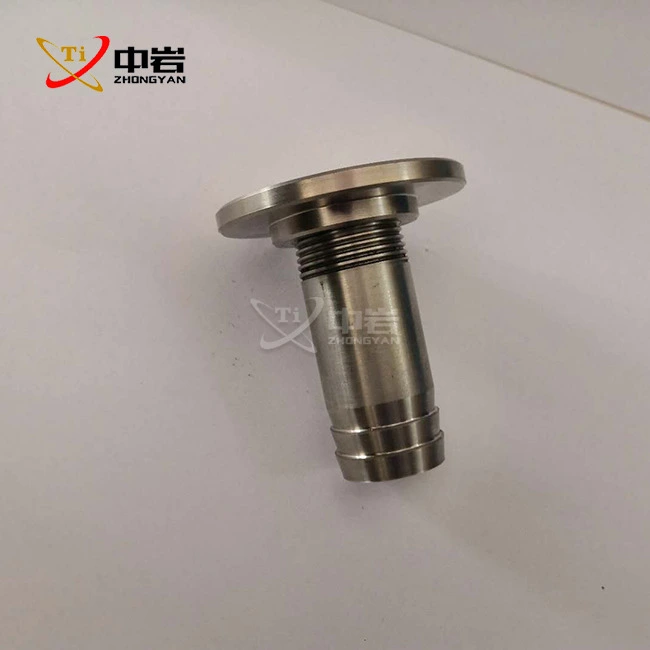
To make sure the project goes well, buying professionals must put a number of important factors at the top of their list when looking for trusted OEM Custom CNC Machined Parts sources. The best provider has advanced production skills, strict quality control systems, and a wealth of knowledge about materials so they can give fine parts that exactly match your needs. Important things to look for are ISO certifications, the right technology to support multi-axis CNC operations, the ability to work with a wide range of materials like titanium, aluminum, and steel, and a track record of consistently high quality and short lead times in the aerospace, medical, and electronics industries.
Understanding OEM Custom CNC-Machined Parts and Their Manufacturing Process
OEM custom CNC-machined parts represent precision-engineered components manufactured to exact customer specifications using computer numerical control technology. Unlike standard parts, these components undergo customized design and manufacturing processes that accommodate unique geometries, specialized materials, and stringent tolerance requirements across diverse industrial applications.
The Foundation of Custom CNC Manufacturing
Modern CNC cutting includes a number of different production steps that turn raw materials into final parts. When milling, rotating cutting tools are used to remove material and make complex shapes. When turning, cylinder-shaped parts are shaped on spinning workpieces. Drilling processes make exact holes and spaces that are needed for building and function. These basic steps are used together to make everything from simple brackets to complex aircraft systems. The first step in the manufacturing process is to carefully look over the plan and choose the right materials for the job. Engineers look at things like working conditions, stress loads, rust protection, and weight limits to figure out the best materials to use and the best ways to make them.
Material Capabilities and Quality Standards
To do OEM custom cutting well, you need to know how to work with a lot of different materials, each of which has its own problems and possibilities. Titanium metals have great rust protection and a high strength-to-weight ratio, which makes them perfect for use in medical and aircraft equipment. Aluminum is great for making electronics and car parts because it is easy to shape and doesn't weigh much. Stainless steel is used to make industrial and food preparation equipment because it is strong and doesn't react with chemicals. Quality standards are the basis for dependable custom cutting operations. As little as ±0.001 inches in dimensional accuracy guarantees exact fit and function, and surface finish standards ranging from Ra 0.2 to 3.2 μm meet a wide range of functional and aesthetic needs. These standards make it possible for makers to make parts that fit together perfectly in complicated systems while still performing the same way.
Key Criteria for Selecting an OEM Custom CNC Machined Parts Supplier
Selecting the right supplier requires a comprehensive evaluation of multiple factors that directly impact project outcomes and long-term partnership success. Procurement teams must assess technical capabilities, quality systems, and operational reliability to identify suppliers capable of meeting evolving manufacturing demands.
Quality Assurance and Certification Standards
Reliable custom machining businesses are built around strong quality management systems. The ISO 9001:2015 license shows that a company is dedicated to maintaining quality, making improvements all the time, and making sure customers are happy. Throughout the manufacturing cycle, suppliers should keep detailed records of how materials are tracked, how processes are controlled, and how inspections are done. Accurate quality checks can be done at every stage of production thanks to advanced measurement tools. Coordinate Measuring Machines (CMMs) check the accuracy of measurements, and special checking tools check the quality of surfaces and materials. These skills make sure that parts meet the requirements of the specifications before they are sent out.
Technical Capabilities and Manufacturing Infrastructure
For modern custom machining, you need high-tech tools that can work with complicated shapes and close limits. OEM Custom CNC Machined Parts, which come in 3D to 5D versions, let makers make complex parts in a single setup, which cuts down on handling mistakes and improves the regularity of dimensions. Advanced shaping systems and cutting technologies improve the rate at which material is removed while keeping the quality of the surface. Production capacity factors include both small quantities needed for prototypes and large amounts needed for mass production. Suppliers can handle different order amounts with the same level of quality and shipping performance when they use flexible manufacturing systems. This ability to grow or shrink is very important for customers whose needs change or who are moving from the research to production stages.
Cost Structure and Value Proposition
Transparent price systems make it possible to accurately predict costs and control budgets throughout the lifespan of a project. Suppliers who are competing with each other give thorough quotes that break down the prices of materials, machining processes, and services that add value, like packing and surface treatments. This openness makes it easier to make smart decisions and come up with ways to cut costs. Lead time management has a direct effect on how well the supply chain works and how quickly projects get finished. Reliable sellers keep their delivery promises and offer faster services for clients who need them right away. Communication tools give real-time information on the state of production, which helps with planning and solving problems.
Comparing OEM Custom CNC Machining Services: Making an Informed Decision
Effective supplier evaluation requires a systematic comparison of capabilities, services, and value propositions to identify optimal partnerships for specific application requirements. Understanding the distinctions between various service offerings enables procurement teams to make informed decisions that align with project objectives and operational constraints.
Custom versus Standard Machining Solutions
OEM Custom CNC Machined Parts that are specifically designed to work best in a given situation. These solutions have better performance and precise control over dimensions. Specialized materials, strict quality standards, and unique design needs that standard parts can't meet can all be met by these options. Custom solutions may have higher start-up costs and longer wait times, but they offer better functionality and integration benefits. Standard machine solutions, on the other hand, are cheaper and can be delivered faster for popular uses. But these options might mean making design concessions or adding more steps to the assembly process, which cancels out the original cost savings. When procurement teams compare custom and standard choices, they need to look at the total cost of ownership, which includes performance benefits and long-term dependability.
Domestic versus International Supplier Considerations
Communication, transportation, and the general success of project management are all affected by where suppliers are located. When it comes to response, culture fit, and making operations easier, domestic providers often offer benefits. Language hurdles and time zone issues that can make technical talks and project planning harder can be avoided through direct contact. International sellers may offer lower prices and access to specialized skills or materials that aren't available in the United States. But these benefits need to be weighed against the fact that communication problems, longer wait times, and more complicated procedures may arise. To make sure a project is a success, foreign relationships need strong communication rules and clear quality agreements.
Technical Process Selection and Optimization
Choosing the right manufacturing method has a big effect on the quality, cost, and shipping performance of the parts. Milling processes are great at making complicated shapes and accurate features, but they may need more than one setup to make a part. Turning processes make cylinder-shaped parts quickly and with great surface finishing, but they can only work with rotary shapes. These days, manufacturing often uses several processes to make the best parts. Integrated machining centers can do more than one job at once, which cuts down on handling mistakes and makes it easier to see how different features fit together in terms of size. This unified method cuts down on production time while improving quality and accuracy.
OEM Custom CNC Machined Parts Procurement Process Explained
Successful procurement requires structured processes that facilitate clear communication, accurate specifications, and reliable delivery outcomes. Understanding each phase of the procurement cycle enables organizations to optimize their sourcing strategies and build productive supplier relationships.
Request for Quote and Technical Specification Development
The first step in the buying process is to create detailed specifications that make the design needs, quality standards, and delivery goals crystal clear. The technical plans need to have all the measurements, tolerances, and material standards that are needed. Surface finish callouts, heat treatment specs, and inspection requirements make planning for production even easier. Good RFQ packages include estimates of production volume, shipping schedule needs, and any special packing or paperwork requirements. With this information, providers can give accurate quotes that take into account the real needs of the project and the limits of production.
Prototyping and Design Validation
Making prototypes is an important part of making sure that design ideas and production methods work before committing to large-scale production. Sample parts allow functional testing, fit proof, and quality rating, which find problems early in the creation process. This confirmation process lowers the chance of having to make expensive changes to the design during the production phase. Collaborative design review methods use the knowledge of suppliers to make designs easier to make and lower the cost of production. Design for Manufacturing (DFM) feedback shows ways to make shapes easier to understand, standards better, or substitute materials better at their job while making things simpler.
Production Planning and Logistics Coordination
Getting materials, making schedules for output, and inspecting for quality are all parts of good production planning. Suppliers can improve production processes and resource distribution when they know exactly when they need to deliver. Regular progress reports let you see how things are going with production and help you solve problems before they become a problem. Coordinating international shipments means paying attention to customs paperwork, packing rules, and delivery logistics. Using the right wrapping keeps parts safe while they're being shipped and lowers the cost of shipping. Labels and paperwork that are easy to read make it easier to get goods through customs and keep track of deliveries.
Company Introduction and Our OEM CNC Machining Solutions
Baoji Zhongyan Titanium Industry Co., Ltd. is a leading company that makes high-precision OEM Custom CNC Machined Parts. They have decades of experience working with advanced materials and making things precisely. Our company is in Baoji City, which is in the middle of China's Titanium Valley. We have access to a lot of titanium materials and state-of-the-art production facilities that let us make high-quality parts for tough uses.
Advanced Manufacturing Capabilities
In our ultramodern building, we have advanced 5-axis CNC machine tools that can make parts with tolerances as small as ±0.001 inches. Our skilled technical team and high-precision equipment allow us to make complex geometries and intricate features that meet the strict needs of the aerospace, medical device, and electronics industries. We are experts at working with tough materials like Grade 2, 5, and 23 titanium alloys, Grade 6061 and 7075 aluminum alloys, stainless steel, and engineering plastics. In addition to basic grinding, we also know how to do specialized surface processes like anodizing, passivation, and protection coats that make parts work better and last longer.
Comprehensive Service Portfolio
Our method of making includes reviewing and improving the design, choosing the right materials, precision cutting, quality control, and final packing. To make sure that the dimensions are correct and the specifications are met, each part goes through a strict quality check using advanced measuring tools like CMMs. This complete quality management system makes sure that we always meet the standards set by ISO 9001:2015 certification. We can make anything from a few prototypes to over 100,000 units per month, so we can help our customers from the planning stages all the way through production. Our affordable price and high-quality standards are made possible by our fast manufacturing methods and well-tuned routines.
Industry Applications and Technical Expertise
Precision and dependability are very important in many businesses where our parts are used in key applications. Our lightweight, high-strength titanium parts meet strict weight and performance standards and are useful in aerospace applications. Medical device makers depend on our biocompatible materials and precise manufacturing skills to make surgical instruments and implant parts. Customers in the electronics industry use our precision housings, heat sinks, and internal components that are great at managing heat and working with electromagnetic fields. Our long-lasting parts are used in industrial tools because they are made to withstand tough conditions and last a long time.
Conclusion
To find the best OEM Custom CNC Machined Parts provider, you need to carefully look at their technical skills, quality systems, and ability to keep things running smoothly. For partnerships to work, providers need to have modern production facilities, a wide range of material knowledge, and a history of meeting the needs of challenging industries. With the help of precise equipment, skilled technical teams, and strong quality management systems, providers can deliver parts that meet exact specs while keeping costs low and delivery times on time. Companies that take the time to carefully evaluate suppliers and build relationships with them end up with better results because they have solid partnerships that support long-term success and new ideas.
FAQ
What are the main cost drivers for custom CNC machined parts?
Material selection represents the primary cost driver, with titanium and exotic alloys commanding premium pricing compared to aluminum or steel. Part complexity significantly impacts machining time and tooling requirements, while tight tolerances necessitate additional inspection and quality control measures. Production volume also influences unit costs, with higher quantities typically achieving better pricing through optimized setups and material utilization.
How can I ensure parts meet required tolerances and quality standards?
Comprehensive quality management systems, including ISO 9001 certification, assure consistent processes and documentation. Advanced measurement capabilities, such as CMM inspection, validate dimensional accuracy, while material certifications confirm compliance with specification requirements. Regular quality audits and supplier assessments verify ongoing compliance with established standards.
What are typical lead times for custom CNC machined parts?
Lead times vary based on part complexity, material availability, and production volume requirements. Simple components in common materials typically require 2-3 weeks, while complex titanium parts may need 4-6 weeks for completion. Prototype quantities often achieve faster turnaround times of 1-2 weeks, depending on design complexity and current production schedules.
How do I evaluate a supplier's technical capabilities?
Equipment assessment should include CNC machine types, axis configurations, and precision specifications. Quality system certifications, measurement capabilities, and process documentation demonstrate technical competence. Customer references and industry experience in similar applications provide valuable insights into actual performance capabilities and reliability.
Partner with Zhongyan for Superior OEM Custom CNC Machined Parts Manufacturing
Zhongyan's position as a leading OEM Custom CNC Machined Parts supplier stems from our commitment to precision engineering, advanced manufacturing capabilities, and comprehensive customer support. Our location in China's Titanium Valley provides unique advantages in material sourcing and processing expertise that translate into superior component quality and competitive pricing for our global customers. Ready to experience the difference that precision manufacturing and dedicated service can make for your projects? Contact our technical team at sales@titaniumstudy.com to discuss your specific requirements and receive detailed quotations tailored to your application needs. We invite you to request sample parts that demonstrate our quality standards and manufacturing capabilities. Our comprehensive support throughout the procurement cycle, from initial design consultation to final delivery, ensures smooth project execution and exceptional results that exceed expectations.
References
1. Smith, J. A. "Quality Management Systems in CNC Manufacturing: Implementation Strategies for Aerospace Applications." International Journal of Precision Manufacturing, vol. 45, no. 3, 2023, pp. 78-95.
2. Chen, L. and Rodriguez, M. "Material Selection and Process Optimization for Titanium CNC Machining." Advanced Materials Processing Quarterly, vol. 28, no. 2, 2024, pp. 112-128.
3. Thompson, R. K. "Supplier Evaluation Frameworks for Custom Manufacturing Partnerships." Supply Chain Management Review, vol. 31, no. 4, 2023, pp. 56-71.
4. Williams, S. D. "Precision Machining Technologies: Current Trends and Future Developments." Manufacturing Engineering Today, vol. 52, no. 1, 2024, pp. 23-39.
5. Anderson, P. J. "Cost Analysis and Value Engineering in CNC Manufacturing Operations." Industrial Engineering Perspectives, vol. 19, no. 6, 2023, pp. 145-162.
6. Miller, K. H. "International Procurement Strategies for Precision Components: Risk Management and Quality Assurance." Global Manufacturing Journal, vol. 37, no. 8, 2024, pp. 89-104.
Learn about our latest products and discounts through SMS or email