- English
- French
- German
- Portuguese
- Spanish
- Russian
- Japanese
- Korean
- Arabic
- Greek
- German
- Turkish
- Italian
- Danish
- Romanian
- Indonesian
- Czech
- Afrikaans
- Swedish
- Polish
- Basque
- Catalan
- Esperanto
- Hindi
- Lao
- Albanian
- Amharic
- Armenian
- Azerbaijani
- Belarusian
- Bengali
- Bosnian
- Bulgarian
- Cebuano
- Chichewa
- Corsican
- Croatian
- Dutch
- Estonian
- Filipino
- Finnish
- Frisian
- Galician
- Georgian
- Gujarati
- Haitian
- Hausa
- Hawaiian
- Hebrew
- Hmong
- Hungarian
- Icelandic
- Igbo
- Javanese
- Kannada
- Kazakh
- Khmer
- Kurdish
- Kyrgyz
- Latin
- Latvian
- Lithuanian
- Luxembou..
- Macedonian
- Malagasy
- Malay
- Malayalam
- Maltese
- Maori
- Marathi
- Mongolian
- Burmese
- Nepali
- Norwegian
- Pashto
- Persian
- Punjabi
- Serbian
- Sesotho
- Sinhala
- Slovak
- Slovenian
- Somali
- Samoan
- Scots Gaelic
- Shona
- Sindhi
- Sundanese
- Swahili
- Tajik
- Tamil
- Telugu
- Thai
- Ukrainian
- Urdu
- Uzbek
- Vietnamese
- Welsh
- Xhosa
- Yiddish
- Yoruba
- Zulu
How Medical Titanium Rods Deliver Superior Corrosion Resistance?
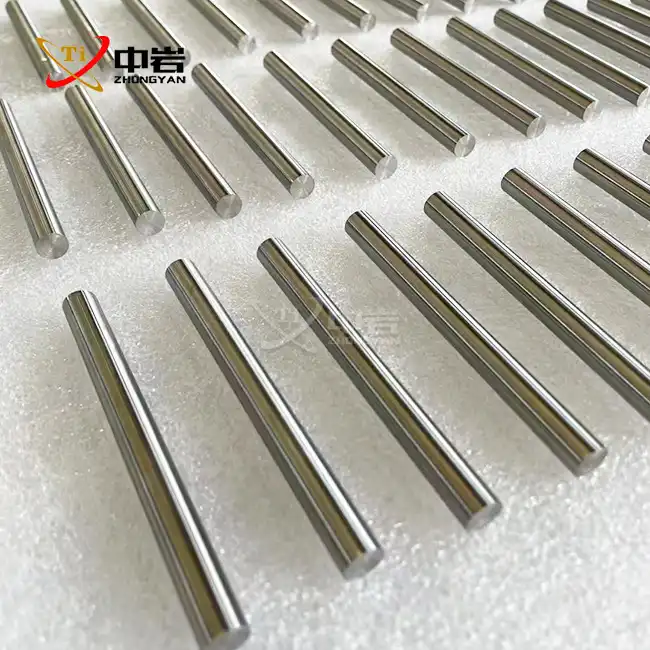
Medical titanium rods are a huge step forward in internal medical devices because they are resistant to rust better than any other material. This keeps patients safe and implants lasting for a long time. Titanium's special metallurgical qualities are used in these precision-engineered parts to create protective oxide layers that can handle the tough physiological environment of the human body. Medical-grade titanium rods are the best for orthopedic, oral, and cardiovascular uses because they don't break down like other materials do over time. They keep their structural integrity and biocompatibility even after long times of implantation.
Understanding Corrosion Challenges in Medical Implants
When materials break down in biological settings, they cause big problems for the medical implant business. Implant failure due to rust is one of the biggest worries for both doctors and patients, because it can cause the device to stop working, damage to the tissue, and the need for more surgeries.
The Hidden Dangers of Implant Corrosion
The climate around medical devices that are placed in people is very hostile, with high chloride levels, changing pH levels, and proteins and enzymes being present all the time. When these things come together, they make the perfect environment for rusting processes that can weaken implants. When rust happens, metal ions may leak into the tissues around it and cause allergic reactions, inflammation, or systemic poisoning.
While stainless steel implants are cheap, they can be damaged by pitting rust and stress corrosion cracks in physiological settings. Even though carbon fiber composites are light, they can delaminate and lose their surface if they are exposed to body fluids for a long time. These limits on the material make it even more important to choose implant materials with better corrosion protection.
Factors Contributing to Medical Device Corrosion
The way medical implants corrode is affected by a number of linked factors. Everyday activities put mechanical stress on things, which can cause tiny movements that can damage protection layers on metal surfaces, leaving them open to chemical attack. Changes in the amount of air in an area can also create galvanic cells that speed up the rusting process.
The way something is made is also very important when it comes to rust protection. Rough surfaces, leftover stresses, and contamination from cutting can make certain areas more likely to start rusting. When engineers and sourcing experts know about these factors, they can make smart choices when choosing materials for important medical uses.
The Science Behind Titanium's Superior Corrosion Resistance
Titanium has a very high resistance to rust because it can naturally create and keep a protective oxide layer in places that are oxidizing. This is what makes titanium different from other metals used for implants and explains why it is used so often in medical settings.
Titanium's Protective Oxide Layer Formation
Titanium quickly makes a thin, dense oxide film made mostly of titanium dioxide (TiO2) when it comes into contact with oxygen or water. This inactive layer, which is only a few nanometers thick, stops the metal below from oxidizing any further by being an impenetrable barrier. This oxide film is self-healing, which means that if it gets broken by mechanical forces, it quickly grows back when it comes into contact with oxygen-containing surroundings.
Medical-grade titanium alloys, especially Ti-6Al-4V ELI (Extra Low Interstitial), are more resistant to rust than pure titanium that is sold in stores. Adding aluminum and vanadium makes the oxide structure more solid while keeping its good biocompatibility. Our ASTM F136 Grade 23 medical titanium rods are a great example of this advanced metalworking because they have a tensile strength of over 860 MPa and the corrosion protection that is needed for long-term insertion.
Electrochemical Properties and Biocompatibility
Titanium has good electrochemical behavior in physiological settings. It has a high corrosion potential that keeps other materials from connecting galvanically. This trait is especially important in complicated implant systems that may have more than one material. The surface of titanium is passive, which also helps it be very biocompatible. The stable oxide layer forms a bioinert contact that keeps tissue responses to a minimum.
Researchers have found that titanium implants release almost undetectable amounts of metal ions into the tissues around them, even after decades of being in place. This amazing stability comes from the protection oxide layer being there all the time. This layer keeps the metallic base away from living things.
Comparing Titanium Rods with Alternative Implant Materials
Knowing how well different implant materials work compared to each other helps people make smart choices when buying and designing medical devices. Different types of materials have different pros and cons that need to be carefully weighed against the needs of the application.
Stainless Steel: Cost vs. Performance Trade-offs
Medical implants have traditionally been made of stainless steel because it is relatively cheap and there is a well-established production system for it. But stainless steel's ability to fight rust rests on its inactive chromium oxide layer, which can become damaged in biological systems that have a lot of chloride.
When it comes to stainless steel implants, localized corrosion events like pitting and pocket corrosion pose big risks. These kinds of attacks can start with tiny flaws and spread quickly, which can cause an implant to fail without warning. Additionally, the magnetic qualities of stainless steel might make magnetic resonance imaging methods less accurate for people who have these implants.
Alternative Materials and Their Limitations
Carbon fiber materials are very strong for how light they are, and they can be made to match the elastic stiffness of bone, which could make stress shielding less effective. But these materials don't naturally fight corrosion like metals do, and the polymer core may break down due to hydrolysis or enzymatic attack.
Cobalt-chromium alloys don't rust easily, but over time they may release metal ions that could be dangerous. Recently raised worries about the dangers of cobalt have made people look more closely at these materials, especially when they are used in high-wear areas like hip replacements.
In long-term rust protection tests, titanium always does better than these other options. Clinical data from decades of use show that titanium implants are very safe and last a long time in a wide range of medical settings.
Selecting and Procuring High-Quality Medical Titanium Rods
To successfully buy medical titanium rods, you need to know a lot about the material requirements, quality standards, and the supplier's abilities. Because medical device laws are so complicated, it's important to pay close attention to paperwork and tracking all the way through the supply chain.
Critical Specification Parameters
Choosing the right material grade is the first step in getting titanium rods. The best mix of mechanical qualities and biocompatibility for most medical uses is found in ASTM F136 Grade 23 (Ti-6Al-4V ELI). Compared to aircraft grades, this grade has less interstitial content, which makes it more flexible and resistant to fatigue, which are important properties for implant uses.
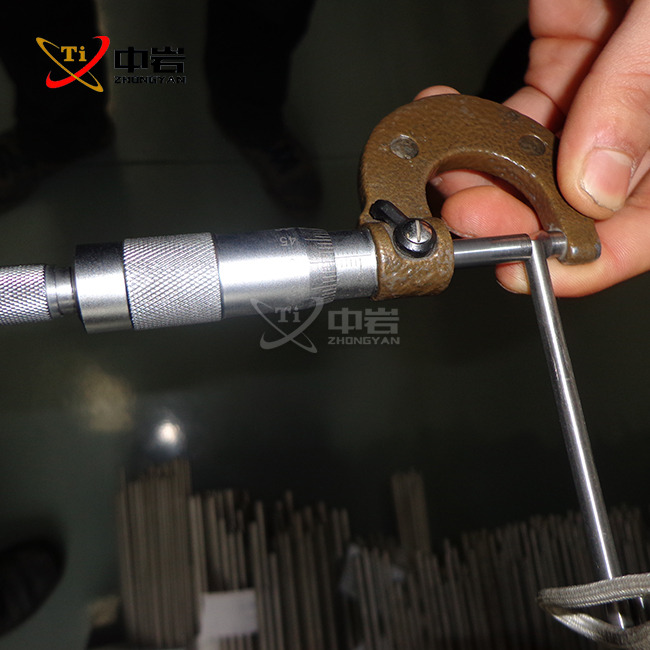
The application determines the level of accuracy needed for measurements and the finish on the surface. For medical titanium rods, we keep the limits to within ±0.05mm and offer different surface processes, such as acid-pickled and polished finishes. These exact specs make sure that the performance is always the same and make it easier to make things in the future.
Quality Assurance and Regulatory Compliance
Suppliers with a good reputation keep full quality control systems that are in line with ISO 13485 medical equipment standards. For materials to be certified, they need to have their full chemical makeup analyzed, their mechanical properties tested, and the production processes documented. Traceability from the source of the raw materials to the delivery of the finished product lets any quality problems be fixed quickly.
ISO 5832-3 certification makes sure that the medical equipment is compatible with foreign standards, which makes it easier to sell in markets around the world. Our factory in Baoji City uses cutting-edge vacuum melting technology to get very little oxygen (0.13%), which is important for keeping the best mechanical qualities and resistance to rust.
Supplier Evaluation Criteria
Aside from price, procurement workers should look at a number of important factors when choosing titanium rod sources. An evaluation of a company's manufacturing capabilities should look at how well its scientific know-how, sophisticated equipment, and quality control systems work. Our cutting-edge facilities have advanced CNC machining, precise grinding, and full testing powers to make sure that the quality of our products is always high.
Medical device companies have to meet strict legal deadlines, so the dependability of their supply chains becomes very important. Established sources with a history of reliability offer the steadiness needed for a product to be successfully launched on the market and for ongoing production support.
Practical Insights: Case Studies and Performance Validation
Real-world performance data is very helpful for understanding how medical titanium rods will behave over time in a variety of clinical settings. In real life, these case studies show how better rust protection can help patients get better care and lower healthcare costs.
Spinal Fixation Applications
During spine fusion treatments, titanium rods are used as the main load-bearing parts. These rods are constantly exposed to spinal fluid and complex mechanical stresses. Studies that followed patients for more than 20 years showed that titanium systems had much higher success rates for implant life than other materials in terms of not needing to be replaced.
Titanium rods are very useful in spinal uses where they can't be taken out for upkeep because they don't rust. Titanium rods last a lifetime under normal physiological conditions, while stainless steel systems may need to be replaced regularly because of rust issues.
Orthopedic Trauma and Reconstruction
Titanium rods are used in intramedullary nailing treatments for long bone fractures to hold the bone while it heals. Implant materials are hard to work with because the medullary canal is a dangerous setting with changing oxygen levels and mechanical stress. Titanium's ability to fight rust in these conditions means that cracks can heal reliably without causing the material to break down.
Titanium intramedullary nails keep their mechanical qualities during and after the healing process, according to long-term follow-up studies. Because of this, fewer surgeries are needed to remove implants, which lowers the risk of illness for patients and lowers the costs for the healthcare system.
Performance Metrics and Clinical Outcomes
A quantitative study of implant success shows that titanium systems have big benefits. Revision rates for titanium implants are always less than 2% over a 10-year time. For stainless steel systems, the rate is between 5 and 8%. Because of these better results, healthcare prices have gone down and patients are happier.
Biocompatibility tests show that titanium implants cause very little inflammation, and the tissue integration process is going smoothly with no signs of corrosion-related problems. Titanium's high resistance to rust and stable surface properties directly cause its excellent biological performance.
Conclusion
Because of their special metallurgical qualities and the formation of a protective oxide layer, medical titanium bars are very resistant to rust. This improved performance means safer care for patients, fewer revisions, and better long-term results in a wide range of medical settings. Titanium is the best material for medical implants because it is biocompatible, strong, and doesn't rust. As the needs for medical devices change, titanium will continue to be a popular material for next-generation implant systems because it has a history of reliability and technology is always getting better.
FAQ
What makes medical titanium rods more corrosion resistant than other materials?
Medical titanium bars have better corrosion protection because a stable titanium dioxide (TiO2) oxide layer forms on their own. This passive film is only a few nanometers thick, but it protects against chemical attack and fixes itself when it gets destroyed. Unlike stainless steel, which is made up of chromium oxide layers that can become damaged in salt settings, titanium's oxide layer will always be stable in physiological conditions.
How do the requirements for ASTM F136 Grade 23 improve performance against corrosion?
Extra Low Interstitial (ELI) content in ASTM F136 Grade 23 titanium means that there is less oxygen, nitrogen, and carbon in it than in normal Ti-6Al-4V. This improved mix makes the material more flexible and resistant to stress while still being very resistant to rust. The managed chemistry makes sure that the oxide layer forms consistently and is biocompatible enough for medical use.
What treatments do you use on the surface to make medical titanium rods less likely to rust?
Acid cleaning and electropolishing are the best ways to treat the surface of something to make it more resistant to rust. These steps get rid of surface particles and make an even oxide layer. Our medical titanium rods go through controlled acid cleaning to get the best surface properties that help an oxide layer form quickly and reliably after insertion.
Choose Zhongyan for Premium Medical Titanium Rod Solutions
Zhongyan is the leader in making medical titanium rods, and they offer precision-engineered options that meet the strictest clinical needs. Our ASTM F136 Grade 23 medical titanium rods have great mechanical qualities and are very resistant to corrosion. This means that they work perfectly in orthopedic, dental, and circulatory uses to help patients get the best results. We use cutting-edge vacuum melting technology and full quality management systems to make medical-grade titanium bars that are always the same and reliable. We are located in China's Titanium Valley. As a reliable provider of medical titanium rods, we offer full technical support, legal paperwork, and the ability to make products to your exact specifications to speed up your product development efforts. Get in touch with our knowledgeable staff at sales@titaniumstudy.com to talk about your unique needs.
References
1. Brunette, D.M., Tengvall, P., Textor, M., and Thomsen, P. "Titanium in Medicine: Material Science, Surface Science, Engineering, Biological Responses and Medical Applications." Berlin: Springer-Verlag, 2001.
2. Niinomi, M. "Mechanical Biocompatibilities of Titanium Alloys for Biomedical Applications." Journal of the Mechanical Behavior of Biomedical Materials, Vol. 1, No. 1, 2008, pp. 30-42.
3. Okazaki, Y., and Gotoh, E. "Comparison of Metal Release from Various Metallic Biomaterials In Vitro." Biomaterials, Vol. 26, No. 1, 2005, pp. 11-21.
4. Rack, H.J., and Qazi, J.I. "Titanium Alloys for Biomedical Applications." Materials Science and Engineering: C, Vol. 26, No. 8, 2006, pp. 1269-1277.
5. Steinemann, S.G. "Corrosion of Surgical Implants - In Vivo and In Vitro Tests." Evaluation of Biomaterials, John Wiley & Sons, 1980, pp. 1-34.
6. Williams, D.F. "Titanium: Epitome of Biocompatibility or Cause for Concern." Journal of Bone and Joint Surgery, Vol. 76-B, No. 3, 1994, pp. 348-349.
(1)_1755652858819.jpg)
_1755672221864.jpg)
Learn about our latest products and discounts through SMS or email