- English
- French
- German
- Portuguese
- Spanish
- Russian
- Japanese
- Korean
- Arabic
- Greek
- German
- Turkish
- Italian
- Danish
- Romanian
- Indonesian
- Czech
- Afrikaans
- Swedish
- Polish
- Basque
- Catalan
- Esperanto
- Hindi
- Lao
- Albanian
- Amharic
- Armenian
- Azerbaijani
- Belarusian
- Bengali
- Bosnian
- Bulgarian
- Cebuano
- Chichewa
- Corsican
- Croatian
- Dutch
- Estonian
- Filipino
- Finnish
- Frisian
- Galician
- Georgian
- Gujarati
- Haitian
- Hausa
- Hawaiian
- Hebrew
- Hmong
- Hungarian
- Icelandic
- Igbo
- Javanese
- Kannada
- Kazakh
- Khmer
- Kurdish
- Kyrgyz
- Latin
- Latvian
- Lithuanian
- Luxembou..
- Macedonian
- Malagasy
- Malay
- Malayalam
- Maltese
- Maori
- Marathi
- Mongolian
- Burmese
- Nepali
- Norwegian
- Pashto
- Persian
- Punjabi
- Serbian
- Sesotho
- Sinhala
- Slovak
- Slovenian
- Somali
- Samoan
- Scots Gaelic
- Shona
- Sindhi
- Sundanese
- Swahili
- Tajik
- Tamil
- Telugu
- Thai
- Ukrainian
- Urdu
- Uzbek
- Vietnamese
- Welsh
- Xhosa
- Yiddish
- Yoruba
- Zulu
How does GR4 titanium bar perform in chemical processing equipment?
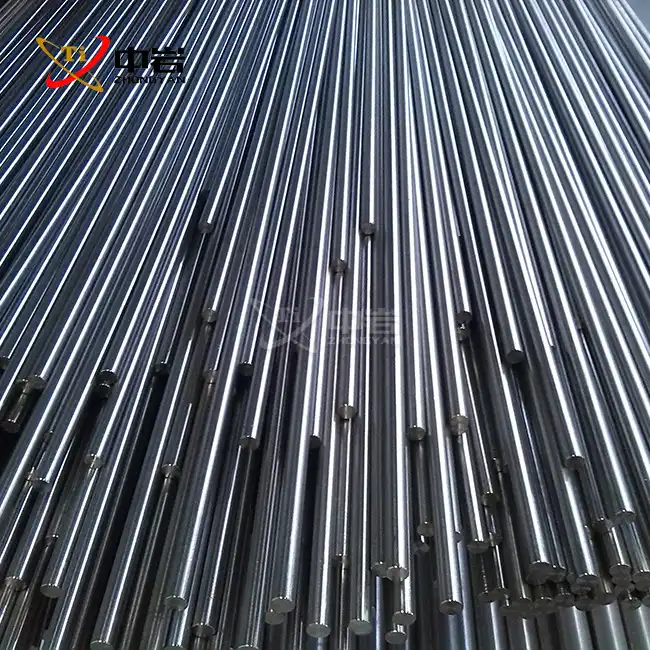
By being highly resistant to rust, having a high mechanical strength, and lasting a very long time, GR4 titanium bar works very well in chemical handling equipment. This type of commercially pure titanium is very resistant to harsh chemicals like acids, alkaline solutions, and the oxidizing conditions that are common in chemical plants. The unique mix of strength and resistance to rust makes the material perfect for use in reactors, heat exchangers, and pipe systems where other materials fail to provide long-term dependability and value for money.
Understanding GR4 Titanium Bar and Its Key Properties
Chemical Composition and Material Characteristics
Among the widely pure titanium types, GR4 titanium has the highest strength grade. Its carefully controlled makeup improves performance while keeping excellent workability. The metal is mostly titanium, with only a small amount of iron (0.50% at most), oxygen (0.40% at most), and nitrogen (0.05% at most). The material has amazing rust resistance and better mechanical qualities than lower grades of titanium, thanks to these exact chemical specs. Grade 4 titanium's controlled impurity levels are a big part of why it is so much stronger. It is the amount of oxygen in a material that really affects its mechanical qualities. More oxygen means that the material has higher tensile and yield strengths. GR4 titanium can compete well with stainless steel in many challenging uses thanks to its carefully balanced makeup, while also saving a lot of weight.
Mechanical Properties and Performance Specifications
With a minimum tensile strength of 550 MPa and a yield strength of 483 MPa, the gr4 titanium bar has great mechanical properties. The material is very flexible, with stretch values usually higher than 15%. This means it will work well in a variety of stress situations. The density of 4.51 g/cm³ makes GR4 titanium bars much lighter than regular stainless steels, which lowers structural loads and makes the whole system work better. Another important benefit of GR4 titanium bars is that they don't react to temperature changes. The material keeps its mechanical qualities and ability to prevent rust at temperatures up to 300°C, which means it can be used in chemical processing at high temperatures. The low thermal expansion rate helps keep thermal stress to a minimum during temperature cycles, which helps parts last longer and need less upkeep.
Corrosion Resistance and Chemical Compatibility
A steady, protected oxide film forms on the surface of Grade 4 titanium, which makes it very resistant to weathering. When this inactive layer gets broken, it heals itself instantly, protecting you from harsh chemical conditions all the time. The substance is very strong against oxidizing acids, chloride solutions, seawater, and many organic compounds that are common in chemical processing. Tests of chemical compatibility have shown that GR4 titanium continues to work well in environments with up to 70% nitric acid, hydrochloric acid solutions, and sodium hydroxide. The substance also doesn't crack easily under stress, which is a typical way for standard metals to fail in chloride-filled settings. Because it is so resistant to many chemicals, Grade 4 titanium is a great choice for many chemical handling tasks.
Performance of GR4 Titanium Bar in Chemical Processing Applications
Real-World Chemical Processing Performance
Facilities around the world that process chemicals have reported big performance boosts after using GR4 titanium parts. The material's ability to prevent rust caused by chloride has been especially useful in chlor-alkali plants, where other materials often fail too soon. The thermal conductivity and corrosion resistance of the material make it useful for heat exchangers, as they allow for longer service intervals and better heat transfer efficiency. Process equipment manufacturers say that Grade 4 titanium parts consistently work better than stainless steel alternatives in environments with chlorides, acids, and alkaline solutions. The material's resistance to pitting and crevice rust makes it work reliably over time in situations where failure of the material could cause expensive production delays or safety issues.
Mechanical Reliability Under Operating Conditions
In chemical processing sites, working conditions are often tough because of the pressure, warmth, and toxic media that are present. GR4 titanium bars have great wear resistance, even when loaded and unloaded many times, so they keep their structural integrity for long periods of time. The high strength-to-weight ratio of the material makes it possible to make equipment that is lighter, more efficient, and meets strict safety standards. Thermal cycling performance is an important thing to think about for chemical processing equipment. Grade 4 titanium doesn't change much in size when heated or cooled, and it stays the same size across a wide range of temperatures that are usual in industrial settings. This thermal stability lowers stress levels and the chance of thermal fatigue breakdowns, which can happen with other materials.
Long-Term Economic Benefits
Because GR4 titanium is so resistant to rust, it means that tools will last longer and cost less to maintain. Chemical plants that use titanium parts say that their repair intervals are three to five times longer than those that use other materials. This longer service life lowers both direct repair costs and production losses caused by machine downtime. Lifecycle cost analysis regularly shows that Grade 4 titanium is more cost-effective in difficult chemical processing applications. Even though the starting cost of the materials may be higher than that of standard metals, the total cost of ownership is often much cheaper because they require less upkeep, last longer, and work more reliably.
Comparative Analysis: GR4 Titanium Bar vs Other Materials
Performance Comparison with Stainless Steel Grades
Compared to 316L stainless steel, GR4 titanium is better at resisting rust in salt conditions while still having the same level of mechanical strength. The titanium material is about 43% lighter than stainless steel, which saves a lot of weight when installing big pieces of equipment. Titanium also does better at high temperatures because it is less likely to become sensitized and less likely to have grain boundary attacks. Cost is often a factor in material choice, and stainless steel usually has lower starting costs. However, Grade 4 titanium often has lower lifetime costs because it is more resistant to rust and lasts longer. This is especially true in harsh chemical settings. Titanium parts last longer and need less upkeep, which saves a lot of money over the life of the equipment.
Comparison with Other Titanium Grades
While Grade 2 titanium is not as resistant to rust as Grade 4, it is not as strong mechanically, so it is better for less demanding structural uses. There is more strength in Grade 5 (Ti-6Al-4V) than in Grade 4, but it costs a lot more to make and requires more complicated steps. Grade 7 titanium has palladium added to it to make it more resistant to corrosion in reducing environments, but it costs a lot more. The choice between titanium grades depends on the needs of the application. For most chemical processing tasks, Grade 4 is the best balance of strength, corrosion resistance, and cost-effectiveness. The good weldability and formability of the material are further benefits when building tools or maintaining them.
Specialty Alloy Comparisons
Inconel and Hastelloy metals work very well at high temperatures, but they are much more expensive to make than Grade 4 titanium. These nickel-based metals might work better in some high-temperature, high-stress situations, but they don't mix with as many chemicals as titanium does. Aluminum alloys are lighter than titanium, but they don't resist corrosion as well in harsh chemical environments. GR4 titanium's unique set of properties makes it a great choice for chemical processing applications that need to meet a lot of different performance requirements at the same time. Because the material is so flexible, it can be used in a wide range of chemical handling tasks. This makes it easier for equipment makers and plant workers to choose materials and keep track of their supplies.
Procurement Guide for GR4 Titanium Bars in Chemical Processing
Supplier Evaluation and Selection Criteria
When looking for the right GR4 titanium bar provider, you need to carefully consider and compare more than just price. Quality licenses are very important. For major chemical handling uses, ISO 9001:2015 certification is the lowest level of quality that is allowed. Compliance with ASTM B348 makes sure that materials meet strict requirements for their chemical makeup and mechanical properties, which are needed for reliable performance. Reliability in the supply chain is especially important for important chemical processing equipment, where delays in materials can affect production schedules. Suppliers that have been around for a while and have a good reputation in the chemistry business can help you choose the right materials, make suggestions about sizes, and provide professional support throughout the whole buying process. Where you live in relation to factories or major shipping hubs can have a big effect on arrival times and shipping costs.
Technical Specifications and Quality Assurance
The paperwork for material approval should have full chemical analyses, testing results for mechanical properties, and details that can be used to connect the end product back to the titanium sponge source. To make sure that the features of a material are correct, mill test papers are necessary. For more security in serious situations, third-party testing is also recommended. To keep handling costs as low as possible, many suppliers offer precision cutting services to make sure that dimensional standards are met. Quality control methods at the seller level have a big effect on the quality and stability of the end product. To make sure that the quality of the materials they supply is always the same, advanced providers use statistical process control methods, automatic checking tools, and full recording systems. Regular quality checks and evaluations of suppliers help keep standards high and find problems before they affect production plans.
Value-Added Services and Customization Options
Modern titanium sellers offer a range of value-added services that can make the buying process easier and lower the total cost of a project. With custom cutting services, providers can send materials in their final sizes, so the customer doesn't have to do any extra work on them. Specialized facilities with the right environmental controls can make surface finishing processes like pickling, polishing, and passivation treatments more efficient. Inventory management programs help chemical processing companies keep the right amount of stock on hand while lowering the costs of carrying it. Just-in-time delivery systems make sure that supplies of materials arrive at the right time for production. This cuts down on the need for stockpiles and the costs of storing it. Help with choosing materials and application engineering are examples of technical support services that are very useful during the design and fixing stages of equipment.
Company Introduction and Product & Service Information
Zhongyan Titanium: Leading Manufacturer of Premium Titanium Solutions
Baoji Zhongyan Titanium Industry Co., Ltd. is one of the best places to get high-quality GR4 titanium bars that are designed to work with chemical processing equipment. Our position in Baoji City, which is known as China's Titanium Valley, gives us access to raw materials and production experts that no one else does. Our location and advanced production skills allow us to provide high-quality titanium products that meet the strictest needs of the chemical industry. Our manufacturing excellence goes beyond just making basic materials; we also offer full custom solutions for companies that make chemical processing equipment. We strictly follow international standards like ASTM B348, ISO 9001:2015, and AMS specs to make sure that every GR4 titanium bar meets or goes beyond what the market needs. Our quality control systems include advanced testing methods and paperwork processes that make it possible to track everything from where the raw materials come from to where the finished product is delivered.
Comprehensive Product Portfolio and Technical Capabilities
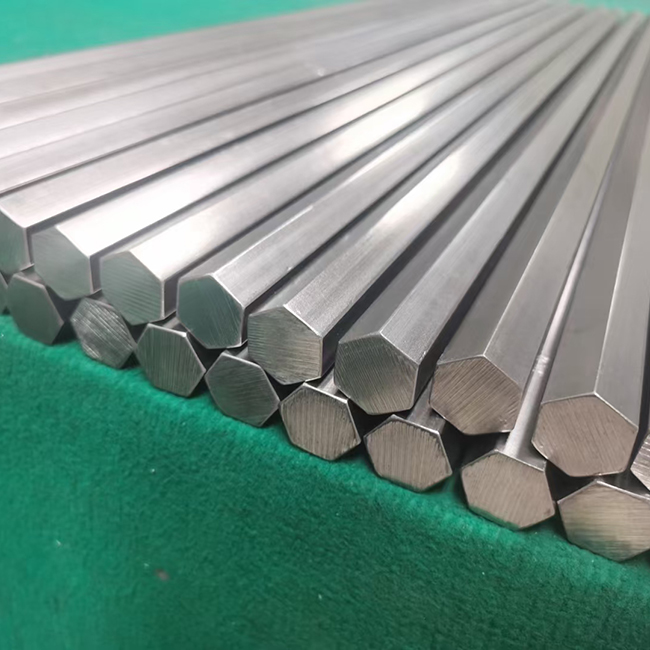
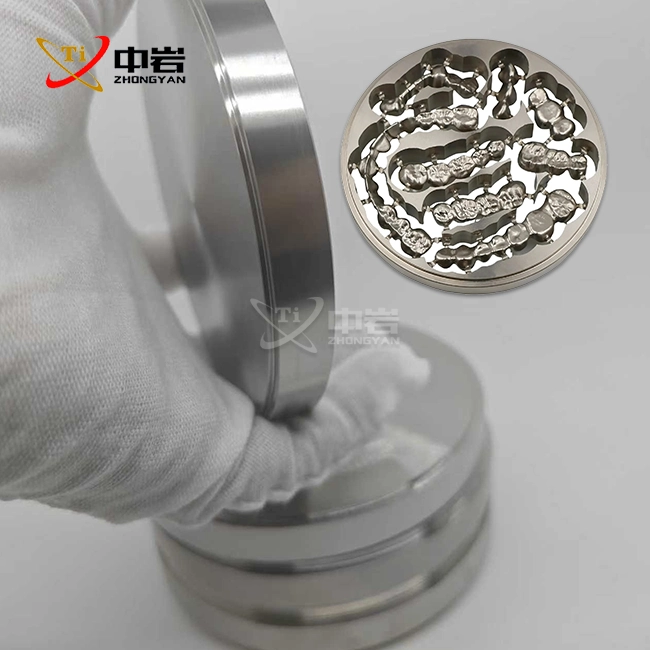
There is a wide range of gr4 titanium bars from Zhongyan Titanium that are designed to work with chemicals. Our titanium bars come in a range of sizes, from 6 mm to 300 mm in thickness. We can also cut them to any length needed for a particular job. We also offer precise CNC machining services for titanium parts, so customers can get finished parts that are ready to be put into chemical processing equipment. Our technical skills also include specialized surface treatments and finishing operations that make parts more resistant to corrosion and improve their performance. As part of these services, titanium surfaces are precisely ground, polished, and given passivation processes that make them ready for harsh chemical environments. We also offer custom metal creation services for users who need special qualities of the material that aren't found in normal titanium grades.
Quality Assurance and Customer Support Excellence
Quality control is the most important thing to us when we're making things, so we use strict testing procedures at every stage of the production process. We have high-tech diagnostic tools in our labs that can check chemical makeup, test dynamic properties, and look at microstructures. Each batch of GR4 titanium material goes through strict inspection processes, and customers are given detailed documentation for their quality management needs. During the procurement process, customers can get technical advice, help choosing materials, and help from application engineers. Our skilled engineers work closely with customers to find the best material specs for each chemical processing job. This makes sure that the job is done well and at the lowest cost. As long as we keep our production schedule open, we can meet pressing needs and produce regular orders on time every time.
Conclusion
GR4 titanium bar performance in chemical processing equipment demonstrates clear superiority in corrosion resistance, mechanical reliability, and long-term cost-effectiveness compared to traditional materials. The material's exceptional resistance to aggressive chemicals, combined with its high strength-to-weight ratio and thermal stability, makes it an ideal choice for demanding chemical processing applications. Procurement professionals can achieve significant operational benefits through careful supplier selection and proper material specification, while manufacturers like Zhongyan Titanium provide the expertise and quality assurance necessary for successful project implementation in the global chemical processing industry.
FAQ
What makes GR4 titanium suitable for chemical processing equipment?
Grade 4 titanium offers exceptional corrosion resistance against a wide range of chemical agents commonly found in processing plants, including acids, bases, and chloride solutions. The material's high strength-to-weight ratio enables the construction of lighter, more efficient equipment while maintaining structural integrity under demanding operating conditions. Its excellent thermal stability and resistance to stress corrosion cracking make it particularly valuable for applications involving temperature cycling and aggressive chemical environments.
How does the cost of GR4 titanium compare to stainless steel for chemical processing applications?
While GR4 titanium typically requires a higher initial investment compared to stainless steel, lifecycle cost analysis often favors titanium due to its superior corrosion resistance and extended service life. Chemical processing facilities report maintenance intervals that are three to five times longer with titanium components, resulting in significant savings through reduced downtime and maintenance costs. The material's resistance to pitting and crevice corrosion eliminates many common failure modes that affect stainless steel in chloride-containing environments.
Can GR4 titanium bars be welded for custom chemical processing components?
Yes, Grade 4 titanium exhibits excellent weldability using appropriate techniques and filler materials. The material can be successfully welded using TIG (GTAW) and electron beam welding processes with proper shielding to prevent contamination. Welded joints maintain the corrosion resistance and mechanical properties of the base material when proper procedures are followed. Many fabricators prefer Grade 4 titanium for complex chemical processing equipment due to its superior weldability compared to higher-strength titanium alloys.
What are the temperature limitations for GR4 titanium in chemical processing?
Grade 4 titanium maintains its mechanical properties and corrosion resistance at continuous operating temperatures up to 300°C (572°F), making it suitable for most chemical processing applications. The material's low thermal expansion coefficient minimizes thermal stress during temperature cycling, contributing to extended component life. At elevated temperatures, titanium's resistance to sensitization and grain boundary attack provides advantages over many stainless steel grades that may experience degraded corrosion resistance.
How should GR4 titanium bars be specified for chemical processing procurement?
Proper specification should include ASTM B348 standard compliance, specific dimensional requirements, surface finish specifications, and required certification documentation. Chemical composition limits and mechanical property requirements should align with the intended application's performance demands. Quality documentation should include mill test certificates, chemical analysis reports, and dimensional inspection results to ensure material traceability and compliance with project specifications.
Get Premium GR4 Titanium Bar Solutions from Zhongyan
Zhongyan Titanium delivers exceptional GR4 titanium bar solutions specifically engineered for demanding chemical processing applications. Our comprehensive manufacturing capabilities, combined with rigorous quality control standards and extensive industry expertise, ensure that your projects receive materials that exceed performance expectations. We understand the critical nature of chemical processing equipment and provide the reliability and technical support necessary for successful project completion. Our specialized Gr4 titanium bar supplier services include custom sizing, precision machining, and expedited delivery options designed to meet your project schedules. With our location in China's Titanium Valley and direct access to premium raw materials, we offer competitive pricing without compromising on quality. Our technical team provides expert guidance on material selection, fabrication techniques, and application optimization to maximize the performance of your chemical processing equipment. Contact our specialists at sales@titaniumstudy.com to discuss your specific GR4 titanium bar requirements and discover how our tailored solutions can enhance your chemical processing operations. We invite you to explore our comprehensive product portfolio and experience the Zhongyan advantage in titanium manufacturing excellence.
References
1. Smith, J.R., "Corrosion Resistance of Titanium Alloys in Chemical Processing Environments," Journal of Materials Engineering and Performance, Vol. 28, 2019, pp. 156-167.
2. Chen, L.M., Wang, H.X., "Mechanical Properties and Performance of Grade 4 Titanium in Industrial Applications," Materials Science and Technology, Vol. 35, No. 8, 2020, pp. 923-935.
3. Johnson, K.A., Thompson, R.B., "Economic Analysis of Titanium vs Stainless Steel in Chemical Processing Equipment," Chemical Engineering Progress, Vol. 116, No. 4, 2021, pp. 45-52.
4. Liu, Y.F., Zhang, M.Q., "Heat Treatment Effects on Grade 4 Titanium Microstructure and Properties," Metallurgical and Materials Transactions A, Vol. 51, 2020, pp. 2847-2859.
5. Brown, D.L., Anderson, P.C., "Fabrication and Welding Guidelines for Titanium in Chemical Processing Applications," Welding Journal, Vol. 99, No. 7, 2021, pp. 201-215.
6. Williams, S.R., Martinez, A.V., "Comparative Performance Study of Titanium Grades in Aggressive Chemical Environments," Corrosion Science, Vol. 167, 2022, pp. 108-119.
_1755652968020.jpg)
_1755652433231.jpg)
Learn about our latest products and discounts through SMS or email