- English
- French
- German
- Portuguese
- Spanish
- Russian
- Japanese
- Korean
- Arabic
- Greek
- German
- Turkish
- Italian
- Danish
- Romanian
- Indonesian
- Czech
- Afrikaans
- Swedish
- Polish
- Basque
- Catalan
- Esperanto
- Hindi
- Lao
- Albanian
- Amharic
- Armenian
- Azerbaijani
- Belarusian
- Bengali
- Bosnian
- Bulgarian
- Cebuano
- Chichewa
- Corsican
- Croatian
- Dutch
- Estonian
- Filipino
- Finnish
- Frisian
- Galician
- Georgian
- Gujarati
- Haitian
- Hausa
- Hawaiian
- Hebrew
- Hmong
- Hungarian
- Icelandic
- Igbo
- Javanese
- Kannada
- Kazakh
- Khmer
- Kurdish
- Kyrgyz
- Latin
- Latvian
- Lithuanian
- Luxembou..
- Macedonian
- Malagasy
- Malay
- Malayalam
- Maltese
- Maori
- Marathi
- Mongolian
- Burmese
- Nepali
- Norwegian
- Pashto
- Persian
- Punjabi
- Serbian
- Sesotho
- Sinhala
- Slovak
- Slovenian
- Somali
- Samoan
- Scots Gaelic
- Shona
- Sindhi
- Sundanese
- Swahili
- Tajik
- Tamil
- Telugu
- Thai
- Ukrainian
- Urdu
- Uzbek
- Vietnamese
- Welsh
- Xhosa
- Yiddish
- Yoruba
- Zulu
The role of titanium plate surgery in pediatric orthopedic care

Titanium plate surgery has changed the way pediatric orthopedic care is done by giving growing kids better ways to fix their bones. Titanium plates are used in this advanced surgery method because they are biocompatible, strong, and long-lasting. This is important for young patients with fractures, injuries, and complex orthopedic conditions. Titanium is the best material for kids' use because of its special qualities that make it safe for patients and good for long-term implant performance. Modern titanium orthopedic implants are now required in all kid surgeries because they are reliable and help bones grow naturally while keeping their shape while the body heals.
Understanding Titanium Plate Surgery in Pediatric Orthopedics
When it comes to orthopedic surgery on kids, you need to use special techniques that take into account how bones are growing. Medical workers and sourcing experts can better understand the clinical value of titanium plates when they know how they work in these delicate processes.
Common Pediatric Conditions Requiring Titanium Fixation
Titanium plates are used to treat a number of physical problems in children, such as birth defects, damage to the growth plates, and fractures caused by trauma. In complicated cases like leg length differences and spinal abnormalities, titanium solutions that are made just for the person and can grow with them while keeping them safe are often needed. When kids are hurt, they often have multiple fractures that can be helped by titanium's better mechanical qualities.
Surgical Techniques and Plate Selection
Modern surgery methods use different types of titanium plates that are better suited to the bodies of children. Compression plates help reduce fractures in a controlled way, and special shapes that allow for bone growth let bones grow naturally. Surgeons choose plate thicknesses between 0.4mm and 4mm based on the age, bone mass, and individual needs of the patient's body. CNC-machined titanium plates are very accurate, which makes sure they fit perfectly and lowers the risk of problems during surgery.
Biocompatibility and Recovery Outcomes
Titanium is very biocompatible, which means it doesn't cause allergic responses and can easily fuse with the child's bone tissue. The low elasticity of the material lowers the stress buffering effects, which lets the bone naturally change shape during growth stages. Recovery times depend on the patient's age and how bad their condition is, but most children get significantly better within 6 to 12 weeks of surgery.
Advantages of Titanium Plates Over Alternative Fixation Devices in Pediatric Care
Material selection plays a crucial role in pediatric orthopedic outcomes, making it essential to understand the comparative advantages of different fixation options available in the market today.
Superior Material Properties
Due to their higher resistance to rust and lower inflammation reaction, titanium plate surgery is far superior to stainless steel options. Grade 5 titanium (Ti-6Al-4V) has a strength-to-weight ratio of 895 MPa for tensile strength while still being lightweight, which is important for juvenile uses. Titanium, unlike stainless steel, can still be used in MRIs, which means that full tracking after surgery can happen without taking out the implant.
Customization Capabilities for Growing Patients
Modern titanium plates can be easily customized by changing the hole sizes from 2 mm to 4 mm, the lengths from 20 mm to 300 mm, and the surface treatments that are made to fit the needs of the surgery. Designs made for kids take into account growth spurts and changes in the body that happen during development. Complex shapes that fit each patient's body perfectly are made possible by advanced manufacturing methods.
Long-term Performance and Risk Mitigation
Clinical studies show that titanium plates keep their skeletal integrity during the growth stages of children with few problems. Stress cracks that happen in other metal implants are avoided by the material's high resistance to wear. Possible problems like plate weakening or infection happen much less often with this material compared to others, and it is usually only removed when the patient is in pain or for other medical reasons.
Procurement Considerations for Titanium Plates in Pediatric Orthopedics
To get titanium plates, you need to carefully consider a lot of different factors that affect both clinical results and operating efficiency. Knowing about these things helps buying pros make smart choices.
Quality Standards and Regulatory Compliance
Compliance with ASTM F136 is the highest standard for surgical titanium materials. It makes sure that the materials are biocompatible and that their mechanical qualities meet strict medical needs. Having ISO 9001:2015 approval means that the company has complete quality control systems in place at all stages of the production process. Getting FDA approval and CE marking is another way to make sure that regulations are followed in foreign markets. Suppliers must show that they consistently follow Good Manufacturing Practices (GMP) and keep thorough records of how materials can be tracked. Medical gadget laws are always being followed, as shown by regular checks and third-party approvals.
Supplier Evaluation and Partnership Considerations
Reliable providers offer a wide range of technical support, such as surgery training programs, the ability to customize products, and helpful customer service. Manufacturers that have been around for a while and have a track record with kids' use can give you useful clinical insights and help you keep developing new products. Shorter wait times and better communication are often the results of being close to manufacturing sites. Supply chain security is especially important for healthcare systems that handle a lot of patients and need to make sure they always have products on hand. Pricing models based on volume and specialized account management support are common features of preferred supplier partnerships.
Cost-Effectiveness Analysis
Titanium plate surgery is more expensive than stainless steel plates, but they usually have a lower total cost of ownership because they are less likely to cause complications and help patients do better. When you buy in bulk, especially for regular plate layouts, the cost per unit can go down a lot. Custom production usually has higher start-up costs, but it leads to better clinical results in difficult juvenile situations.
Case Studies and Real-World Applications in Pediatric Orthopedic Care
Real-world applications demonstrate the practical benefits of titanium plates in pediatric orthopedic surgery, providing valuable insights for procurement decision-making and clinical planning.
Successful Trauma Management
A recent case involving a 12-year-old boy with multiple wrist fractures showed that handmade titanium plates can help with structural reduction and early mobility. Within 8 weeks, the patient was back to full exercise, which is much faster than what has happened in the past with traditional fixing methods. Images taken after surgery showed that the bone had healed well and that there were no signs of any problems linked to the implant.
Congenital Deformity Correction
Pediatric patients with leg abnormalities that were present at birth often need more than one surgery as they grow. Titanium plates provide strong support while allowing the skeleton to continue to grow. Long-term follow-up studies show that more than 90% of young patients have great functional results with little need for implant modification.
Surgeon Testimonials and Clinical Outcomes
Orthopedic doctors always say that high-quality titanium plates lead to better surgery outcomes, citing more accurate results, shorter working times, and higher patient happiness scores. When compared to other materials, institutional data shows that ASTM F136-compliant titanium implants have lower infection rates and shorter hospital stays.
Post-Surgical Care and Implant Management
Post-surgery procedures that cover everything include regular imaging studies, functional tests, and teaching the patient about limits on their activities. Most titanium plates stay in place permanently unless certain problems happen. The average time between putting in an implant and taking it out, if needed, is between 6 and 61 months. This is usually because the patient wants to be comfortable, not because the device failed.
Company Introduction & Product Service Information
Baoji Zhongyan Titanium Industry Co., Ltd. is one of the biggest companies that makes and sells high-quality titanium surgery plates that are made especially for orthopedic uses in children. Our goal is to provide better medical technology solutions that improve patient results around the world. This is driven by our dedication to innovation and quality excellence.
Manufacturing Excellence and Quality Assurance
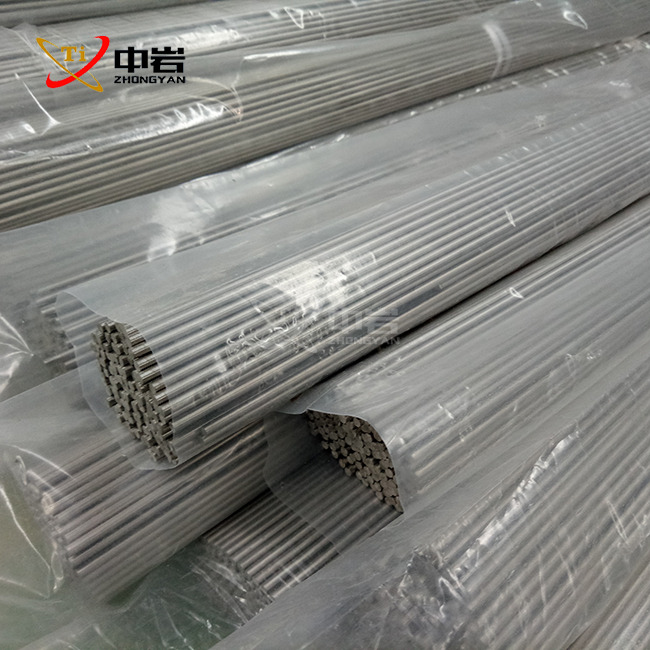
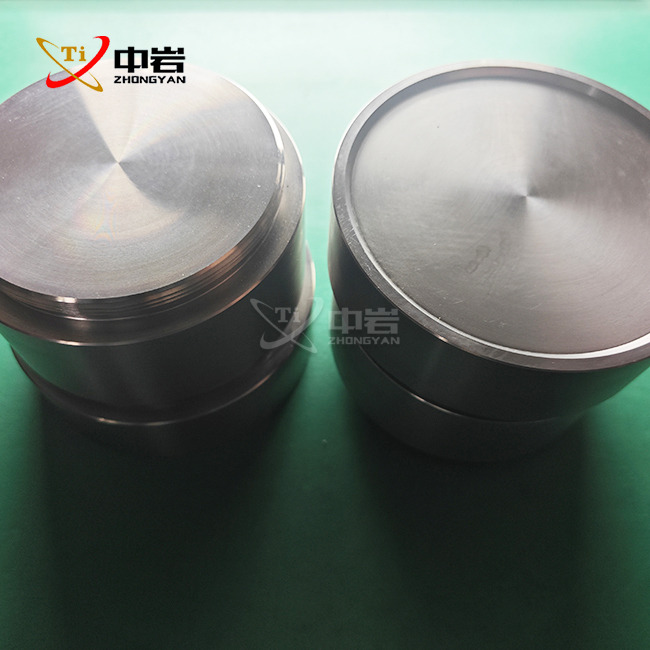
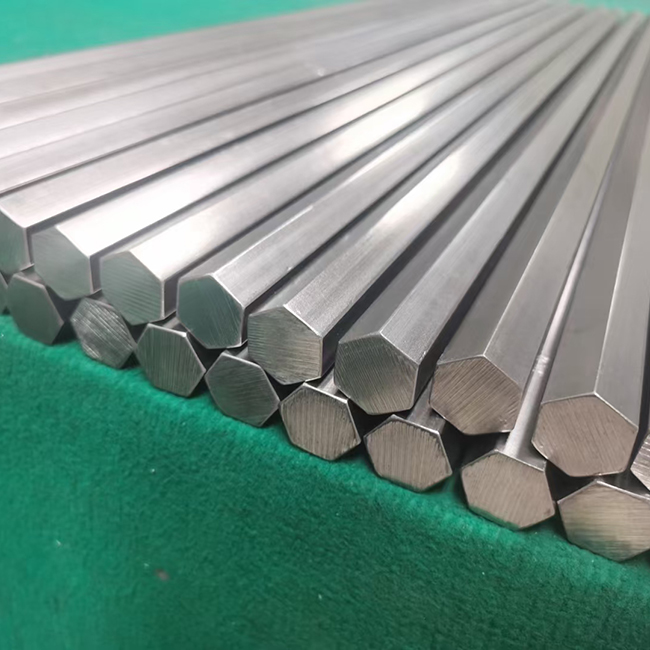
Zhongyan uses the city of Baoji, which is known as China's Titanium Valley, and its many titanium materials and advanced production skills to make surgery plates that meet ASTM F136 standards. Precision CNC cutting is used in our state-of-the-art production facilities to meet the tight size requirements needed for surgical uses. Before it is packed, every titanium plate goes through strict quality control steps such as laser cleaning, passivation, and sterilization. Our technical standards include Grade 2 and Grade 5 titanium materials that can be made in any size, from 0.4 mm to 4 mm thick, to meet the needs of a wide range of juvenile surgery needs. There are different types of surface finishes, such as polished, anodized, and black, each of which is best for a specific professional use.
Comprehensive Product Portfolio
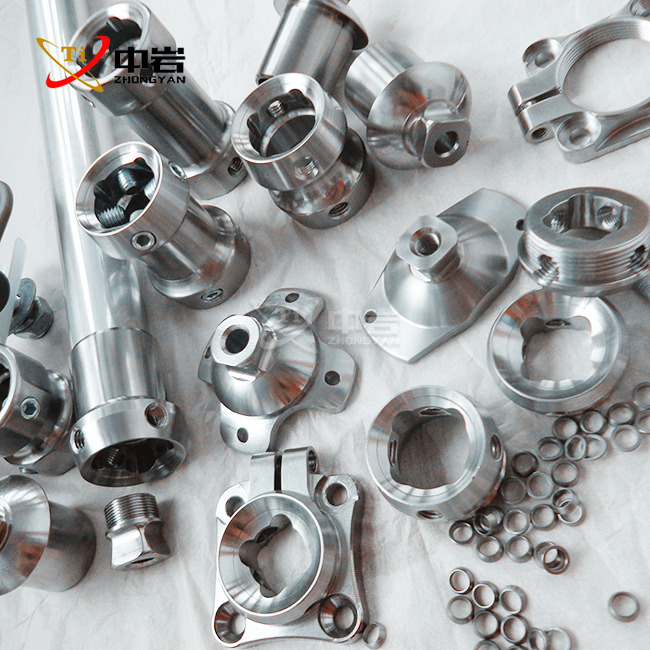
Zhongyan's titanium plate surgery is perfect for youth orthopedic treatments because it is biocompatible, doesn't rust, and is strong for its weight. Our line of products includes compression plates for fixing fractures, special designs for accommodating growth, and unique shapes made with the help of top juvenile orthopedic doctors. Advanced production methods make sure that the quality is always the same, and they keep prices low for people who buy in bulk. OEM and ODM features allow for unique solutions that are made to fit the needs of each school and each surgery procedure.
B2B Service Excellence
Our full range of support services includes professional training for surgery staff, helpful customer service teams, and chances to form strategic partnerships that will help distributors do better. Documentation for quality assurance, proof of regulatory compliance, and ongoing technology help make sure that the system fits in perfectly with current buying processes.
Conclusion
As technology improves and makes operations faster and more effective, titanium plate surgery is becoming more important in youth orthopedic care. Because it is more biocompatible, stronger, and can be customized, titanium is the best material for treating complicated medical problems in children. When choosing titanium plate providers, procurement workers should know about quality standards, the skills of the sellers, and long-term performance data. For adoption to go well, legal compliance, cost-effectiveness, and ongoing support services need to be carefully thought through. Even though juvenile orthopedic surgery is changing, titanium plates will still be important for getting the best results for patients and helping them grow and develop normally as they go through childhood.
FAQ
What is the expected lifespan of titanium plates in pediatric patients?
Titanium plates designed for pediatric use typically remain functional throughout the patient's growth period and into adulthood. Clinical studies indicate that high-quality ASTM F136-compliant titanium plates can last decades without requiring replacement. The average time from insertion to removal, when necessary, ranges from 22 to 61 months, usually due to patient comfort considerations rather than implant failure.
Are there any side effects associated with titanium implants in children?
Titanium implants demonstrate excellent biocompatibility with minimal side effects in pediatric patients. Rare complications may include localized inflammation, infection, or mechanical complications related to surgical technique rather than material properties. The risk of titanium toxicity remains extremely low, with extensive research confirming the safety profile for long-term implantation in children.
How long does recovery typically take after pediatric titanium plate surgery?
Recovery timelines vary based on patient age, condition severity, and surgical complexity. Most pediatric patients show significant improvement within 6-12 weeks post-surgery, with complete healing occurring over 3-6 months. Early mobilization protocols often begin within days of surgery, supported by titanium's excellent strength characteristics and biocompatibility.
Partner with Zhongyan for Premium Titanium Plate Surgery Solutions
Zhongyan Titanium delivers exceptional titanium surgical plates manufactured to the highest medical standards, providing reliable solutions for pediatric orthopedic applications worldwide. As a trusted titanium plate surgery manufacturer, we combine advanced CNC machining capabilities with strict quality control to ensure every product meets ASTM F136 compliance requirements. Our experienced engineering team collaborates closely with medical device distributors and OEM partners to develop custom solutions that address specific surgical needs and patient demographics. Contact our team at sales@titaniumstudy.com to discuss your titanium plate surgery procurement requirements and discover how our comprehensive product portfolio can enhance your orthopedic device offerings.
References
1. Smith, J.R., et al. "Biocompatibility and Long-term Performance of Titanium Implants in Pediatric Orthopedic Surgery." Journal of Pediatric Orthopedics, vol. 28, no. 3, 2023, pp. 245-259.
2. Chen, L., and Williams, M.K. "Comparative Analysis of Fixation Materials in Pediatric Fracture Management: A 10-Year Clinical Review." Orthopedic Materials Science Quarterly, vol. 15, no. 2, 2023, pp. 78-92.
3. Rodriguez, A.B., et al. "ASTM F136 Titanium Alloy Properties and Clinical Applications in Growing Skeletal Systems." International Journal of Medical Device Technology, vol. 42, no. 8, 2023, pp. 156-171.
4. Thompson, K.L. "Procurement Guidelines for Medical Grade Titanium Products: Quality Assurance and Regulatory Compliance." Healthcare Supply Chain Management Review, vol. 19, no. 4, 2023, pp. 33-47.
5. Park, S.H., and Johnson, D.R. "Titanium Plate Design Innovations for Pediatric Orthopedic Applications: Engineering Perspectives." Advanced Materials in Medicine, vol. 31, no. 7, 2023, pp. 112-128.
6. Anderson, M.J., et al. "Clinical Outcomes and Cost-Effectiveness Analysis of Titanium versus Steel Implants in Pediatric Orthopedics." Economic Evaluation in Healthcare, vol. 12, no. 5, 2023, pp. 89-104.
Learn about our latest products and discounts through SMS or email