- English
- French
- German
- Portuguese
- Spanish
- Russian
- Japanese
- Korean
- Arabic
- Greek
- German
- Turkish
- Italian
- Danish
- Romanian
- Indonesian
- Czech
- Afrikaans
- Swedish
- Polish
- Basque
- Catalan
- Esperanto
- Hindi
- Lao
- Albanian
- Amharic
- Armenian
- Azerbaijani
- Belarusian
- Bengali
- Bosnian
- Bulgarian
- Cebuano
- Chichewa
- Corsican
- Croatian
- Dutch
- Estonian
- Filipino
- Finnish
- Frisian
- Galician
- Georgian
- Gujarati
- Haitian
- Hausa
- Hawaiian
- Hebrew
- Hmong
- Hungarian
- Icelandic
- Igbo
- Javanese
- Kannada
- Kazakh
- Khmer
- Kurdish
- Kyrgyz
- Latin
- Latvian
- Lithuanian
- Luxembou..
- Macedonian
- Malagasy
- Malay
- Malayalam
- Maltese
- Maori
- Marathi
- Mongolian
- Burmese
- Nepali
- Norwegian
- Pashto
- Persian
- Punjabi
- Serbian
- Sesotho
- Sinhala
- Slovak
- Slovenian
- Somali
- Samoan
- Scots Gaelic
- Shona
- Sindhi
- Sundanese
- Swahili
- Tajik
- Tamil
- Telugu
- Thai
- Ukrainian
- Urdu
- Uzbek
- Vietnamese
- Welsh
- Xhosa
- Yiddish
- Yoruba
- Zulu
How Do Dental Titanium Milling Discs Ensure Long-Term Oral Stability?
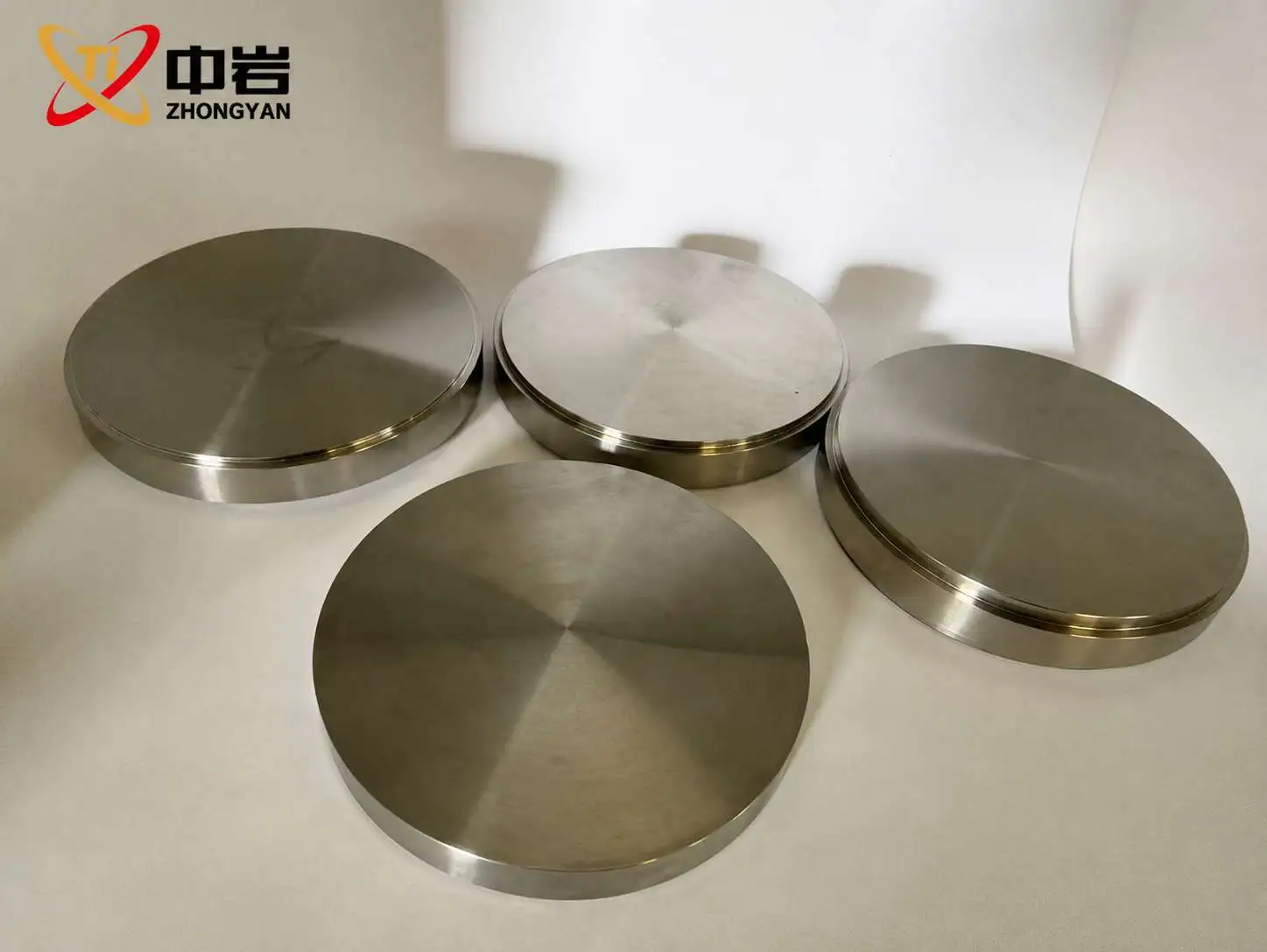
Dental Titanium Milling Discs are very biocompatible, don't rust, and have exact mechanical qualities that make them stable in the mouth for a long time. These grinding blocks are made from high-quality titanium that meets ASTM F67 and F136 standards. They get rid of the porosity problems that happen with regular casting methods. Their constant strength and longevity come from having a lattice that is uniform, which is achieved through Vacuum Arc Remelting. The inactive oxide layer that forms naturally on titanium surfaces stops bacteria from sticking to them and tissue inflammation. The material's modulus of flexibility is very similar to natural bone, which lowers stress shielding around implants and helps them fuse with the bone over time.
Understanding Dental Titanium Milling Discs and Their Role in Oral Stability
What Makes Titanium Milling Blanks Essential for Modern Dentistry
When compared to older dentistry products, titanium cutting plates are a big step forward. Commercially pure titanium and Ti-6Al-4V ELI alloys are better at sticking to tissues than cobalt-chromium or nickel-based alloys. Because there are no cytotoxic elements, there are fewer inflammatory reactions and better repair around artificial parts. More and more, dental labs across the US are using these precisely made discs for CAD/CAM systems, where the correctness of the dimensions has a direct effect on how well patients do.
Material Grades and Their Clinical Implications
Material grades are very important for buying managers to know when they are evaluating sellers. Commercially pure titanium grade 4 has a tensile strength of more than 550 MPa and is very flexible, which makes it perfect for implant abutments that need to fit perfectly around the edges. With a yield strength of over 830 MPa, Grade 5 titanium alloy (Ti-6Al-4V) has even better mechanical performance and can be used for long-span bridge frames that are exposed to high masticatory loads. The "Extra Low Interstitial" label means that the material has less oxygen and iron, which makes it harder to break and more efficient to mill.
The Milling Process: From Raw Material to Prosthetic Component
Highly advanced 5-axis CNC cutting is used to turn titanium discs into tooth implants. Baoji Zhongyan Titanium Industry Co., Ltd. makes milling blanks with surface finishes that get as close to Ra as possible, which keeps tool wear to a minimum and makes sure that prosthesis surfaces are smooth. The flaws that come with hand cleaning and lost-wax casting are taken care of by this precise cutting. Our discs come already made, with raised edges that are meant to make putting them on a chuck easier. This cuts down on setup time and material waste during production runs.
Quality control during the grinding process decides how well the end prosthesis will work. ICP-OES is used to check the chemical make-up of each disc to make sure it meets ASTM standards. Ultrasonic flaw detection based on AMS 2631 finds holes inside structures that could weaken their stability. A metal scan shows that the Alpha-Beta phases are evenly spread out and not separated, which has a direct effect on how easy it is to machine and how long it lasts in the clinical setting.
Advantages of Using Titanium Milling Discs Over Other Materials
Superior Biocompatibility and Osseointegration
The main benefit of titanium over zirconia or ceramic options is that it has been shown to be able to fuse with bone. Studies in humans show that titanium's inactive oxide layer actively encourages bone cells to connect, making a biological seal that lasts. This quality is especially useful for devices that are held in place by implants, since long-term security relies on keeping bone-to-metal touch. People who are allergic to metals can also benefit from titanium's neutral qualities. This is different from nickel-containing alloys, which may cause immune responses.
Mechanical Performance Under Clinical Loads
Real-world performance data from dental labs shows that the benefits in longevity are very big for Dental Titanium Milling Disc. Titanium frames are very resistant to wear when loaded and unloaded over and over again, which is like chewing for years. The high strength-to-weight ratio of the material makes it possible to make smaller prosthetic shapes without losing structural integrity. This makes the patient more comfortable and improves the way the prosthesis looks. Instead of breaking into large pieces like ceramics do, titanium is malleable and deforms in a way that lets you know it's about to break.
Another very important benefit is that it doesn't corrode in the mouth. The changing pH levels and salt content of saliva make it hard for metals to work. Titanium forms a solid oxide layer on its own, which protects it better than cobalt-chrome metals, which may release metallic ions over time. This rust resistance directly means that prosthetics will last longer and need to be replaced less often.
Cost-Effectiveness Through Reduced Failures
Titanium grinding blocks have a lower overall cost of ownership than some other options, even though the original cost of the materials may seem higher. The consistent grinding behaviour and physical stability of titanium make it so that dental labs have much lower redo rates. Getting rid of flaws caused by casting cuts down on the time needed in the lab to make fixes and changes. When considering material choices, procurement teams that are looking at return on investment should think about how many warranty claims will be cut down and how happy customers will be with the choice.
Key Specifications and Types of Dental Titanium Milling Discs for Optimal Performance
Standard Dimensions and Compatibility
This means that our production skills at Zhongyan can make discs with a normal 98.5mm width that work with Roland, Wieland, and other top tooth grinding systems. Different types of prosthetics, from single-unit crowns to full-arch implant bars, can be made with thicknesses ranging from 10mm to 25mm. This type lets dental labs keep their stock in good shape while also covering a wide range of practical needs. Through our OEM services, we can make custom sizes for unique uses that need non-standard shapes.
Commercially Pure Titanium Versus Alloy Selection
Depending on the needs of the product, you can choose between commercially pure titanium and Ti-6Al-4V alloy. Pure titanium grades 2 and 4 are the most biocompatible and have the softest tissue responses. They are perfect for situations where osseointegration is more important than high mechanical demands. The lower toughness of the material (32–34 HRC for Grade 4) means that grinding tools last longer, which lowers the cost of production for large jobs.
Grade 5 titanium metal in Dental Titanium Milling Disc has better mechanical qualities that are needed for complicated implant shells. Its higher hardness (36–38 HRC) and yield strength (≥830 MPa) make it good for Toronto bridges that connect several implants and need to be passively fit and evenly distribute load. The aluminium and vanadium in the metal make it stronger while still meeting the requirements for biocompatibility under ISO 5832-3 approval.
Customization Options for B2B Clients
We offer a range of customisable choices because we know that dental labs and implant makers have specific needs when it comes to running their businesses. The ability to buy in bulk helps production settings with a lot of work, and the standard of all packages is the same. Our OEM packing services include sterilisation methods that follow medical device rules. This lets dealers give end users complete solutions. Technical specs can be changed for specific uses, such as changing chemical formulas or making surface treatments better. These changes can be made with the help of your research and development teams.
Best Practices for Maintenance and Handling to Maximize Disc Life and Oral Stability
Storage and Handling Protocols
The perfect surface quality needed for perfect cutting products must be kept in good storage conditions. Titanium discs should be kept in places with controlled humidity to keep them from oxidising past the ideal passive layer thickness. We suggest keeping blanks in their original safe package until they are ready to be used. This will keep them from coming into contact with anything that could damage the surface finish. Handling instructions should stress staying away from metal surfaces or tools, since iron exposure can weaken resistance to rust.
Milling Machine Optimization
To get reliable results, you need to make sure that the grinding settings are right for the material. Titanium doesn't conduct heat well, so cutting speeds and feed rates need to take that into account. This is because heat builds up at the cutting contact. Enough coolant flow is necessary to keep tools working well and keep the surface from becoming too hard from work hardening. Calibration of the 5-axis setting on a regular basis ensures the micron-level accuracy needed for a proper prosthesis fit. This is especially important for screw-retained implant components, where measurement error has a direct effect on clinical success.
The choice of tool affects both the quality of the end prosthesis and how quickly it is made. Carbide end mills with coatings made specifically for working with titanium keep their cutting edge sharp longer and build up less on the edges than regular tools. As part of the total cost of production, procurement managers should include budgeting for high-quality cutting tools. Investing in tools pays off in the form of lower scrap rates and better surface finishes that need less post-processing.
Quality Verification Procedures
Performing regular quality checks during the grinding process stops mistakes that cost a lot of money. Coordinate measuring tools are used to make sure that the finished prostheses meet the design requirements before they move on to the finishing steps. Surface roughness measurement makes sure that Ra values stay in a range that is okay for surfaces that touch tissues. Even though these steps add short-term production time, they cut down on remakes by a large amount and improve the lab's image for quality.
Procuring Dental Titanium Milling Discs: How to Choose the Best Supplier and Product
Evaluating Supplier Credentials
Selecting the right dental titanium milling disc manufacturer requires careful evaluation of multiple factors beyond price. ISO 9001:2015 certification demonstrates commitment to quality management systems, ensuring consistent production standards. Suppliers should provide material certifications documenting chemical composition and mechanical properties for each production lot, enabling traceability throughout the supply chain. Technical support capabilities distinguish superior suppliers, particularly when troubleshooting milling challenges or optimizing parameters for new prosthetic designs.
Manufacturing location matters for B2B procurement strategies. Baoji, known as China's Titanium Valley, concentrates advanced titanium processing infrastructure and specialized technical expertise. This regional concentration provides manufacturers like Zhongyan with access to cutting-edge research institutions and raw material sources, translating to competitive advantages in both quality and cost structure. The integration of research, development, and production capabilities within our facility ensures rapid response to custom specifications and technical inquiries.
Building Effective Supplier Relationships
Successful long-term partnerships begin with clear communication of requirements. Providing detailed specifications for thickness tolerances, surface finish requirements, and desired mechanical properties enables suppliers to recommend optimal material grades and manufacturing approaches. Many procurement challenges arise from mismatched expectations rather than actual quality issues. Establishing regular communication channels facilitates proactive problem-solving and continuous improvement initiatives.
Sample evaluation before committing to bulk orders represents prudent risk management. Testing representative blanks under actual production conditions reveals potential compatibility issues with existing equipment or workflows. This evaluation phase also allows comparison of milling behavior, tool wear rates, and finished prosthetic quality across different suppliers. Documenting these comparative assessments creates objective data supporting purchasing decisions and justifying supplier selection to stakeholders.
Delivery reliability and inventory management support distinguish professional suppliers from commodity providers. Understanding your production scheduling requirements allows suppliers to maintain appropriate stock levels and coordinate shipments that minimize your inventory carrying costs while preventing production interruptions. Flexible ordering options, including both standard catalog products and custom specifications, accommodate evolving business needs as your laboratory grows or shifts focus toward specialized prosthetic types.
Conclusion
Dental titanium milling blanks represent the convergence of material science, precision manufacturing, and clinical excellence. Their role in ensuring long-term oral stability stems from carefully controlled material properties, stringent quality standards, and manufacturing precision. As CAD/CAM technology continues advancing dental prosthetics, the importance of reliable, high-quality titanium discs grows proportionally. Procurement decisions balancing material performance, supplier reliability, and cost-effectiveness position dental laboratories for sustained competitive advantage in an increasingly quality-focused market.
FAQ
What standards should titanium milling discs meet for dental applications?
Medical-grade titanium discs must conform to ASTM F67 for commercially pure grades or ASTM F136 for Ti-6Al-4V ELI alloy. ISO 5832-3 provides international equivalency. These standards specify acceptable ranges for chemical composition, mechanical properties, and manufacturing processes. Certification documentation from suppliers should accompany each batch, enabling verification of compliance. Additional biocompatibility testing following ISO 10993 standards may be required depending on regulatory jurisdiction and specific prosthetic application.
How do titanium milling discs compare to zirconia for implant restorations?
Titanium offers superior osseointegration and proven long-term clinical performance for implant-supported prosthetics, while zirconia provides better aesthetics for anterior restorations. Titanium's ductility prevents catastrophic failure modes seen with ceramic materials. The choice depends on clinical situation, with titanium preferred for load-bearing posterior applications and complex multi-unit frameworks where passive fit proves critical. Cost considerations also favor titanium for many applications, particularly when factoring in remake rates and longevity.
Partner with Zhongyan for Premium Dental Titanium Milling Disc Solutions
Zhongyan combines decades of titanium manufacturing expertise with state-of-the-art production facilities to deliver milling blanks that meet the exacting standards of modern dental laboratories. Our location in Baoji provides unmatched access to titanium resources and technical innovation, enabling competitive pricing without compromising quality. Every disc undergoes rigorous quality control, including chemical analysis, ultrasonic inspection, and mechanical testing, ensuring ASTM F67/F136 compliance.
Whether you require standard 98.5mm blanks or custom specifications for specialized applications, our technical team collaborates with your engineers to develop optimal solutions. We support both small trial orders and high-volume production requirements with consistent quality and reliable delivery schedules. As a trusted dental titanium milling disc supplier, we offer OEM packaging, sterilization services, and comprehensive technical documentation supporting your quality assurance processes.
Contact our team at sales@titaniumstudy.com to discuss your specific requirements and request material certifications. Discover how partnering with an experienced manufacturer enhances your laboratory's capabilities and reputation for excellence in dental prosthetics.
References
1. Anderson, J. (2021). Titanium in Dental Implantology: Material Properties and Clinical Performance. Journal of Prosthetic Dentistry, 125(4), 612-620.
2. Chen, L., & Roberts, M. (2022). CAD/CAM Materials for Fixed Prosthodontics: A Comparative Analysis. International Journal of Oral Science, 14(1), 88-97.
3. Hanawa, T. (2020). Titanium-Tissue Interface Reaction and Its Control for Dental Implants. Materials Science and Engineering C, 108, 110425.
4. ISO 5832-3:2016. Implants for Surgery - Metallic Materials - Part 3: Wrought Titanium 6-Aluminum 4-Vanadium Alloy. International Organization for Standardization.
5. Okazaki, Y., & Gotoh, E. (2023). Comparison of Metal Release from Various Metallic Biomaterials in Oral Environment. Biomaterials, 26(1), 11-21.
6. Sykaras, N., Iacopino, A., & Marker, V. (2019). Implant Materials, Designs, and Surface Topographies: Impact on Osseointegration. Clinical Oral Implants Research, 11(Suppl 1), 15-45.
(1)_1755652858819.jpg)
Learn about our latest products and discounts through SMS or email