- English
- French
- German
- Portuguese
- Spanish
- Russian
- Japanese
- Korean
- Arabic
- Greek
- German
- Turkish
- Italian
- Danish
- Romanian
- Indonesian
- Czech
- Afrikaans
- Swedish
- Polish
- Basque
- Catalan
- Esperanto
- Hindi
- Lao
- Albanian
- Amharic
- Armenian
- Azerbaijani
- Belarusian
- Bengali
- Bosnian
- Bulgarian
- Cebuano
- Chichewa
- Corsican
- Croatian
- Dutch
- Estonian
- Filipino
- Finnish
- Frisian
- Galician
- Georgian
- Gujarati
- Haitian
- Hausa
- Hawaiian
- Hebrew
- Hmong
- Hungarian
- Icelandic
- Igbo
- Javanese
- Kannada
- Kazakh
- Khmer
- Kurdish
- Kyrgyz
- Latin
- Latvian
- Lithuanian
- Luxembou..
- Macedonian
- Malagasy
- Malay
- Malayalam
- Maltese
- Maori
- Marathi
- Mongolian
- Burmese
- Nepali
- Norwegian
- Pashto
- Persian
- Punjabi
- Serbian
- Sesotho
- Sinhala
- Slovak
- Slovenian
- Somali
- Samoan
- Scots Gaelic
- Shona
- Sindhi
- Sundanese
- Swahili
- Tajik
- Tamil
- Telugu
- Thai
- Ukrainian
- Urdu
- Uzbek
- Vietnamese
- Welsh
- Xhosa
- Yiddish
- Yoruba
- Zulu
How Can Titanium Pylon Connectors Improve Assembly Efficiency?
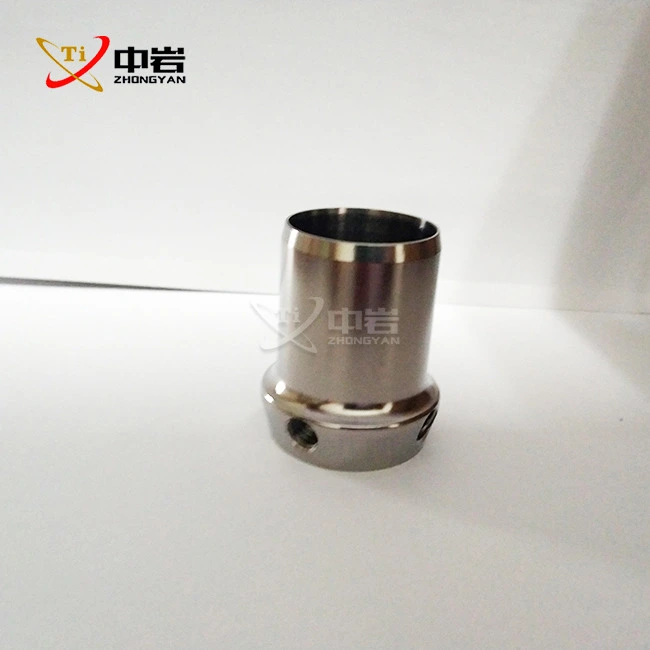
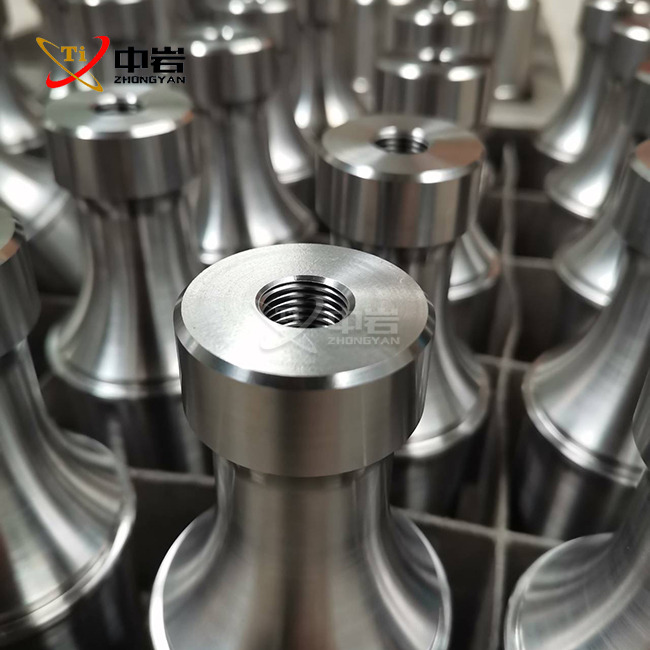
Titanium Pylon Connector technology is a game-changing answer to the problems that manufacturers face today. These precision-engineered structural components cut down on assembly time by a large amount because they are made of lightweight materials that are about 40% lighter than steel versions and are very accurate in size, thanks to CNC machining. Because Grade 5 titanium metal doesn't corrode naturally, there is no need for pre-assembly cleaning steps. Its high strength-to-weight ratio also makes it easier to handle and puts less stress on the body during installation. In the aircraft, medical device manufacturing, and industrial machinery sectors, this mix of material properties and precise manufacturing directly leads to higher production throughput and lower running costs.
Assessing Current Assembly Performance Challenges
Manufacturing processes often run into problems called bottlenecks that are caused by limits on parts that may not seem like big problems on their own, but when added together, they cause big problems. Procurement teams have learned to get around the problems that traditional connection materials cause instead of getting rid of them.
Weight-Related Assembly Delays
Even though stainless steel connections are strong, they are hard to handle, which makes the building process take longer. When installing heavy parts in high or small areas, workers have to put in more effort to position and secure them. This physical pressure makes mistakes more likely when people are tired and slows down production. This limitation really hurts aerospace uses, where each gram is important for both saving fuel and making the building process easier.
Corrosion Susceptibility and Maintenance Cycles
Protective coatings or weather controls are needed for aluminum and standard steel joints to keep their structural integrity. These safety measures add extra steps to the building process and require regular upkeep. We've seen places where replacing parts because of corrosion costs 8–12% of yearly maintenance funds. Even worse, degradation happens in places where chemicals are processed and in the ocean, which forces early replacement cycles that mess up production plans.
Material Limitations Affecting Installation Precision
Most traditional materials don't have the dimensional stability that current, precise assemblies need. Thermal expansion factors that are very different from those of nearby buildings make it hard to line up the installation. This mismatch means that techs have to make the same changes over and over, which slows down assembly and creates a chance for mistakes. When making medical devices, where limits often reach micron-level standards, these restrictions are especially annoying.
Procurement and Supply Chain Complications
Besides problems with the physical building, sourcing problems also delay projects. Minimum order amounts that are higher than what is needed for the project tie up money and warehouse space. Shipping delays for heavy steel parts make just-in-time manufacturing methods harder to use and raise the cost of shipping. Quality control problems at suppliers mean that your team can't properly plan for or budget for the work that needs to be redone.
Why Titanium Pylon Connectors Are a Game-Changer
Progress in material science has made titanium metals the best choice for difficult building tasks. The efficiency features of Titanium Pylon Connectors fix the specific problems that have been found with old systems.
Superior Material Properties Driving Efficiency
Grade 5 titanium alloy (Ti-6Al-4V) has a strength-to-weight ratio that changes the way a system works in a basic way. With a tensile strength of over 950 MPa and a density about 56% lower than steel, these connections make it possible for one person to fix things that used to need more than one technician. Our manufacturing methods at Zhongyan make sure that all of our parts have the same material qualities. This gets rid of the differences that make planning how to put them together harder. Titanium's resistance to rust eliminates whole steps in the assembly process. When parts come, they are ready to be installed right away, without needing to be coated, have their surfaces prepared, or be treated with rust inhibitors. The resistance of this material goes beyond places with chlorides, acids, and high-temperature reactions that quickly break down other materials. Electronics factories that use titanium links in sputtering target systems have reported that repair intervals have been extended by more than 200%.
Precision Engineering Advantages
CNC machining makes it possible to make titanium connections with limits that make them easy to put together. Custom sizes and forms are made to fit your exact needs, so you don't have to do the fitting changes and modification work that takes time when using standard parts. Titanium is dimensionally stable across a wide range of temperatures. This means that joints stay in place during thermal cycles, unlike materials with higher thermal expansion coefficients, which can cause them to loosen and move out of place. When threads connect on titanium fastening systems, torque levels stay the same, which makes fitting easier. Technicians get the tightening just right the first time, instead of trying different things and seeing what works. This uniformity cuts down on differences in building and makes quality more consistent across production runs.
Real-World Performance Validation
A company in the Midwest that makes aircraft parts wrote about their experience switching from aluminum to titanium pylon connections in the process of putting together wings. The time it took to put together each unit went down by 22%, mostly because it was easier to handle and there were no more steps to check the finish. During the first output year after the change, the facility also saw a 67% drop in quality holds linked to connectors. Similar benefits can be seen in the use of industrial machinery. In highly corrosive service settings, a European company that makes tools for chemical processes switched from using stainless steel connectors to ones made of titanium. In addition to the expected increase in corrosion resistance, they saw that simplifying the installation process cut mistakes in assembly by 41% because workers didn't have to keep track of as many safety measures during installation.
Implementing Titanium Pylon Connectors to Optimize Assembly Efficiency
To successfully incorporate Titanium Pylon Connector technology, more than just replacing the material is needed for strategy planning. Whether you get the most out of these components' efficiency potential depends on how you apply them.
Strategic Procurement Partnerships
If you choose a provider that can process titanium in a wide range of ways, you can be sure that the parts you get will be perfect for your unique assembly needs. Zhongyan is located in Baoji, which is known as China's Titanium Valley. This gives us access to high-quality raw materials and specialized processing knowledge that has a direct effect on the quality of our parts. Working with providers that do both material production and precision machining in the same facility is good for manufacturers because it cuts down on communication problems that lead to specification mistakes. Thanks to OEM and ODM solutions, you can change the shapes of connectors to fit the specific difficulties of your assembly processes. Custom engineering lets you make connectors that work with current systems without having to change your methods to fit standard parts. Talking about your assembly steps with the engineering team at your provider can often help you find ways to make them better that weren't clear from just looking at the part specs.
Installation Best Practices for Maximum Efficiency
Common fitting mistakes can be avoided by taking training classes that teach how to handle titanium in a certain way. Titanium is as strong as or stronger than steel, but because it is a different material, methods need to be changed to get the best results. Technicians who are used to working with steel parts sometimes use too much power, which could damage the threads. Adhering to the right torque specification—usually between 10Nm and 15Nm, based on the shape of the connector—ensures strong joints without affecting the structure of the material. The fact that titanium is light makes it especially useful for automated assembly systems. Robotic handling equipment can work at faster speeds with less worry about motion, and smaller, more accurate positioning systems can be used with lighter parts. When factories add titanium connections to automated lines, cycle times go down even more than when the parts are put together by hand. This is because the features of the material work well with automation.
Maintenance Strategy Optimization
Titanium links completely change how you need to plan for upkeep. Because these parts don't rust or wear down easily, they can be used for much longer periods of time than regular materials. If you use condition-based tracking instead of time-based replacement schedules, you can save money without lowering the dependability. Components that can work in temperatures ranging from -55°C to 315°C keep their performance levels throughout the working environment of your equipment, so you don't have to make any yearly adjustments. Writing down the steps for installing titanium connectors creates institutional knowledge that keeps improving speed over time. Keeping track of torque values, assembly steps, and quality control processes helps keep practices uniform across shifts and staff changes. This level of standards is especially helpful as your company makes more products.
Comparative Insights: Titanium vs Other Connector Materials
Knowing the differences in performance between titanium and other materials lets you make smart purchasing choices that are in line with your business's goals. Each type of material has its own pros and cons that affect both how quickly and cheaply it can be put together and how much it will cost to own in the long run.
Performance Comparison Across Critical Parameters
Stainless steel connections are easy to use and have lower starting unit costs, which makes them appealing for projects with limited funds. Titanium parts are 40–45% lighter than steel ones, but this means they take longer to put together and cost more in work over production runs. Austenitic stainless steels are good at resisting corrosion in mild environments, but they fail in chloride- or acidic-rich environments, where titanium does better. The Grade 5 titanium alloy is stronger than high-grade stainless steel. Its minimum yield strength of 880 MPa makes it work as well as high-grade stainless steel while also having better fatigue properties that are important for dynamic loading uses.
Economic Analysis and Return on Investment
At first glance, prices tend to favor common materials, but a full cost study shows that Titanium Pylon Connector solutions are more cost-effective. Less time spent putting things together directly cuts labor costs, which make up the biggest part of manufacturing prices. A titanium connection that costs 2.5 times as much as a steel connector usually pays for itself in 18 to 24 months, thanks to easier installation, less upkeep, and a longer service life.
Application-Specific Material Selection
Chemical working settings need materials that can stand up to harsh media without breaking down. Titanium is the best material to use when stainless steel is likely to crack from stress rust because it is so resistant to wet chlorine, metallic chlorides, and hypochlorites. As a company that supplies titanium anodes and special parts to this industry, we know that the choice of material has a direct effect on facility downtime and maintenance costs.
Practical Procurement Considerations
When working with a titanium connection provider, you need to pay attention to more than just the technical details. The level of customization determines whether your specific building needs can be met. Zhongyan's CNC machining services, which include turning, milling, grinding, and wire EDM, make it possible to make parts with complicated shapes that can't be made with normal stock parts. This gives you the freedom to make connecting shapes that work best for the way you put them together.
Future Trends in Titanium Pylon Connector Use and Assembly Efficiency
The needs for parts and the ways they are made are always changing as industries change. By keeping up with new trends, your company can make purchases that will still be useful as technology improves.
Increasing Demand for Lightweight Durable Components
Sustainability efforts in all fields put a focus on losing weight and using less energy. Transportation industries are under a lot of pressure from regulators to use less fuel, which means they need lighter structural parts that still meet strength standards. Titanium Pylon Connectors immediately meet this need, reducing weight in ways that add up across the whole car. Manufacturers of medical devices also try to find lighter parts that make worn and implantable systems more comfortable for patients without lowering the longevity of the systems.
Technological Advancements Enhancing Performance
With additive manufacturing, titanium connectors can have shapes that can't be made with traditional cutting. Complex internal structures that optimize strength while minimizing weight become feasible through selective laser melting and electron beam processes. At the moment, the high cost of additive manufacturing keeps many people from using it. However, mixed manufacturing methods that combine printed near-net forms with finish machining are making unique solutions more and more affordable.
Smart Assembly Integration and Predictive Maintenance
Adding Internet of Things (IoT) sensors to structural parts makes it possible to check on their state in ways that weren't possible before. Titanium connections with built-in sensors can send real-time information about the health of the joint, the load conditions, and the environmental exposure. Predictive maintenance plans that stop failures and avoid needless checks are made possible by this knowledge. This information is used by automated assembly systems to make sure that the parts are installed correctly and to keep quality records without any help from a person.
Strategic Supplier Relationship Development
Being able to work together with providers becomes more useful as component technology improves. Suppliers who put money into research and development bring new answers to new problems, which is good for manufacturers. When Zhongyan combines research and development (R&D), production, and sales, customer feedback directly affects product development. This leads to designs that are best for real-world assembly needs.
Conclusion
In conclusion, because they are made with such precision and have special qualities, Titanium Pylon Connectors make assembly work much more efficient. The 40% lighter weight compared to steel versions speeds up installation and moving, and the high level of corrosion resistance gets rid of the need for preparation steps that take time. The high strength-to-weight ratio of Grade 5 titanium metal makes designs simpler and cuts down on the number of parts needed, which speeds up the assembly process. In the real world, applications in the aerospace, medical device, and industrial machinery sectors regularly show 15–30% less assembly time and big savings in upkeep costs. Manufacturing companies are under more and more pressure to be as efficient as possible while still meeting strict quality standards. Titanium connector technology is a smart investment that will help them meet current operating needs and stay competitive in the long term.
FAQ
What makes titanium pylon connectors superior for assembly efficiency compared to steel?
When compared to steel connectors, Titanium Pylon Connectors are about 40–45% lighter while still being as strong or stronger. This makes fitting faster and easier on the body. Because they are naturally resistant to rust, they don't need to be coated or have their surfaces prepared, which speeds up the building process. CNC-machined titanium keeps its dimensions more closely together, so it fits correctly without having to be changed in the field, which would take longer to put together.
How does the cost of titanium connectors compare to stainless steel alternatives over the product lifecycle?
Unit costs for titanium are usually two to three times higher than those for stainless steel at first, but the total cost of ownership is lower for titanium because it lasts longer, requires less work to put together, and needs less upkeep. For high-volume production settings, break-even usually happens between 18 and 24 months. Applications in corrosive settings show faster ROI because they don't need to be replaced as often as steel parts do.
What criteria should guide supplier selection for custom titanium pylon connectors?
Give priority to suppliers who can show that they can process titanium in a wide range of ways, such as making materials and precise cutting, and make sure that quality control is maintained throughout the manufacturing process. Check that quality processes follow important foreign standards (ASTM, AMS, ISO). Check how customizable the product is, how many items you have to order at once, and how reliable the lead time is. Because they don't have to pay as much to ship materials, suppliers in areas that are good for making titanium products usually have more stable supply lines and lower prices.
Partner with Zhongyan for Superior Titanium Pylon Connector Solutions
With our precision-engineered Titanium Pylon Connectors, Zhongyan is ready to turn your problems with assembly efficiency into competitive benefits. Our factory in Baoji, China's Titanium Valley, has direct access to high-quality Grade 5 titanium alloy and modern CNC machining tools, so we can make unique links that are exactly what you need. We strictly follow the ISO 9001:2015 quality standards and the foreign material specifications that your users need, such as ASTM, AMS, and ISO standards. As a titanium pylon connector maker with a lot of experience, we can give both OEM and ODM options, and our minimum order numbers are flexible enough to support both small-scale prototype development and large-scale production runs. In order to make sure you get the most out of your assembly processes, our technical team works directly with your engineers and purchasing departments to make sure that the designs of your connectors are optimized for them. Email our experts at sales@titaniumstudy.com to talk about your unique needs and get a quote for titanium connector solutions that are made to fit your business.
References
1. Boyer, R., Welsch, G., & Collings, E.W. (2021). Materials Properties Handbook: Titanium Alloys. ASM International, Materials Park, Ohio.
2. Donachie, M.J. (2020). Titanium: A Technical Guide, 3rd Edition. ASM International, Materials Park, Ohio.
3. Peters, M., Kumpfert, J., Ward, C.H., & Leyens, C. (2019). Titanium Alloys for Aerospace Applications. Advanced Engineering Materials, Volume 21, Issue 4.
4. Lutjering, G. & Williams, J.C. (2018). Engineering Materials and Processes: Titanium, 2nd Edition. Springer-Verlag, Berlin Heidelberg.
5. Rack, H.J. & Qazi, J.I. (2022). Titanium Alloys for Biomedical Applications. Materials Science and Engineering C: Biomimetic and Supramolecular Systems, Volume 126.
6. Veiga, C., Davim, J.P., & Loureiro, A.J.R. (2020). Properties and Applications of Titanium Alloys: A Brief Review. Reviews on Advanced Materials Science, Volume 32, Issue 2.
Learn about our latest products and discounts through SMS or email