- English
- French
- German
- Portuguese
- Spanish
- Russian
- Japanese
- Korean
- Arabic
- Greek
- German
- Turkish
- Italian
- Danish
- Romanian
- Indonesian
- Czech
- Afrikaans
- Swedish
- Polish
- Basque
- Catalan
- Esperanto
- Hindi
- Lao
- Albanian
- Amharic
- Armenian
- Azerbaijani
- Belarusian
- Bengali
- Bosnian
- Bulgarian
- Cebuano
- Chichewa
- Corsican
- Croatian
- Dutch
- Estonian
- Filipino
- Finnish
- Frisian
- Galician
- Georgian
- Gujarati
- Haitian
- Hausa
- Hawaiian
- Hebrew
- Hmong
- Hungarian
- Icelandic
- Igbo
- Javanese
- Kannada
- Kazakh
- Khmer
- Kurdish
- Kyrgyz
- Latin
- Latvian
- Lithuanian
- Luxembou..
- Macedonian
- Malagasy
- Malay
- Malayalam
- Maltese
- Maori
- Marathi
- Mongolian
- Burmese
- Nepali
- Norwegian
- Pashto
- Persian
- Punjabi
- Serbian
- Sesotho
- Sinhala
- Slovak
- Slovenian
- Somali
- Samoan
- Scots Gaelic
- Shona
- Sindhi
- Sundanese
- Swahili
- Tajik
- Tamil
- Telugu
- Thai
- Ukrainian
- Urdu
- Uzbek
- Vietnamese
- Welsh
- Xhosa
- Yiddish
- Yoruba
- Zulu
How Are CNC Aluminum Parts Used in Aerospace and Automotive?


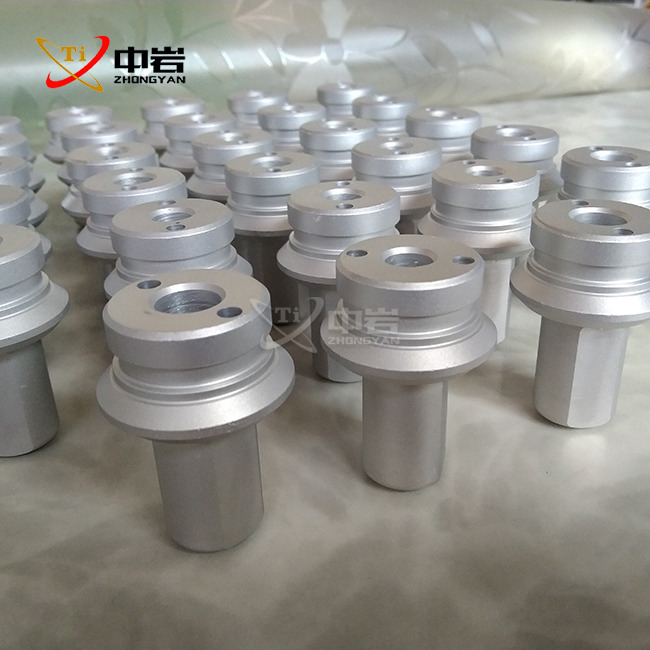
Precision CNC Machined Aluminum Parts are revolutionizing the aircraft and automobile industries by reducing weight by a huge amount without affecting the strength of the structure. Using Computer Numerical Control (CNC) technology, these parts are made by shaping aluminum metals (mostly 6061-T6 and 7075-T6) into complicated shapes with an accuracy of ±0.005mm. From battery housings for electric cars to aircraft structural brackets, machined aluminum parts meet strict international standards like ASTM B209, AMS specifications, and AS9100 quality certifications while also meeting important performance needs like thermal management, corrosion resistance, and fatigue endurance.
Understanding Precision CNC-Machined Aluminum Parts
What Defines Precision CNC Aluminum Machining?
A subtractive manufacturing method called precision machining takes away material from solid metal billets using computer-controlled machinery to make exact shapes. We use multi-axis CNC mills and turning centers at Baoji Zhongyan Titanium Industry. These machines follow set directions to the micron level of accuracy. First, the CAD model is interpreted. Then, the toolpath is made. Finally, the dimensions are checked carefully using Coordinate Measuring Machines (CMM). Whether you're buying ten prototypes or ten thousand production units, this process makes sure that the same thing is done over and over again.
We can do cutting tasks in three to five axes, which lets us make complex shapes like undercuts, compound angles, and thin-walled sections. The accuracy of the measurements we get—usually within ±0.005 inches, but sometimes as little as ±0.0005 inches for important parts—is better than what can be achieved with casting or additive methods. This level of accuracy is very important when metal parts have to connect to other materials in assemblies; if they are not lined up correctly, the system could fail.
Aluminum Alloy Selection and Material Properties
Choosing the right materials is the first step in making sure that a component works well. Because it has good machinability, weldability, and corrosion protection, along with a yield strength of about 40 ksi, the 6061-T6 metal is the workhorse of the industry. We keep this grade in stock in rods, plates, and tubes, among other shapes. They are ready to be CNC machined to your exact specs. The label "T6 temper" means that the material was treated with solution heat and then fake aging, which improves its mechanical properties.
For uses that need more strength, 7075-T651 aluminum has a yield strength about the same as some mild steels, but it still has the low density of aluminum, which is 2.81 g/cm³. This aerospace-grade alloy is mostly made up of zinc, which gives it great strength-to-weight ratios that make it perfect for airplane fittings and high-stress car parts. Controlled stretching relieves stress in the T651 temper, which lowers leftover stresses that could cause the metal to warp during cutting.
The Importance of Tight Tolerances in Critical Applications
Tolerance standards for Precision CNC Machined Aluminum Parts have a direct impact on component functionality, assembly efficiency, and long-term reliability. In aerospace hydraulic systems, aluminum valve bodies must maintain precise bore dimensions and surface finishes to ensure proper seal function and prevent fluid leakage at high altitudes. A tolerance stack-up analysis reveals how small dimensional variations accumulate across multiple components—for instance, a ±0.010-inch tolerance on a single feature could result in either interference fits or excessive clearance when assembled with mating parts.
At several stages of production, our quality control methods check the limits. During the first article inspection, we use calibrated tools that can be traced back to NIST standards to measure all of the stated measurements. At set times, in-process checks happen to catch any tool wear or temperature drift before the parts move outside of what is allowed by specification. Final checking includes looking for flaws on the surface, testing for hardness if needed, and sending full dimension records with every shipment.
Applications of CNC Aluminum Parts in Aerospace and Automotive
Aerospace Component Applications
Manufacturers of airplanes use machined aluminum parts in the airframe, the engine systems, and the electronics installations. Aluminum's good strength-to-weight properties are used in the wing ribs and fuselage frames, which increase the plane's cargo capacity while still meeting structural load standards. We can make these parts with complicated cutout shapes using CNC, which is a design philosophy called "lightweighting" that rules modern aircraft engineering. This philosophy reduces weight without losing rigidity. Engine nacelles and supporting frames must also be able to handle vibrations, changes in temperature, and aerodynamic loads. The thermal conductivity of the 6061 alloy is about 167 W/m-K, which helps get rid of heat from electrical enclosures and buildings next to engines. We make mounting interfaces with exact hole shapes and flatness tolerances that make sure the load is spread evenly across fastener groups and doesn't build up at the connection points.
Automotive Industry Applications
Each model year, the car industry uses aluminum machining more and more. This is because of rules about fuel economy and the rise of electric vehicles. Aluminum's thermal qualities and lighter weight make it a better choice for high-performance engine blocks and cylinder heads than cast iron options. We carefully machine the cooling jacket openings, bearing bores, and deck surfaces to make sure that the gaskets close properly and that heat is managed properly when the engine is running. More and more, polished aluminum is being used in transmission housings and differential cases to lower the moving mass and improve the efficiency of power transfer. To keep vibrations to a minimum and increase bearing life, these parts need to have exact alignment of the bearing hole and flatness of the fitting lip. Our 5-axis machining centers can make these complicated shapes in a single setup, so there are no mistakes in the fixtures that could affect the accuracy of the alignment.
Performance Requirements and Industry Certifications
One of the most important performance characteristics for aircraft and automobile aluminum parts is their resistance to fatigue. Parts that are loaded and unloaded over and over again, like suspension control arms or airplane landing gear parts, have to go through millions of load cycles before they start to crack. We find the best machining settings to reduce the amount of leftover stresses and surface flaws that could become places where fatigue cracks start. As part of our process, we can add stress relief heat treatment when the customer wants an extra tiredness life cushion. The ability to get rid of heat is often what determines the material and form of electronic control units and power electronics housings. Because aluminum is a good heat conductor, it can be used in passive cooling methods instead of heavy active cooling systems. We make sure that the combined heat sink fins, thermal interface surfaces, and fastening bosses stay perfectly flat so that the thermal compound can make good contact. Usually, surface finish requirements get stricter at thermal interfaces to keep contact resistance between parts that fit together as low as possible.
Advantages of Using Precision CNC-Machined Aluminum Parts in Aerospace and Automotive
Superior Material Properties Compared to Alternatives
When density is taken into account, Precision CNC Machined Aluminum Parts offer a better strength-to-weight ratio than most industrial metals and many steels. A one-pound 7075-T6 aluminum component provides equivalent strength to a three-pound mild steel part, delivering immediate weight savings that can translate into improved fuel efficiency or greater payload capacity. This weight advantage multiplies across multiple components—for example, an aircraft containing hundreds of aluminum parts can achieve a total weight reduction of several tons. Aluminum is different from steel options because it doesn't rust, especially when protective treatments boost the natural oxide layer's protection. We offer Type II and Type III anodizing, which makes the surface harder and gives it a uniform color that makes it easier to identify. The thickness of the anodized layer, which is usually between 5 and 50 microns based on the type, doesn't add much weight but makes the service life much longer in corrosive conditions. This durability lowers lifetime costs by stretching the time between replacements and reducing the amount of upkeep needed to deal with corrosion.
Precision and Repeatability Advantages of CNC Machining
CNC machining gets rid of the unpredictability that comes from human error in production, making sure that the thousandth part is the same size as the first. This precision is very important when new parts need to fit perfectly with parts that were made months or years ago. We keep CNC programs and setup paperwork for future use, so when new orders come in, production can start up again without having to pay for rebuilding. This stability is important to procurement teams because it means that quality testing done on the first samples will still be valid for later production runs. CNC cutting gives you better control over the surface finish than die casting or forging. We choose cutting tools, speeds, and feeds that give the surface a certain roughness, from rough machine finishing to mirror-polished surfaces that are close to Ra 0.4 μm. This control over the finish affects both how it looks and how it works. For example, bearing journals need smooth surfaces so that oil films can form properly, and parts that customers see should have finishes that look good and make them think the product is of good quality.
Finishing Options That Enhance Performance and Aesthetics
Anodizing is the most common way to finish cut aluminum parts. It adds a controlled oxide layer that makes the surface harder and more resistant to rust. Type II anodizing makes layers that are about 0.0002 to 0.001 inches thick, which is thick enough for most business and industry uses. When you use Type III hardcoat anodizing, you make layers that are stronger, harder, and last longer in high-wear settings. We work with finishing partners who are certified to meet aircraft and military standards. This makes sure that the processes meet performance standards. Powder coating is another choice for finishing when you want to change the color or add more rust protection. When the powder is charged with electricity and then cured, it melts and covers complex shapes evenly. Powder coats make things about 0.002 to 0.004 inches thicker, which we take into account when we machine the bases by making them smaller to fit. This organic finish layer is very resistant to chemicals and UV light, so it can be used outside. It also comes in a variety of bright colors that can help people recognize your brand.
Selecting the Right CNC Machining Partner for Aluminum Parts Procurement
Evaluating Manufacturing Capabilities and Certifications
A supplier's ability to meet strict requirements is directly linked to how well their advanced equipment works. Procurement workers should look at performance certifications and capability studies for machine tool accuracy when evaluating possible partners. At Zhongyan, we regularly calibrate our machine centers using laser interferometry to make sure that they are positioned accurately across the whole work area. We keep documentation of our capabilities that shows process variation well within the limits of what is specified. This gives us statistical comfort that the things we make will meet the needs.
Understanding Cost Structures and Lead Time Factors
Material costs represent a significant portion of the price for Precision CNC Machined Aluminum Parts and fluctuate with alloy availability and global commodity markets. Buyers can secure cost predictability through blanket purchase orders, which lock in pricing for extended periods while allowing flexible release schedules. We offer volume discounts that reflect reduced material procurement and setup costs over longer production runs. Clear, itemized quotes breaking down material, machining, and finishing costs enable procurement teams to understand value components and identify cost-saving opportunities.
Technical Documentation and Supplier Evaluation Best Practices
Misunderstandings that cause projects to fail and costs to rise can be avoided by having complete technical paperwork. In addition to sizes and standards, detailed sketches should include information about the type of material, how it should be heated, and what kind of finish should be used. We encourage our customers to send us both 2D and 3D CAD models, because this helps us program more efficiently and catch fewer mistakes in interpretation. When guidelines talk about ASTM or AMS documents or other industry standards, we keep up-to-date copies that make sure everyone understands what is expected of them.
Future Trends and Innovations in CNC Aluminum Machining for Aerospace and Automotive
Next-Generation Aluminum Alloys Under Development
Materials study is still going on to make aluminum alloys with better qualities that can meet new application needs. Alloys that contain scandium could be useful for making structures that can be welded but need more strength than the 6000-series materials normally offer. Even though these new metals are still more expensive than regular ones, they are worth it for certain aircraft uses where saving weight or improving performance is important for the whole system. We keep an eye on how alloys change over time and keep in touch with material sources so that we can get new grades quickly.
Automation and Artificial Intelligence in Manufacturing
Production automation includes more than just CNC machines. It also includes fully integrated manufacturing cells that use robotics to add parts, measure them while they're being made, and change their cutting techniques as needed. These cells work with little help from humans, keeping quality steady during shifts when the lights are off. We use technology when the amount of work that needs to be done justifies the cost of the equipment. This saves money because machines are used more efficiently and fewer people need to be hired. Customers gain because factory efficiency makes prices more competitive.
Sustainability and Environmental Considerations
Because aluminum can be recycled over and over again, it is a good material for businesses that are focusing on circular economy ideas. Recycling aluminum uses only 5% of the energy needed to make new aluminum, which has a big impact on lowering carbon emissions. We sort cutting chips by the type of alloy they are made of and send them back to metal sources so that they can be used again in production. This closed-loop method reduces trash while recovering material worth that helps cover the costs of production.
Conclusion
The strength-to-weight ratios, thermal qualities, and physical accuracy of Precision CNC Machined Aluminum Parts make them the best choice for aircraft and automobile uses. Aluminum alloys like 6061-T6 and 7075-T6 are very flexible, and improved CNC machining makes it possible for makers to meet ever-stricter performance standards while also lowering the weight of their products. A successful procurement process starts with choosing qualified suppliers who can show they have the right technical knowledge, keep up with relevant certifications, and offer full support throughout the lifespan of a product. As material science and production methods change, aluminum machining will continue to be an important part of the transportation industry's efforts to be more efficient, perform better, and be more environmentally friendly.
FAQ
How do I specify the right aluminum alloy for my application?
The alloy you choose relies on how important efficiency is to you. The 6061-T6 alloy is used in a wide range of situations where good corrosion protection and weldability are needed. It has a modest strength of about 45 ksi ultimate tensile strength. If you need a maximum strength of about 83 ksi, choose 7075-T6. However, it will not be as resistant to rust. Talk to your machine partner about the material's temperature needs, how it will be used, and its mechanical loads.
What tolerances can realistically be held on aluminum machined parts?
Standard machining tolerances of ±0.005 inches work well for most tasks and strike a good mix between cost and accuracy. Tighter tolerances of up to ±0.0005 inches are possible on important parts when using precise tools and strict process controls, but the costs go up as the specs get stricter. Tolerances for geometrical features like flatness and perpendicularity should be based on practical needs instead of random precise levels that raise costs without improving performance.
How does anodizing affect part dimensions and tolerances?
Oxide layers are formed during anodizing, which makes the material thicker. Most of the time, Type II anodizing adds 0.0001 to 0.0005 inches, and Type III hardcoat adds 0.001 to 0.002 inches. To deal with this growth, machinists have to make parts that are too small at first and then finish them to the right size. Make it clear if the given measurements are for situations before or after anodizing so that there are no disagreements about tolerances during inspection.
Partner With Zhongyan for Your Precision Aluminum Machining Needs
Baoji Zhongyan Titanium Industry is ready to help you with your needs for aluminum parts by providing full CNC cutting services and drawing metal for decades. We use cutting-edge tools, skilled workers, and strict quality control systems to make custom-machined parts that meet standards for aircraft, automotive, and industrial use. We are located in China's Titanium Valley. We are a precision CNC-machined aluminum parts source that can do everything from testing to large-scale production. We can make custom sizes and shapes out of aluminum alloys like 6061-T6 and 7075-T6.
Our team can help with engineering from the design review process all the way through final delivery, whether you need structural frames, heat management housings, or complex multi-feature components. We are still certified by ISO 9001:2015, and we follow strict quality control rules when we make things that make sure the measurements are correct and the materials can be tracked back to their source. Get in touch with our expert sales team at sales@titaniumstudy.com to talk about your unique needs and find out how our lightweight, corrosion-resistant aluminum solutions can help your product work better.
References
1. Starke, E.A. and Staley, J.T. (1996). "Application of Modern Aluminum Alloys to Aircraft." Progress in Aerospace Sciences, Vol. 32, pp. 131-172.
2. Kaufman, J.G. (2000). Introduction to Aluminum Alloys and Tempers. ASM International, Materials Park, Ohio.
3. Society of Automotive Engineers (2018). Aerospace Material Specification AMS 4027: Aluminum Alloy Bars, Rods, and Wire 7075 Solution and Precipitation Heat Treated.
4. Groover, M.P. (2020). Fundamentals of Modern Manufacturing: Materials, Processes, and Systems, 7th Edition. John Wiley & Sons, Hoboken, New Jersey.
5. Hirsch, J. (2014). "Recent Development in Aluminum for Automotive Applications." Transactions of Nonferrous Metals Society of China, Vol. 24, pp. 1995-2002.
6. American Society for Testing and Materials (2021). ASTM B209: Standard Specification for Aluminum and Aluminum-Alloy Sheet and Plate.
Learn about our latest products and discounts through SMS or email