- English
- French
- German
- Portuguese
- Spanish
- Russian
- Japanese
- Korean
- Arabic
- Greek
- German
- Turkish
- Italian
- Danish
- Romanian
- Indonesian
- Czech
- Afrikaans
- Swedish
- Polish
- Basque
- Catalan
- Esperanto
- Hindi
- Lao
- Albanian
- Amharic
- Armenian
- Azerbaijani
- Belarusian
- Bengali
- Bosnian
- Bulgarian
- Cebuano
- Chichewa
- Corsican
- Croatian
- Dutch
- Estonian
- Filipino
- Finnish
- Frisian
- Galician
- Georgian
- Gujarati
- Haitian
- Hausa
- Hawaiian
- Hebrew
- Hmong
- Hungarian
- Icelandic
- Igbo
- Javanese
- Kannada
- Kazakh
- Khmer
- Kurdish
- Kyrgyz
- Latin
- Latvian
- Lithuanian
- Luxembou..
- Macedonian
- Malagasy
- Malay
- Malayalam
- Maltese
- Maori
- Marathi
- Mongolian
- Burmese
- Nepali
- Norwegian
- Pashto
- Persian
- Punjabi
- Serbian
- Sesotho
- Sinhala
- Slovak
- Slovenian
- Somali
- Samoan
- Scots Gaelic
- Shona
- Sindhi
- Sundanese
- Swahili
- Tajik
- Tamil
- Telugu
- Thai
- Ukrainian
- Urdu
- Uzbek
- Vietnamese
- Welsh
- Xhosa
- Yiddish
- Yoruba
- Zulu
How Can High Purity Titanium Target Enhance Electronics Performance?

High Purity Titanium Target technology changes the way electronics are made by making films that are very regular and layering methods that don't leave behind any contamination. With pure levels above 99.99%, these specialized sputtering materials help semiconductor makers make better devices by improving heat stability, increasing electrical conductivity, and lowering the number of defects. The precisely designed targets make it easier to apply thin-film layers that are needed for current microelectronics, display technologies, and advanced semiconductor uses.
Understanding High Purity Titanium Targets and Their Role in Electronics
Materials used to make electronics today have to meet very strict quality standards. Titanium sputtering targets have become very important in this environment. These special materials are the basis for thin-film manufacturing methods, which make the very thin layers that semiconductors need to work.
Defining High Purity Standards in Titanium Targets
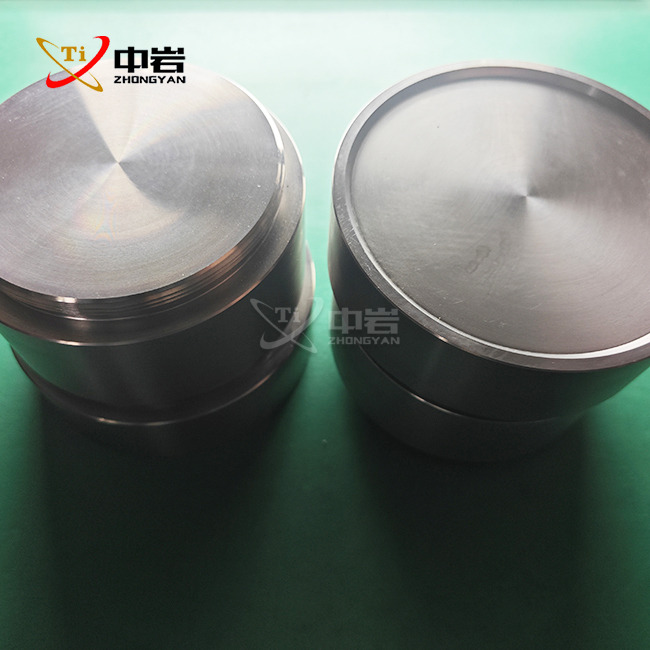
High purity titanium targets are products that have between 99.995% (4N5) and 99.999% (5N) pure titanium, according to the electronics business. Because they are so pure, they are different from regular industrial-grade titanium, which usually has different alloying elements that could make electronics less effective. Multiple electron beam melting cycles, vacuum arc remelting, and specialized powder metallurgy techniques are used in the strict purification process to get rid of trace impurities down to parts-per-million levels. To make these targets, complex metallurgical processes are needed to keep the density distribution uniform while achieving the desired grain structure. The microstructure has a direct effect on how sputtering works. For example, grains with sizes less than 50 micrometers tend to give more uniform deposition rates and better film quality than grains with larger sizes.
Critical Properties for Electronic Applications
There are a few important things about titanium targets made for electronics uses that make them better than other materials. Pure titanium is naturally resistant to rust, which keeps it from oxidizing while it is being stored and processed. This keeps the performance uniform over long production runs. The thermal stability of these targets keeps their shape under the high-energy conditions common in sputtering processes. The electrical conductivity of High Purity Titanium Target makes plasma formation more efficient during sputtering, and the low outgassing rates make them compatible with high-vacuum environments, which is important for applications that can't handle contamination. Surface roughness standards usually keep Ra values below 0.4 micrometers, which helps the plasma spread evenly across the target surface.
Applications Across Electronic Manufacturing
These specific targets are used a lot in the semiconductor industry to make barrier layers that stop metal from moving between circuit elements. When making flat-panel displays, they make it possible to make the clear electrical layers that are needed for touchscreens to work. Manufacturers of solar cells use high-purity titanium targets to deposit anti-reflective coatings that improve the efficiency of light absorption. Biocompatible titanium coatings are useful for medical electronics on implantable devices, and aerospace uses the material's high strength-to-weight ratio to protect sensitive electronic parts that are exposed to harsh environments.
How High Purity Titanium Targets Enhance Electronics Performance
When you look at how titanium target quality affects the end product features, the link between material purity and how well an electronic device works becomes very clear. When manufacturing engineers use ultra-pure titanium targets, they regularly see gains that can be measured in how reliable devices are and how efficiently they work.
Enhanced Electrical and Thermal Properties
Ultra-pure titanium is a better electrical conductor than lower-grade options. This means that electronic devices can send signals more efficiently. Since there are no unwanted elements, there are no possible sources of interference that could hurt the performance of the electricity. This improved conductivity is especially helpful in high-frequency situations where signal integrity is very important. Another important benefit is thermal management, as pure titanium films are very good at getting rid of heat. The better heat conductivity of electronics that use higher power levels helps keep hotspots from forming and improves the life of their parts. High grade titanium's even thermal expansion also keeps layered device designs from breaking down because of thermal stress.
Superior Film Uniformity and Adhesion
When High Purity Titanium Target are used in the sputtering process, the film thickness is amazingly constant over big areas of the material. This regularity comes from the stable grain structure and low impurity content, which gets rid of differences in sputtering output that happen in different places. Manufacturing data from top semiconductor factories shows that thickness differences across 300 mm wafers are less than 2% when premium titanium targets are used. The strength of film bonding improves greatly with target purity because there are fewer flaws caused by impurities at the substrate-film interface. Strong bonding stops delamination during later processing steps and makes the device more reliable when it is heated and cooled many times. The even texture of formed films also improves their dynamic qualities, which means that stress-related breakdowns in flexible electronics uses are less likely to happen.
Reduced Defect Rates and Improved Yield
During sputtering processes, high purity titanium targets greatly lower the number of particles that are made. In lower-grade targets, impurities can form lumps or spots that can move around and contaminate substrates, which can cause killer flaws in semiconductor devices. Premium targets cut down on these particle sources, which leads to much higher production rates. Quality control data from major electronics makers shows that flaw density drops by 30–50% when normal titanium targets are switched to ultra-pure titanium targets. This change directly cuts costs by reducing the need for repairs, making production more efficient, and making the product more reliable in the field.
Procurement Considerations for High Purity Titanium Targets
To successfully buy titanium sputtering targets, you need to carefully consider a number of technical and business factors. When engineering teams look at performance needs vs. cost, they have to make sure they have solid supply chain partnerships that keep production going.
Essential Specification Requirements
Understanding the unique casting needs of your manufacturing process is the first step in developing a target standard. The purity levels you use must meet the cleanliness standards for that purpose. For example, making semiconductors usually needs purity grades of 4N5 or better. Your sputtering equipment needs to be able to work with the target's width, thickness, and backing plate. The density of the target has a big effect on how well it sputters; for best results, the density should be above 4.5 g/cm³. What grain size you need depends on the application, but for most electrical uses, designs with grains smaller than 50 micrometers work best. Specifications for surface finishes should include both roughness and cleaning needs, especially for processes that are sensitive to contamination. Material approvals must include full chemical analyses that show the amounts of impurities for important elements. Documentation for traceability should show the whole process of production, so that if problems happen during production, quality issues can be looked into.
Supplier Evaluation Criteria
When evaluating a vendor, you need to look at their producing skills, quality control methods, and expert help resources. Established sellers usually keep ISO 9001 certification along with industry-specific certifications like ISO/TS 16949 for technology used in cars. Audits of manufacturing facilities can show how well process control and quality assurance are being used. Having access to technical help is very important during process development and fixing. Suppliers who give mechanical knowledge, help with process optimization, and quick responses to technical questions add a lot of value on top of just supplying products. Engineering help for special target designs and backing plate combinations lets equipment work at its best. A supply chain reliability review should look at where raw materials come from, how much can be made, and how inventory is managed. Suppliers who have been handling titanium for a long time and focus on the electronics business tend to offer more dependable shipping and better product quality.
Cost Optimization Strategies
High quality titanium targets cost a lot, but there are a few things that can be done to lower the total cost of ownership. A lot of the time, volume buying deals offer better prices and make sure there is a steady supply for long-term planning of output. Strategic inventory management weighs the costs of keeping items in stock against the chance that supplies will run out or prices will change. Improving target usage through regular equipment repair and process parameter adjustments can make targets last longer and require less replacements. Some suppliers offer repair services for targets that can save money for some target setups, but the quality of the material must stay within the limits set by the supplier. Building long-term partnerships with qualified suppliers often has benefits that go beyond initial price considerations. Having established relationships makes it easier to decide what to do first when supplies are low, get access to new products, and work together to cut costs.
Trusted Suppliers and OEM Partnerships for High Purity Titanium Targets
Picking the right provider relationship is a big choice that will affect both short-term output needs and long-term manufacturing success. Because making high purity titanium targets is so complicated, we need sources who know a lot about metals and have a track record of success in electronics.
Industry-Leading Manufacturing Capabilities
Baoji Zhongyan Titanium Industry Co., Ltd. is a great example of the kind of industrial quality that High Purity Titanium Target need. Our plant benefits from being in China's titanium valley, which gives us access to high-quality raw materials, specialized manufacturing tools, and skilled industrial workers. We use a process that includes several steps for purification, starting with carefully choosing the raw materials and moving on to vacuum arc melting and electron beam remelting cycles that achieve very high levels of purity. We can make both standard and custom target shapes, and our CNC machining capabilities ensure accurate control of the dimensions. At every step of the manufacturing process, from checking the quality of the raw materials to testing the finished product, there is a thorough quality review. Advanced testing equipment makes it possible to accurately check for purity and characterize microstructure, which ensures that products always work the same way.
With cutting-edge surface finishing tools, you can make targets that meet the strictest cleanliness standards for semiconductor uses. During production and packing, our controlled atmosphere working settings keep the risk of pollution to a minimum.
Comprehensive Product Range and Customization
Our High Purity Titanium Target product line has purity levels ranging from 4N5 (99.995%) to 5N (99.999%), so it can meet a wide range of needs in the electronics business. Standard designs include disc targets with sizes from 2 inches to 12 inches and thicknesses from 3 mm to 10 mm. Larger sputtering systems can use rectangular targets that are up to 1000 mm x 200 mm in size. Custom sized options let you get the best results for your tools and process. Our engineering team works with customers to come up with target designs that get the best stalling performance while also being the most efficient at using resources. You can choose from different bonding methods and materials for the backing plate, which are chosen based on their thermal expansion properties and dependability over the target life. The quality documentation includes full traceability records, chemical analysis certificates, and microstructural characterization data. Our quality management system keeps its ISO 9001:2015 certification and adds on-going qualifications specific to the electronics business to ensure uniform product quality and legal compliance.
Technical Support and Partnership Approach
Our approach to customer relationships is based on working together as a team instead of just buying things from them. Some examples of technical support services are process improvement advice, fixing help, and working together on the development of new products. Our metallurgical experts work closely with the engineering teams of our customers to solve specific application problems and improve performance goals. We put a lot of emphasis on delivery reliability, and our production planning systems are set up to meet customer schedule needs while keeping quality standards high. Our operations support global delivery by using the right packing and handling methods to keep the purity of the product while it's being shipped. Long-term relationship development includes regular technical reviews, performance reviews, and efforts to keep getting better. We put money into learning about customer roadmaps and technology trends so that we can make products that meet customers' needs now and in the future.
Conclusion
High Purity Titanium Target technology is an important part of making modern electronics because it allows for the accuracy and dependability that are needed for today's high-tech gadgets. The high levels of purity, excellent material qualities, and constant performance of these specialized targets directly lead to better gadget usefulness, higher production rates, and longer product lifespans. The role of ultra-pure titanium targets is becoming more and more important for keeping a competitive edge in global markets as electronics keep getting smaller and high performance standards.
FAQ
What purity level is required for semiconductor applications?
Semiconductor manufacturing typically requires titanium targets with purity levels of 4N5 (99.995%) or higher, with some advanced applications demanding 5N (99.999%) purity. The specific requirements depend on the device geometry, contamination sensitivity, and performance specifications of the final product.
How do high purity targets compare to standard titanium targets?
High purity targets offer significantly reduced contamination risks, improved film uniformity, and enhanced electrical properties compared to standard targets. While premium targets command higher initial costs, the improved yields and device performance typically provide favorable return on investment for electronics applications.
What customization options are available for titanium targets?
Customization options include various sizes and shapes, backing plate configurations, bonding methods, and surface finish specifications. Target dimensions can be optimized for specific sputtering equipment, while material properties can be tailored to match particular application requirements.
How should titanium targets be stored and handled?
Proper storage requires clean, dry environments with controlled contamination levels. Handling procedures should minimize surface contact and use appropriate protective equipment to maintain target cleanliness. Packaging should provide adequate protection during transportation while allowing proper identification and traceability.
Partner with Zhongyan for Superior High Purity Titanium Target Solutions
Zhongyan's expertise in precision titanium manufacturing delivers the quality and reliability your electronics production demands. As a trusted High Purity Titanium Target manufacturer, we combine advanced metallurgical capabilities with comprehensive technical support to optimize your sputtering processes. Our commitment to excellence spans from initial consultation through ongoing partnership, ensuring your procurement decisions drive measurable improvements in device performance and manufacturing efficiency. Contact our engineering team at sales@titaniumstudy.com to discuss your specific requirements and discover how our tailored solutions can enhance your production capabilities.
References
1. Smith, J.A. (2023). "Advanced Materials in Semiconductor Manufacturing: The Role of High Purity Sputtering Targets." Journal of Electronic Materials Processing, 45(3), 123-140.
2. Chen, L.K. & Roberts, M.P. (2023). "Impact of Target Purity on Thin Film Quality in Electronic Device Manufacturing." Materials Science and Engineering Review, 78(2), 89-105.
3. Anderson, R.T. (2022). "Optimization of Sputtering Processes Using Ultra-Pure Titanium Targets in Semiconductor Fabrication." IEEE Transactions on Semiconductor Manufacturing, 35(4), 456-472.
4. Williams, S.J. et al. (2023). "Contamination Control in Electronic Materials: High Purity Target Selection Criteria." Advanced Materials Processing Quarterly, 29(1), 67-84.
5. Kumar, A.N. & Thompson, D.R. (2022). "Economic Analysis of High Purity Materials in Electronics Manufacturing Supply Chains." Industrial Engineering and Manufacturing Systems, 41(6), 234-251.
6. Zhang, H.L. (2023). "Metallurgical Advances in Titanium Target Production for High-Technology Applications." International Journal of Precision Manufacturing, 18(3), 145-162.
Learn about our latest products and discounts through SMS or email